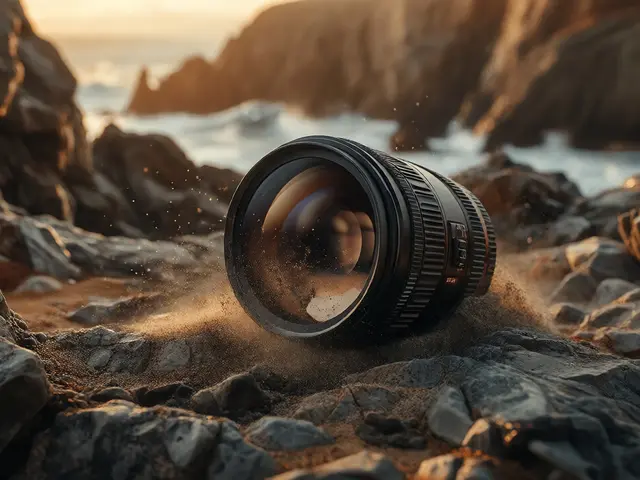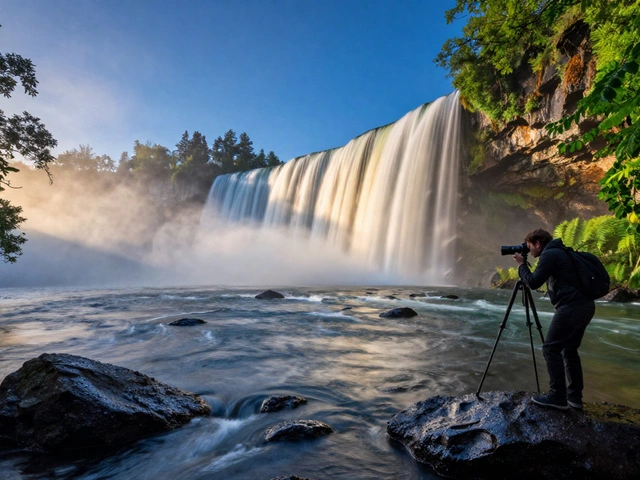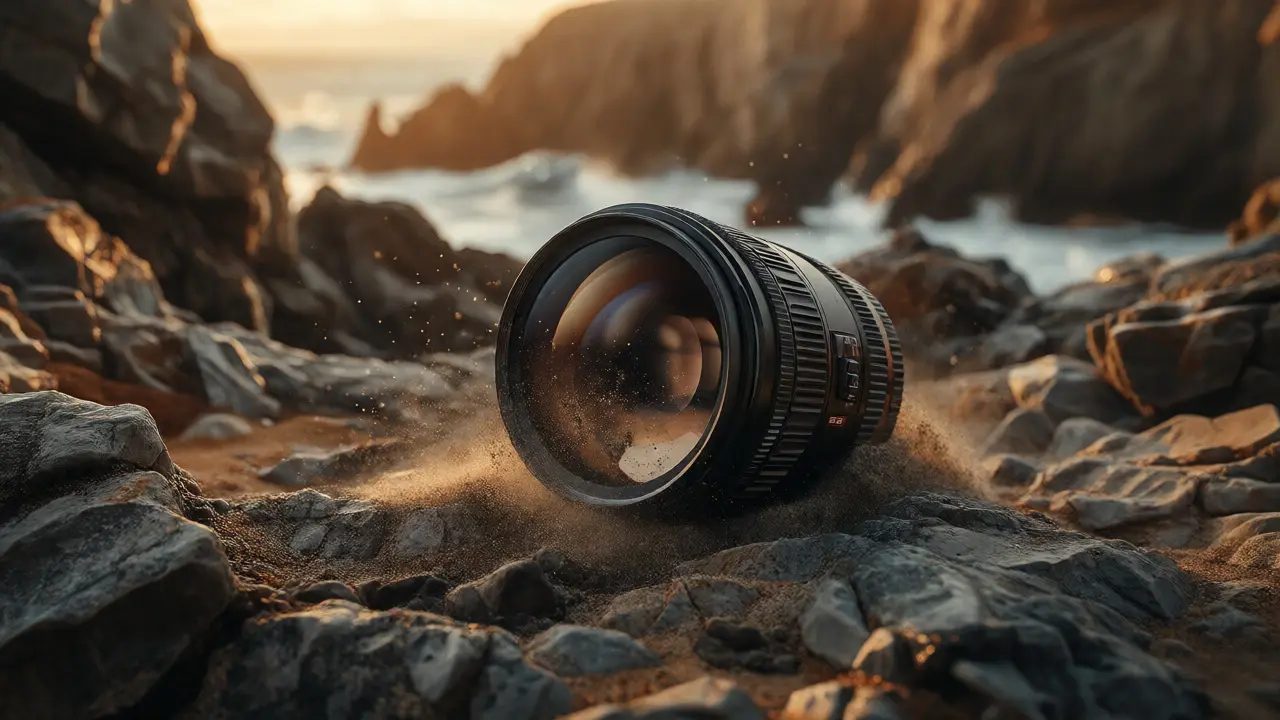
You’re standing on a rocky ridge in Oregon, wind whipping your jacket, sand kicking up around your boots. You look down at your $2,000 prime lens and panic sets in. Should you have put that clear glass disc on the front? It’s the debate that never dies in photography forums: do UV and protective filters actually help, or are they just expensive dust collectors that ruin your image quality?
The truth isn’t black and white. It depends entirely on what you shoot, where you shoot it, and how much risk you’re willing to take with your gear. For some photographers, a filter is insurance. For others, it’s a barrier between their sensor and the sharpness they paid for. Let’s break down exactly when these pieces of glass earn their keep and when they’re just adding weight to your bag.
What Exactly Is a UV Filter?
UV filters are transparent optical filters designed to block ultraviolet light from reaching your camera sensor. Historically, this mattered because film was highly sensitive to UV rays, which caused blue haze and reduced contrast in landscape photos. Modern digital sensors have built-in UV blocking layers, making the original technical need for UV filters largely obsolete for image correction purposes.
Today, most people don’t buy them for color correction. They buy them as sacrificial shields. If a rock skips off a riverbed and hits your lens, you want the filter to crack, not the front element of your Canon RF 70-200mm f/2.8L. That’s the primary job description now. It’s less about optics and more about physics and finance.
The Case for Keeping Your Lens Protected
If you shoot outdoors, especially in harsh environments, a protective filter is arguably essential gear. Think about coastal photography in Cannon Beach or hiking in the Gorge. Salt spray, fine silica sand, and sudden rain showers are relentless enemies of multi-coated glass. Cleaning agents can strip coatings if you aren’t careful, but a cheap $50 filter takes the hit instead of your $1,500 lens.
- Sand and Dust: In desert or beach settings, abrasive particles can scratch coatings permanently. A filter is replaceable; a scratched front element often requires a full service or replacement.
- Accidental Impacts: Bumping into a doorframe, knocking over a tripod, or having a child grab your camera while it’s hanging around your neck. These things happen.
- Moisture Barrier: While not waterproof, a good hydrophobic coating on a high-end protective filter makes wiping away raindrops easier than cleaning a bare lens surface.
I’ve seen too many photographers cry over a chipped front element. Replacing a front glass assembly can cost half the price of a new lens. A filter costs a fraction of that. It’s simple math for peace of mind.
When Filters Degrade Image Quality
Here is the catch: every piece of glass between your subject and your sensor introduces potential flaws. Even the best glass has some level of reflection, distortion, or absorption. When you stack a filter on top of an already complex lens design (which might have 15+ elements), you add another variable to the equation.
The biggest issue is ghosting and flare. If you shoot directly into the sun, a low-quality filter can create internal reflections that appear as bright spots or hazy washes across your image. This is particularly bad with wide-angle lenses like the Sony FE 16-35mm GM. The angle of incidence is so shallow that stray light bounces around inside the filter stack easily.
Sharpness can also suffer. Cheap filters use poor optical glass that doesn’t match the resolution capabilities of modern high-megapixel cameras. If you’re shooting 45MP files with a Nikon Z9, a blurry filter will show up in 100% zoom crops. You’ll notice soft edges and chromatic aberration that wasn’t there before.
| Filter Type | Glass Quality | Coating | Risk of Flare | Price Range (USD) |
|---|---|---|---|---|
| Budget UV | Optical Glass | Single Layer | High | $10 - $25 |
| Mid-Range Protection | Mulit-Coated Glass | Multi-Layer Nano | Moderate | $40 - $80 |
| Premium Clear/Protective | Borosilicate/Sapphire | Nano-Hydrophobic | Low | $100 - $200+ |
The Lens Hood Alternative
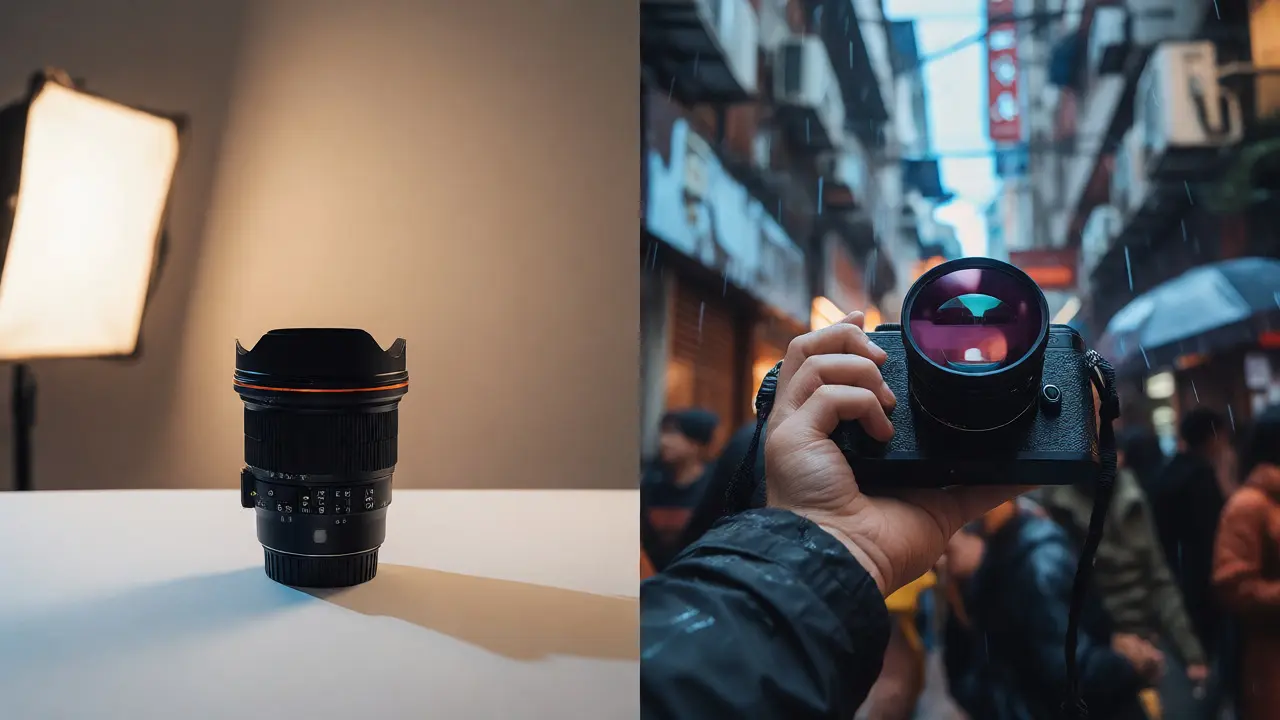
Many photographers forget the simplest form of protection: the lens hood. A proper petal-shaped or cylindrical hood does two critical jobs. First, it blocks stray light from hitting the front element at oblique angles, drastically reducing flare. Second, it acts as a physical bumper. If you drop your camera face-down, the hood usually hits the ground first, protecting the glass underneath.
Hoods are free (included with the lens) and don’t degrade image quality. In fact, they improve it by cutting glare. So why buy a filter at all? Because hoods don’t stop side impacts. If someone bumps your lens from the side, the hood offers little defense. And hoods don’t stop sand from getting into the focus ring or scratching the front element during a sandstorm.
For studio work or controlled environments, a hood is enough. For street photography in crowded cities, a hood plus a filter is a safer bet. You’re balancing convenience against risk.
Choosing the Right Filter for Your Gear
Not all filters are created equal. Buying a $15 no-name brand filter for a premium lens is a mistake. You’re paying for the coating technology, not just the shape of the glass. Look for brands known for optical integrity, such as B+W, Hoya, or Breakthrough Photography.
Check for these features:
- Multi-Coating: Essential for minimizing reflections. Single-coated filters are outdated and prone to ghosting.
- Thin Frame: Especially for wide-angle lenses (under 24mm equivalent). Thick frames cause vignetting (dark corners) in the image.
- Hydrophobic/Oleophobic Coatings: These make water bead up and oil smudges wipe off easily. This keeps your lens cleaner longer, meaning fewer wipes and less wear.
- Raised Front Thread: Some premium filters have threads that sit above the glass, allowing you to attach a cap without touching the coated surface.
If you own a wide-angle lens, verify the frame thickness. A standard 5mm thick filter might vignette on a 14mm lens. You might need a slim-profile version specifically designed for ultra-wides.
Myth-Busting: Does a Filter Always Reduce Sharpness?
This is the most common fear. With high-end, multi-coated glass, the reduction in sharpness is negligible-often imperceptible to the human eye at normal viewing sizes. Modern lenses are diffraction-limited, meaning the lens itself is the bottleneck, not the extra layer of flat glass. However, if you shoot at f/1.2 or f/1.4, even minor distortions from a filter can affect bokeh quality slightly. At smaller apertures like f/8 or f/11, the depth of field masks any minor optical inconsistencies.
Test it yourself. Take a photo of a detailed scene with and without the filter. Zoom in to 100%. If you see a difference, decide if the protection is worth that slight softening. For 95% of shooters, it isn’t visible unless you’re pixel-peeping aggressively.
Practical Scenarios: Who Needs What?
Let’s categorize this by user type to make the decision easier.
Landscape Photographers: Often skip UV filters. They prioritize maximum dynamic range and sharpness. They rely on lens hoods and careful handling. If they do use one, it’s only in extreme weather conditions like snowstorms or heavy rain, and they remove it immediately after.
Street and Travel Photographers: Highly recommended. You’re dealing with crowds, accidental bumps, and unpredictable weather. The risk of damage outweighs the tiny theoretical loss in optical perfection. Keep a high-quality protective filter on at all times.
Studio Portrait Photographers: Generally unnecessary. Controlled environment means low risk of impact or debris. Removing the filter ensures the absolute cleanest path for light through your fast primes.
Action and Wildlife Shooters: Depends on the environment. Shooting birds in a wetland? Yes, protect against mud and splashes. Shooting indoor sports? No, keep the glass clean and unobstructed.
Cleaning and Maintenance Tips
A dirty filter is worse than no filter. Smudges attract dust and reduce contrast. Use a blower bulb first to remove loose particles. Never wipe dry grit across the glass-it acts like sandpaper. Follow up with a microfiber cloth and a dedicated lens cleaning solution if needed. Avoid household cleaners; they can strip anti-reflective coatings.
Store filters in padded cases when not in use. Don’t leave them loose in a bag where they can rattle against other gear. Scratches on the filter defeat its purpose.
Do UV filters still block UV light effectively?
Yes, but it rarely matters for digital photography. Most modern digital sensors have built-in UV blocking filters. The main reason to use a UV filter today is physical protection, not spectral filtration.
Will a cheap filter ruin my expensive lens?
It won't physically ruin the lens, but it can significantly degrade image quality. Cheap filters often have poor coatings that cause flare, ghosting, and reduced sharpness. It's better to buy one high-quality filter than several cheap ones.
Can I use a UV filter on a wide-angle lens?
Yes, but you must choose a slim-frame filter. Standard-thick frames can cause vignetting (dark corners) on lenses wider than 24mm equivalent. Check manufacturer recommendations for specific lens models.
Is a lens hood enough protection?
A lens hood protects against stray light and direct frontal impacts if dropped. It does not protect against side impacts, scratches from debris, or moisture. For harsh environments, combine a hood with a protective filter.
How often should I clean my filter?
Clean it whenever you see smudges or dust that affects your images. Over-cleaning can wear down coatings. Use a blower first, then a microfiber cloth. Only use liquid cleaners for stubborn oils.
Final Verdict
There is no single right answer. If you value pristine optical performance and shoot in controlled environments, leave the filter off. If you live in the real world where accidents happen and elements are unforgiving, invest in a high-quality protective filter. It’s a small cost for significant peace of mind. Just remember: buy the best glass you can afford, or don’t bother buying one at all.