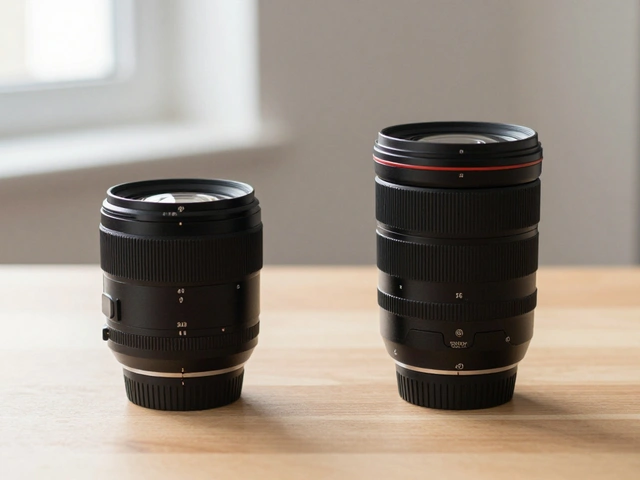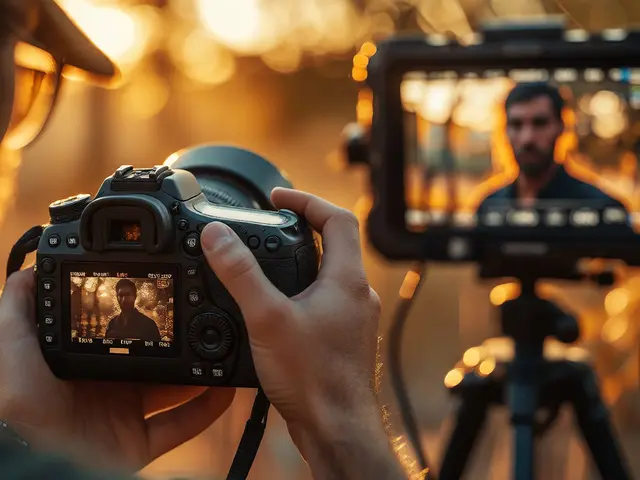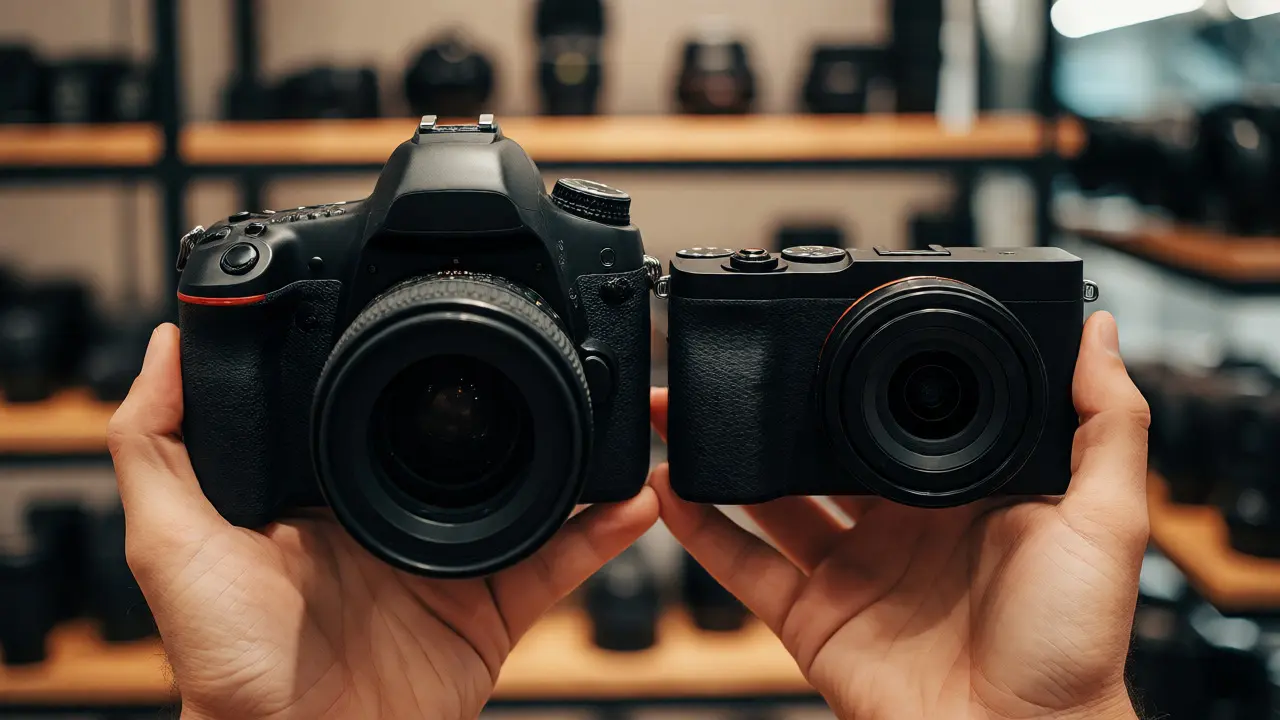
You’re standing in a camera store, staring at two shiny boxes that cost more than your first car. On one side sits a DSLR, a beast of a machine with a heavy lens and a reassuring clack when you press the shutter. On the other is a Mirrorless Camera, sleek, silent, and looking like it belongs on the bridge of a starship. You want to buy the right tool, but the salesperson is talking about sensor sizes and frame rates, and your head is spinning. Which one actually takes better photos? The honest answer is neither. They both take great photos. The real question isn’t about image quality-it’s about how you work, what you shoot, and whether you care about carrying three pounds of glass around your neck.
The debate between these two technologies has shifted dramatically since 2026. Ten years ago, choosing mirrorless was a gamble. Today, it’s the default for most new systems. But DSLRs aren’t dead; they’re just niche. Understanding the difference helps you save money and avoid buyer’s remorse. Let’s break down what’s actually happening inside those bodies and why it matters for your wallet and your back.
The Core Difference: Flipping Mirrors vs. Electronic Eyes
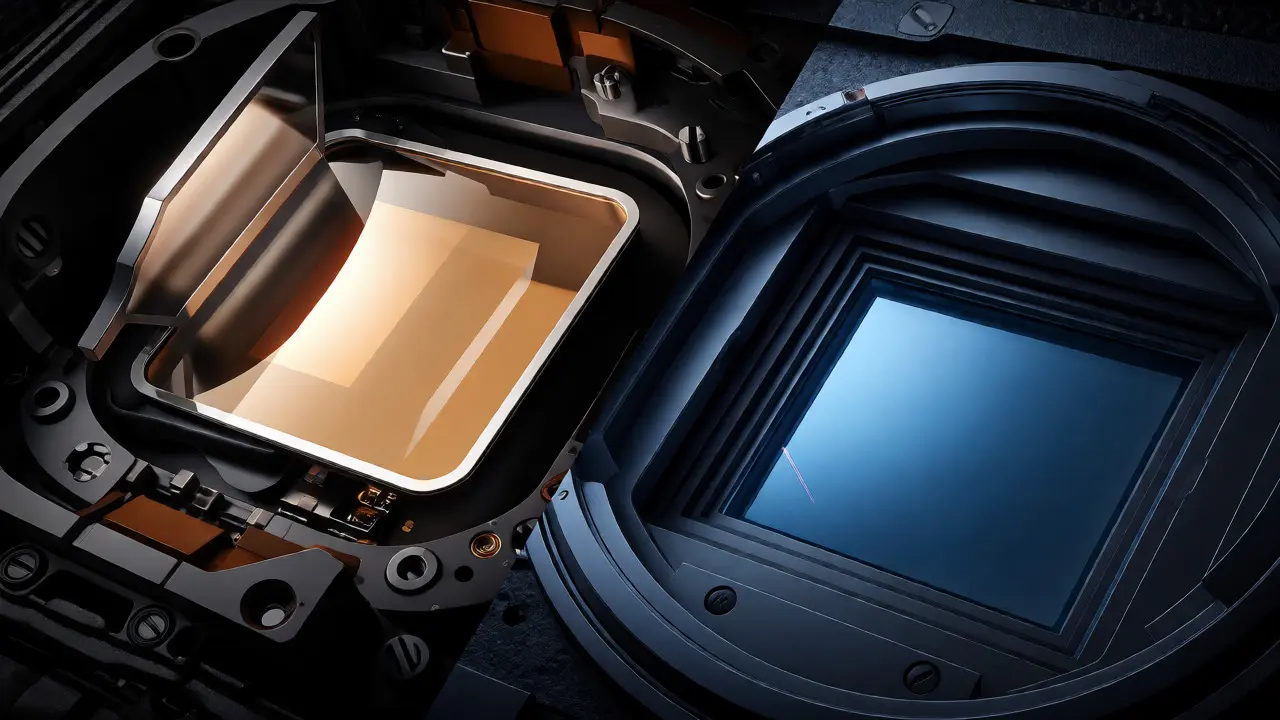
To understand the pros and cons, you need to know what’s physically different. A DSLR (Digital Single-Lens Reflex) uses a physical mirror mechanism. Light enters through the lens, hits a reflex mirror angled at 45 degrees, bounces up into a prism, and then out through the optical viewfinder (OVF). When you press the shutter button, the mirror flips up, the shutter curtain opens, and light hits the sensor directly. This is an analog process for viewing, digital for capturing.
A Mirrorless Camera does away with the mirror box entirely. Light goes straight from the lens to the image sensor. The sensor reads the light data and sends it to an electronic viewfinder (EVF) or the rear LCD screen in real-time. There is no delay caused by mechanical movement, and what you see in the viewfinder is exactly what the sensor sees. This fundamental architectural change drives every other difference in performance, size, and battery life.
Why You Might Still Love a DSLR
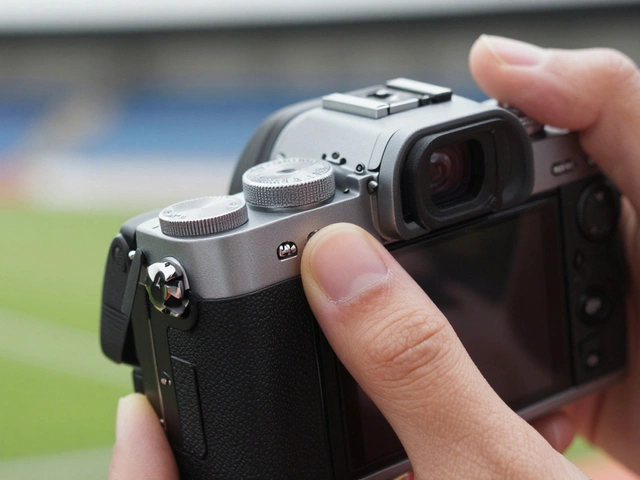
If you’re shooting sports, wildlife, or action events, you might still prefer a DSLR. Why? Because of the Optical Viewfinder. Looking through an OVF is natural. It’s zero latency, meaning there is absolutely no lag between what happens in front of you and what you see. For fast-moving subjects, this clarity is invaluable. Your eye doesn’t get tired because you’re looking at actual light, not a tiny high-resolution screen.
Battery life is another stronghold for DSLRs. Because the electronic components are only active when you’re taking pictures, a typical DSLR can shoot 1,000 to 2,500 frames per charge. Mirrorless cameras, which keep the sensor and EVF running constantly, often manage 300 to 600 shots. If you’re hiking in Alaska and can’t charge for two days, a DSLR’s efficiency is a genuine safety feature, not just a convenience.
Then there’s the lens ecosystem. While mirrorless mounts are catching up, DSLR systems (especially Canon EF and Nikon F) have decades of glass available. Used DSLR lenses are incredibly cheap. You can grab a professional-grade 70-200mm f/2.8 lens for a fraction of the price of its mirrorless counterpart. If budget is your primary constraint, buying used DSLR gear gives you more bang for your buck.
The Case for Going Mirrorless
Mirrorless cameras dominate modern photography for a reason: visibility. With an Electronic Viewfinder, you see exposure changes in real-time. If you dial down the shutter speed to blur water, you see the blur before you click. If you overexpose a sky, it looks blown out in the viewfinder. This eliminates guesswork. You spend less time checking the back of the camera and more time composing.
Autofocus technology has also leaped ahead. Modern mirrorless bodies use phase-detection pixels embedded directly on the sensor. This allows for features like Eye-Autofocus, which locks onto a subject’s eye and tracks it even if they turn their head. Try doing that reliably on an older DSLR without chimping (checking the photo) after every shot. For portrait photographers and wedding shooters, this reliability saves hours of editing time.
Size and weight are obvious factors, but don’t underestimate them. A mirrorless body is smaller, but the lenses are often larger to accommodate shorter flange distances and higher resolution demands. However, the overall kit is usually lighter. Carrying a Sony Alpha series setup versus a Canon 5D Mark IV setup makes a noticeable difference after eight hours of walking around a city. Your shoulders will thank you.
Performance Showdown: Speed and Video
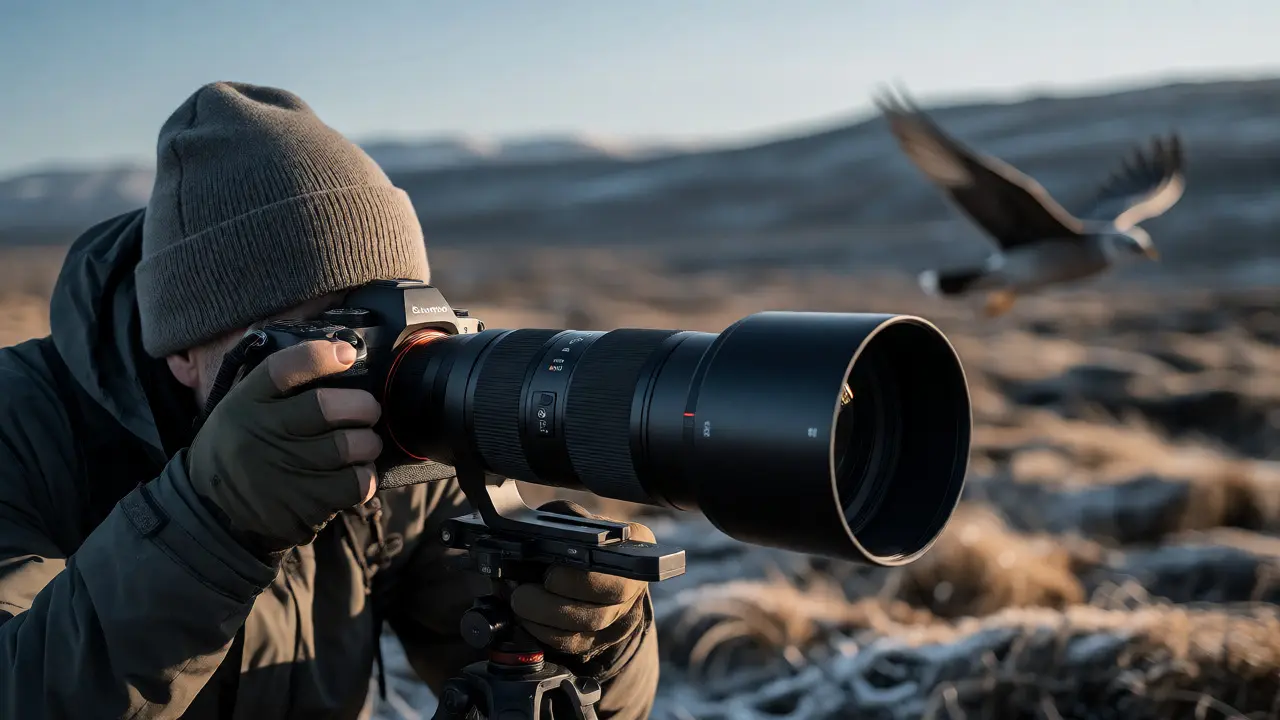
When it comes to burst shooting, mirrorless wins hands down. Without a mirror to flip up and down, the shutter mechanism can operate much faster. High-end mirrorless cameras like the Sony A9 III or Canon R3 can shoot at 30 frames per second (fps) or more with continuous autofocus tracking. DSLRs typically cap out around 10-14 fps because the mirror has to physically move each time. If you shoot birds in flight or Formula 1 cars, the mirrorless advantage is clear.
Video capabilities further tilt the scale toward mirrorless. Because the sensor is always exposed to light, mirrorless cameras handle rolling shutter distortion better and offer superior stabilization. Many mirrorless bodies include In-Body Image Stabilization (IBIS), which shifts the sensor itself to counteract hand shake. This works with any lens attached, whereas DSLRs rely on lens-based stabilization, which isn’t present in all lenses. For hybrid shooters who do both photo and video, mirrorless is the practical choice.
| Feature | DSLR | Mirrorless |
|---|---|---|
| Viewfinder Type | Optical (OVF) | Electronic (EVF) |
| Battery Life | High (1000+ shots) | Moderate (300-600 shots) |
| Size & Weight | Larger, Heavier | Smaller, Lighter |
| Autofocus Tracking | Good (Phase Detect Module) | Excellent (On-Sensor Phase Detect + AI) |
| Video Performance | Basic to Good | Superior (IBIS, 4K/8K options) |
| Lens Availability | Huge Used Market | Growing Native Selection |
Which System Should You Buy in 2026?
Here is the hard truth: manufacturers are pouring all their R&D into mirrorless. Canon stopped releasing new DSLR bodies years ago. Nikon’s Z-mount system is their future. If you buy a DSLR now, you’re buying into a legacy system. That doesn’t mean it’s bad, but it means new lenses and firmware updates will be scarce.
Buy a DSLR if:
- You have a strict budget and can buy used gear.
- You shoot primarily outdoors in bright light where OVF is superior.
- You prioritize battery life above all else.
- You already own a collection of DSLR lenses and adapters work fine for you.
Buy Mirrorless if:
- You shoot portraits, weddings, or street photography (Eye-AF is a game changer).
- You do video work alongside stills.
- You want the latest autofocus technology and AI subject detection.
- You value compactness and travel-friendly kits.
- You want to learn faster by seeing exposure results in real-time.
The Lens Factor: Don’t Forget Glass
Many beginners make the mistake of spending all their money on the body and then buying cheap kit lenses. The lens determines image quality more than the camera body. A $500 mirrorless camera with a $1,000 prime lens will outperform a $2,000 mirrorless body with a $200 zoom lens. Always allocate at least 50% of your budget to optics.
With mirrorless, short flange distances allow for wider apertures and sharper corners. Lenses like the Sigma Art series or Tamron G2 series for mirrorless mounts are optically superior to many older DSLR equivalents. If you’re switching from DSLR to mirrorless, consider using an adapter initially. Brands like Viltrox and Metabones make excellent adapters that maintain autofocus speed. This lets you keep your old glass while building a new native lens set over time.
Final Thoughts on Gear Acquisition Syndrome
Don’t let specs dictate your creativity. A phone can take award-winning photos. A ten-year-old DSLR can capture stunning landscapes. The best camera is the one you have with you and the one you know intimately. If you’re starting fresh in 2026, go mirrorless. It’s the current standard, offers better learning tools via EVFs, and ensures long-term support. If you’re upgrading from a film SLR or early digital DSLR, test drive both. Hold them. Shoot with them. See which interface feels like an extension of your eye, not a computer you have to configure.
Is mirrorless better than DSLR for beginners?
Generally, yes. Mirrorless cameras offer WYSIWYG (What You See Is What You Get) viewfinders, which help beginners understand exposure settings immediately. Features like Eye-Autofocus also reduce missed shots, boosting confidence early on.
Do mirrorless cameras have worse battery life?
Yes, typically. Mirrorless cameras consume more power because the sensor and electronic viewfinder are always active. However, newer models are improving efficiency, and you can mitigate this by carrying spare batteries or using USB-C charging.
Can I use my old DSLR lenses on a mirrorless camera?
In most cases, yes. Adapters exist for major mounts (Canon EF, Nikon F, Pentax K) that fit mirrorless bodies. Autofocus performance varies; some adapters slow down AF speed, but manual focus works perfectly.
Are DSLRs obsolete?
Not obsolete, but discontinued. Major manufacturers have stopped developing new DSLR bodies. They remain reliable tools, especially for professionals who own existing kits, but innovation is exclusively focused on mirrorless systems.
Which is better for wildlife photography?
It depends. Traditionalists prefer DSLRs for their optical viewfinders and longer battery life during long waits. However, modern high-end mirrorless cameras with stacked sensors and advanced animal-eye AF are increasingly favored for their tracking precision and burst speeds.