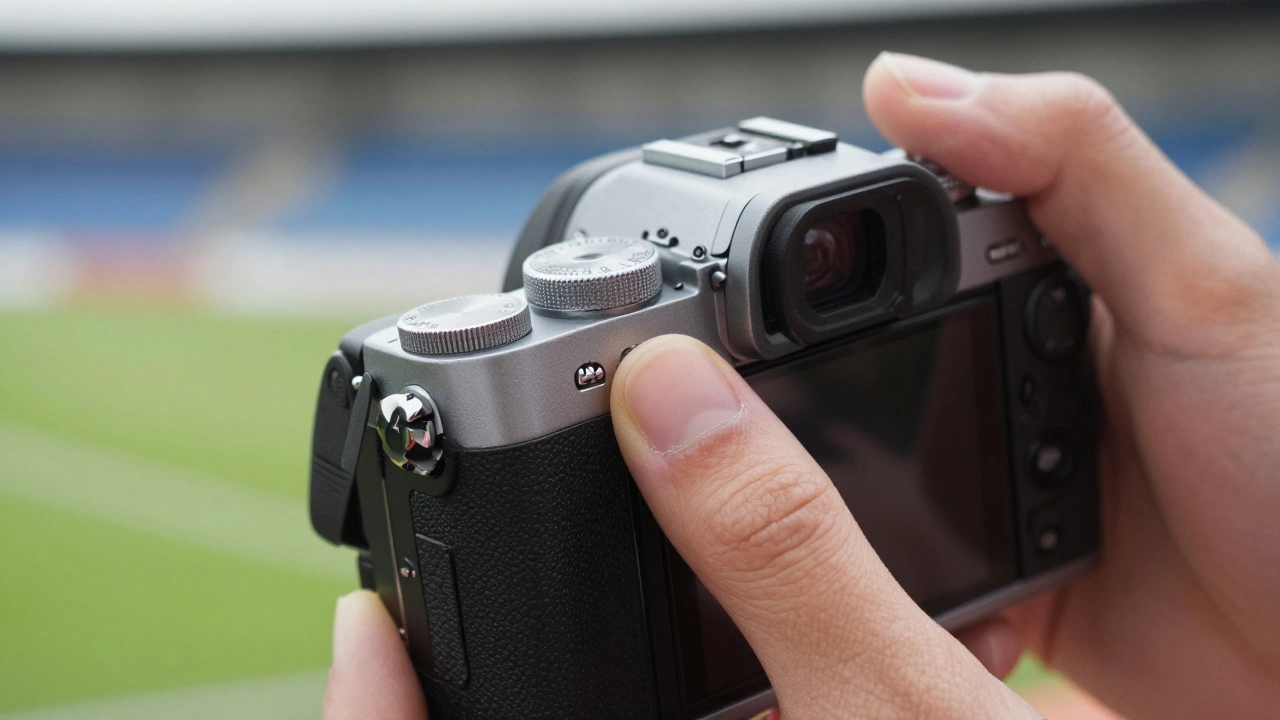
Ever feel like your camera is fighting you right when the action peaks? You've got the perfect shot lined up, but as you press the shutter, the focus jumps to a referee's shoulder or a blade of grass in the foreground. This is the classic struggle of the "half-press" shutter button. In the chaotic world of back-button focus, we stop letting the shutter button handle two jobs at once. By decoupling focusing from the actual shot, you gain a level of control that transforms how you track athletes in real-time.
Why the Shutter Button Fails in Action
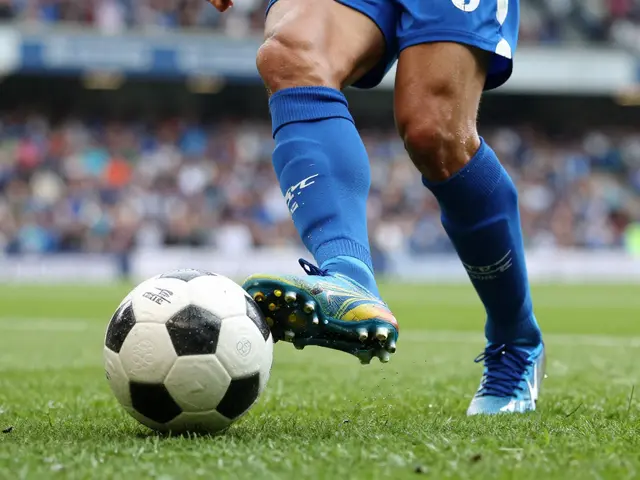
Most cameras come out of the box with autofocus tied to the shutter release. You press halfway to focus, and fully to shoot. In a static portrait, that's great. In a soccer match, it's a liability. Every time you take your finger off the shutter to reset for a new shot, the camera restarts its focus cycle. If a teammate runs between you and your subject during that half-second, the camera will lock onto the nearest object, leaving your primary athlete blurry.
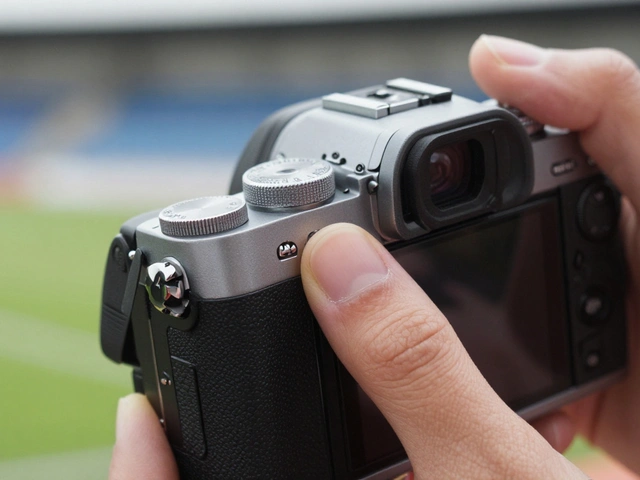
When you move focus to a rear button (usually AF-ON or a custom AEL/S button), you create a physical divide. Your thumb maintains the lock, while your index finger handles the timing. If a distraction enters the frame, you simply lift your thumb. The camera stops updating the focus, keeping the lens locked on the distance of your athlete until they clear the obstruction and you press the button again.
Setting Up for Maximum Tracking
To make this work, you can't just move the button; you need the right support settings. For sports, you want your camera in AF-C (Continuous Autofocus). Unlike single-shot focus, AF-C constantly adjusts the focus as long as the button is held down.
If you're using a system like the Sony Alpha series, pair this with a "Tracking" focus area. For most field sports, Flexible Spot: M (Medium) is the sweet spot. It's large enough to catch a moving player but small enough to avoid grabbing the background. Only drop down to Small if you're using a massive teleconverter-say, pushing your reach beyond 800mm-where a medium spot becomes too broad for the tight field of view.
| Feature | Shutter-Button AF | Back-Button Focus |
|---|---|---|
| Focus Control | Tied to shutter release | Independent thumb control |
| Handling Obstructions | Tends to "hunt" or jump | Freeze focus by lifting thumb |
| Shooting Cadence | Must re-focus between bursts | Continuous lock during bursts |
| Cognitive Load | Higher (managing two functions) | Lower (dedicated focus trigger) |
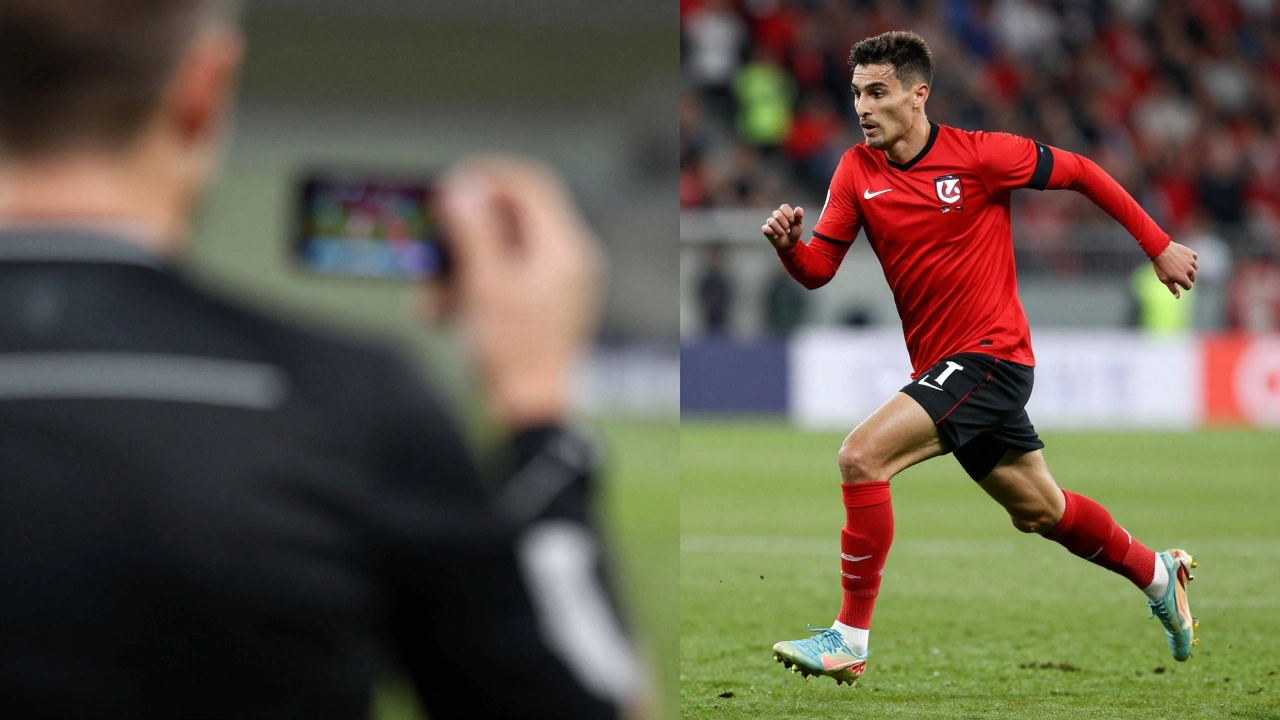
Dealing with Chaotic vs. Predictable Motion
Not every sport requires this setup. If you're shooting a horse race where the animals move in a straight line toward a finish line, traditional autofocus is often "good enough" because the movement is fluid and predictable. You can anticipate the distance and the camera can keep up.
However, the moment you move to a sport with non-fluid motion-think basketball, wrestling, or rugby-back-button focus becomes mandatory. In these environments, athletes change direction and speed instantly. Having the focus trigger under your thumb allows you to maintain a lock independently of how fast you're clicking the shutter. You aren't fighting the camera's internal logic; you are telling the camera exactly when to track.
Pro Techniques to Pair with Rear Focus
Once you've mastered the thumb-button, combine it with these field-tested habits to sharpen your results:
- Aim for the Chest: Instead of focusing solely on the eyes (which can be tiny and hard for the AF to grab at 400mm), aim for the subject's chest. Because of the depth of field, focusing on the chest usually keeps the face sharp while providing a larger, more stable target for the autofocus system.
- The Pre-Focus Lock: Don't wait for the athlete to arrive. Use your back button to lock focus on a specific patch of grass or a goal post where you expect the action to happen. When the player hits that zone, you're already locked in, eliminating the lag associated with the initial focus search.
- Keep Both Eyes Open: While your right eye is glued to the viewfinder, keep your left eye open. This gives you peripheral awareness, letting you see a defender approaching from the side so you can adjust your tracking before the obstruction actually blocks your view.
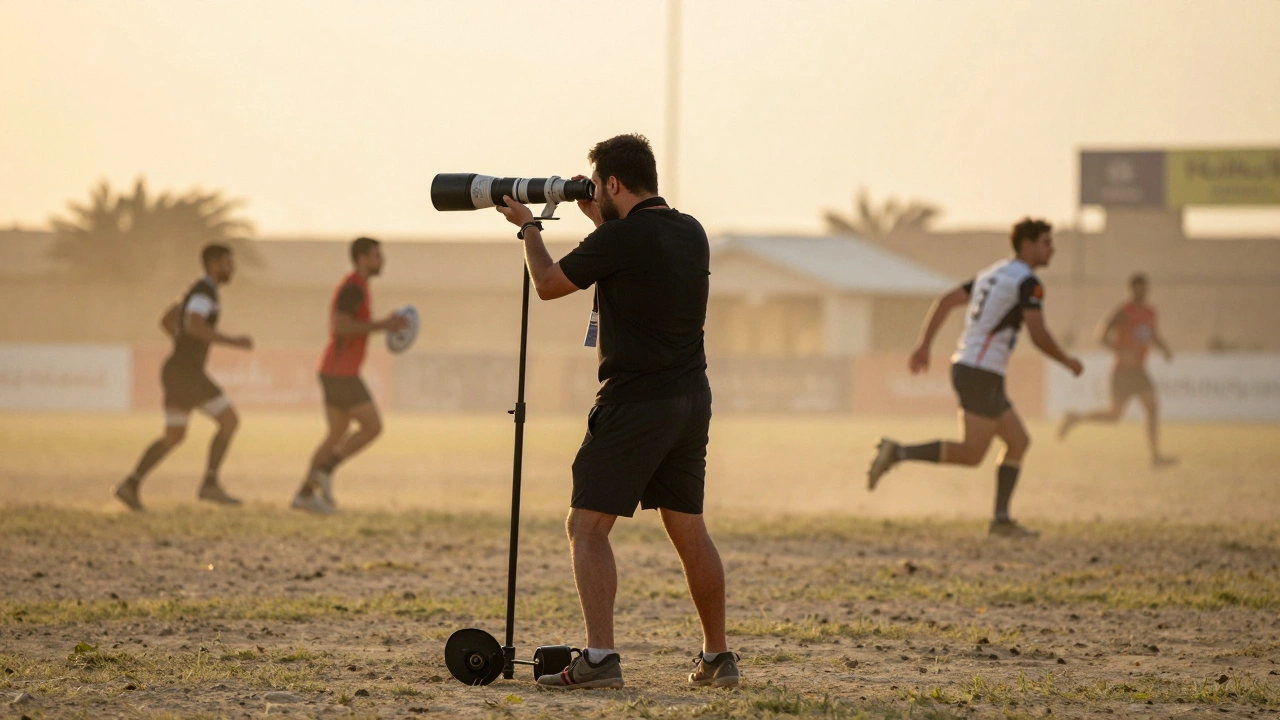
The Modern AI Conflict: Do We Still Need It?
With the rise of AI Subject Detection in the latest mirrorless cameras, some wonder if back-button focus is obsolete. These cameras can now find a human eye or a vehicle almost instantly. The answer is: no, it's still vital.
AI is great at finding the subject, but the photographer still needs to control the timing. AI can sometimes be too aggressive, switching focus to a teammate who is closer to the lens than the star player. Back-button focus gives you the override switch. You get the speed of AI subject detection with the deliberate control of a manual trigger. It's the difference between letting the car drive itself and having a high-performance steering wheel.
Will I lose the ability to use single-shot focus?
No. Back-button focus doesn't remove the different AF modes; it only changes how they are triggered. You can still switch your camera to AF-S (Single) for a static shot of a trophy or a portrait of a coach, and you'll still trigger that focus using the back button instead of the shutter.
Is there a learning curve for this technique?
Yes, it feels unnatural for the first few hours. You'll likely miss a few shots because you forgot to press the back button. The best way to learn is to spend a weekend practicing with a moving subject-like a pet or a child-until the thumb-and-finger coordination becomes muscle memory.
Can I still use the shutter button for focus if I need to?
Typically, once you assign AF to a back button, the shutter button is completely "dumbed down"-it only releases the shutter. If you want the old behavior back, you'll need to go into your camera's custom settings menu and reassign the autofocus function back to the shutter release.
Which button is best to use on the back of the camera?
Most pros use the dedicated AF-ON button if the camera has one. If not, the AEL (Auto Exposure Lock) button or the nearest custom button (like AF-C1) that sits naturally under the thumb is the best choice.
Does this work on crop sensor cameras or only full-frame?
It works on any camera that allows button remapping, regardless of sensor size. Whether you have an entry-level APS-C camera or a professional full-frame flagship, the mechanical benefit of separating focus from the shutter remains the same.
Next Steps for Your Workflow
If you've never tried this, start by diving into your camera's "Custom Settings" or "My Menu." Look for the button customization grid. Once you've mapped your focus to the back button, spend 30 minutes shooting something in motion without worrying about the photos-just focus on the tactile feel of the thumb-trigger.
If you find that your autofocus is almost there but just slightly off, try a hybrid approach. Keep your back-button AF enabled but keep your hand on the focus ring. Use the button to get the baseline lock, and then give the ring a tiny nudge to fine-tune the precision. This is a lifesaver for those critical shots where every millimeter of focus counts.