Key Takeaways
- Reach: Magnification that lets you capture detail from a safe or practical distance.
- Compression: An optical effect that makes background elements appear closer and larger.
- Wildlife Sweet Spot: 400mm to 600mm is generally the ideal range for animal work.
- Sports Versatility: 100-400mm zooms offer the best balance of speed and flexibility.
- Technical Trade-off: More reach usually means more weight and a harder time keeping images sharp.
The Magic of Lens Compression
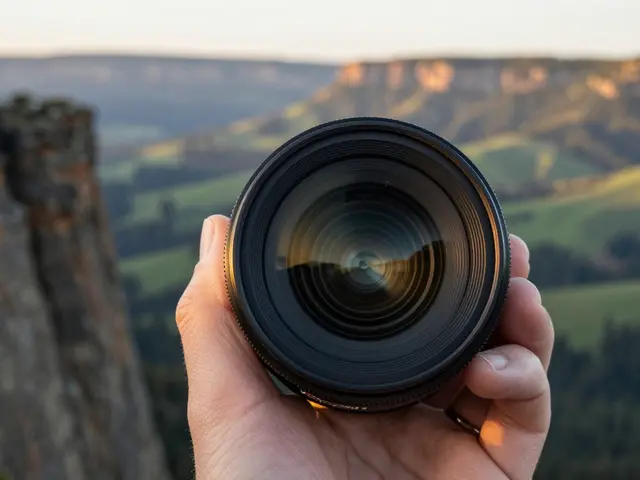
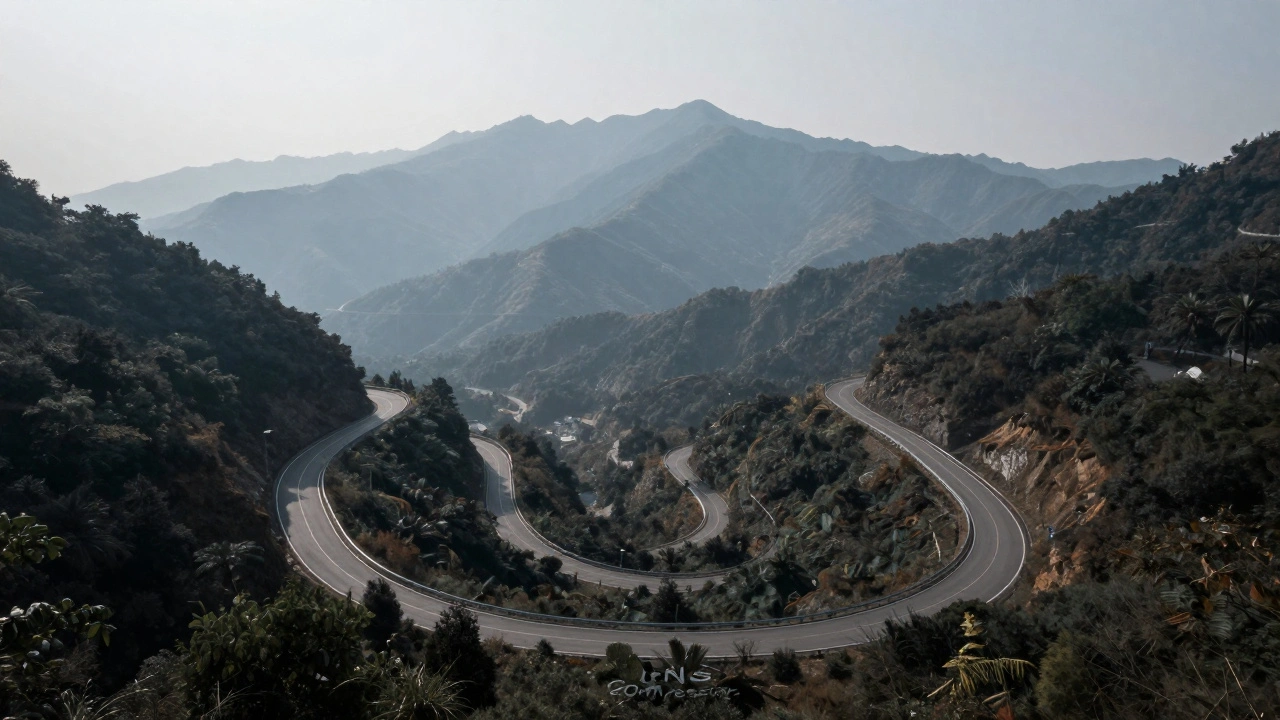
Most people think telephoto lenses are just high-powered magnifying glasses, but the real secret is Lens Compression. This isn't actually the lens 'squishing' the image, but rather a perspective shift. When you use a long focal length, the distance between your subject and the background seems to shrink. Background elements look enlarged and pushed up against your subject.
Have you ever seen a photo of a winding road where the curves look tighter and more dramatic than they do in real life? Or a mountain range where the peaks seem to tower directly behind a forest? That's compression. Our eyes don't see the world this way, which is why these images feel so striking. For a photographer, this means you can remove distracting foreground clutter and create a dense, layered look that feels intimate and intentional.
Finding Your Reach: Wildlife vs. Sports
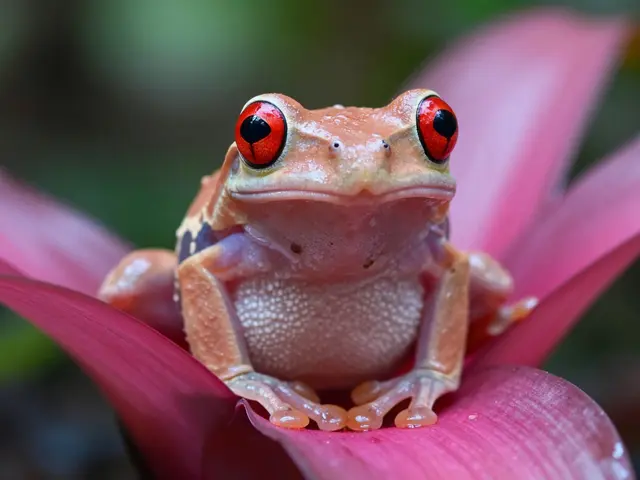
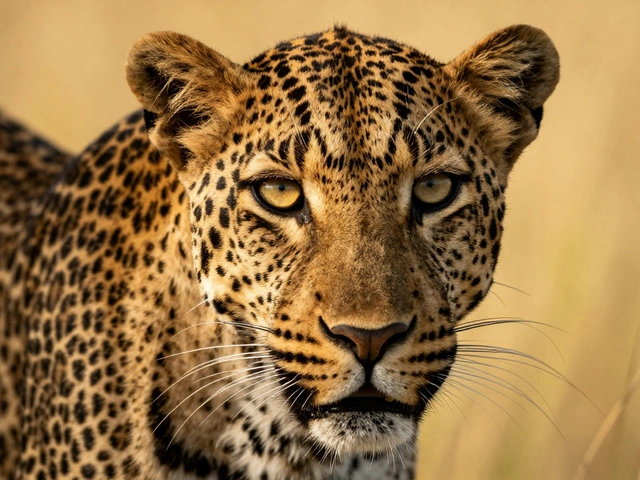
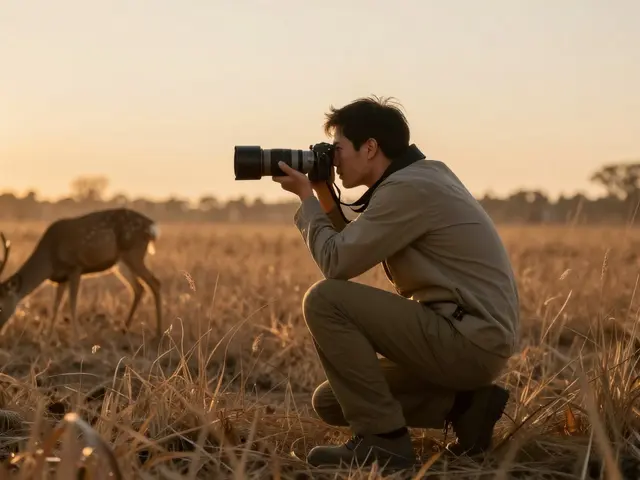
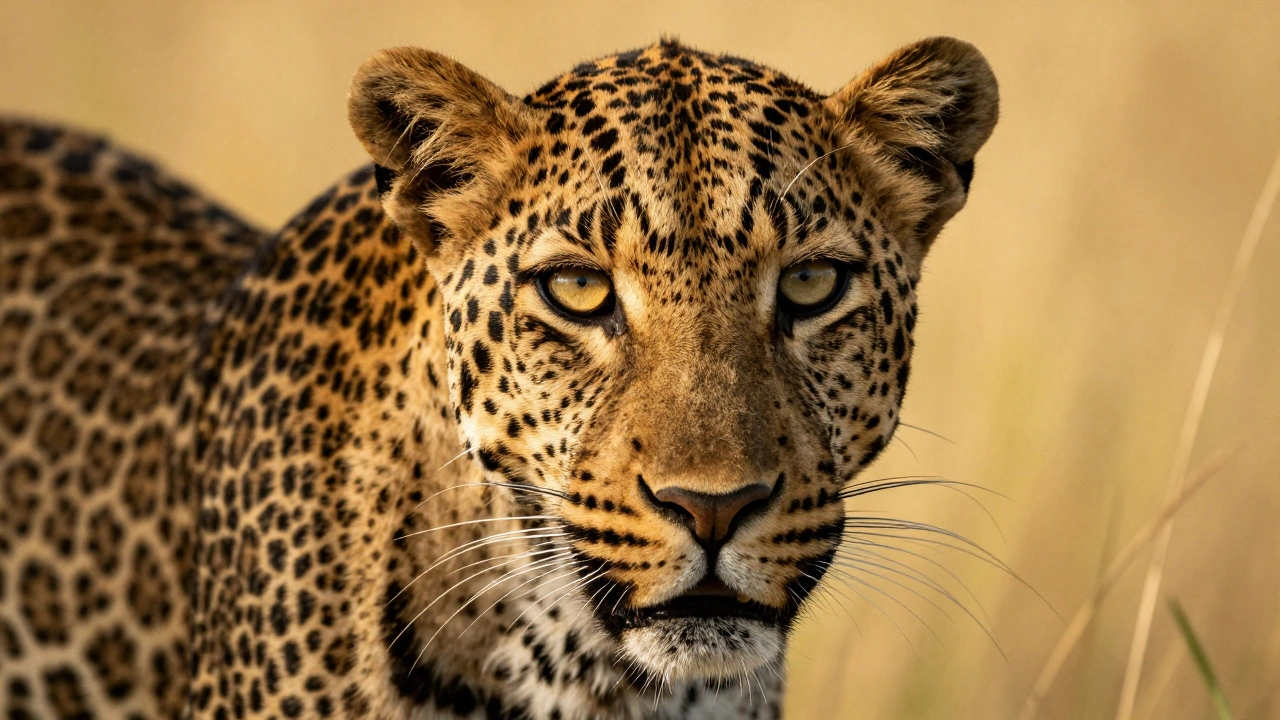
Choosing the right Focal Length depends entirely on what you're chasing. In wildlife photography, distance is everything. If you're shooting animals that aren't used to humans, you need serious reach. Generally, the effective range for high-quality wildlife work starts at 400mm (roughly 8X magnification) and goes up to 600mm (12X magnification).
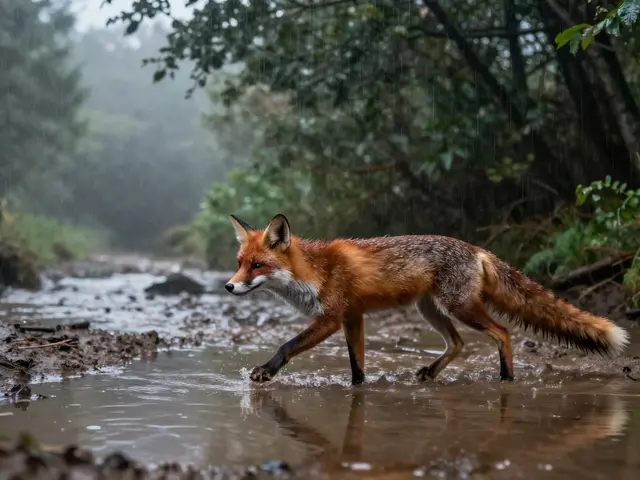
For those who want a "do-it-all" setup, a 100-400mm zoom is a lifesaver. It's light enough to carry on a hike and versatile enough to handle both a distant bird and a closer deer without the clumsy process of swapping lenses in a dusty field. However, if you're serious about small birds or elusive predators, you might move into the realm of Super Telephoto Lenses. We're talking about 600mm f/4 or 800mm f/5.6 primes. These are the big guns that capture things the human eye misses, like the individual texture of wet fur or tiny droplets of water on a leaf.
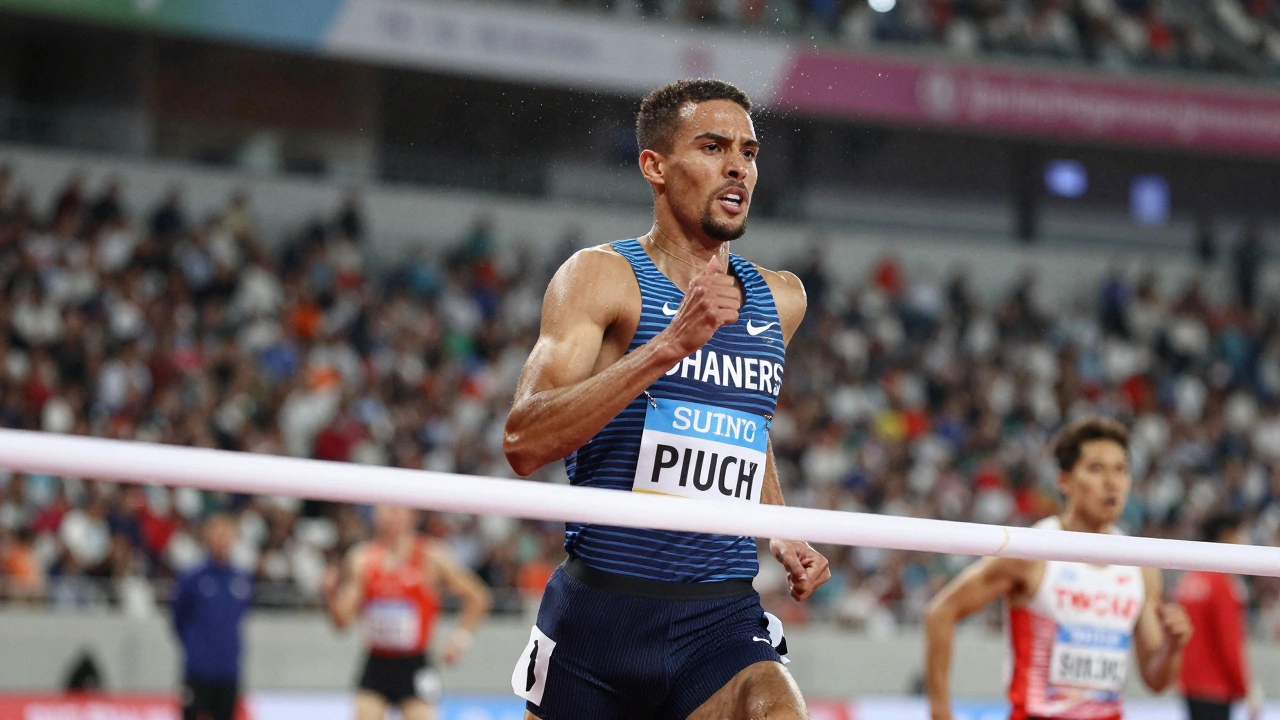
Sports photography is a slightly different beast. While you still need reach, you often need to react faster. Lenses like the Canon EF 100-400mm f/4.5-5.6L IS II USM or the Nikon Z 100-400mm f/4.5-5.6 VR S are industry favorites because they provide enough reach for most sidelines while remaining manageable during a fast-paced game.
| Lens Type | Typical Range | Best For | Main Advantage |
|---|---|---|---|
| Mid-Telephoto Zoom | 100-400mm | Sports, General Wildlife | Versatility & Weight |
| Super Telephoto Prime | 600mm+ | Birding, Rare Wildlife | Maximum Detail & Reach |
| Portrait Telephoto | 85-135mm | People, Headshots | Flattering Compression |
The Battle Against Shake and Blur
Here is the hard truth: the more reach you have, the harder it is to get a sharp photo. Every tiny shake of your hand is magnified by that long focal length. If you're hand-holding a 600mm lens, the image will dance across your viewfinder. To fight this, you need to be aggressive with your shutter speed. Don't just stick to the "1/focal length" rule; go faster.
Another trick is managing your aperture. While a wide-open aperture gives you that beautiful, creamy Bokeh (the soft blur in the background), it also makes your depth of field incredibly thin. If your focus is off by just a few centimeters, the animal's eyes might be blurry while its ear is sharp. Using a midrange aperture can give you a slightly wider safety net for focus without sacrificing that professional background separation.
Beyond the Zoo: Landscapes and Portraits
Don't pigeonhole these lenses into just animals and athletes. Telephotos are a secret weapon for landscape photographers. Instead of trying to capture a whole valley with a wide-angle lens, try "picking out" a specific detail-a lone tree on a ridge or a series of overlapping hills. The compression makes those layers feel like a painting, removing the "empty air" that often plagues wide shots.
In portraiture, a telephoto lens is your best friend for making people look their best. Wide lenses can distort faces, making noses look larger if you're too close. A lens in the 85mm to 135mm range flattens the features naturally and pushes the background away, making the subject pop. It creates a visual isolation that feels high-end and polished.
Practical Field Tips for Better Shots
If you're heading out to a waterhole or a stadium, keep these rules of thumb in mind:
- Prioritize Behavior: Use your reach to stay back. Animals act naturally when they don't know you're there. The goal is to be an observer, not a participant.
- Embrace the Haze: Compression looks incredible in misty or hazy conditions. It adds a sense of atmospheric depth that you just can't get with a 35mm lens.
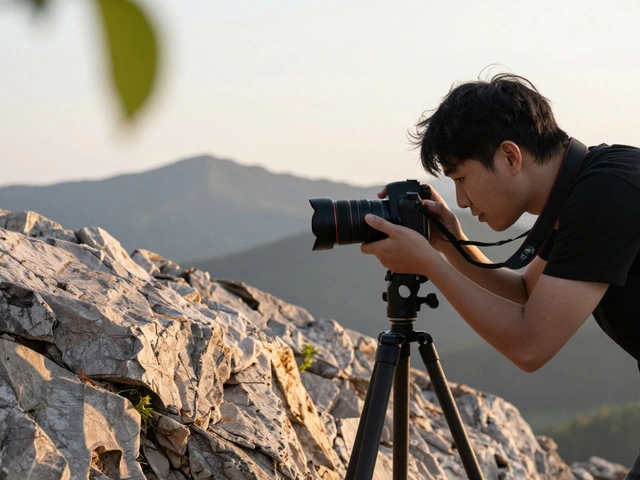
- Check Your Balance: If you're using a super telephoto, invest in a good monopod. It takes the weight off your arms and stabilizes the lens enough to keep your shots tack-sharp.
- Watch the Background: Because the background is compressed and enlarged, a random telephone pole or a bright white fence will be much more distracting than it would be on a wide lens. Move a few steps to the left or right to clean up your frame.
Is 400mm enough for bird photography?
For many birds, 400mm is a great starting point, especially if you have a crop-sensor camera that increases the effective reach. However, for small, skittish songbirds, you'll often wish you had 600mm or more to fill the frame without scaring the bird away.
Do I need a tripod for telephoto lenses?
While not strictly required for shorter telephotos (like 70-200mm), once you hit 400mm and beyond, a tripod or monopod becomes almost essential. The weight of the lens causes natural body sway, which leads to motion blur unless you're using an incredibly fast shutter speed.
What is the difference between a prime and a zoom telephoto?
A prime lens has one fixed focal length (e.g., 600mm), which usually results in better image quality, wider apertures for low light, and lighter weight for that specific reach. A zoom lens (e.g., 100-400mm) gives you flexibility to frame your shot quickly without moving your body.
Does a telephoto lens always have a shallow depth of field?
Generally, yes. Long focal lengths naturally create a shallower depth of field. However, if your subject is very far away, the depth of field actually increases. The "blurry background" effect is most pronounced when your subject is relatively close to you but the background is far behind them.
Can I use a telephoto lens for portraits?
Absolutely. Telephotos are preferred for portraits because they avoid the distortion seen in wide lenses and provide a flattering compression that makes facial features look more natural while beautifully isolating the subject from the background.
Next Steps for Your Gear Setup
If you're just starting out, don't rush into buying a massive 600mm prime. Start with a versatile zoom like a 70-300mm or 100-400mm to figure out if you actually enjoy the process of tracking distant subjects. Once you find yourself constantly zooming to the max and wishing for more, that's your signal to upgrade to a super telephoto.
For those already owning long glass, practice your "panning" technique-moving the camera at the same speed as a running animal or athlete. This allows you to use a slower shutter speed to blur the background while keeping the subject sharp, adding a sense of speed and motion that a frozen shot just can't capture.