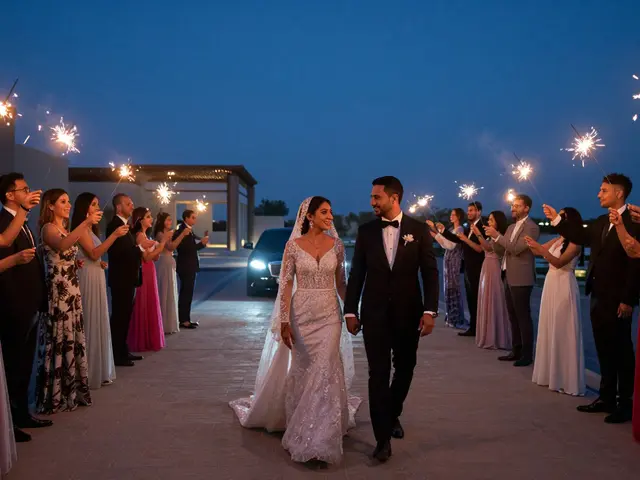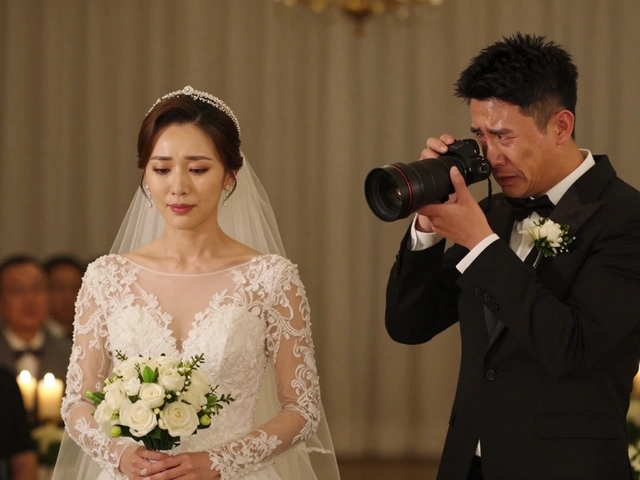
When you think of a wedding photographer, you picture one person behind the camera, capturing every tear, laugh, and kiss. But the truth? Most professional wedding galleries you love were shot by two people. That second photographer isn’t just an extra pair of hands-they’re the secret weapon that turns good coverage into unforgettable storytelling.
What a Second Shooter Actually Does
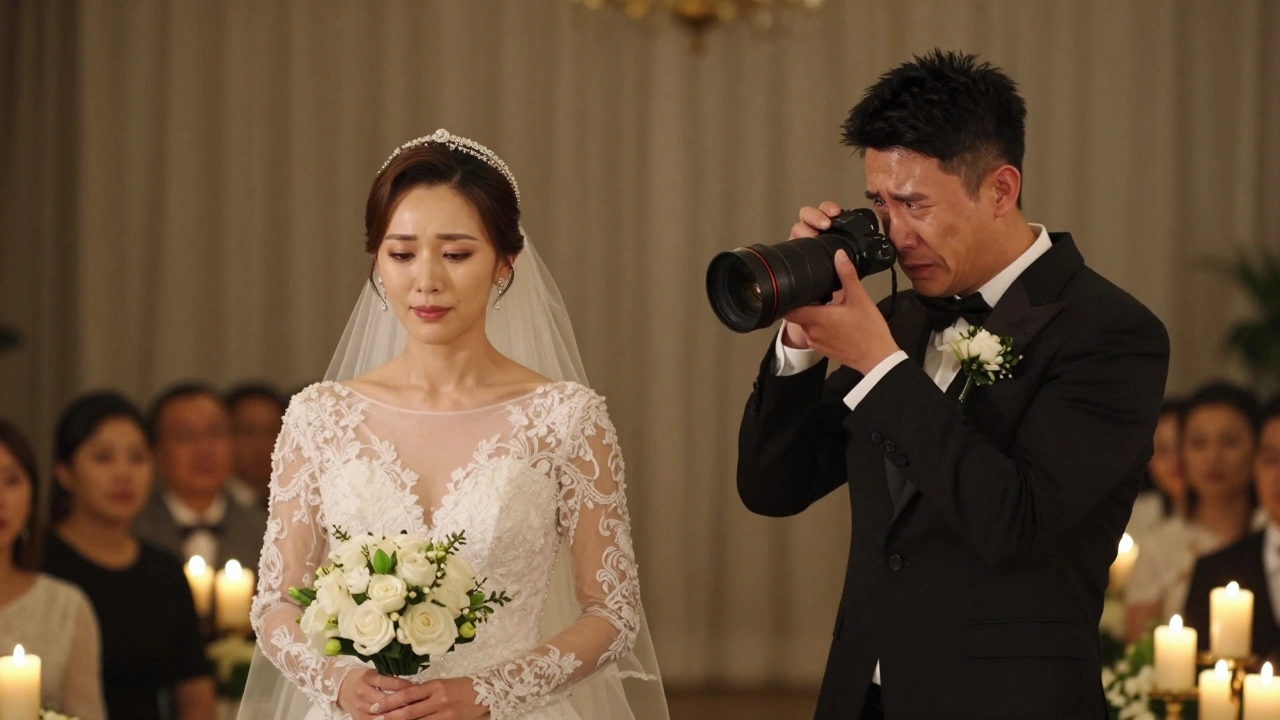
A second shooter doesn’t copy the lead photographer. They don’t try to take the same shots. Their whole job is to fill in the gaps the lead photographer can’t see. While the lead is focused on the bride walking down the aisle, the second shooter is capturing the groom’s face-wide-eyed, trembling, grinning like he just won the lottery. While the lead is directing the couple’s first kiss, the second shooter is catching the mom in the third row wiping her eyes with a tissue.
This isn’t about taking more pictures. It’s about taking the right ones. The lead photographer is locked into the main narrative: the couple’s journey. The second shooter handles the emotional side notes-the quiet moments between guests, the flower girl tripping over her dress and laughing, the grandfather hugging his grandson with a shaky hand. These are the images that make couples say, “I didn’t even know that happened.”
Robb McCormick, a leading voice in wedding photography, says it best: “Your job isn’t to match the lead-it’s to make them look even better.” That’s the mindset. You’re not competing. You’re completing.
Communication: The Glue That Holds It All Together
Imagine two people trying to dance without ever talking. That’s what a wedding day looks like without communication between lead and second shooter.
Before the ceremony, sync your cameras. Not just the time stamp-sync your white balance, your file format (RAW is non-negotiable), and your exposure settings. If the lead is shooting at f/2.8, ISO 400, 1/200s, you better be too. Otherwise, editing becomes a nightmare. Elyana Photography says it plainly: “If your cameras aren’t synced, you’re making more work for everyone.”
During the day, stay aware. Know where the lead is. Know what they’re shooting. You shouldn’t have to ask, “What are you doing now?”-you should just know. If they’re on the left side of the altar, you’re on the right. If they’re shooting wide with a 24mm, you’re pulling in with an 85mm. If they’re focused on the couple’s hands exchanging rings, you’re scanning the crowd for reactions.
Simple check-ins work wonders. A quick nod. A thumbs-up. A whispered, “I’ve got the groom’s mom.” That’s all it takes. The smoother the communication, the more the lead photographer trusts you-and the more likely they are to hire you again.
Equipment: Be Ready Before the Day Starts
You’re not borrowing gear. You’re bringing your own. Full kit. Two camera bodies. Fast primes: 35mm, 50mm, 85mm. A 70-200mm for distant reactions. A flash. Spare batteries. At least three memory cards. You don’t want to be the one who runs out of power during the first dance.
Know your gear inside out. If you have to fumble with a dial during the ceremony, you’ve already failed. Practice changing settings blindfolded. Know how to switch from manual to aperture priority in under two seconds. If you’re unsure about your settings, you’re not ready.
And don’t assume the lead photographer will tell you what to bring. Ask. Some expect you to have a full setup. Others might have extra flashes or lenses you can borrow. But never show up underprepared. Being ready isn’t optional-it’s professional.
Coverage by Phase: What to Shoot When
Getting Ready
This is your golden hour for candid emotion. The groom’s hands shaking as he ties his tie. The bride’s sister whispering, “You look perfect.” The little details: a handwritten note tucked into the bouquet, the perfume bottle on the vanity, the cufflinks laid out like tiny medals.
Don’t just shoot head-on. Get creative. Use mirrors. Shoot through doorframes. Capture reflections. If the lead is focused on the bride’s face, you shoot the back of her head as she looks in the mirror. If they’re doing a close-up of her earrings, you go wide and show the whole room-the chaos, the laughter, the pile of shoes by the door.
Ceremony
Position yourself opposite the lead. If they’re at the front, you’re at the back. If they’re on the left, you’re on the right. Never block their shot. Never appear in their frame. A stray arm or a flash in the background? That’s a rejected image.
Scan for emotion. Watch the parents. Watch the grandparents. Watch the flower girl’s little sister staring wide-eyed at the bride. Shoot through candles. Shoot through petals. Shoot through pews. Depth matters. A photo of a tear rolling down a father’s cheek? That’s a keeper. But only if you’re looking for it.
And never, ever move during vows. Stay still. Stay quiet. Let the lead photographer have their moment. You’re there to capture what they can’t see.
Couple Portraits
Here’s where you earn your keep. While the lead is directing poses, you’re capturing the in-between. The laugh that breaks after a serious shot. The way the groom tugs his tie when he thinks no one’s looking. The bride stealing a glance at him before the camera clicks.
Switch lenses. If the lead is using an 85mm, you use a 35mm. If they’re shooting full-body, you go tight. If they’re focused on the couple, you shoot their hands, their shoes, the way their rings catch the light. You’re not duplicating-you’re deepening.
Family Formals
This is where the second shooter becomes the wrangler. When the lead is organizing the group, you’re grabbing the aunt who wandered off. You’re fixing a crooked tie. You’re telling the uncle to stop holding his beer. You’re making sure everyone’s in the shot.
Then you shoot the gaps. While the lead is capturing the big group, you’re getting tight verticals of the wedding party. You’re catching the bride and her dad in a private hug. You’re snapping the grandparents holding hands, smiling, not looking at the camera.
And always, always shoot RAW. No exceptions. You’ll need the flexibility later.
Cocktail Hour
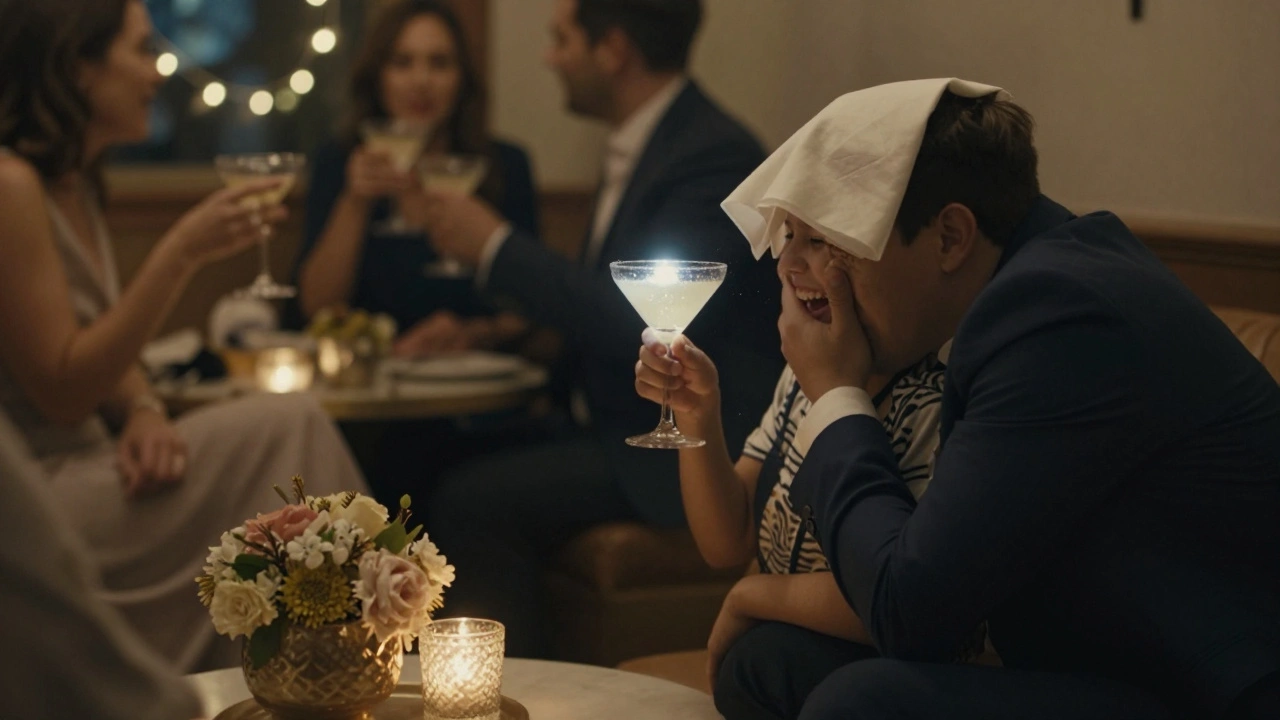
This is your chance to document the party. Not the staged shots. The real ones. The guests clinking glasses. The best man telling a story that makes everyone roar. The little kid running through the room with a napkin on their head.
But watch your lighting. Don’t catch someone mid-bite. Don’t shoot plates of food. Focus on expressions. Hugs. Laughter. The way the light hits the cocktail glasses. Details matter: the napkin fold, the floral centerpiece, the sign that says “First Dance at 8.”
Reception
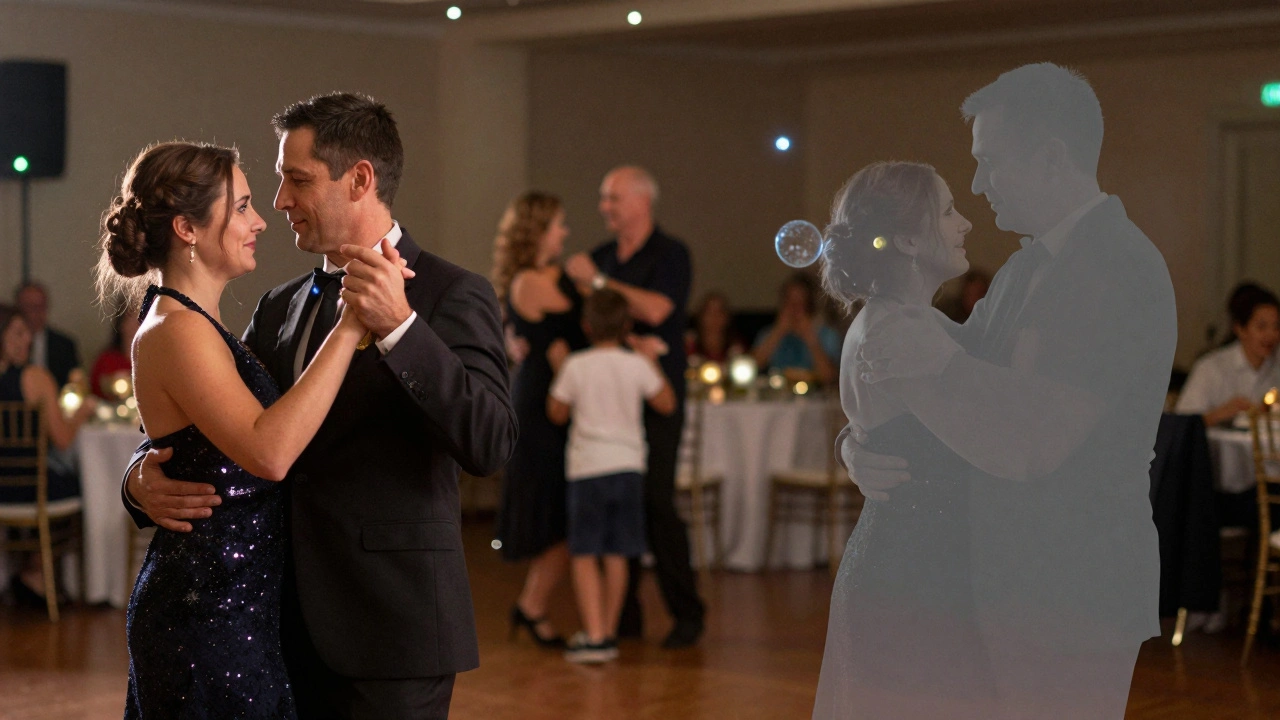
When the lead is shooting the first dance, you’re shooting the parents dancing with their kids. When the lead is capturing the cake cutting, you’re shooting the cake topper, the crumbs on the table, the waiter smiling as he wipes his hands.
Anticipate. When the bouquet toss starts, you’re already halfway to the back of the room. When the garter toss happens, you’re ready with a telephoto. You don’t wait for the moment-you’re already there.
Professional Conduct: It’s Not Just About the Photos
You’re not just a photographer. You’re part of the team. Dress appropriately. Arrive 15 minutes early. Be quiet during vows. Don’t hog the spotlight. Don’t post your shots before the lead delivers the gallery.
That last one? Non-negotiable. The couple doesn’t want to see your version of their wedding before they’ve seen the full story. Posting early breaks trust. It undermines the lead photographer’s brand. It ruins the moment.
After the wedding, upload your cards within 48 hours. Don’t edit. Don’t cull. Don’t rename files. Just send them as-is. Let the lead photographer do their job. And when you do post, tag them. Thank them. Thank the couple. Be a good human.
Why This Matters
A wedding isn’t a series of posed shots. It’s a story. And stories need multiple perspectives. The lead photographer tells the main plot. The second shooter adds the subplots-the quiet, messy, beautiful moments that make a wedding feel alive.
This isn’t about having more photos. It’s about having the right ones. The ones that make the couple cry when they see them months later. The ones they’ll frame. The ones they’ll show their kids.
Being a second shooter isn’t a side gig. It’s a craft. It takes skill. It takes humility. It takes knowing when to step back-and when to jump in. And when you do it right? You don’t just help the lead photographer. You help the couple remember their day the way it truly felt.
Do I need two photographers for my wedding?
You don’t absolutely need two, but if you want full coverage of your wedding day-especially the emotional, candid moments you didn’t even notice-you’ll regret not having a second shooter. Most professional wedding galleries you see online were shot by two photographers. One person simply can’t be in two places at once. A second shooter captures the groom’s reaction during the ceremony, the parents’ tears during vows, and the little details you’ll forget. It’s not about quantity-it’s about depth.
How do I find a good second shooter?
Look for someone who already works with photographers you admire. Ask your lead photographer who they trust. A good second shooter doesn’t have flashy social media-they have consistency, reliability, and a quiet professionalism. Check their portfolio for variety: do they capture emotion? Do they shoot different angles? Do their images look like they belong in the same gallery? Avoid anyone who seems more interested in showing off their own style than supporting the lead.
Can a second shooter become a lead photographer later?
Absolutely. Many top wedding photographers started as second shooters. Working alongside experienced leads gives you an education you can’t get in a class. You learn pacing, lighting, client interaction, and how to handle chaos-all while watching how the pros manage pressure. The best second shooters aren’t just technicians-they’re storytellers in training. The relationships you build often lead to referrals, assistant gigs, and eventually, your own bookings.
What if I’m the second shooter and I see a better shot than the lead?
You still don’t take it. Your job isn’t to outshine the lead-it’s to complement them. If you see a moment the lead missed, quietly adjust and capture it. Don’t call attention to it. Don’t move into their frame. If you’re unsure, wait until after the moment passes and gently mention it: “I got a shot of the dad hugging his daughter after the vows-thought you might want it.” The lead will appreciate your awareness, not your competition.
How long should I wait to deliver my images?
Within 24 to 48 hours after the wedding. Upload your raw files-no editing, no renaming, no culling. Send them to the lead photographer exactly as they came off the card. This gives them full control over the final gallery. If you edit or delete images before they see them, you’re overstepping. The lead chooses what makes the cut. Your job is to deliver the raw material, not make decisions for them.
Should I bring my own lighting gear?
Yes. Always. A speedlight, at least one spare battery, and a diffuser. Even if the lead says they’ve got it covered, you never know when the reception room goes dark or the lighting changes unexpectedly. Being prepared means you can adapt on the fly. And if the lead does have extra gear, ask politely. But never assume. Bring your own, and you’ll always be ready.