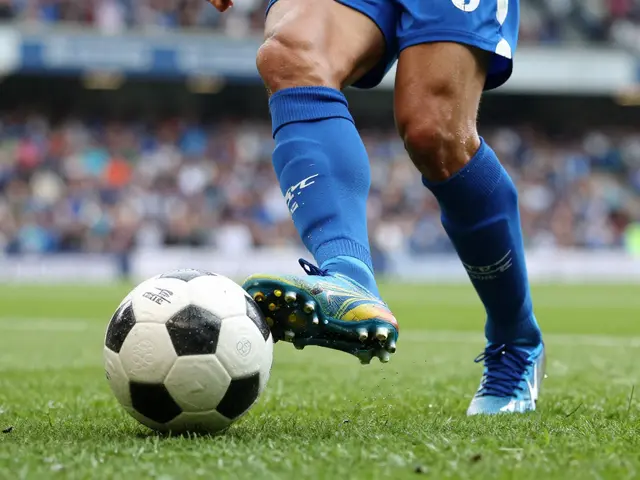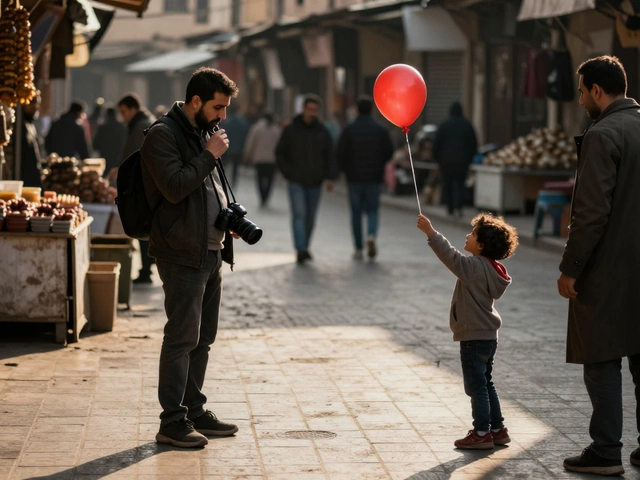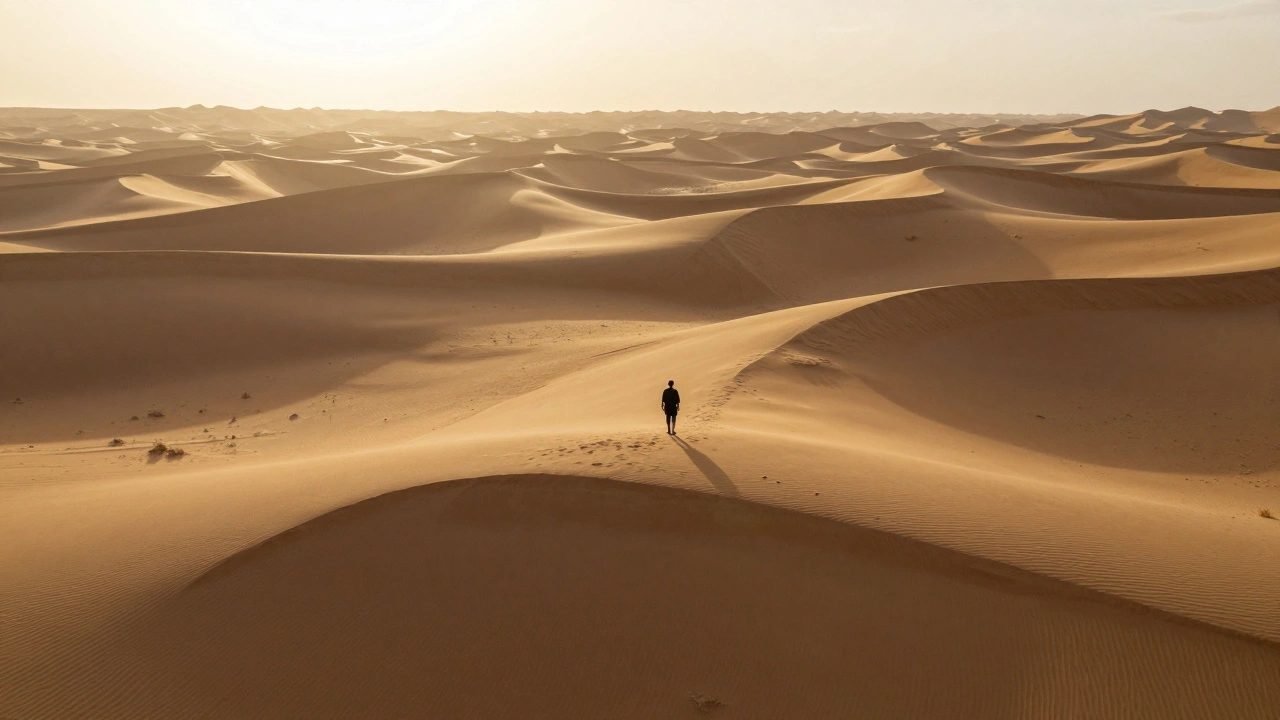
Have you ever looked at a photo and felt something-awe, fear, intimacy, insignificance-without knowing why? It’s not just the subject. It’s the camera angle. The position of your camera isn’t just a technical choice. It’s a storytelling tool that rewrites the meaning of everything in front of you. A person standing tall can look like a giant or a child depending on where you stand. A building can feel overwhelming or insignificant. The same scene, shot from three feet higher or lower, tells a completely different story.
Why Camera Angle Matters More Than You Think
Most beginners shoot at eye level because it’s comfortable. You stand up, raise the camera, and click. But that’s the least interesting angle you can take. Human eyes are used to seeing the world from about five to six feet off the ground. When you shoot from that height, you’re just recording what everyone already sees. You’re not telling a story-you’re documenting it. The real power of photography comes when you break that normal view. When you shoot from below, above, or sideways, you force the viewer to see the world differently. That shift in perspective changes emotion, power, and meaning. A low angle doesn’t just make someone look taller-it makes them feel untouchable. A high angle doesn’t just show more ground-it makes the subject feel small, alone, or vulnerable.The Five Camera Angles That Change Everything
There are five core angles that every photographer should master. Each one does something different to the viewer’s brain.- Eye-level shot: The camera is at the same height as the subject’s eyes. This creates connection. In portraits, it’s the most intimate angle. You’re not looking down on someone. You’re not looking up. You’re facing them. It’s the angle of equality. Use it when you want the viewer to feel close to the subject-whether it’s a child laughing, a street musician, or a partner looking into the lens.
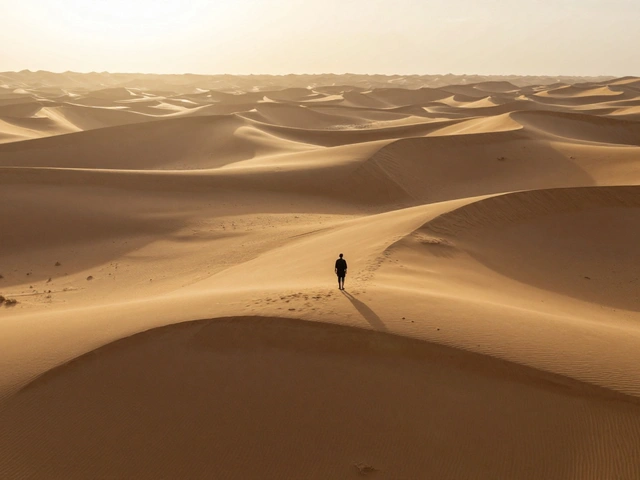
- High angle shot: The camera is above the subject, looking down at roughly a 45-degree angle. This makes the subject appear smaller. It’s perfect for showing context-like a lone figure in a vast landscape, or a person surrounded by chaos in a busy city. High angles work well in street photography and landscapes because they show scale. You’re not just seeing the person. You’re seeing where they are.
- Bird’s-eye view: This is the extreme version of the high angle. The camera is directly overhead. Think drone shots, or shooting from a balcony, ladder, or bridge. It turns people into shapes, streets into patterns, and buildings into geometric designs. This angle removes emotion and adds abstraction. It’s great for showing structure, flow, or isolation. A crowd becomes a mosaic. A car park becomes a grid.
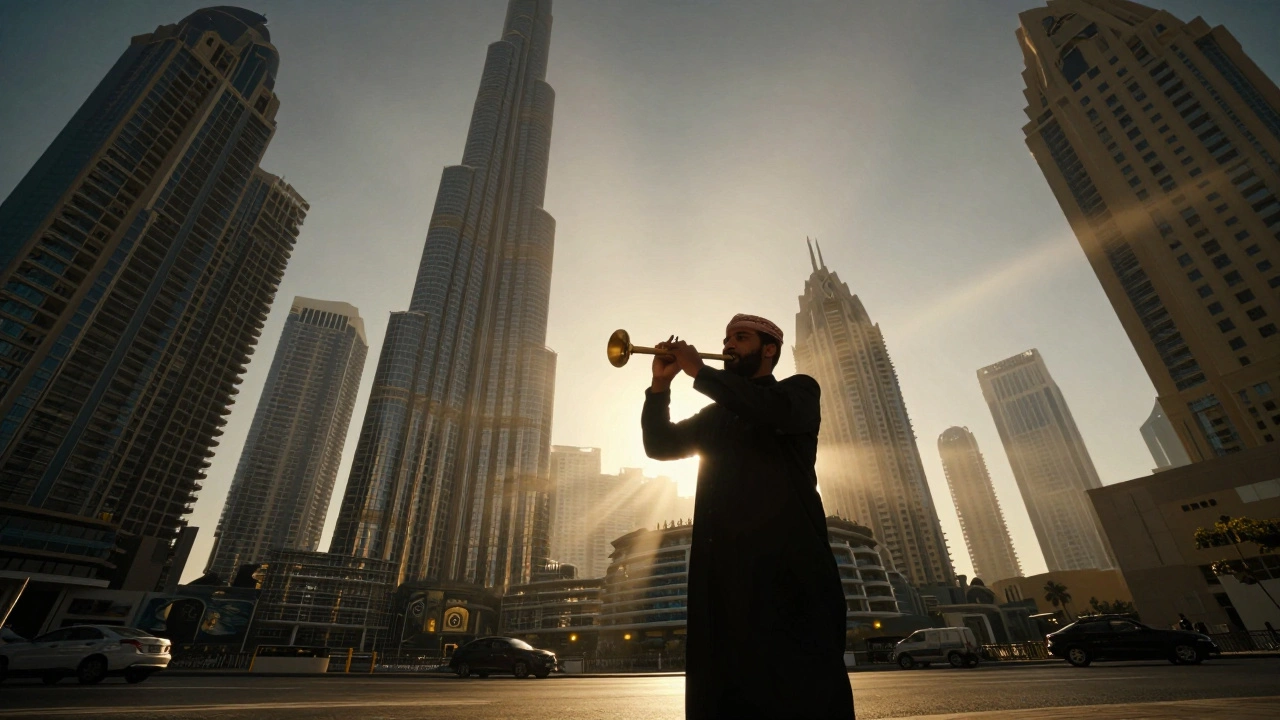
- Low angle shot: The camera is below the subject, looking up. This is where things get powerful. A person shot from below looks dominant, heroic, or threatening. A tree becomes a towering giant. A building feels like it’s about to fall on you. This angle is used in superhero films for a reason-it makes the subject feel larger than life. Use it when you want to give weight to your subject. A skateboarder mid-air. A statue in a cathedral. A mother holding her child. Low angles make them feel unstoppable.
- Worm’s-eye view: This is the low angle taken from ground level, often with the camera almost touching the earth. It’s the view of a bug, a pet, or a child. It’s rare, unexpected, and startling. When you shoot this way, the sky becomes a wall. The subject looms over you. It’s perfect for emphasizing height, power, or surrealism. A lamppost becomes a skyscraper. A flower tower rises like a monument.
When to Use Tilted Angles (Dutch Angles)
Then there’s the Dutch angle-when you tilt the camera sideways. The horizon isn’t level. The world looks off-kilter. This isn’t about showing height or depth. It’s about tension. A tilted shot says: something is wrong. It’s used in thrillers, horror, and street photography to create unease. A person standing calmly in a Dutch angle feels trapped. A city skyline at an angle feels unstable. It breaks the rules, and that’s the point. Don’t overuse it. One tilted shot in a series can be powerful. Ten in a row feels gimmicky.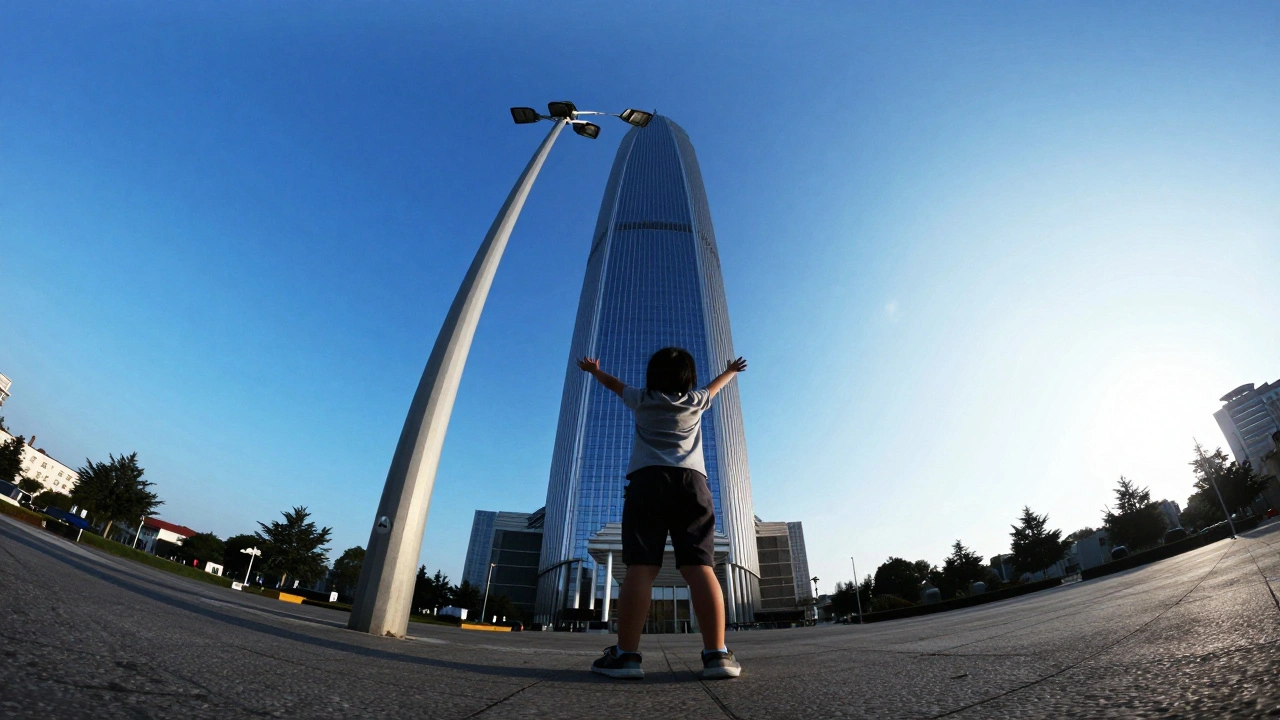
How Lenses Work With Angles
Your lens doesn’t just change what you see-it changes how you feel about it. A wide-angle lens (14mm-35mm) stretches space. When you combine it with a low angle, the subject explodes in size. The ground rushes toward you. The sky stretches behind. It’s dramatic. Use it for architecture, action shots, or when you want to feel immersed in the scene. A telephoto lens (70mm-200mm+) does the opposite. It compresses space. Things that are far away look closer. When you shoot a high angle with a telephoto, the background collapses into the subject. A person on a rooftop looks like they’re standing on top of the whole city. No wide-open space. Just them and the skyline. It’s intimate, even from far away. A 50mm lens-close to human vision-works best for eye-level shots. It’s neutral. It doesn’t exaggerate. It just shows things as they are. Sometimes that’s exactly what you need.Genre-Specific Angles That Work
Different types of photography need different angles.- Portraits: Start with eye-level. Then try low angles for confidence or drama. A high angle can make someone look delicate or lost-useful for emotional storytelling.
- Landscape: Go high. Climb a hill. Use a drone. Get above the trees. Bird’s-eye views show patterns you can’t see from the ground-the curves of a river, the patchwork of fields.
- Product Photography: Flat lays (bird’s-eye) are clean and modern. But for lifestyle shots-like a coffee cup on a table-go eye-level. Make it feel real, not staged.
- Street Photography: Mix it up. Shoot low to catch feet and shoes. Shoot high from a balcony to capture the rhythm of crowds. Use Dutch angles when something feels off-like a lone figure in a chaotic market.
- Architectural: Low angles with wide lenses make buildings look epic. Three-point perspective (shooting up at a corner) adds depth. Remove the horizon. Let the building dominate the frame.
How to Find Better Angles
Don’t just stand there. Move. Crouch. Lie down. Climb. Look up. Look behind you. Turn around. The best shots come from places you didn’t expect.- Put your camera on the ground. Lie flat. What does the world look like from here?
- Hold your camera above your head. What do you see that you never noticed before?
- Shoot from a car window, a staircase, or a fire escape.
- Use a pole, a selfie stick, or even a drone if you have one.
- Shoot from inside a doorway, under a bridge, or through a window.
The Psychology Behind the Shot
Science backs this up. Studies in visual perception show that downward angles trigger feelings of submission. Upward angles trigger awe and dominance. Eye-level shots activate the brain’s social recognition centers-we feel like we’re interacting with the subject. That’s why a child’s photo taken from above feels protective. A soldier shot from below feels heroic. A lonely figure in a wide landscape feels small because the camera is telling the viewer: this person is insignificant against the world. You’re not just capturing light. You’re shaping emotion.Final Rule: Break the Rules
The most memorable photos don’t follow the rules. They break them. A portrait shot from the side, with the subject looking out of frame. A building photographed from inside a mirror. A person’s feet filling the frame while their face is cut off. Don’t wait for permission to shoot differently. Don’t wait for the perfect light. Go out. Try something weird. Get low. Get high. Tilt the camera. Shoot from behind a trash can. Shoot from a moving train. The best photo you’ll ever take might be the one you didn’t plan.Every camera angle is a decision. And every decision writes a new line in the story you’re telling.