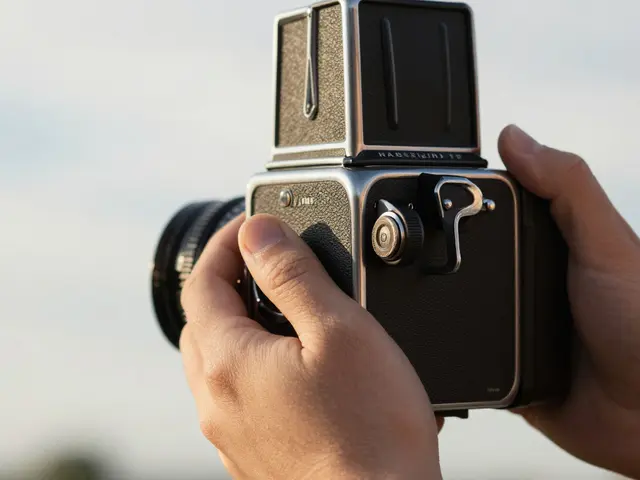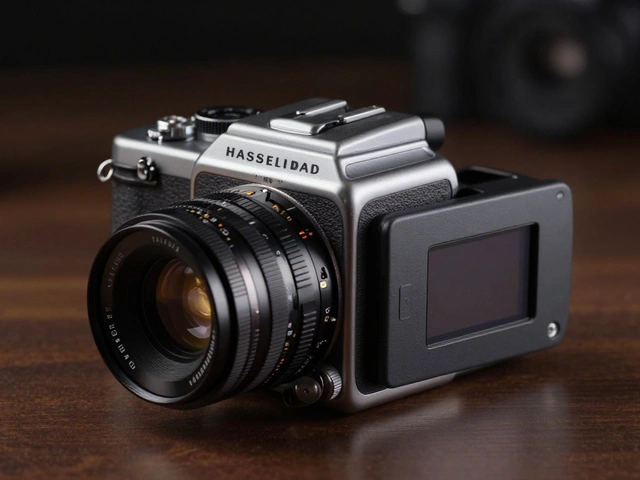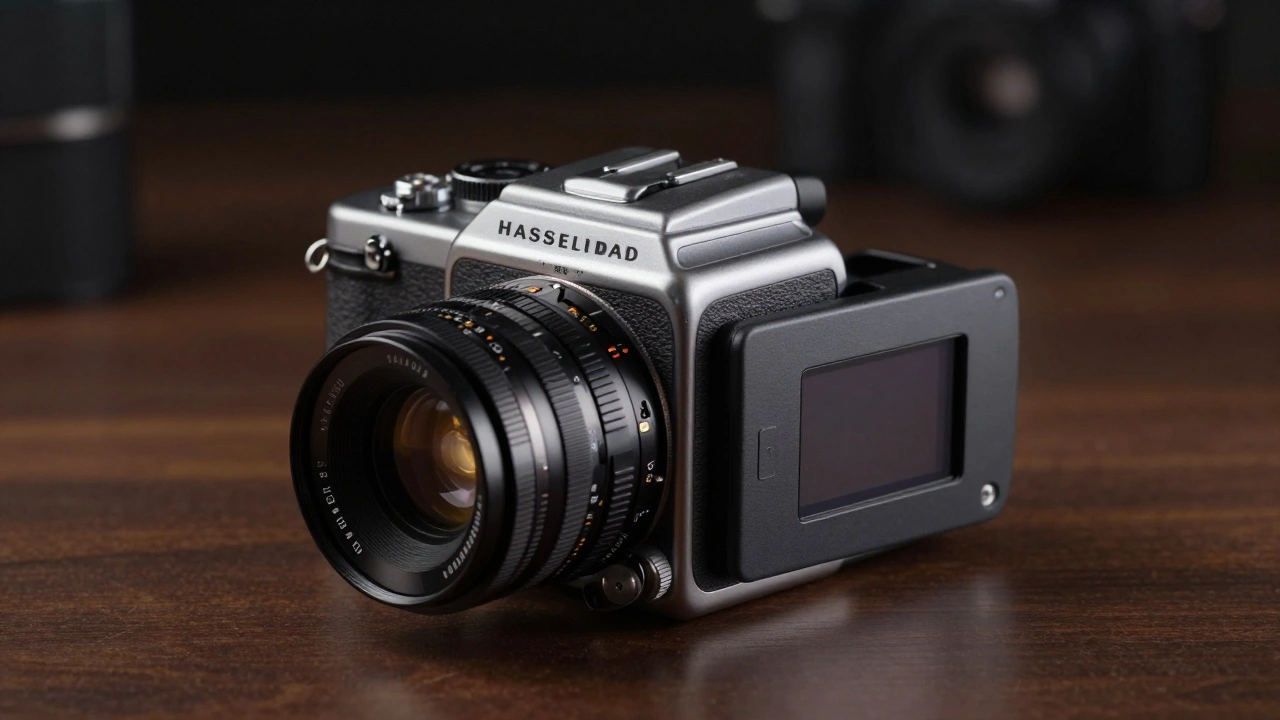
Imagine taking a camera body built in the 1970s and suddenly giving it the ability to capture 150 megapixels of raw, breathtaking detail. That is the magic of medium format digital backs is a specialized imaging sensor unit that can be attached to medium format film cameras to enable digital capture. Instead of buying a brand-new integrated camera, these units allow you to keep your favorite vintage optics and heavy-duty bodies while gaining the precision of modern digital technology. It is the ultimate bridge between the tactile feel of analog gear and the clinical perfection of high-end digital imaging.
The Secret to the Medium Format Look
Why go through the trouble of a modular setup when a high-end mirrorless camera is so much smaller? It all comes down to the sensor architecture. A Full-Frame Sensor is large, but medium format sensors are a different beast entirely-often two to five times larger. This massive surface area allows for a unique relationship between depth of field and perspective.
When you use a digital back, you get a natural separation between your subject and the background that is nearly impossible to replicate with smaller sensors. This "medium format look" provides a creamy, gradual transition in blur (bokeh) and a wider angle of view when using the same focal length lens. Because the pixels are physically larger or more numerous across a wider area, you also get significantly lower noise levels and a massive jump in dynamic range. For a landscape photographer, this means capturing the deepest shadows of a canyon and the brightest highlights of a sunset in a single frame without losing detail to "clipping."
The Heavy Hitters: Phase One, Hasselblad, and Leaf
Not all digital backs are created equal. If you are looking for the absolute ceiling of image quality, Phase One is generally considered the gold standard. Their flagship IQ4 150 back is a technical marvel, offering 150 megapixels, 16-bit color depth, and 15 stops of dynamic range. This isn't just about "more pixels"; it's about the accuracy of the color and the smoothness of the gradients, which is why they are the go-to for high-end commercial work.
Hasselblad takes a slightly different approach, focusing on the seamless blend of legacy and modern. The CFV 100C back is designed to slide right into classic Hasselblad V-System bodies. This means you can use a camera your grandfather used but capture 100-megapixel files. They've even built legacy lens profiles directly into the software, so the camera knows exactly how to handle a lens made decades ago.
Then there is Leaf Aptus, which caters specifically to the studio professional. Their backs are praised for rich color profiles and a workflow designed around tethering. While Phase One and Hasselblad fight for the crown of raw resolution, Leaf focuses on making the connection between the camera and the computer as frictionless as possible.
| Feature | Phase One IQ4 150 | Hasselblad CFV 100C | Leaf Aptus Series |
|---|---|---|---|
| Max Resolution | 150 MP | 100 MP | Varies by Model |
| Dynamic Range | 15 Stops | 15 Stops | High / Studio Optimized |
| Primary Strength | Ultimate Precision | Legacy Integration | Studio Tethering |
| Color Depth | 16-bit | 16-bit | Rich Custom Profiles |
Workflow: Slowing Down for Better Results
Using a digital back isn't like shooting with a Sony or Canon mirrorless. It's not a "point-and-shoot" experience. These systems are heavy, and the older models can feel sluggish. You aren't chasing a sports car; you're composing a masterpiece. This encourages a slower, more deliberate shooting style, similar to how photographers used the Bronica C or Yashica D in the film era.
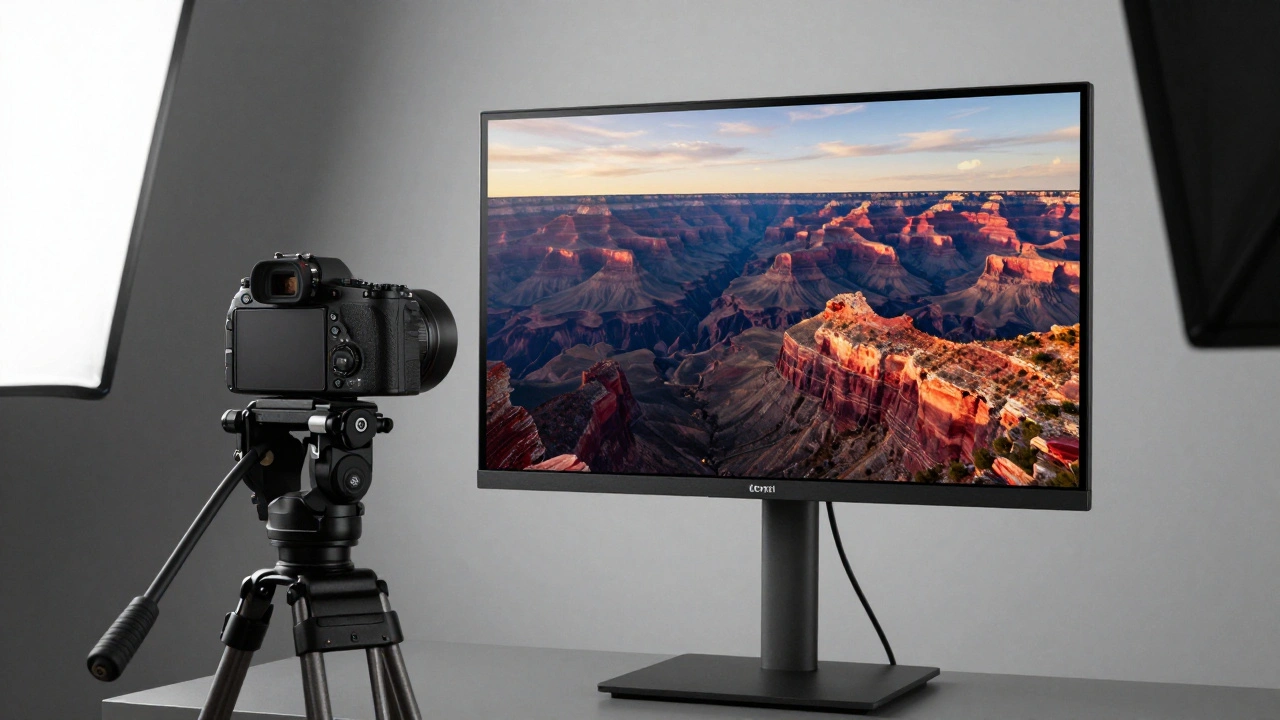
In a studio setting, the workflow revolves around the "tether." Because the files are gargantuan-often hundreds of megabytes per image-you don't just check the back of the screen. You pipe the image directly into a workstation. This allows the photographer and client to see the image on a 32-inch calibrated monitor instantly. The modularity is the real win here; you can swap a digital back for a film back or a different sensor resolution mid-shoot depending on whether the client needs a billboard-sized print or a magazine layout.
The Integration Challenge: Old Glass, New Sensors
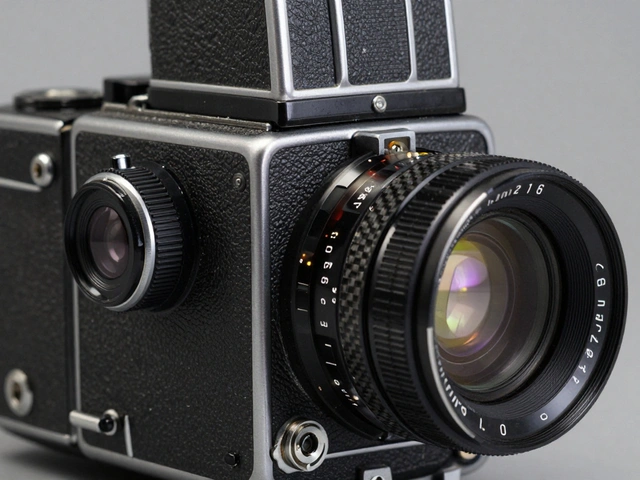
One of the biggest draws of digital backs is that they preserve your investment in glass. High-quality medium format lenses are expensive and built like tanks. By using a modular back, you can use lenses that were designed for the massive image circles of film. This results in a level of corner-to-corner sharpness that integrated digital sensors sometimes struggle to match.
However, it isn't always plug-and-play. You have to manage the interface between the back and the body. Modern systems like the Hasselblad 907X have solved this with modular adapters, but with older gear, you might be dealing with separate batteries for the back and the body, or manual synchronization of settings. It's a trade-off: you accept a bit of technical friction in exchange for unmatched image fidelity.
Digital Backs vs. Integrated Medium Format
You might be wondering about the Fujifilm GFX 100. It's a powerhouse with a 102MP sensor and built-in stabilization. So, why bother with a separate digital back? The answer is scope and specialization. Integrated systems are fantastic for travel, street, and wedding photography because they are portable. Digital backs, however, are for those who need the absolute maximum in color depth and resolution for commercial, architectural, or fine-art photography.
While the GFX series offers incredible value, it doesn't provide the same modular flexibility. With a digital back system, you can upgrade the sensor without throwing away your entire camera body and lens collection. You are buying into an ecosystem that treats the sensor as a component, not the center of the universe.

Common Pitfalls to Avoid
- Underestimating File Sizes: 150MP files will choke a standard laptop. You need a workstation with high-speed NVMe storage and significant RAM to handle the post-processing.
- Ignoring Tripods: Because the sensors are so large, the critical focus plane is incredibly thin. Even a tiny amount of camera shake will ruin the sharpness of a 150MP image. A heavy-duty tripod isn't optional; it's mandatory.
- Overlooking Calibration: With 16-bit color, your monitor becomes the bottleneck. If you aren't using a professionally calibrated display, you're wasting the potential of the sensor.
Are medium format digital backs better than full-frame cameras?
It depends on the goal. For speed and portability, full-frame wins. But for maximum resolution, dynamic range, and that specific shallow depth-of-field "look" used in high-end fashion and architecture, digital backs are vastly superior. They capture more tonal information and detail than a full-frame sensor ever could.
Can I use a digital back on any medium format camera?
Not every back fits every body. While some are designed for universal use or specific brands (like Hasselblad or Mamiya), you often need a specific adapter or a compatible interface. Always check the mounting standard of your camera body before buying a back.
What is the difference between 14-bit and 16-bit color?
A 14-bit file captures 16,384 levels of grayscale per channel, while a 16-bit file captures 65,536. This massive jump means much smoother gradients in skies or skin tones, eliminating the "banding" effect often seen in heavily edited photos.
Do I need a special computer to edit these images?
Yes. When you're dealing with 150 megapixels, a standard consumer laptop will lag. You'll want a computer with a high-end GPU and at least 64GB of RAM to ensure that software like Capture One can render the images in real-time without crashing.
Is it worth spending the money on a digital back in 2026?
For the average photographer, no. But for commercial studios, archivists, and fine-art printers where an image might be blown up to the size of a wall, the level of detail and color accuracy provided by a Phase One or Hasselblad back is still irreplaceable.
Next Steps for Your Setup
If you're just starting with medium format, don't jump straight into a 150MP system. Start by sourcing a classic Hasselblad or Mamiya body and experiment with the ergonomics. Once you're comfortable with the slower pace, look into the CFV 100C for a balance of modern power and vintage charm. If your work is strictly high-end commercial, go straight to Phase One and invest in a serious tethering station. Remember, the gear is only half the battle-the real magic happens when you learn to embrace the slow, deliberate nature of the medium format workflow.