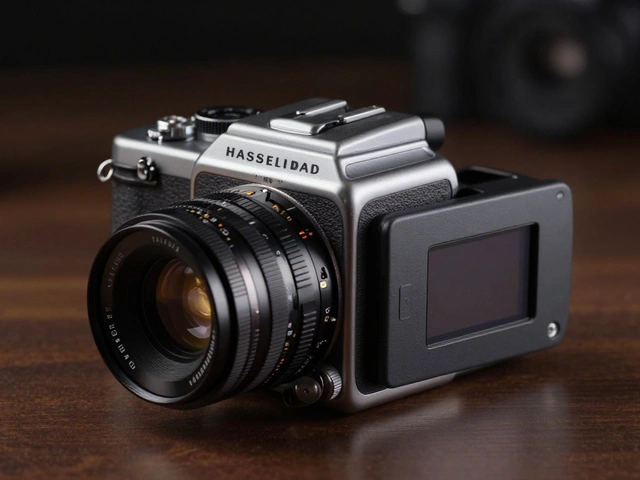
Imagine taking a camera body built in the 1970s and suddenly giving it the power to capture 150 megapixels of detail. That is the magic of medium format digital backs is specialized imaging sensors that can be retrofitted to existing medium format film cameras to enable digital capture while maintaining the benefits of medium format optical systems . For most of us, a mirrorless camera is plenty, but when you're printing a billboard or shooting a high-end commercial, the standard full-frame sensor just doesn't cut it. You need the raw power and the specific "look" that only a massive sensor can provide.
The Technical Edge: Why Sensor Size Matters
The biggest draw here is the sheer physics of the sensor. Medium format sensors are typically two to five times larger than what you'll find in a standard DSLR. This isn't just about having more pixels; it's about how those pixels capture light. Because the surface area is so much larger, you get a dramatic increase in dynamic range and a significant drop in noise.
When you use a Phase One IQ4 150, you're dealing with 15 stops of dynamic range and 16-bit color depth. In plain English, this means you can recover details from deep shadows and bright highlights that would simply vanish on a smaller sensor. It also creates that legendary "medium format look"-a unique combination of a shallower depth of field for portraits and a wider angle of view, providing a subject separation that feels more three-dimensional and natural.
| Feature | Phase One IQ4 150 | Hasselblad CFV 100C | Fujifilm GFX 100 (Integrated) |
|---|---|---|---|
| Resolution | 150 Megapixels | 100 Megapixels | 102 Megapixels |
| Dynamic Range | 15 Stops | 15 Stops | 14 Stops |
| Color Depth | 16-bit | 16-bit | 14-bit/16-bit |
| Primary Use | Ultra-High End Commercial | Modular Legacy Integration | Modern Prosumer/Hybrid |
Bridging the Gap: Legacy Gear and Modern Tech
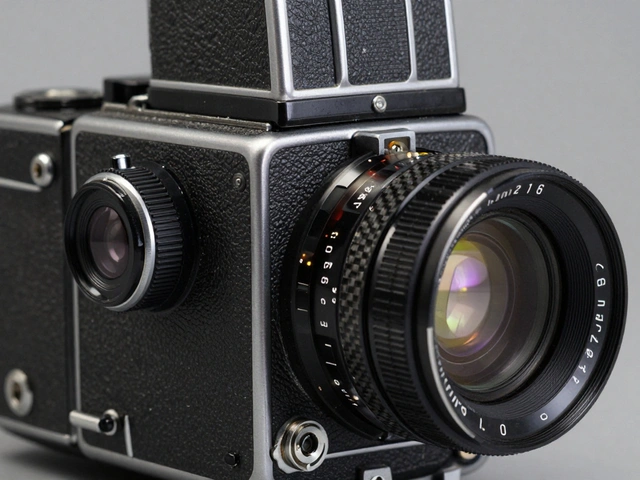
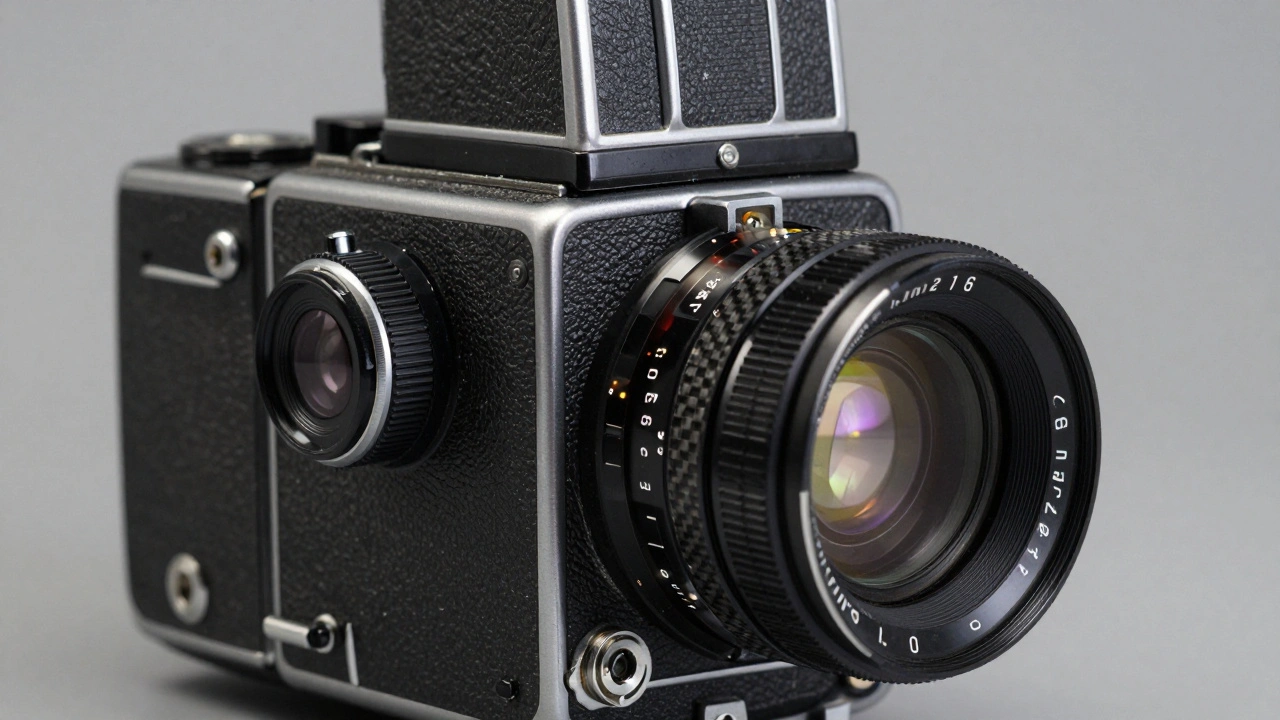
One of the coolest things about digital backs is how they breathe new life into old glass. If you have a collection of vintage Hasselblad lenses, you don't have to sell them to go digital. Systems like the CFV 100C use modular adapter systems to fit onto classic camera bodies. These backs often have legacy lens profiles built right in, so the camera knows exactly how to handle a lens designed decades ago.
This modularity is a dream for photographers who value the tactile feel of an old mechanical camera but need the precision of a digital file. You can essentially swap the "brain" of your camera without losing the soul of the optical system. It's a way to preserve a massive investment in high-quality glass while staying competitive in a digital market.
The Studio Workflow: Precision Over Portability
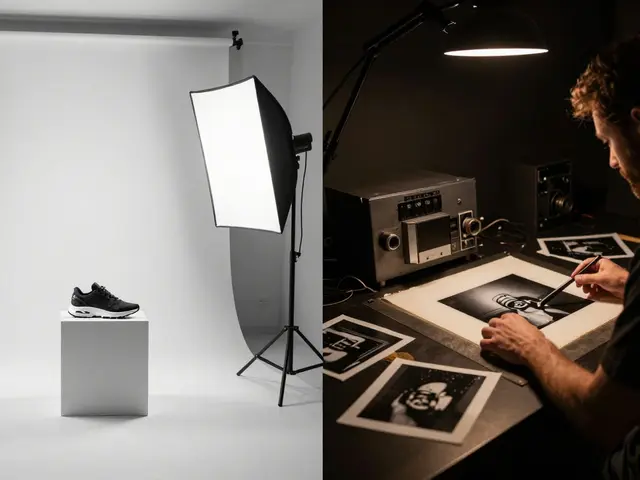
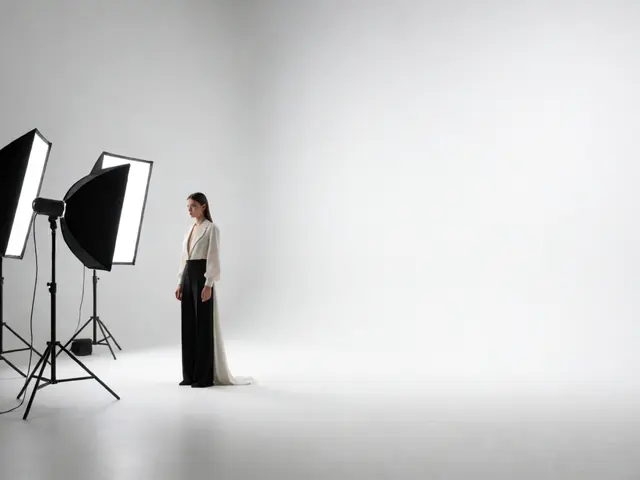
Let's be honest: these systems are not for hiking. They are heavy, often clunky, and can feel sluggish compared to a snappy mirrorless setup. But in a controlled studio environment, that's an afterthought. The workflow here is all about deliberation. You aren't spraying and praying; you are composing a masterpiece.
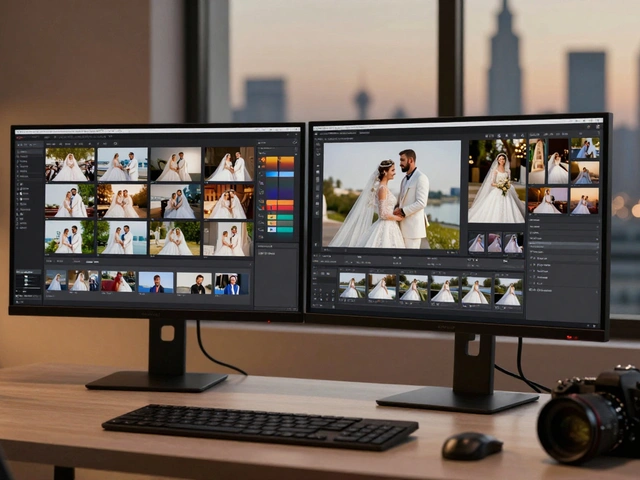
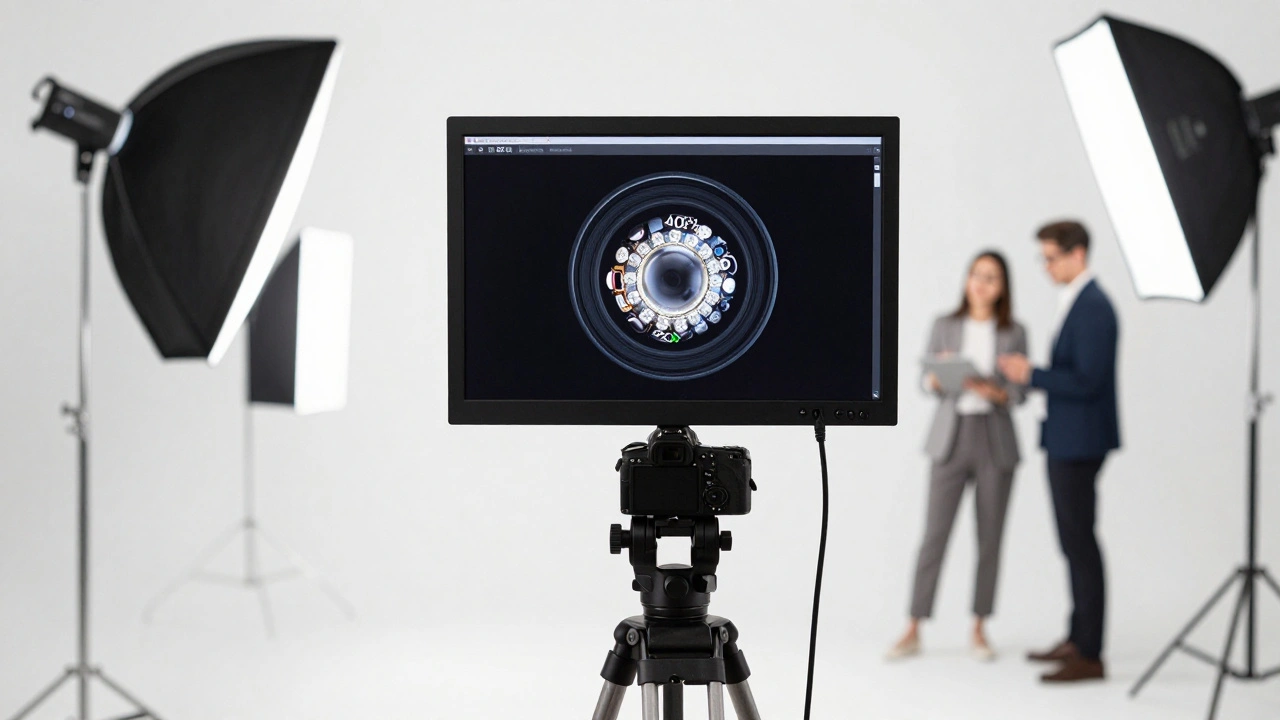
A key part of this is tethering. Leaf Aptus backs, for example, are specifically designed for easy tethering. This allows a photographer to send images instantly to a large monitor where a client or art director can see the 100+ megapixel detail in real-time. When you're adjusting the lighting on a luxury watch or a piece of jewelry, being able to zoom in 400% on the screen while the camera is still on the tripod is indispensable.
The process is slower and more methodical. It's similar to the experience of shooting a Bronica C or a Yashica D, where the goal is a single, perfect frame rather than a burst of twenty.
Is a Digital Back Right for You?
You probably don't need a digital back if your work mostly ends up on Instagram or small blog posts. A high-end full-frame camera like a Canon R5 will be faster and much easier to carry. However, if your work falls into these categories, the investment makes sense:
- Commercial Advertising: When a client needs to crop a tiny detail out of a massive image for a magazine cover.
- Architectural Photography: Where capturing the extreme detail of textures and materials is a requirement.
- High-End Fine Art: For prints that are several feet wide and need to remain sharp even when viewed from inches away.
- Legacy Collectors: Photographers who own a fleet of medium format film bodies and want to digitize their workflow without sacrificing lens quality.
The trade-off is clear: you sacrifice speed and portability for an unmatched level of image fidelity. While integrated systems like the Fujifilm GFX series are closing the gap and offering great features like sensor-shift stabilization, the ultra-high-end modular backs still hold the crown for sheer resolution and color precision.
What is the main difference between a digital back and a medium format camera?
A medium format camera is a complete, integrated unit. A digital back is a separate sensor unit that you attach to a camera body-often an old film camera-to make it digital. The digital back essentially replaces the film holder.
Can I use a digital back on any camera?
No, they are designed for specific medium format systems. For example, Hasselblad backs are made for Hasselblad bodies, though some Phase One backs are designed to be modular across a few different high-end systems.
Is 150 megapixels overkill for most people?
For 99% of photographers, yes. However, for those doing high-end commercial work where images are printed on a massive scale or require extreme cropping without loss of quality, it is a necessary tool.
Do digital backs support video?
Some do. For instance, certain Hasselblad models can record UHD 4K and Full HD 1080p video, although these systems are primarily optimized for still photography.
Are digital backs expensive to maintain?
The initial cost is very high, but they are professional-grade tools built for longevity. Maintenance is usually focused on sensor cleaning and software updates to keep the color profiles current.
Next Steps for Your Gear Transition
If you're considering moving into the world of digital backs, start by auditing your current lenses. If you already own a suite of Hasselblad or Mamiya glass, a modular back is the most cost-effective way to go digital. If you're starting from scratch and need something more portable for the field, look into integrated medium format mirrorless systems first.
For those diving into studio work, prioritize a system with strong tethering support. The ability to view a 100MP file on a calibrated monitor in real-time will change how you light your subjects and significantly reduce your post-production time.