Most people think a great fashion photo comes from a model who knows exactly how to stand. But if you only focus on static poses, your images often look like stiff mannequins in a catalog. The real secret to high-end fashion imagery isn't a "perfect" pose; it's the energy between the poses. When you stop asking your subject to "hold still" and start asking them to move, the clothing comes alive, the fabric drapes naturally, and the shot feels authentic.
Whether you are shooting a high-fashion editorial or a streetwear lookbook, the goal is to balance technical precision with spontaneous energy. You aren't just taking a picture of a person; you are documenting how a garment interacts with a human body in motion. To do this, you need to shift your mindset from capturing a still moment to directing a sequence of actions.
The Core Philosophy of Dynamic Posing
In traditional portraiture, we often look for a stable, balanced composition. In fashion portrait posing is a specialized photography discipline that combines deliberate body positioning with movement to highlight clothing and accessories, stability is often the enemy. If a subject is too balanced, the photo can feel boring.
The goal is to introduce "energy" into the frame. This doesn't mean your model needs to be jumping around like they're in a music video. Often, the most compelling movement is subtle. Think about the small, unconscious things people do when they are nervous or confident: adjusting a collar, checking a watch, or shifting weight from one foot to another. These micro-movements create organic lines and prevent the subject from looking like they are posing for a school photo.
Techniques for Creating Natural Movement
If you tell a model to "look dynamic," they'll likely freeze up because that instruction is too vague. Instead, give them a specific job to do. When the brain focuses on a task, the body relaxes, and the resulting pose looks genuine.
- The Step and Repeat: Have your subject take two or three steps toward or away from you. Tell them to "land" in the best light on every third step. This creates a natural sway in the hips and a realistic movement in the fabric of trousers or dresses.
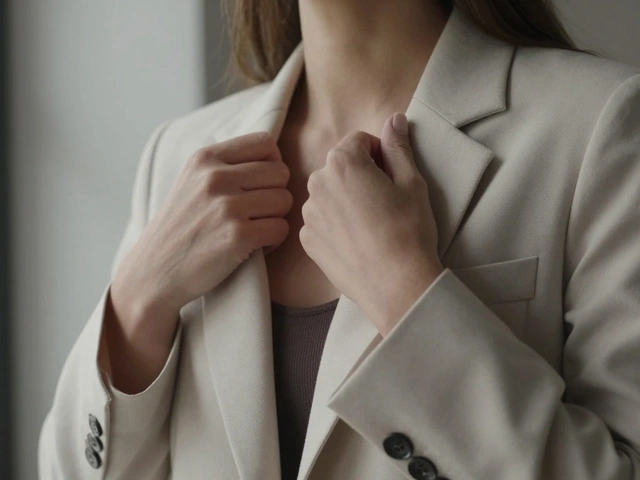
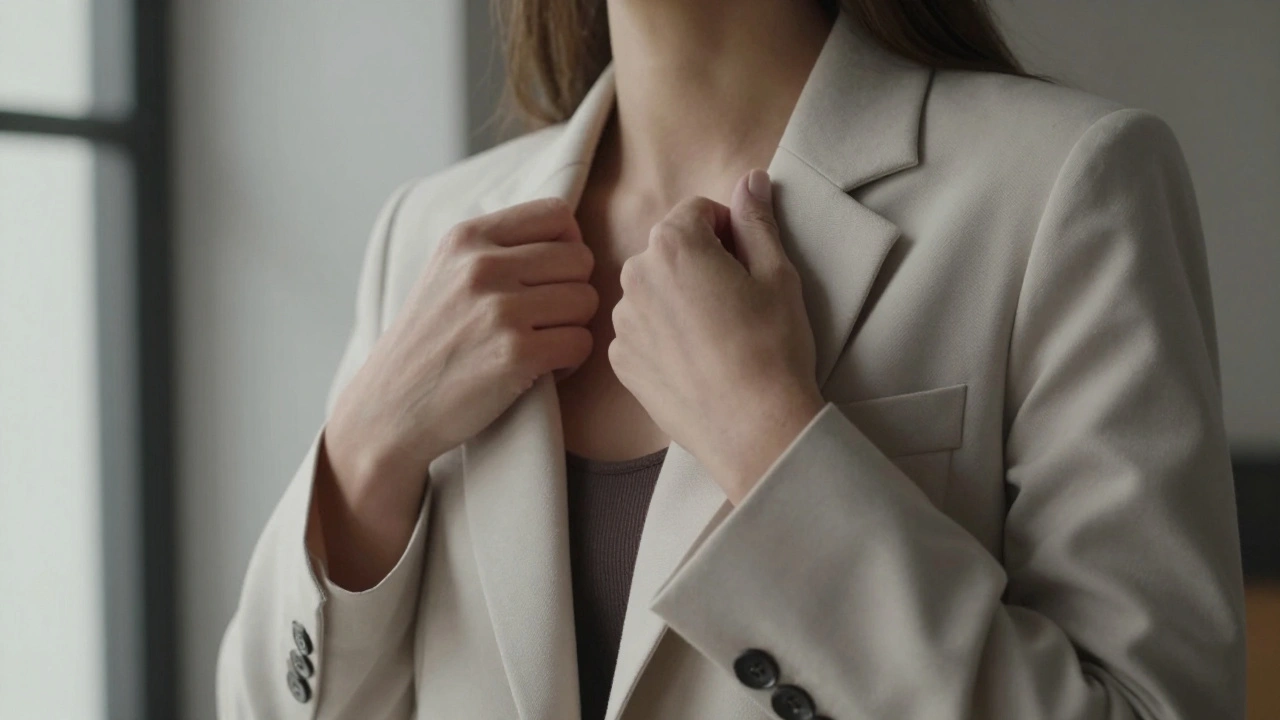
- The Accessory Adjustment: Give them a physical task. Ask them to fix their cuffs, adjust the lapel of their jacket, or run a hand through their hair. These actions keep the hands busy-which solves the common "what do I do with my hands?" problem-and creates interesting angles with the elbows.
- The Shoulder Shift: Static shoulders look flat. Encourage your subject to slightly drop one shoulder or lean their torso away from the camera. This creates a diagonal line that adds depth and makes the silhouette more interesting.
- The Wall Lean: If the model is struggling with balance, have them put one leg up against a wall. This allows them to lean out and create "triangles" with their body. In photography, triangles are a cheat code for visual interest.
How to Emphasize Clothing and Fabric
Remember, the clothes are the star of the show. Your posing should act as a spotlight for the garment's design, texture, and fit. If a jacket has a detailed back, a front-facing pose is a wasted opportunity.
To showcase a garment's structural elements, utilize the Over-the-Shoulder Look. By having the model turn their body away and look back toward the lens, you highlight the drape of the fabric across the shoulders and the details on the back of the outfit. This also adds a layer of mystery to the narrative.
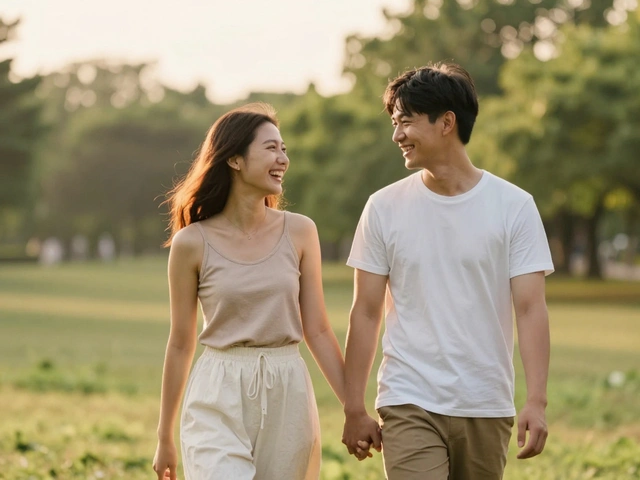
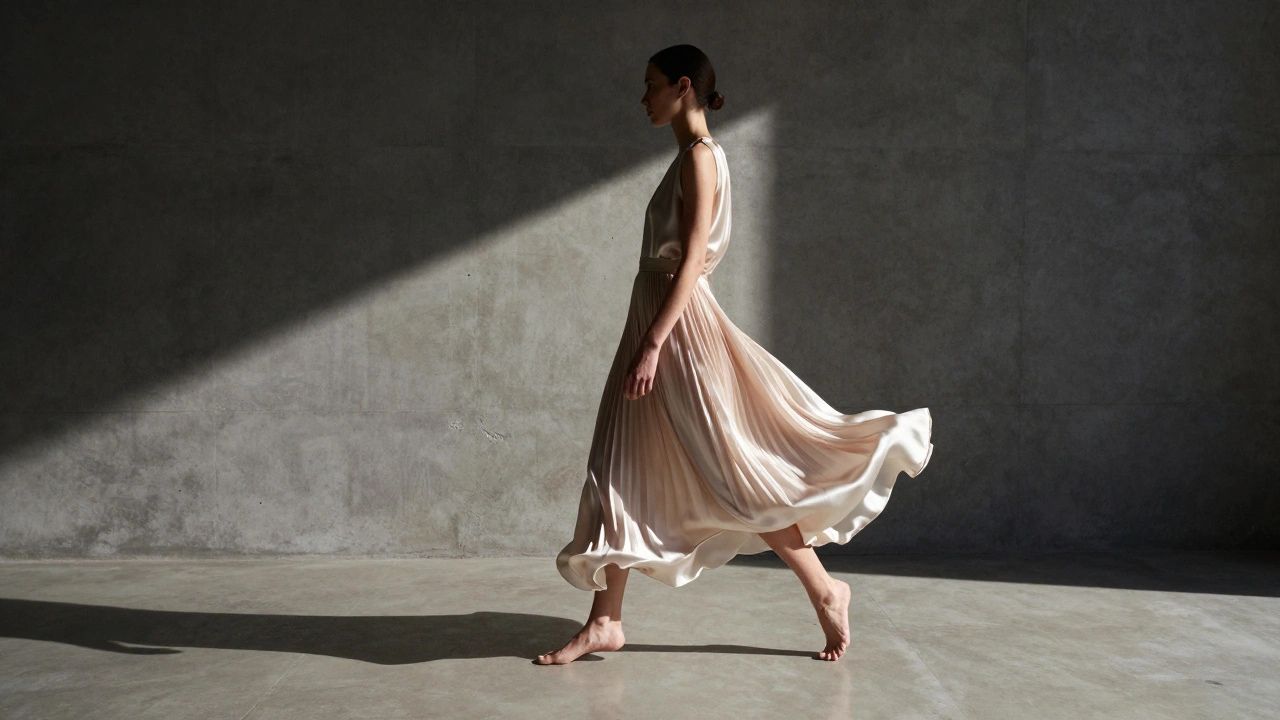
For flowing fabrics, movement is non-negotiable. A dress will always look better if it's caught mid-sway or while the model is walking. This is where the Walking Pose becomes essential. It allows the fabric to move naturally, showing how the garment behaves in the real world rather than how it looks on a hanger.
| Pose | Primary Goal | Best For... |
|---|---|---|
| Hand-on-Hip | Accentuate waist / Show confidence | Tailored suits, cinched dresses |
| Crossed Arms | Convey authority / Focus on upper body | Knitwear, jewelry, structured blazers |
| Backward Glance | Create intrigue / Show garment back | Capes, detailed coats, evening gowns |
| Leaning on One Leg | Fluidity and graceful silhouette | Runway-style looks, wide-leg trousers |
Composition and the Use of Negative Space
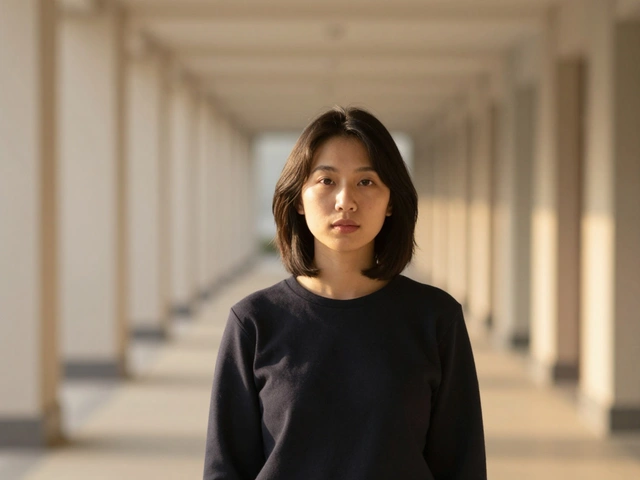
Posing doesn't happen in a vacuum; it interacts with the space around the model. One of the most powerful tools in a fashion photographer's kit is negative space, which is the empty area around the main subject of an image. By intentionally leaving a void in the composition, you force the viewer's eye to lock onto the model and the clothing.
When you combine a dynamic pose-like a model leaning far to one side-with a large area of empty background, you create a tension that makes the image feel modern and editorial. It prevents the photo from feeling cluttered and gives the clothing room to "breathe." Try placing your subject off-center and having them move into that empty space to create a sense of direction and purpose.
Telling a Story Through Body Language
A photo of a beautiful dress is a product shot. A photo of a person wearing a beautiful dress who looks like they are mourning a lost love or celebrating a secret victory is a fashion portrait. The difference is storytelling.
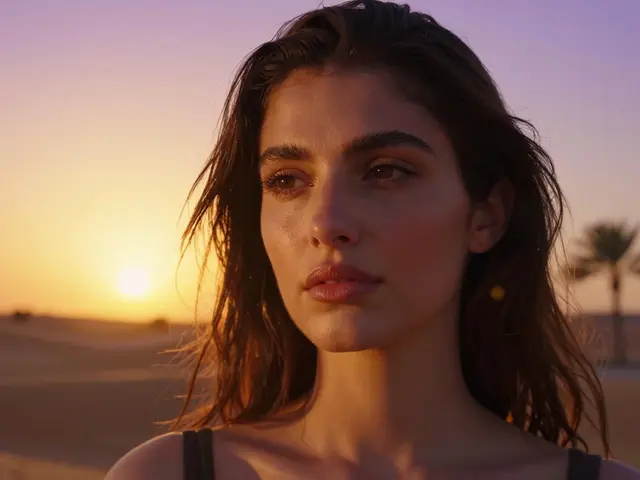
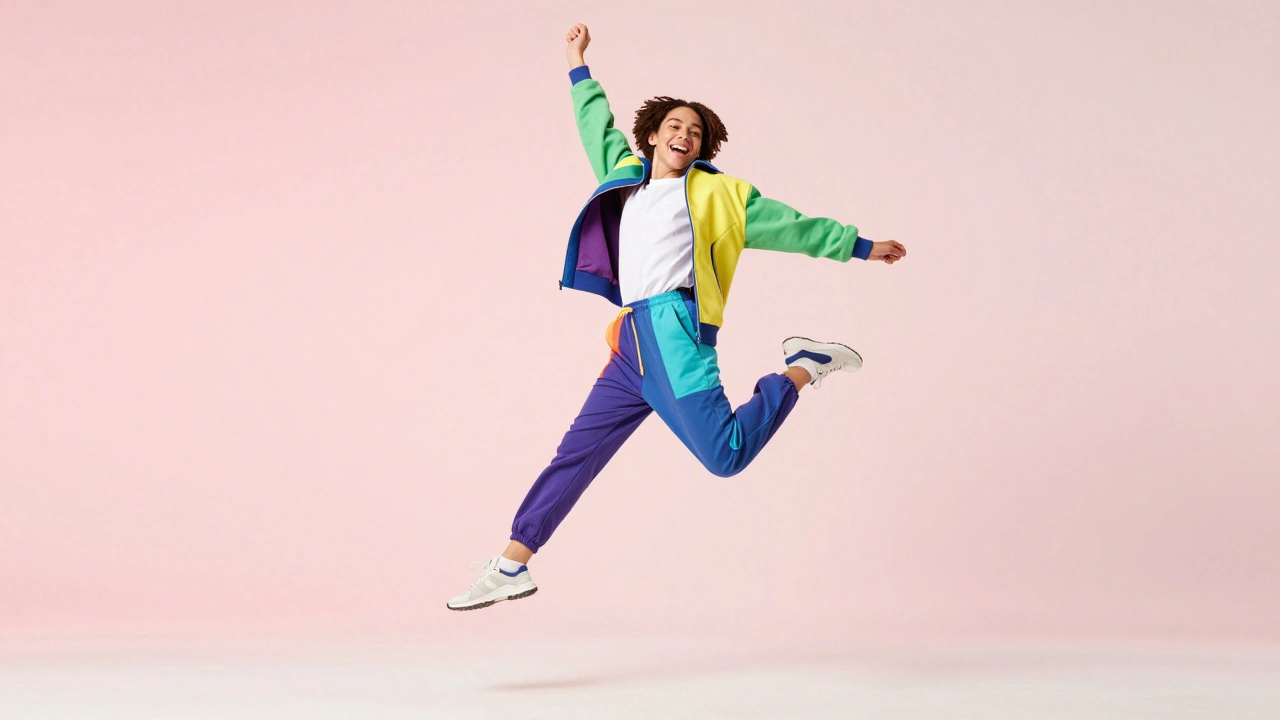
Use facial expressions and gestures to set the mood. For a high-fashion, "cold" look, suggest a neutral expression with a slight downward gaze. For something more energetic and youthful, try the Jump pose. Jumping isn't just about the airtime; it's about the excitement and playfulness it injects into the frame. It breaks the formality of the shoot and often leads to the most authentic expressions.
Incorporate props not as ornaments, but as tools for posing. A handbag isn't just an accessory; it's something the model can grip, swing, or lean on. This gives the model a reason to move and creates more natural interactions within the frame.
Common Pitfalls to Avoid
Even experienced photographers fall into these traps. To keep your work looking professional, watch out for these common mistakes:
- The "Frozen" Look: This happens when you give too many static instructions. Instead of saying "Put your hand here," say "Touch your watch and look away."
- Ignoring the Fabric: Sometimes a great pose creates an ugly fold in the clothing. Always check the garment. If the fabric is bunching up unnaturally, ask the model to shift their weight slightly.
- Over-Exaggeration: There is a fine line between "dynamic" and "caricature." If the pose looks like a cartoon, pull it back. The best movement is often the one that looks like it was caught by accident.
- Symmetry Boredom: Avoid perfectly symmetrical poses. Symmetery is stable, but instability is interesting. Always aim for asymmetry in the limbs and shoulders.
How do I help a model who is stiff or nervous?
The best way to relax a nervous model is to give them an activity. Instead of focusing on the camera, give them a task like fixing their shoes, adjusting a piece of jewelry, or walking in a small circle. When they focus on the action, they forget they are being watched, and their body language becomes much more natural.
What is the difference between a static and a dynamic pose?
A static pose is a fixed position where the subject remains still, often used for technical sketches or traditional portraits. A dynamic pose involves implied or actual movement-such as leaning, walking, or shifting weight-which creates more energy, a more fluid silhouette, and a sense of candid authenticity.
How can I make a model look broader or more imposing?
To create a broader presence, use poses that move the elbows away from the body. For example, having the subject fix their cuffs with elbows pointed outward creates more width in the frame. Similarly, a strong hand-on-hip pose can accentuate the frame and project confidence.
When should I use an over-the-shoulder pose?
Use this pose whenever the garment has interesting details on the back, such as an intricate lace pattern, a unique cut, or a designer logo. It is also an excellent way to add a sense of mystery or a "candid" feel to the portrait.
Why are "triangles" important in fashion posing?
Triangles create visual tension and guide the viewer's eye through the image. By bending an arm at the hip or popping a knee while leaning against a wall, you break up the straight lines of the body, making the composition feel more professional and less rigid.
Next Steps for Improvement
If you're just starting out, try a "movement study" shoot. Take one outfit and try to capture it in five different states of motion: a slow walk, a quick turn, a seated lean, a jump, and a subtle adjustment. Compare the images to see which ones feel the most "alive."
For those moving into professional work, start studying runway shows. Notice how models shift their weight on one leg to let a dress flare out. Try to replicate those high-fashion silhouettes in your studio. The more you experiment with the relationship between the body and the fabric, the more you'll move away from "posing" and toward true visual storytelling.