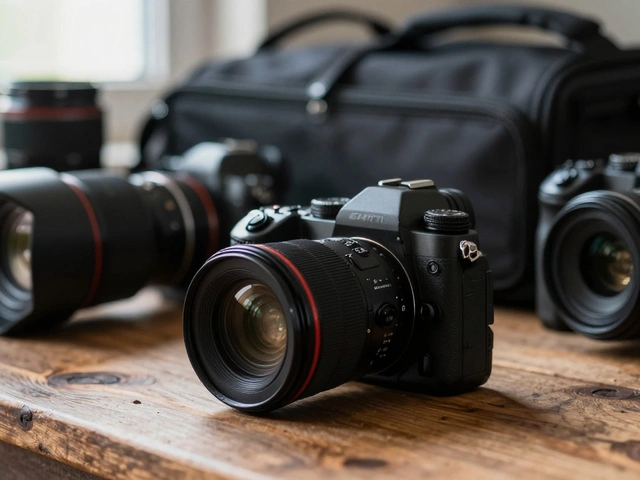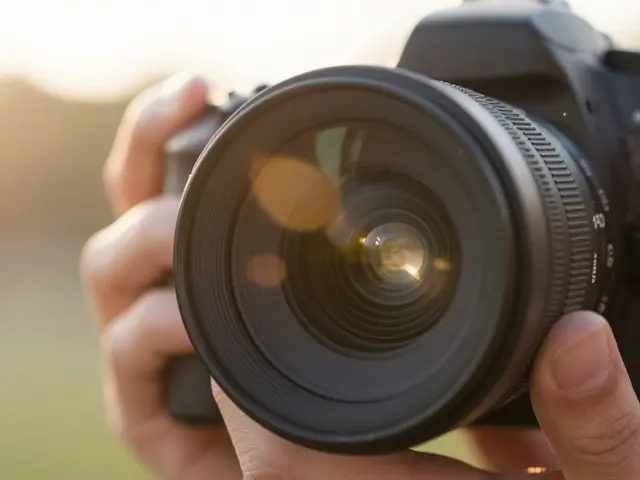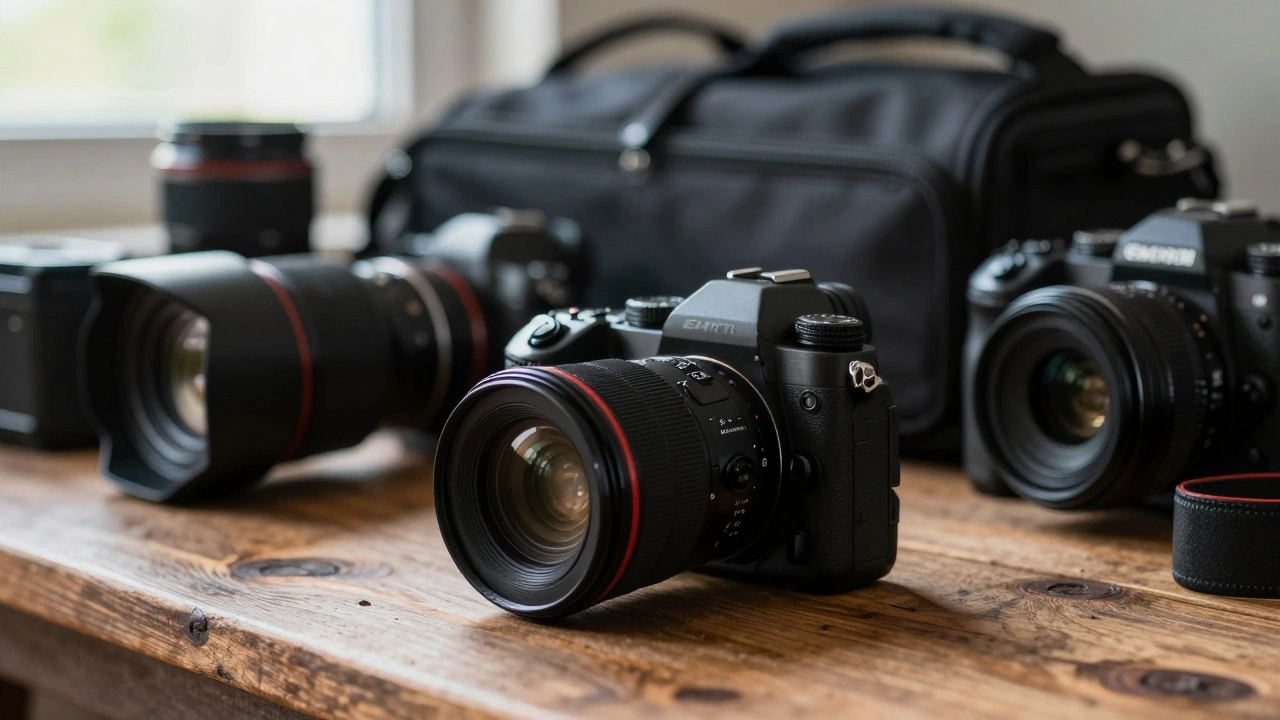
Most photographers think that more gear equals more creativity. We buy the fastest autofocus, the widest zoom, and the most expensive lighting kits, believing that removing technical barriers is the path to a masterpiece. But the truth is actually the opposite. When you have every option available, you often end up with decision paralysis. You spend more time fiddling with settings than actually looking at your subject. The secret to a creative breakthrough isn't more freedom-it's creative constraints. By intentionally limiting your tools or your time, you force your brain to stop relying on gear and start relying on vision.
Think of it like this: if you have a thousand different lenses, you'll spend your shoot wondering which one is "perfect." If you only have one fixed lens, you stop worrying about the gear and start moving your feet to find the best angle. Limitations act as a catalyst. They strip away the noise and leave you with the only thing that actually matters in a photo: the core idea.
Why Your Brain Needs Limits to Create
It sounds counterintuitive, but fewer options lead to better art. This is because excessive choice creates a mental load. When you're overwhelmed by a massive kit bag, you're managing equipment, not managing a composition. Peter Cripps is a photographer who argues that constraints reduce the "how" of shooting so you can focus entirely on the "what."
When you limit yourself, you enter a state of creative flow. Instead of asking, "Can my camera handle this light?" you ask, "How can I use this specific light to tell a story?" This shift in perspective moves you from being a technician to being an artist. It's a way of hacking your own psychology to bypass the fear of the blank canvas or the empty viewfinder.
The Five Golden Rules of Limitation
If you aren't sure where to start, you can follow a set of axioms to structure your practice. These aren't meant to be permanent rules, but rather temporary boundaries for a specific project. Try implementing these five constraints on your next outing:
- Minimal Gear: Carry only one camera and one lens. No bags, no spare batteries (unless necessary), just the basics.
- Strict Time Limits: Give yourself exactly 30 minutes to create a cohesive series of images in a small area. The ticking clock forces you to trust your gut.
- The "One Roll" Limit: Pretend you're shooting film. Limit yourself to 36 frames. Once you hit that number, you're done. This makes every click of the shutter a conscious decision.
- Single Subject Focus: Pick one object-a fire hydrant, a specific tree, or a single person-and find ten different ways to photograph it.
- Fixed Settings: Lock your aperture and shutter speed. If the exposure is wrong, move your position or change your subject instead of twisting a dial.
| Feature | Open Approach (No Limits) | Constrained Approach |
|---|---|---|
| Gear Selection | Bringing every lens "just in case" | One specific tool for one purpose |
| Mental State | Decision fatigue and gear-checking | Creative flow and active observation |
| Composition | Zooming to fit the frame | Moving the body to find the frame |
| Outcome | Generic, technically correct images | Experimental and vision-driven art |
Projects That Spark New Ideas
Theory is great, but practice is where the growth happens. Here are a few specific project ideas designed to push you out of your comfort zone by imposing a specific limitation.
The Monochrome Challenge
Set your camera to black and white and leave it there. When you remove color, you lose a primary way of separating subjects. You are forced to look for contrast, texture, and tonal gradients. This project teaches you to see the "bones" of a photo-the light and the shape-without the distraction of a bright red shirt or a blue sky.
Water in Motion
Pick a water source and commit to two extreme opposites. Use a very slow shutter speed (several seconds) to turn a stream into silk, then switch to a very fast speed (1/500th or faster) to freeze individual droplets. By limiting your focus to just "motion," you'll start noticing how timing affects the mood of a shot.
One Landscape, One Day
Find one single spot-a park bench, a street corner, or a hill-and stay there for an entire day. You cannot move more than ten feet from your spot. This constraint forces you to observe how the sun changes the shadows and how different people or weather patterns transform the same scene. It turns a static location into a living story.
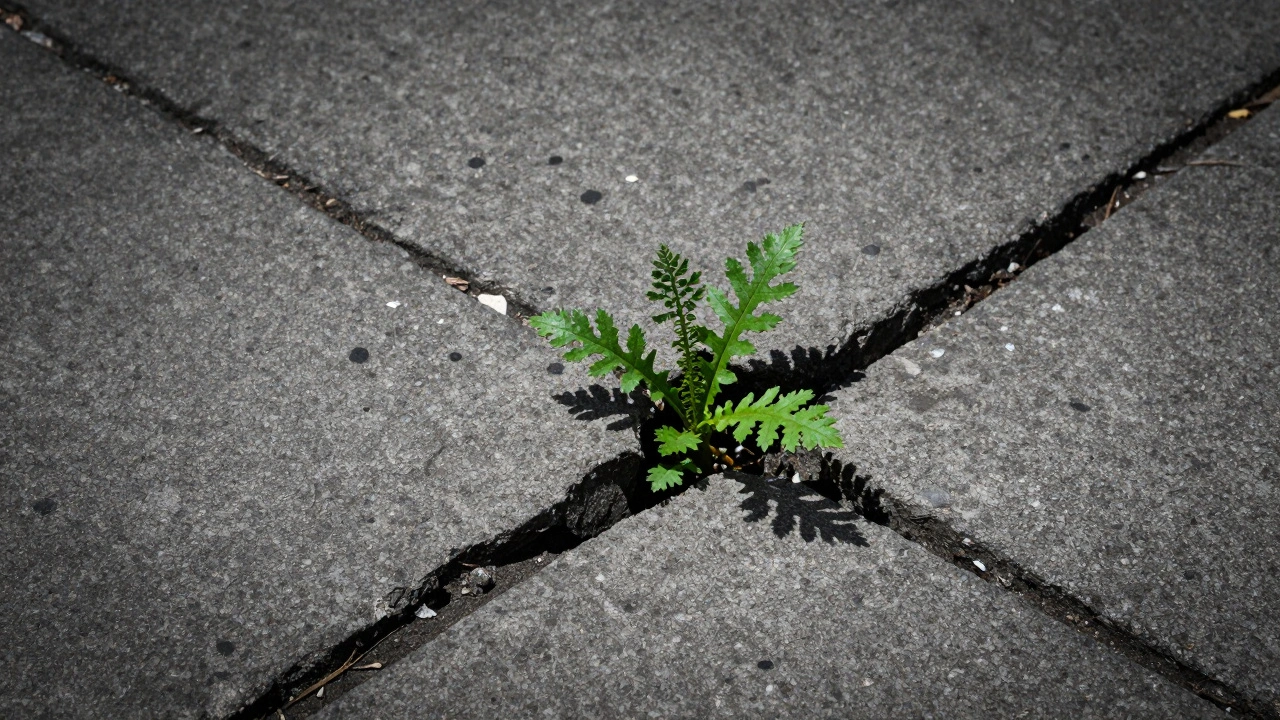
Urban Nature Intersection
Limit your subject matter to only where nature meets the city. A weed growing through a sidewalk crack or a tree leaning against a brick wall. By ignoring the "big" city landmarks and focusing only on this intersection, you train your eye to find beauty in the overlooked.
Technical Constraints as Professional Training
You might think professionals avoid constraints, but the opposite is true. The most intense constraints are often found in high-pressure assignments. Imagine a photojournalist covering a breaking news event; they don't have the luxury of a controlled studio or a second chance at a shot. Available Light is the ultimate constraint. When you can't control the light, you have to control your positioning and your timing perfectly.
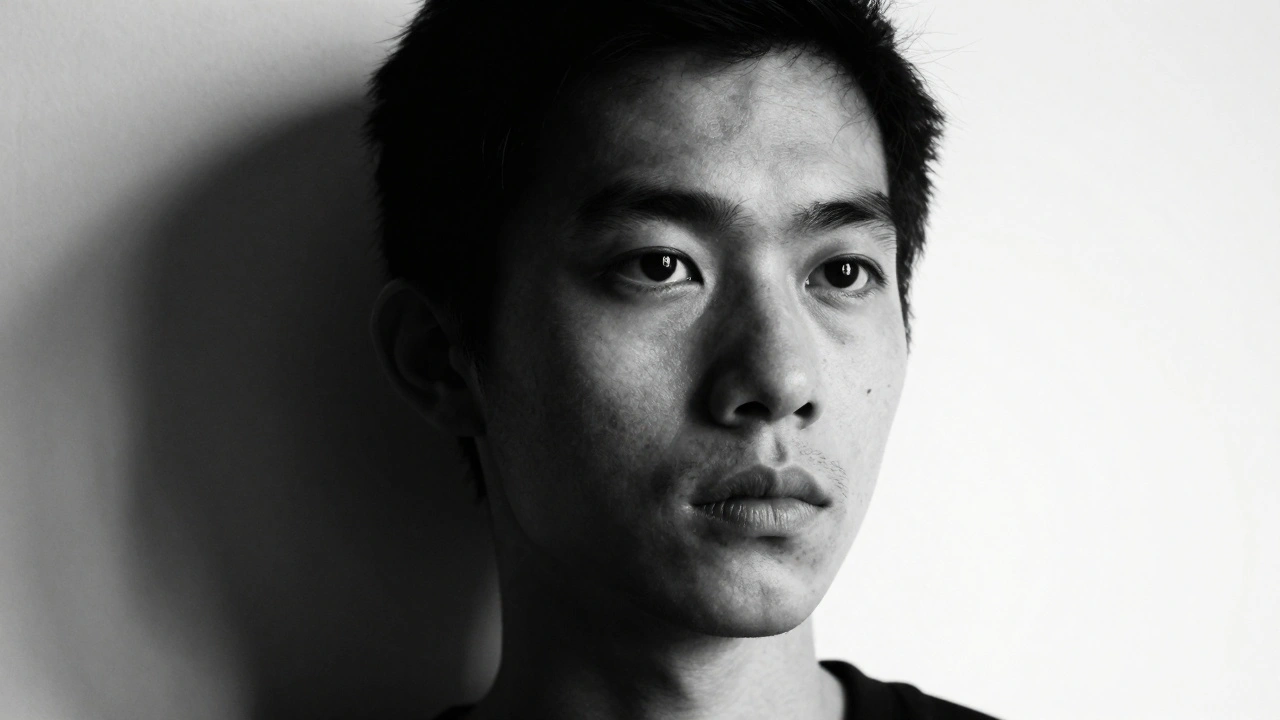
Even in portraiture, some of the best work comes from stripping away the background. Using a plain wall or a minimal backdrop removes the "visual crutch" of a scenic location. This forces the photographer to focus entirely on the subject's expression and the quality of the light hitting their face. It's a lesson in subtraction: the less there is to look at, the more the remaining elements must be perfect.
The Power of the Prime Lens
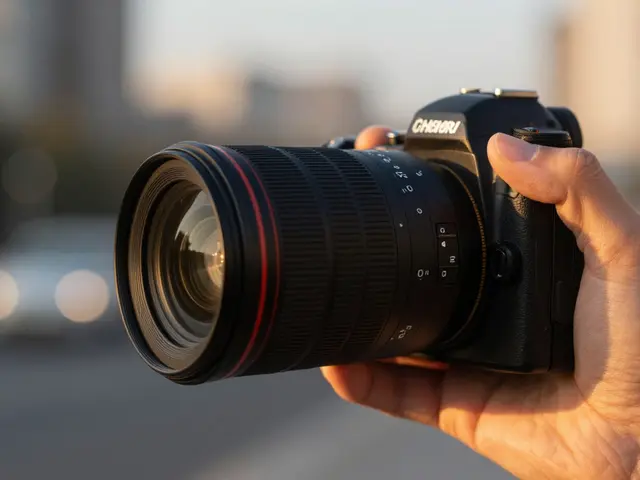
If there is one tool that embodies the philosophy of constraints, it is the Prime Lens. Unlike a zoom lens, a prime has a fixed focal length. You cannot zoom in or out. To change the composition, you have to physically move.
This is especially powerful in street photography. When you use a 35mm or 50mm lens, you develop a "mental map" of the frame. You know exactly what the shot will look like before you even lift the camera to your eye. This speed allows you to capture candid moments that a zoom lens user would miss while they were still twisting the ring to find the right crop. It teaches you that what you leave out of the frame is often more important than what you leave in.
Won't constraints limit my artistic expression?
Actually, it's the opposite. When you have infinite choices, you often default to the easiest, most cliché options. Constraints act like a fence that pushes you into unexplored territory. By blocking the "easy" way, you're forced to find a more creative, original solution to the problem.
How long should a constraint-based project last?
It depends on your goal. For a quick spark of inspiration, a one-hour "photo walk" with a single lens is great. For deeper growth, try a "365 project" where you follow one rule for a year, or a seasonal series where you shoot the same location once a month. The key is to stay committed until the constraint starts to feel natural.
Do I need a professional camera to do this?
Not at all. In fact, a smartphone is a fantastic tool for creative constraints because it already has many built-in limitations (like a fixed aperture). Using a phone to practice composition and light is often more effective than using a complex DSLR because the technical barriers are already removed.
What if I get frustrated with the limitations?
Frustration is actually a sign that the constraint is working. It means you've hit a wall that your old habits can't climb. When you feel that urge to "just switch lenses" or "just change the setting," push through it. That tension is where the creative breakthrough happens.
Can I combine multiple constraints at once?
Yes, but start slow. If you're a beginner, try one constraint (like a prime lens) first. Once that feels easy, add a time limit or a subject limit. Combining too many at once can lead to burnout, but a balanced mix-like "30 minutes, one lens, one subject"-can create an incredibly focused exercise.