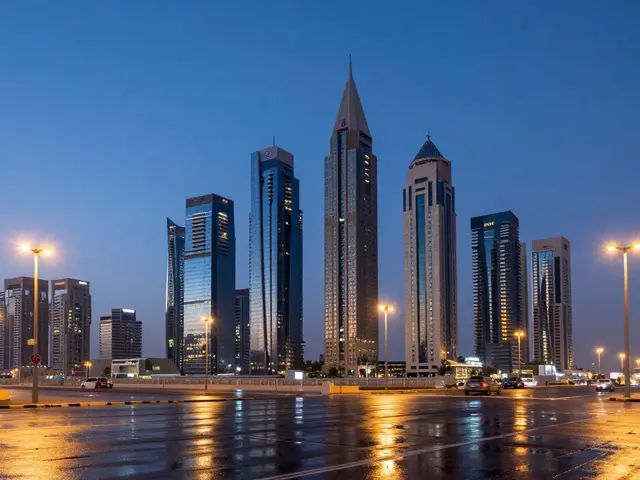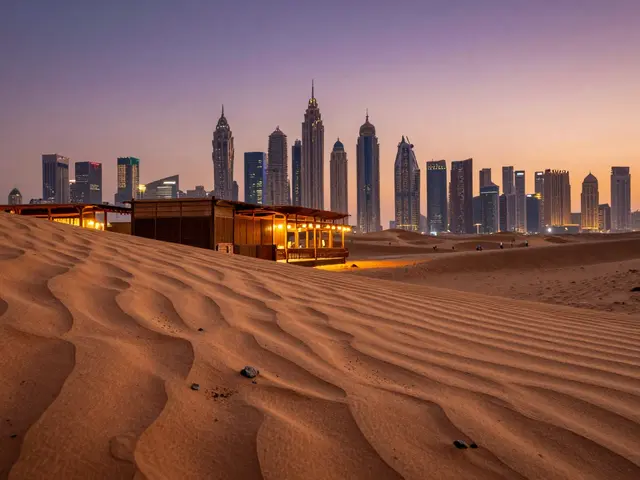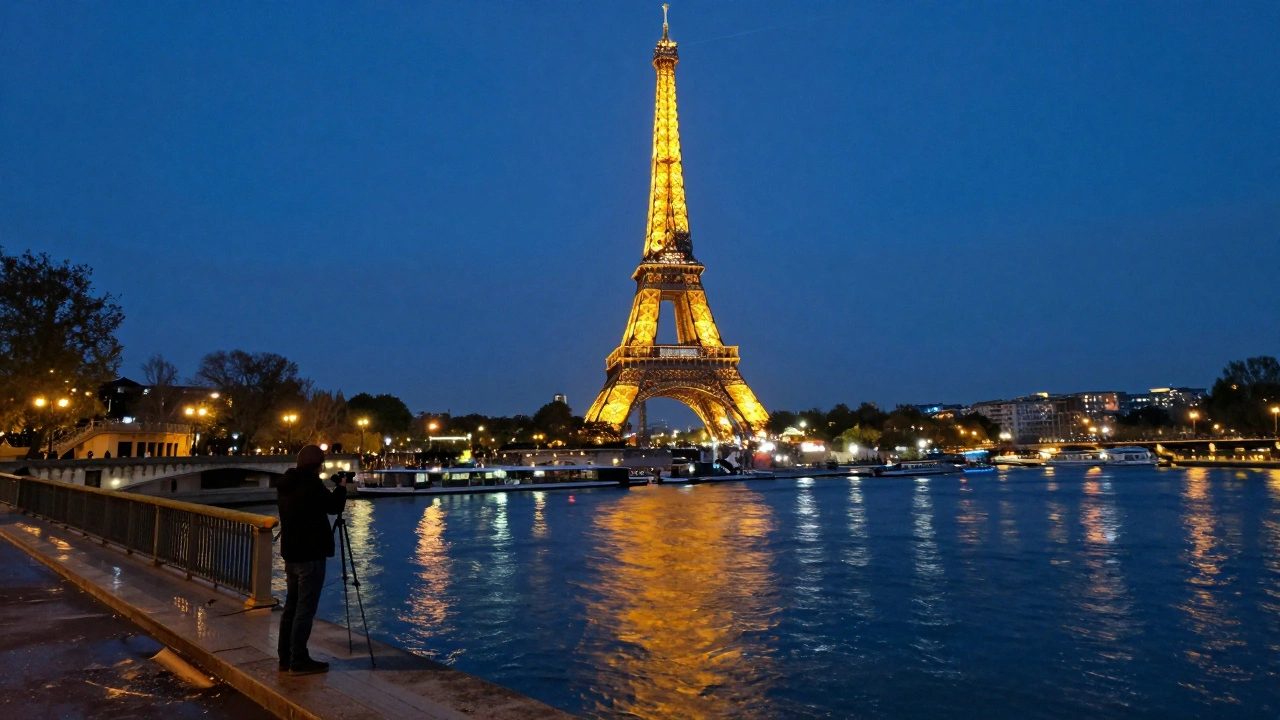
There’s a quiet magic in a city just after sunset-or before sunrise-when the last traces of daylight fade into a deep, cool blue. This is the blue hour, and if you’ve ever stood on a bridge, rooftop, or waterfront watching the lights flicker on while the sky turns navy, you know why photographers chase it. It’s not just a time of day. It’s a mood. A moment where the world feels still, lit by something between heaven and human design.
What Exactly Is Blue Hour?
Blue hour isn’t a myth. It’s physics. When the sun dips between 4 and 8 degrees below the horizon, its light doesn’t vanish-it scatters. Rayleigh scattering filters out the warm reds and oranges, leaving only the cool blues to paint the sky. This lasts about 20 to 40 minutes, depending on where you are. Near the equator? It’s short and sharp. In Oslo or Reykjavik? In winter, it can stretch over an hour. In summer? You might not see it at all-because the sun never fully sets.
What makes blue hour special for cityscapes is the balance. The sky is dark enough to look rich and moody, but not so dark that the city lights look like blown-out stars. Streetlamps, building facades, neon signs, and bridge lights all glow with a warm amber or orange-perfect contrast against the cool blue above. It’s the only time when artificial light doesn’t overpower nature. It complements it.
Why Blue Hour Beats Golden Hour for Cities
Golden hour gets all the attention. Warm light. Soft shadows. Flattering skin tones. Perfect for portraits. But for cities? It’s often too bright. Too harsh. The sky is still too blue, and the lights haven’t kicked in yet. By the time buildings are fully lit, the sky has turned black. You lose the drama.
Blue hour fixes that. The sky stays blue. The lights are bright enough to pop. The contrast between warm and cool tones? It’s automatic. No editing trick can fake this. You can’t crank up the saturation in Lightroom and get the same depth. It’s real. It’s fleeting. And it’s why professionals pack tripods and shoot in RAW.
Essential Gear for Blue Hour Cityscapes
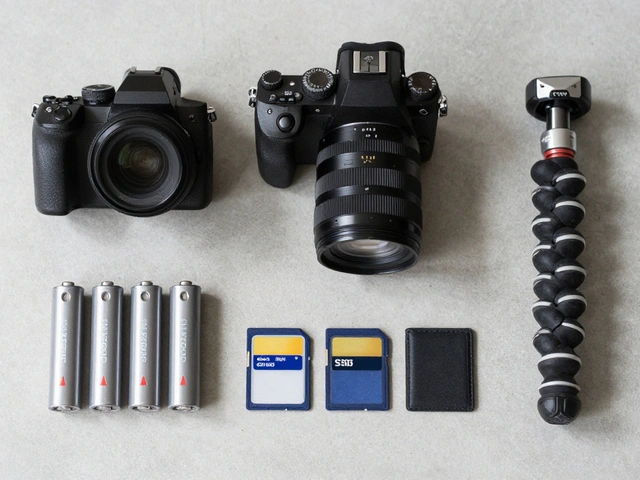
You don’t need the most expensive camera. But you do need three things:
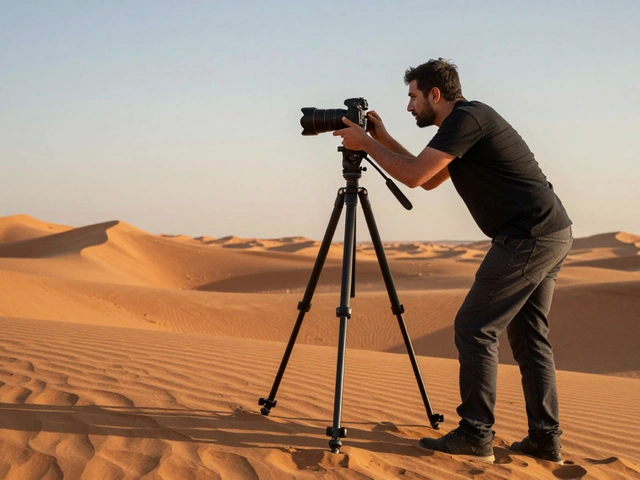
- A sturdy tripod. No exceptions. Exposure times can hit 5, 10, even 30 seconds. Handholding? You’ll get blur.
- RAW format. This gives you room to recover shadows and tweak white balance later. The sky might look too dark in-camera, but RAW saves it.
- A remote shutter or timer. Even pressing the button can shake the camera. Use your phone’s timer app or a cheap wireless trigger.
Some photographers use neutral density (ND) filters, but they’re optional. Blue hour is dim enough that you rarely need to slow things down further. A wide aperture (f/2.8 to f/5.6) and low ISO (100-400) usually do the trick.
Top 5 Cities for Blue Hour Cityscapes
Not all cities are created equal at blue hour. Some have architecture. Some have water. Some have both. Here are five that consistently deliver:
- Paris, France - The Eiffel Tower sparkles every hour, but at blue hour, it’s just glowing. The Seine reflects the lights. Bridges like Pont Alexandre III turn into glowing ribbons. Arrive 30 minutes before sunset and walk along the Left Bank.
- Singapore, Singapore - Marina Bay Sands, Gardens by the Bay, and the full skyline of Orchard Road light up like a sci-fi movie. The humidity keeps the air soft, and the reflections on the bay are unreal. Try the Esplanade Bridge for a wide-angle shot.
- New York City, USA - The Empire State Building, Chrysler Building, and the Hudson River at dusk. Brooklyn Bridge is the classic spot. Go early-this place fills up fast. The lights come on precisely at sunset, so timing is tight.
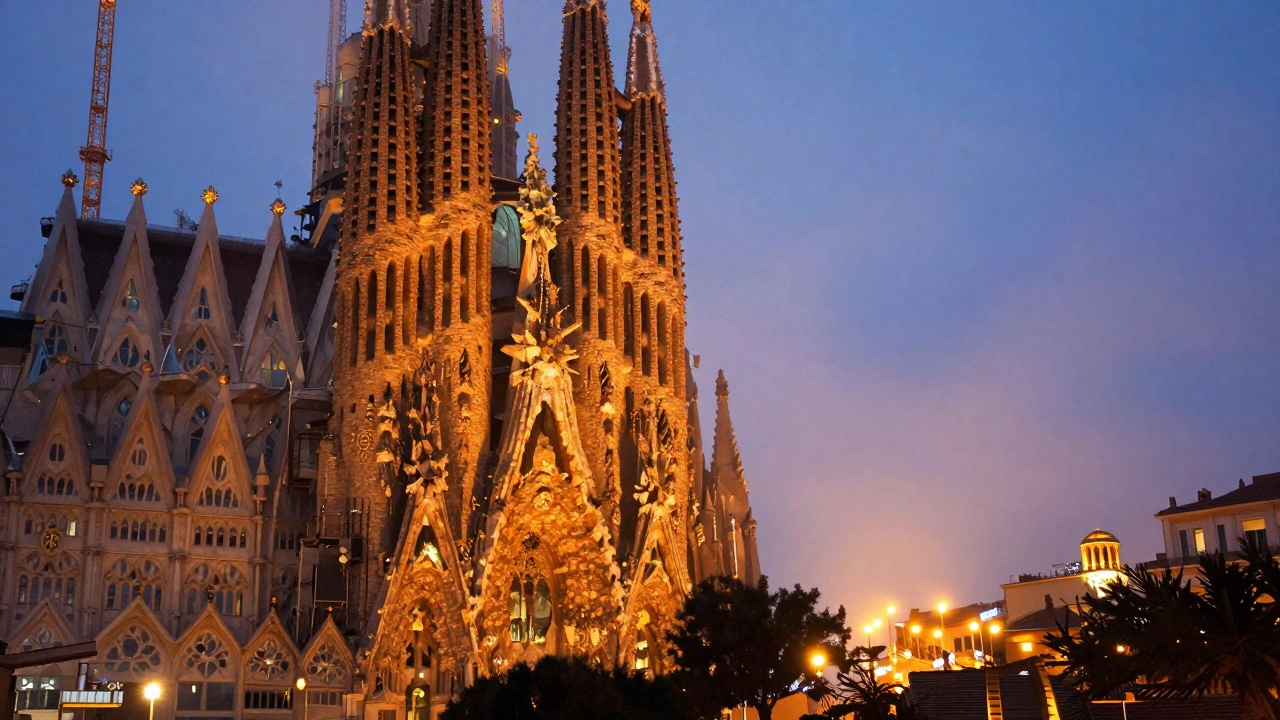
- Barcelona, Spain - The Gothic Quarter’s stone facades glow under warm streetlights. Sagrada Família, lit from below, looks like a cathedral carved from starlight. Head to Torre Glòries or Bunkers del Carmel for panoramic views.
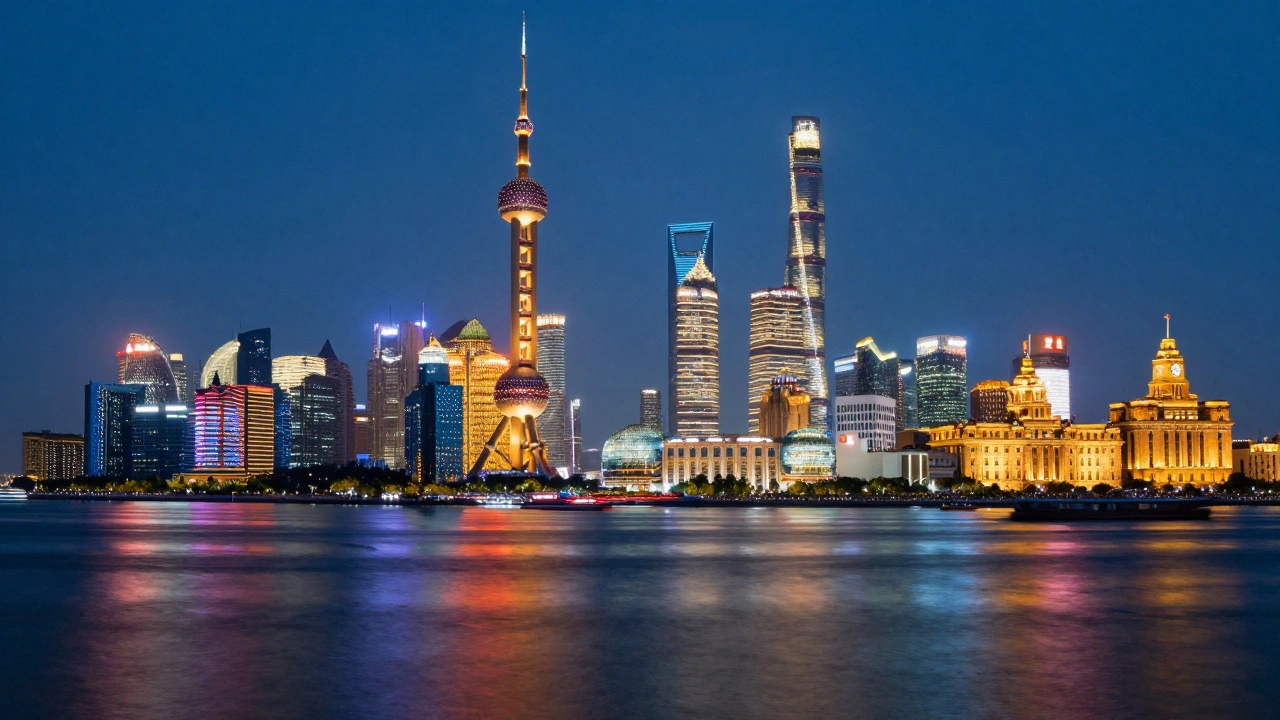
- Shanghai, China - The Pudong skyline, especially along the Bund, is the most dramatic in Asia. The contrast between the colonial-era buildings and the futuristic towers is surreal under blue hour. The water reflects every light, doubling the magic.
Timing Matters-More Than You Think
You can’t just show up at sunset and hope for the best. Blue hour isn’t a range-it’s a narrow window. Use apps like PhotoPills, The Photographer’s Ephemeris, or even your phone’s weather app. They’ll tell you the exact start and end times for your location.
Here’s the rule: Arrive 45 minutes before sunset. Set up your tripod. Frame your shot. Test exposures. By the time the sun drops, you’re ready. The first 10 minutes are too bright-the sky’s still too light. The next 15? That’s your sweet spot. After that, the sky goes black, and the city lights start to dominate. You lose the blue.
Pro tip: Shoot a test shot every 5 minutes. You’ll see how the colors shift. The sky goes from indigo to navy, then charcoal. The lights go from dim to brilliant. You’ll know exactly when to take your best frame.
Weather and Season: The Hidden Variables
Clear skies? Perfect. You’ll get a crisp horizon and layered blues. Clouds? Even better-sometimes. If clouds sit low on the horizon, they catch the last reds and oranges from the sun. That creates a glow behind buildings, adding depth. But thick, overcast skies? They’ll wash out the blue. You’ll get flat, gray light. No drama.
Season matters too. In summer, especially above the Arctic Circle, blue hour disappears. In winter, it stretches out. In Tokyo, December gives you longer blue hour than July. Always check the date. A trip to Stockholm in June? You might not get blue hour at all. Go in January? You’ll have over an hour of it.
Golden Hour vs Blue Hour: When to Use Which
| Factor | Blue Hour | Golden Hour |
|---|---|---|
| Time of Day | 10-40 min after sunset or before sunrise | 15-30 min after sunrise or before sunset |
| Sky Color | Deep blue, cool tones | Warm gold, orange, pink |
| Light Quality | Diffused, even, low contrast | Directional, soft, warm |
| Best For | Cityscapes, water reflections, architecture | Portraits, street scenes, natural landscapes |
| Exposure Difficulty | High (needs tripod, manual settings) | Low (forgiving, natural light) |
| Light Contrast | Warm lights vs cool sky | Warm light on warm surfaces |
Advanced Tip: Time Blending for Perfect Results
What if you miss the sweet spot? Or the sky darkens too fast? There’s a trick: time blending.
Take two shots: one at the start of blue hour, when the sky is still slightly lit, and another 15 minutes later, when the city lights are fully on. Keep your tripod locked. In editing, layer them. Blend the sky from the first shot with the lights from the second. You get the best of both: a rich blue sky and glowing, detailed buildings.
This works best in cities with stable architecture-no moving cars, no people walking through your frame. It’s advanced, but it’s how pros get those jaw-dropping shots you see in magazines.
Final Tips for Travel Photographers
- Scout locations during daylight. Know where you’ll stand. Identify foreground elements-water, bridges, arches-that add depth.
- Check wind forecasts. Windy nights mean shaky trees. Calm nights mean smooth reflections.
- Bring a headlamp (red light mode). It helps you see your gear without ruining your night vision.
- Don’t forget a spare battery. Long exposures drain power fast.
- Be patient. The best shot often comes 5 minutes after you think it’s over.
Blue hour doesn’t care how good your camera is. It only cares if you’re there. And if you are? You’ll walk away with something that feels less like a photo-and more like a memory made of light.
How long does blue hour last?
Blue hour typically lasts 20 to 40 minutes, depending on your latitude and time of year. Near the equator, it’s shorter-around 20 minutes. In higher latitudes during winter, it can stretch to over an hour. Always check local sunrise/sunset times using apps like PhotoPills or The Photographer’s Ephemeris.
Can I shoot blue hour without a tripod?
Technically yes, but you’ll get blurry images. Blue hour light is too dim for fast shutter speeds. Without a tripod, you’ll need to crank up your ISO, which adds noise. A tripod is non-negotiable for sharp, clean cityscape shots. If you absolutely can’t carry one, try resting your camera on a railing, bench, or even a bag of sand.
Is blue hour better at sunrise or sunset?
Both are great, but they offer different moods. Sunset blue hour often has more active city life-cars, people, glowing windows. Sunrise blue hour is quieter, calmer. It’s ideal for empty streets, mist over water, or fog clinging to buildings. If you want drama, go for sunset. If you want serenity, try sunrise.
Do I need to shoot in RAW for blue hour?
Yes. Blue hour lighting is tricky. The sky can look too dark in-camera, and artificial lights can clip into pure white. RAW files preserve shadow detail and color information so you can recover those areas in editing. JPEGs lose this data permanently. For serious cityscape work, RAW is the standard.
What’s the best aperture for blue hour cityscapes?
f/5.6 to f/8 is ideal. You want enough depth of field to keep buildings sharp from front to back. If you use too wide an aperture like f/2.8, parts of your scene may blur. If you go too narrow (f/16+), diffraction softens the image. Stick to f/5.6-f/8 for sharpness and good exposure.
Can I use my smartphone for blue hour photography?
Yes, but with limits. Modern phones have Night Mode, which simulates long exposures. Use a tripod or rest the phone on a stable surface. Avoid digital zoom. Shoot in Pro or Manual mode if available. The results won’t match a DSLR, but you can still capture stunning city lights. Just be patient-tap to focus, lock exposure, and wait for the shot to process.