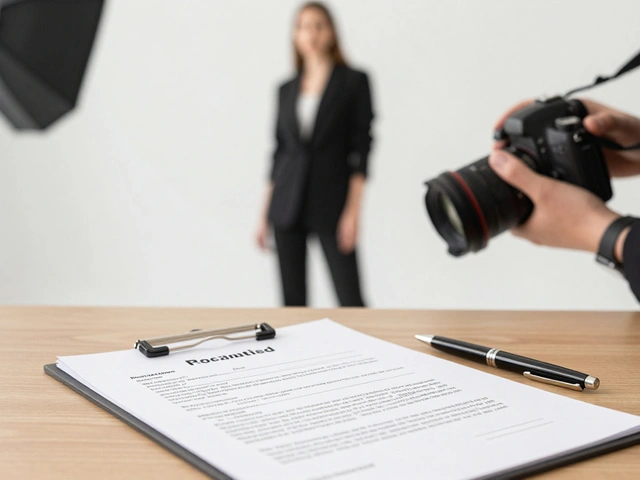
Imagine spending a whole weekend on a high-end shoot, only to have your favorite shot blocked from a major ad campaign because the subject decided they no longer like how they look. Or worse, imagine receiving a legal notice for invasion of privacy because you used a client's photo on your portfolio website without their explicit permission. This is where the model release is a binding legal document signed between a photographer and a subject that grants permission to use an image for specific purposes. Without it, you aren't just risking a grumpy client; you're risking your business.
Whether you are a seasoned pro or just starting to take paid gigs, understanding the line between a friendly "sure, take my photo" and a legally binding agreement is critical. A model release protects you from claims of defamation or unauthorized use of likeness, turning a simple image into a usable commercial asset.
| Feature | Consent Form | Legal Contract |
|---|---|---|
| Legal Weight | Low (can be revoked) | High (binding) |
| Primary Use | Non-commercial/GDPR | Commercial licensing/Ads |
| Compensation | Usually none | Required for validity |
When do you actually need a release?
The biggest mistake photographers make is thinking they need a release for every single photo. That's not the case. The decision boils down to two questions: Is the person identifiable? And how are you using the photo?
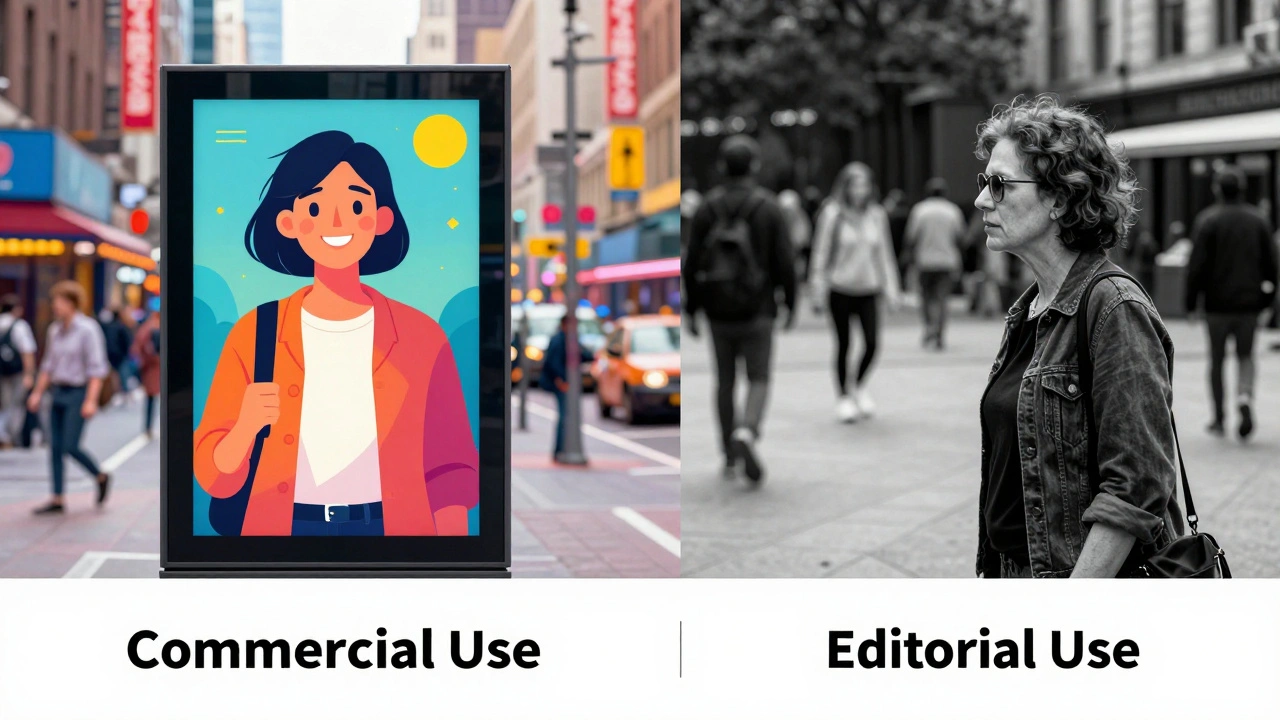
If the image is for Commercial Use-meaning it's intended to sell a product, promote a service, or attract clients to your business-you need a signed release. This includes your own portfolio if you're using it to get more paid work. Stock agencies like Adobe Stock are incredibly strict about this; they won't accept a photo of a recognizable person, even a family member, without a signed document.
On the flip side, Editorial Use is a different beast. If your photo is going into a newspaper, a textbook, or a trade publication to illustrate a news story or educational point, you generally don't need a release. This falls under "fair use." Similarly, street photography in public places is usually fine for art galleries or books, provided you aren't using the image to sell a brand of sneakers or a skincare line.
The anatomy of a bulletproof release
A scrap of paper that says "I agree" isn't going to hold up in court. To ensure your release is legally relevant, it needs specific data points. At a minimum, you need the full legal names of both the photographer and the model, the date of the signing, and clear signatures from both parties.
One pro tip: make sure your release includes a clause about "assigns." This means that if you sell the photo to an agency or a third-party distributor, the permission transfers to them too. Without this, you might find yourself in a legal deadlock when trying to license your work to a global brand.
You also need to be specific about the scope. Does the release cover one specific session, or every photo you've ever taken of that person? Does it allow use on social media, billboards, or just your website? Being vague is an invitation for a lawsuit. If you tell a client the photo is for a local flyer and then put it on a giant billboard in Times Square, they have a legitimate reason to sue you for breach of contract.
Handling minors and legal guardians
Photographing kids is a legal minefield if you don't do it right. A minor cannot legally sign a contract. If the person in your photo is under 18, the release is useless unless it is signed by a parent or legal guardian. This is a non-negotiable rule across the industry.
If you're doing a school shoot or a family session, don't just take the child's word that their parents are okay with it. Get the signature on paper before you even click the shutter. Many professional agencies will immediately reject any content featuring minors if the guardian's signature is missing or looks forged.

Integrating releases into your business workflow
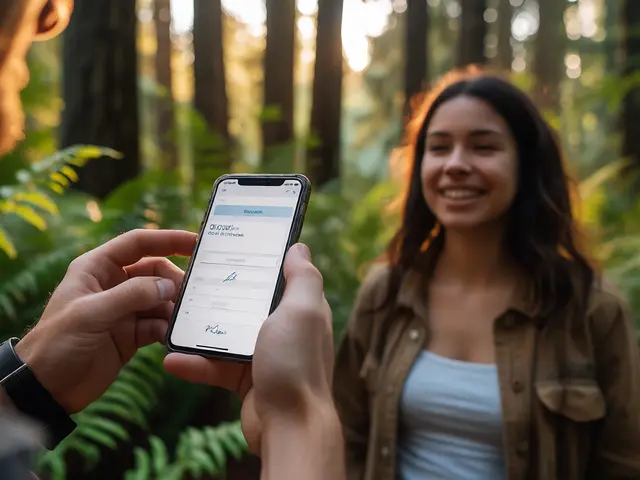
Asking for a signature at the end of a long shoot can feel awkward. The best way to handle this is to integrate the model release directly into your main photography contract. Since your clients are already signing a service agreement, adding a clause that grants you permission to use images for marketing purposes makes the process seamless.
When you bring it up, don't treat it like a scary legal requirement. Explain it as a way to showcase the great work you did together. Most clients are happy to be in a professional portfolio, but they appreciate the transparency of knowing exactly where their face will appear.
Another vital point is compensation. In the world of binding contracts, "consideration" (something of value) is required. While a "token" amount-like a single dollar-might seem like a loophole, some courts find it unfair and may invalidate the contract. Providing a set of edited digital files or a small fee ensures the agreement is legally sound.
The risk of ignoring the paperwork
What happens if you just wing it? If you use a client's image for advertising without a release, you are open to lawsuits based on privacy laws. Courts look at whether the image is "commercial in nature." If you're making money from the image, the law generally sides with the person whose likeness is being used.
Beyond the legal fees, there's the reputation hit. Nothing kills a professional reputation faster than a public dispute over image rights. A simple PDF or a digital signing app can save you from months of legal headaches and thousands of dollars in settlements.
Do I need a model release for street photography?
If you are taking photos in a public place and the images are for artistic or editorial use (like a gallery or a news article), you generally do not need a release. However, the moment you want to sell that photo to a company for an ad campaign, you must get a signed release from any identifiable person in the shot.
Can a model change their mind after signing a release?
If they signed a simple consent form, they can often withdraw consent at any time (especially under GDPR). However, if they signed a legally binding contract and received fair compensation, it is much harder for them to revoke permission. This is why a full contract is better than a simple consent form for commercial work.
What counts as an "identifiable" person?
A person is identifiable if a reasonable observer could recognize them. This isn't just about a clear face shot; unique tattoos, very distinct clothing, or a specific combination of features that make them recognizable can qualify as identifiable, meaning you still need a release.
Is a verbal agreement enough?
Verbal agreements are a nightmare to prove in court. While they might work for low-stakes personal projects, they offer zero protection for commercial work. Always get the agreement in writing to avoid "he said, she said" disputes.
Do I need a release for a group photo?
Yes. Every single person who is recognizable in the image must sign a release. If you have a photo of ten people and nine sign but one refuses, you cannot use that photo commercially without blurring out or removing the tenth person.