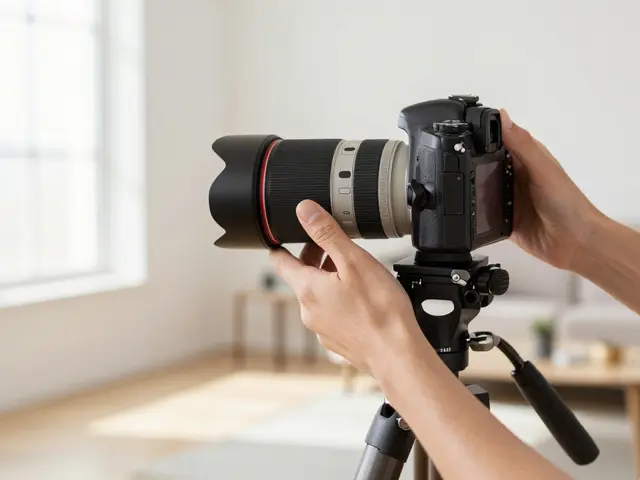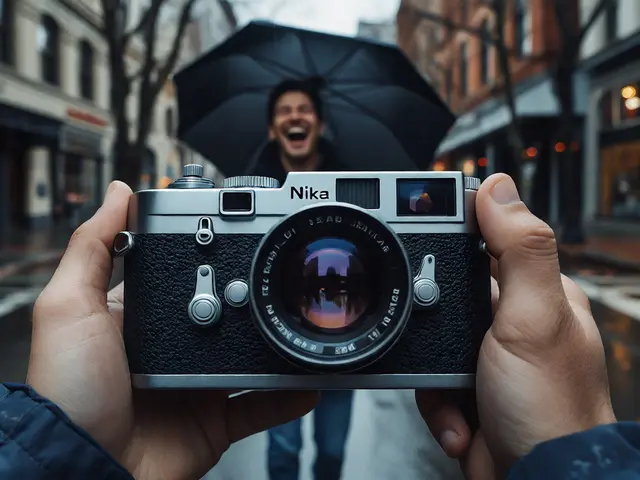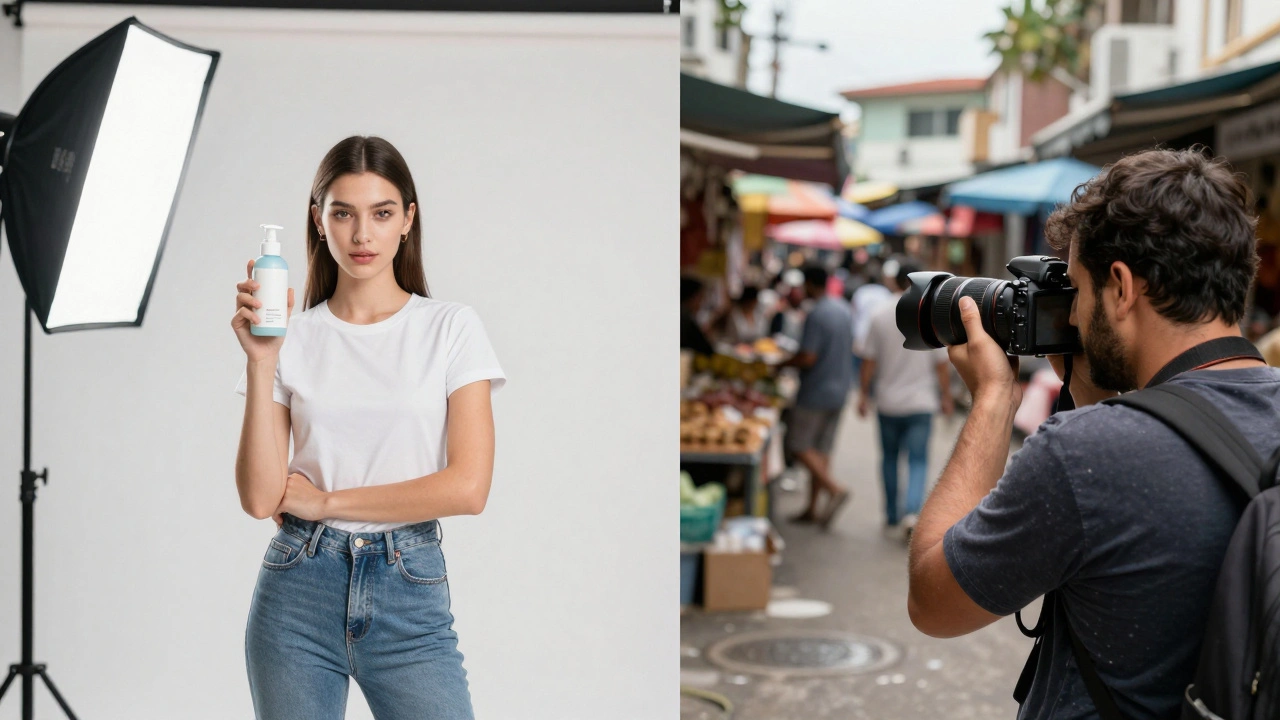
You find the perfect image for your campaign. It captures the mood, the lighting is flawless, and it fits your brand perfectly. You download it, slap it on your website, and launch your ad. Two days later, you get a cease-and-desist letter. This scenario happens more often than you think because the difference between Commercial Photography is photography used to advertise, endorse, or promote a product, service, or brand with the goal of generating profit and Editorial Photography is photography used to tell stories, document real events, or support written narratives in publications without profit generation as the primary objective is often misunderstood. Getting this wrong can cost you thousands in legal fees or force you to pull your entire marketing campaign.
Understanding these license types isn't just legal jargon for lawyers; it's the foundation of how images are bought, sold, and used in the digital age. Whether you are a photographer trying to sell your work or a business owner looking to buy images, the rules governing usage rights define what you can and cannot do. The core distinction comes down to intent. Are you using the image to sell something, or are you using it to report on something? That single question dictates the licensing path you must take.
The Core Purpose: Selling vs. Storytelling
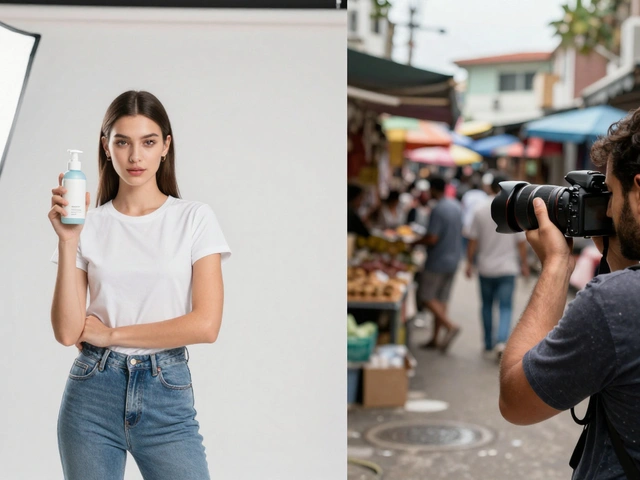
At its heart, the difference lies in the purpose of the image. Commercial Photography is photography used to advertise, endorse, or promote a product, service, or brand with the goal of generating profit exists to drive sales. If an image appears on a product package, in a social media ad, or on a billboard, it is commercial. The goal is to persuade the viewer to take a specific action that benefits a business financially. This implies an endorsement. If you use a photo of a person drinking a soda in an ad, the viewer might assume that person likes the soda. That assumption is why permissions are so strict.
On the other hand, Editorial Photography is photography used to tell stories, document real events, or support written narratives in publications without profit generation as the primary objective serves journalism and information. It appears in news articles, magazines, textbooks, and blogs. The purpose is to inform, educate, or document reality. If you are writing an article about the rising cost of coffee, you can use a photo of a barista working, even if you don't have their permission, as long as the photo supports the story. The image isn't selling the coffee; it's illustrating the news.
This distinction affects where the image can live. Commercial images are everywhere your business reaches customers. Editorial images are restricted to content that tells a story. You cannot take an editorial photo and use it on a product label. You also cannot use it in a direct sales email. The line is drawn at profit generation. If the image directly contributes to a sale or brand promotion, it needs a commercial license.
The Legal Backbone: Model and Property Releases
The reason commercial photography requires more paperwork is the concept of likeness rights. When you use someone's face to sell a product, you are using their identity for profit. To do this legally, you need a Model Release is a legal document signed by a person in a photograph granting permission for their image to be used for commercial purposes. This form states that the person agrees to be photographed and agrees to let the photographer or client use that image for advertising. Without this signed form, the image is usually restricted to editorial use only.
It gets even more complicated when property is involved. If a photo features a recognizable building, a trademarked logo, or a unique piece of art, you might need a Property Release is a legal document signed by the owner of private property or intellectual property granting permission for the image to be used commercially. For example, if you photograph a street scene and a prominent Nike logo is visible on a runner's shoes, you cannot use that photo for a commercial ad without permission from Nike. However, you can use that same photo for an editorial article about running trends because the logo is part of the story, not an endorsement.
Stock photography agencies enforce these rules strictly. When you upload an image, you must declare if it has the necessary releases. If you submit a photo with a recognizable face but no model release, the agency will tag it as editorial. This limits who can buy it. Commercial buyers filter out editorial images because they carry legal risk. They need the assurance that a lawsuit won't come from a model claiming their likeness was used without consent.
Stock Photography and Licensing Mechanics
When you browse stock photo websites, you will see filters for "Commercial" and "Editorial." This isn't just a label; it's a legal classification. Commercially licensed content generally sells better because it has more use cases. A business can use a commercial image on their website, in brochures, on social media, and in email campaigns. An editorial image is locked to news and educational content. This limitation makes editorial images less valuable to the average buyer, which is why commercial photos often command higher fees.
However, getting a commercial license is harder. You have to secure the paperwork. If you are a photographer shooting in public spaces, you might capture amazing candid moments. But if you didn't get a release from the people in those moments, that photo is editorial only. You can still sell it, but the pool of buyers is smaller. Many photographers find that editorial work pays less, but it provides a steady stream of income from news outlets and publishers who need authentic documentation.
Licensing agreements also cover the scope of usage. A license might be exclusive or non-exclusive. It might be for a specific time period, like one year, or in perpetuity. It might cover specific regions, like North America only. When buying an image, you must check the fine print. Failing to comply with these terms can result in having to pull down posts and remove or replace images. Some platforms offer Creative Commons is a licensing system that offers free options for photographers to distribute their work with varying levels of permission licenses. These range from CC0, which releases work into the public domain, to licenses that allow commercial use but require attribution. Always read the specific license attached to the image.
Brands, Logos, and Copyrighted Content
One of the trickiest areas for photographers is dealing with branded content. In commercial photography, you generally want to avoid logos unless you have permission. If you are shooting a product shot for a client, you own the rights to use the product in that context. But if you are shooting a lifestyle image and a person is holding an iPhone, that logo is copyrighted. For commercial use, you need a property release from Apple. For editorial use, the logo is fine because it helps tell the story of technology usage.
Keywording plays a role here too. When submitting editorial photos, you cannot use brand names as keywords in some cases. If you tag a photo with "iPhone," you might be implying a connection to the brand. Instead, use general terms like "smartphone" or "mobile device." This keeps the metadata neutral and avoids suggesting an endorsement that doesn't exist. This nuance is often overlooked by new contributors to stock agencies, leading to rejected submissions.
There is a gray area where an image can serve both purposes. If you photograph a beach scene with people enjoying the sun, and you manage to get signed releases from everyone visible, that photo can be licensed commercially. The release is the mechanism that unlocks the commercial potential. Without the release, it stays editorial. This is why some photographers carry release forms in their camera bag. They know that getting the signature on the spot can double or triple the value of the image later.
Financial Implications and Career Strategy
Money talks in the photography industry. Commercial photography pays significantly more than editorial work. A commercial campaign might pay thousands of dollars for a single day of shooting, while an editorial assignment might pay a few hundred. This disparity reflects the risk and the value. Commercial clients pay a premium for the legal safety net that releases provide. They are buying the right to use the image without fear of litigation.
For photographers building a portfolio, understanding this split is crucial. If you want to work in advertising, you need to learn how to manage releases and work with legal teams. If you want to work in journalism, you need to focus on storytelling and capturing authentic moments. Some photographers do both. They might shoot a fashion show (editorial) and then license specific shots to a magazine (editorial) while also selling generic fashion images to ad agencies (commercial) if they have the releases.
Financially, stock photography platforms handle the licensing for you. They vet the images and tag them correctly. As a buyer, you trust their system. But as a creator, you are responsible for the initial classification. Misclassifying an editorial image as commercial can get your account banned. It damages your reputation and can lead to legal trouble if a client sues you for providing a false license.
Common Pitfalls and How to Avoid Them
Many businesses make the mistake of assuming that buying a photo gives them all rights. It doesn't. If you buy a photo from a stock site, you are buying a license to use it, not the copyright itself. The photographer still owns the image. You are renting the right to display it under specific conditions. If those conditions are editorial, and you use it commercially, you are in breach of contract.
Another common error is using social media images without permission. Just because a photo is on Instagram doesn't mean it's free to use. The default setting is all rights reserved. You need to contact the photographer and negotiate a license. This applies to influencers as well. If you want to use an influencer's photo for your ad, you need a commercial usage agreement. Their standard contract might only allow them to post it on their own feed, not for your paid ads.
Finally, be careful with public domain claims. Not everything old is public domain. Copyright laws vary by country and duration. In the US, works published before 1929 are generally public domain. But a photo taken in 1980 is likely still under copyright. Always verify the status before assuming you can use an image freely.
Summary of Key Differences
To make this clear, here is a breakdown of how these two types differ in practice. This comparison helps you decide which license you need for your next project.
| Feature | Commercial Photography | Editorial Photography |
|---|---|---|
| Purpose | Advertising, Promotion, Sales | News, Education, Storytelling |
| Model Releases | Required for recognizable people | Not required |
| Property Releases | Required for brands/logos | Not required |
| Cost | Higher fees | Lower fees |
| Usage | Ads, Packaging, Websites | Articles, Blogs, Textbooks |
Knowing these differences protects you from legal headaches and ensures you get the best value for your money. If you are unsure, always err on the side of caution. Contact the photographer or the agency to clarify the license terms before you publish.
Can I use an editorial photo for a blog post?
Yes, editorial photos are designed for use in articles and blog posts that tell a story or inform readers. Just ensure the blog is not primarily selling a product in conjunction with the image.
Do I need a model release for a photo of a crowd?
For commercial use, yes, if any individual is recognizable. For editorial use, no, as long as the photo is documenting an event. If the crowd is the subject, individual releases are often not needed for editorial.
What happens if I use a commercial photo for editorial purposes?
This is generally allowed. Commercial licenses usually cover editorial use as well. You are buying the broader right, so using it for the narrower right is fine.
Can I edit an editorial photo to remove a logo?
You should not alter editorial photos significantly. Removing a logo changes the context of the story. It is better to find a different image that fits your needs without the logo.
Is Creative Commons the same as public domain?
No. Public domain means no copyright exists. Creative Commons still has copyright but grants specific permissions. CC0 is the closest to public domain, but other CC licenses have restrictions like attribution.
Navigating the world of photography licensing requires attention to detail. Whether you are creating or consuming images, the rules are there to protect everyone involved. Respect the licenses, get the releases, and your work will stand on solid ground.