Ever look at a professional landscape photo and feel like you could actually walk right into the scene? That's not magic; it's a calculated trick of the eye. Because a camera flattens a three-dimensional world into a two-dimensional rectangle, you lose the natural sense of space we have in real life. To fix this, you have to manually rebuild that dimension using creating depth in photography is the process of strategically layering the frame to trick the brain into seeing distance. If you just point and shoot, you often end up with a "flat" image that looks more like a postcard than a place. The secret lies in how you manage three specific zones: the foreground, the midground, and the background.
The Three Pillars of Spatial Depth
Before you click the shutter, you need to visualize your frame as three distinct slices. Think of it like a stage play where actors are placed at different distances from the audience to create a sense of scale.
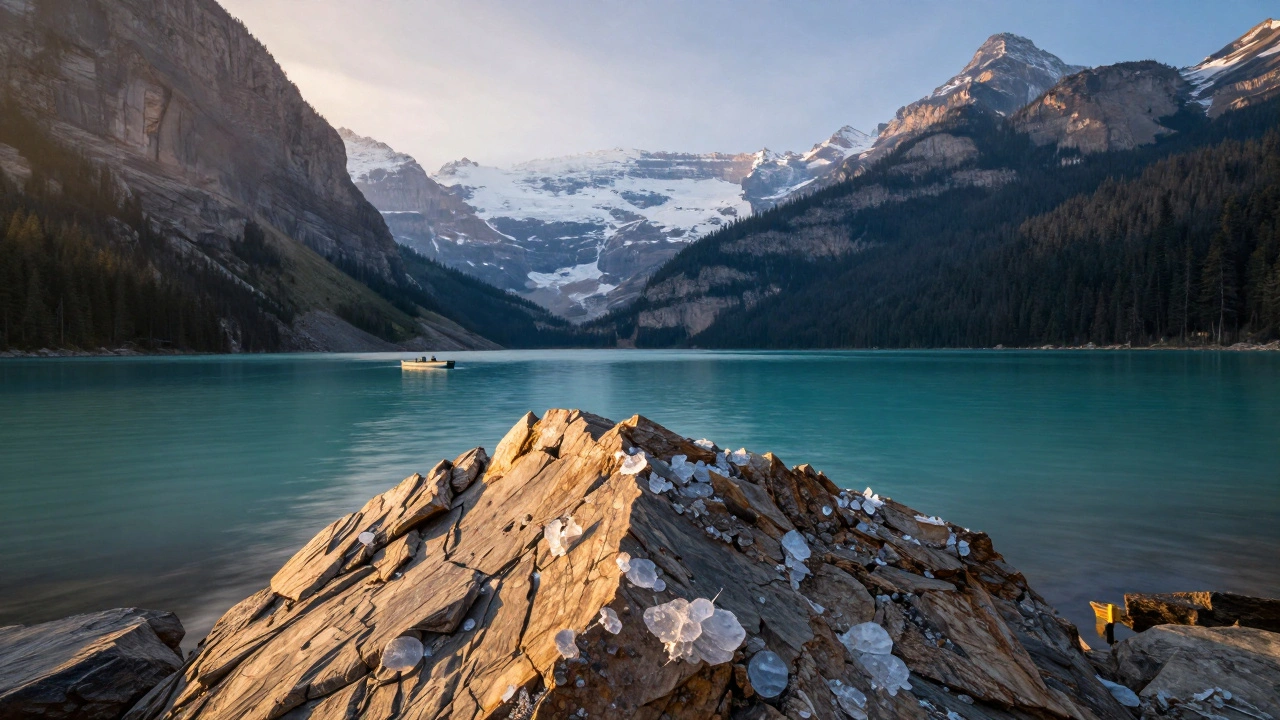
- Foreground is the area closest to the lens, serving as the entry point for the viewer's eye. It's not just about what's there, but how it leads the viewer into the rest of the story.
- Midground is the middle section of the image where the primary subject usually lives. This is the heart of your photo, connecting the immediate front to the distant back.
- Background is the furthest layer, typically occupying the top and sides of the frame. It provides the context and atmosphere, telling the viewer where the scene is taking place.
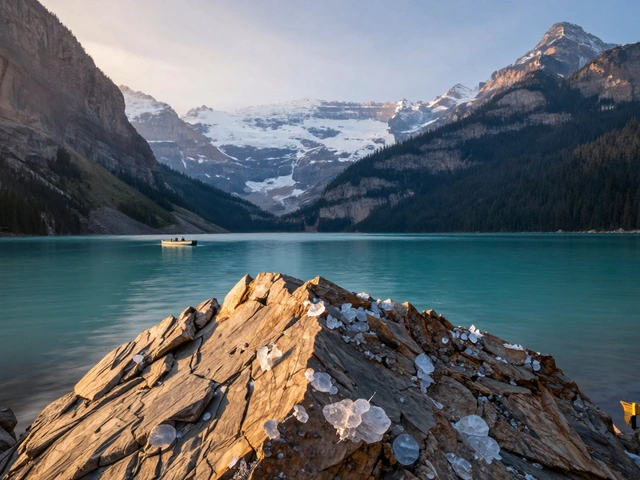
Most beginners make the mistake of focusing only on the subject (the midground). But a great subject in a boring environment feels disconnected. To avoid this, try working backward: find your background first, ensure the main subject is strong, and then hunt for a foreground element that ties them together. A stunning rock in the foreground can't save a blurry, uninteresting horizon.
Technical Tricks to Stretch the Frame
How you handle your gear changes how these layers interact. If you're using a Wide-Angle Lens, you have a superpower: exaggeration. By getting your tripod physically lower to the ground and moving closer to a foreground object, you make that object appear larger and more imposing. This naturally pushes the midground and background further away, stretching the perceived distance and removing "dead space" in the middle of your image.
| Focal Point Position | Visual Effect | Best Use Case |
|---|---|---|
| Foreground | Intimate and immersive | Detail shots, leading the eye inward |
| Midground | Balanced and natural | Standard portraits and street photography |
| Background | Ambient and vast | Epic vistas and environmental portraits |
Compositional Moves for Immediate Depth
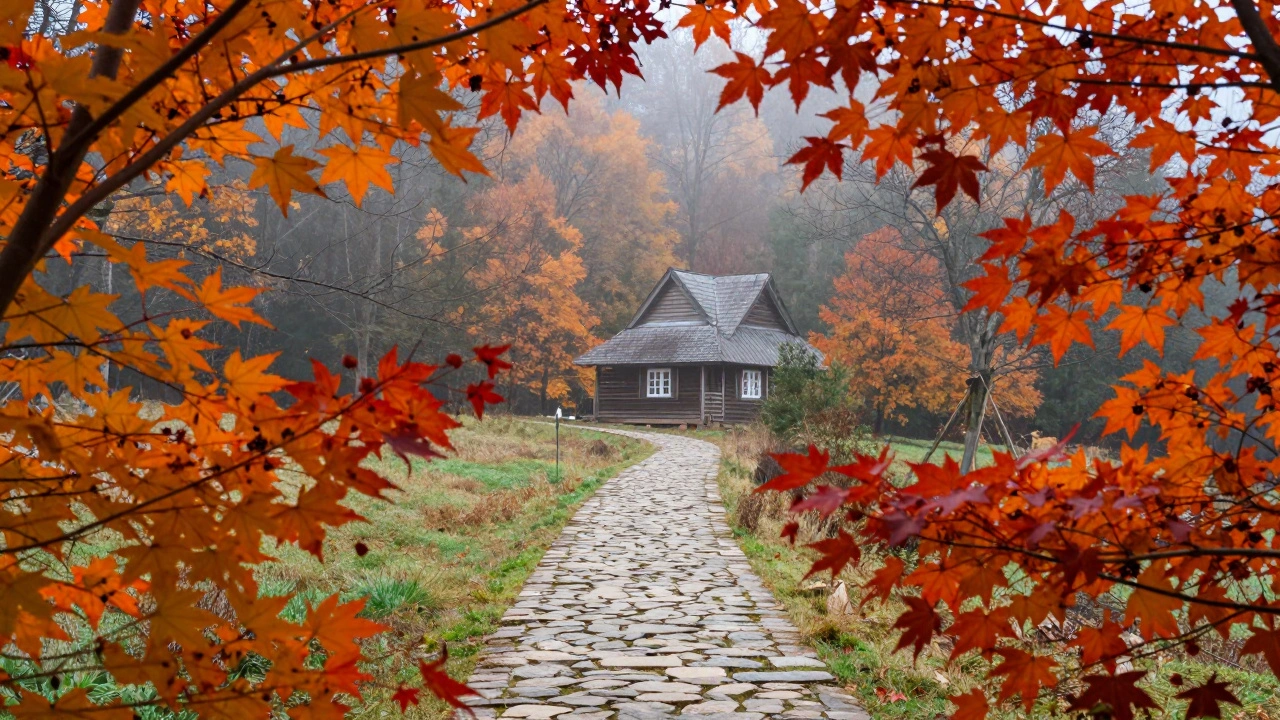
Knowing the layers is one thing; manipulating them is where the art happens. One of the most effective moves is the "Frame Within a Frame" technique. Imagine shooting a mountain through a gap in some autumn leaves. The leaves become your foreground "window," forcing the viewer to look through a physical barrier to see the subject. This creates an instant sense of layers and focuses all the attention on the center of the image.
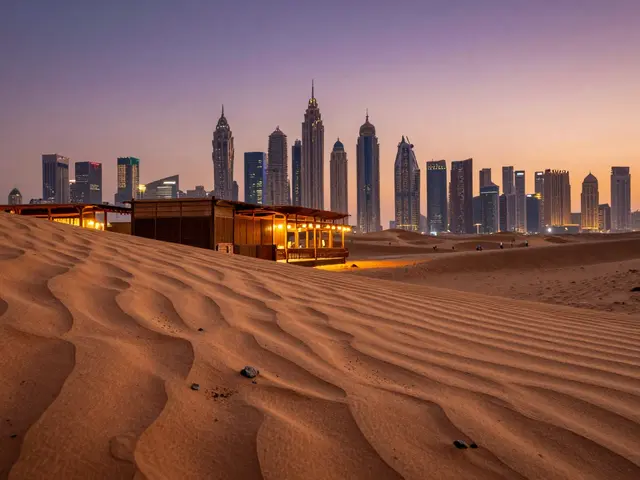
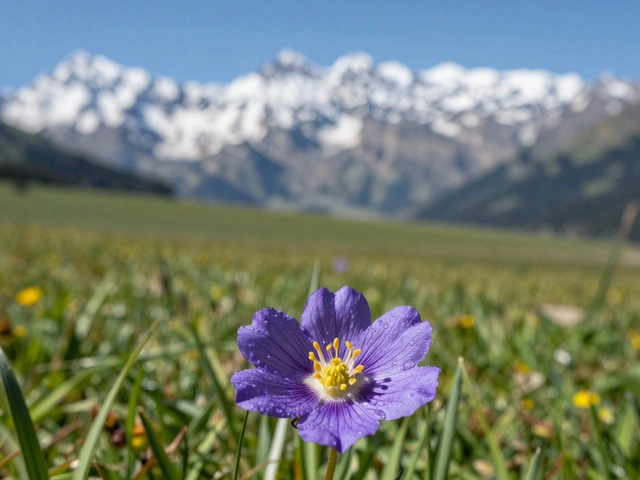
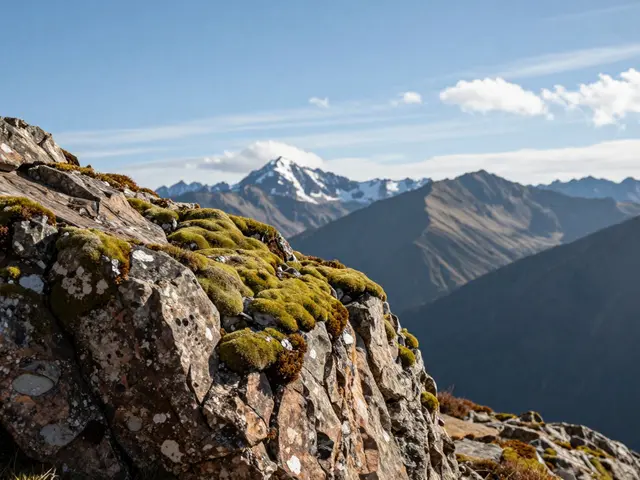
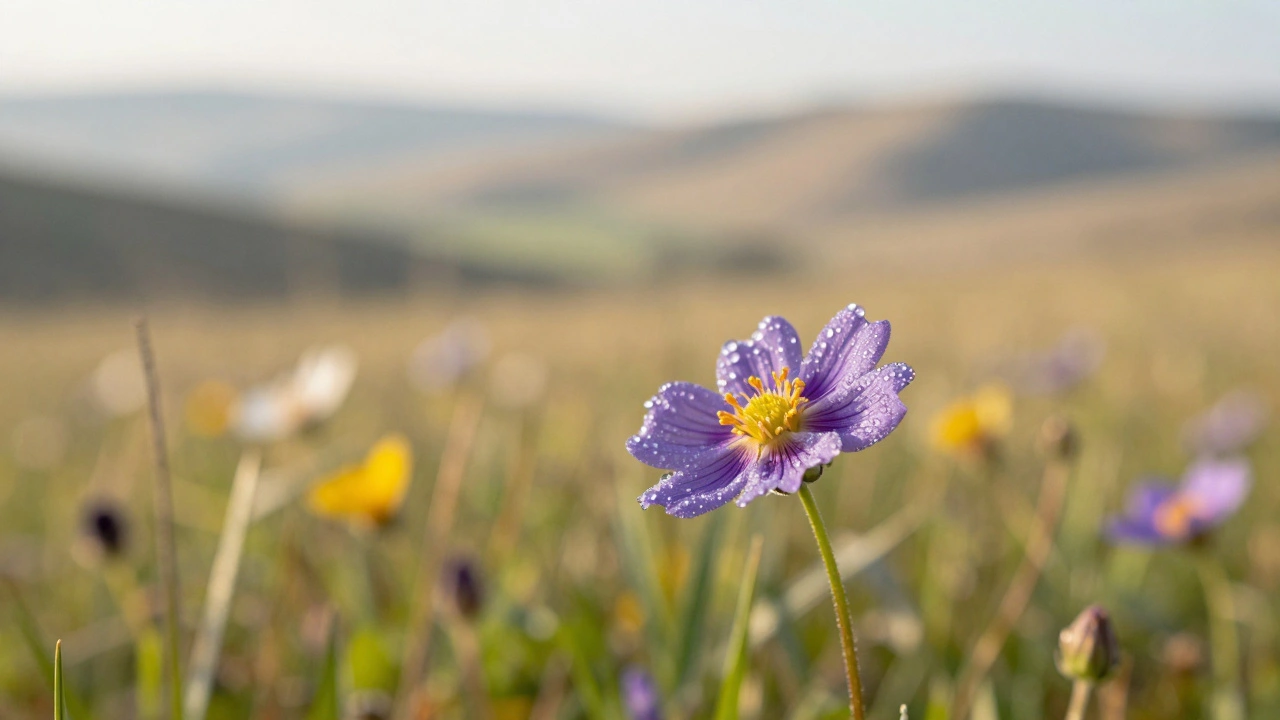
If your photos feel like they're "leaking" at the bottom, try the "Bottom Anchor" approach. Instead of leaving the bottom edge of your photo empty, place something solid there-like a cluster of wildflowers, a jagged rock, or a patch of textured sand. This acts as a visual weight that keeps the viewer's eye from sliding out of the frame, grounding the image and adding a tactile 3D quality.
To make these layers feel connected rather than like three separate photos pasted together, use Leading Lines. A winding path, a river, or even a fence line that starts in the foreground and cuts through the midground toward the background creates a visual highway. It tells the viewer exactly how to navigate the space.
Playing with Light, Color, and Detail
Our brains use more than just size to determine distance; we use atmosphere. This is where color and detail gradation come into play. In the real world, objects far away look paler, bluer, and less detailed. You can mimic this in your photos to enhance the illusion of space.
Try keeping your foreground elements sharp and high-contrast. As the eye moves toward the background, let the colors become slightly more muted or cooler. This mimics atmospheric haze, a phenomenon where particles in the air scatter light. When you combine sharp foreground detail with a soft, fading background, the sense of scale becomes massive.
The Depth of Field is your primary tool here. In portraiture, a shallow depth of field (blurred background) isolates the subject and creates a clear distinction between the midground and the back. In landscapes, you usually want a deep depth of field, where everything from the pebble at your feet to the mountain on the horizon is crisp. This requires a smaller aperture (higher f-number) to ensure all three layers are rendered clearly.
Common Pitfalls to Avoid
It's easy to overdo it. A common mistake is adding a foreground element just for the sake of it, even if it doesn't fit the scene. If you put a random branch in the foreground that blocks your main subject or distracts from the story, it's no longer an "anchor"-it's a distraction. Every element in the foreground must serve the main subject.
Another trap is the "empty midground." This happens when you have a great foreground and a beautiful background, but nothing in between. The result is a visual jump that feels unnatural. If you notice a gap, move your position. Sometimes stepping two feet to the left can bring a tree or a rock into the midground, bridging the gap and smoothing out the transition.
Do I always need all three layers for a good photo?
No, it's not a strict rule. Some of the most powerful images are minimalist and intentionally flat. However, if your goal is to create a sense of place or an immersive environment, having distinct layers is the most reliable way to achieve it.
How do I find a good foreground in a boring location?
Get low. When you drop your camera height to just a few inches off the ground, ordinary things like blades of grass, pebbles, or cracks in the pavement become dramatic foreground elements. Changing your perspective often reveals a layer you didn't see while standing up.
Does the lens choice really matter for depth?
Absolutely. Wide-angle lenses expand the space between objects, making foreground elements look larger and backgrounds look further away. Telephoto lenses do the opposite-they "compress" the scene, making the foreground, midground, and background appear much closer together.
What is the best aperture for landscape depth?
Generally, an aperture between f/8 and f/16 is the sweet spot. This provides enough depth of field to keep your foreground anchor and your distant background sharp, while avoiding the loss of quality that comes with extremely small apertures (diffraction).
Can I create depth in a portrait?
Yes. Use a shallow depth of field to blur the background, or place the subject in a doorway (foreground frame) to create layers. Even something simple, like having the subject hold a flower close to the lens, adds a foreground layer that increases the image's complexity.
Next Steps for Practice
If you're feeling stuck, try these three exercises on your next outing:
- The Low-Angle Challenge: Take five photos of the same scene, but each time, get your lens closer to the ground. Notice how the foreground elements start to dominate and push the background away.
- The Frame Hunt: Find a subject and then spend ten minutes looking for something to shoot "through" (leaves, a fence, a window). See how this change affects the feeling of distance.
- Layer Mapping: Before taking a photo, literally point to the foreground, midground, and background with your finger. If you can't find all three, move your body until you can.