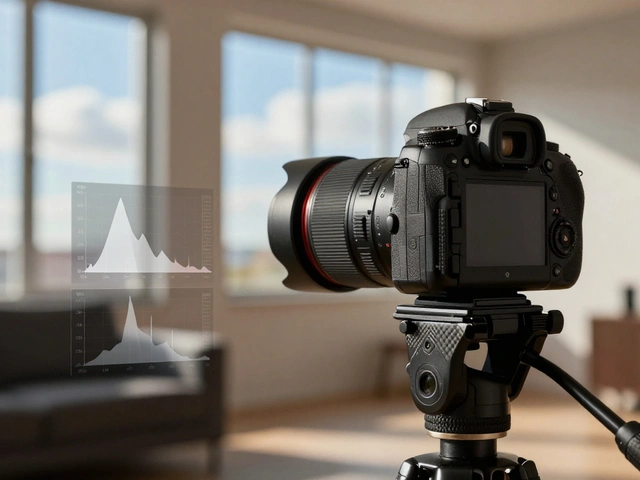
Want to get better at photography but don’t know where to start? You’re not alone. Many photographers hit a wall after the first few months-same subjects, same angles, same lighting. The fix isn’t more gear. It’s structure. A photo project with clear themes turns practice into progress.
Why Monthly Themes Work
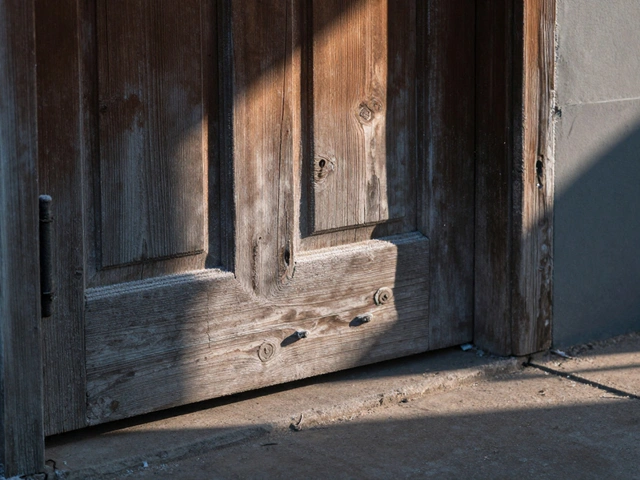
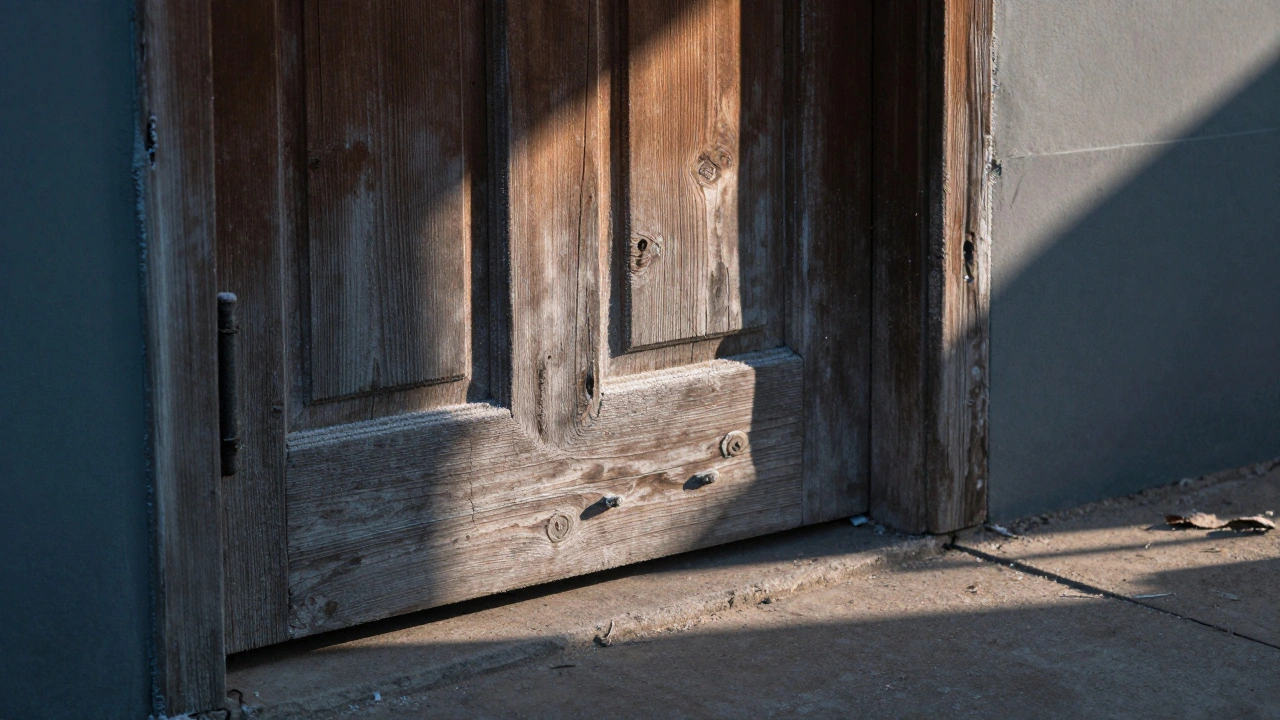
Think of a monthly theme like a workout routine for your eyes. You don’t just lift weights randomly-you target specific muscles. Same with photography. A theme forces you to look differently, shoot differently, think differently. Take Portland Photographic Society’s 2025 calendar. February’s theme? Doorways. Not just any door. The primary subject. That means you stop snapping random streetscapes. You start noticing how light falls on a rusted fire escape. How a cracked wooden porch door holds history. How a glass door in a modern building reflects the sky like a painting. Suddenly, you’re not taking pictures-you’re telling stories with frames. These themes aren’t arbitrary. They’re designed to build skills. September’s Minimalist theme teaches you to see negative space. November’s Slow Shutter Speed (minimum 1-second exposure) forces you to slow down, use a tripod, and understand motion. January’s Textures in Black & White strips away color so you focus entirely on shape, contrast, and tone. These aren’t just fun assignments-they’re training wheels for your creativity.What Makes a Great Monthly Theme?
Not all themes are created equal. The best ones have three things:- A clear subject or constraint (e.g., “one door,” “no pets,” “only shadows”)
- A technical or compositional challenge (e.g., “use leading lines,” “1-second exposure,” “black and white only”)
- Room to interpret (you can shoot a barn door, a car door, a hospital door-it’s still a doorway)
Year-Long Projects: The Deep Dive
Month-by-month is great. But what if you want to build something bigger? A year-long project changes your relationship with photography. It becomes a habit, a practice, a record. Here are five proven formats:- Create a Prompts Bag-Write 365 photo ideas on slips of paper. Pull one each day. No overthinking. Just shoot.
- A Day in the Life-Pick one person (or yourself) and photograph their entire day. Sunrise to bedtime. No staging. Just truth.
- A 10 on 10 Project-Each week, pick 10 subjects. Shoot 10 photos of each. That’s 520 photos a year. You’ll learn to see patterns.
- Kids Were Here-Document small moments: toys left on the floor, chalk drawings, muddy shoes. It’s not about the kids-it’s about what they leave behind.
- Monthly Skill Challenge-Each month, master one technical skill: focus stacking, long exposure, flash lighting, HDR, manual white balance. Build your toolkit.
Themes That Stick
Some themes keep showing up-year after year, group after group. Why? Because they work.- Shadows-Teaches you to see light as a shape, not just illumination.
- Flowers-Not just bouquets. Single blooms. Portraits. One petal. One stem. One drop of dew.
- Wildlife-No pets. Only wild. Birds on wires, frogs in ponds, insects on leaves. Forces patience.
- Bridges-Structural, symbolic, functional. A bridge can be a metaphor. Or just a steel beam over water.
- Color and Black & White-Mixing them (like December 2024’s “spot color”) teaches you how color directs attention.
Don’t Overthink It
You don’t need a fancy camera. You don’t need perfect light. You don’t need to be “good.” You just need to show up. A photographer in Portland shot her entire February project on her phone. She didn’t have a tripod, so she used a stack of books. She didn’t have a remote, so she used the timer. She shot 28 doorways. Not all were winners. But she learned how to see. That’s the point. The goal isn’t to make Instagram-worthy photos. The goal is to make yourself a better photographer. One photo at a time.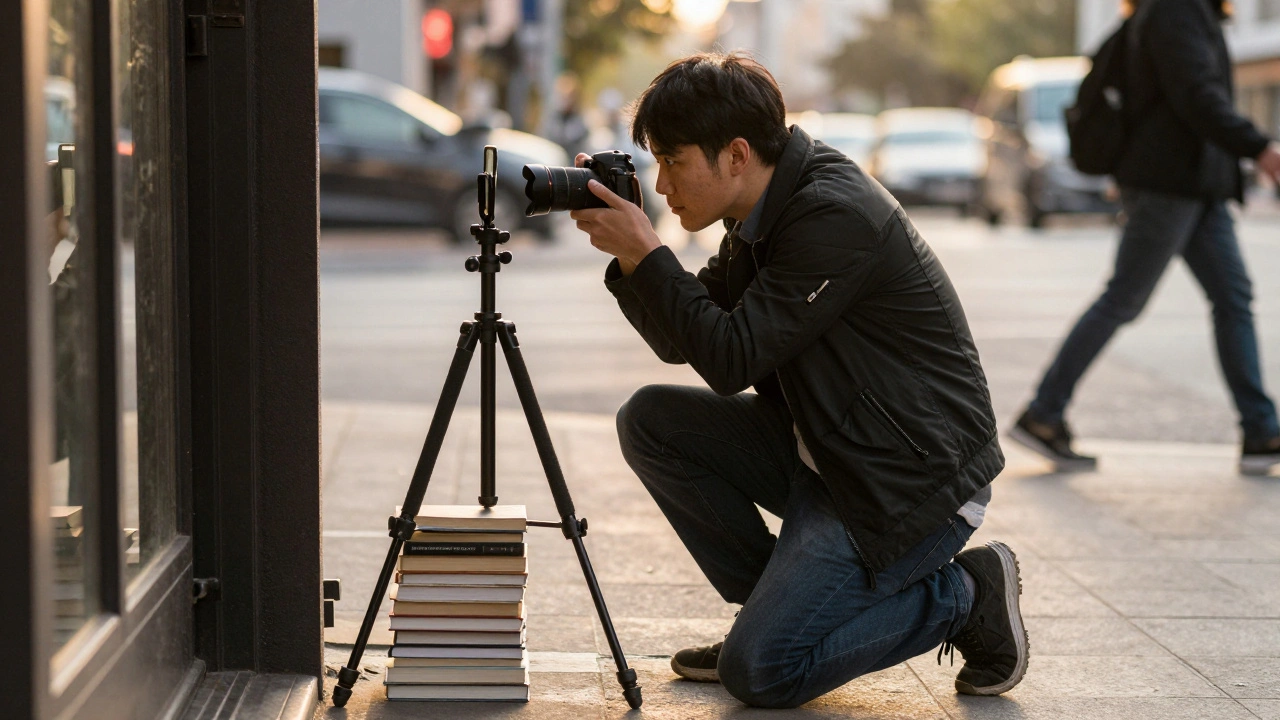
Start Now
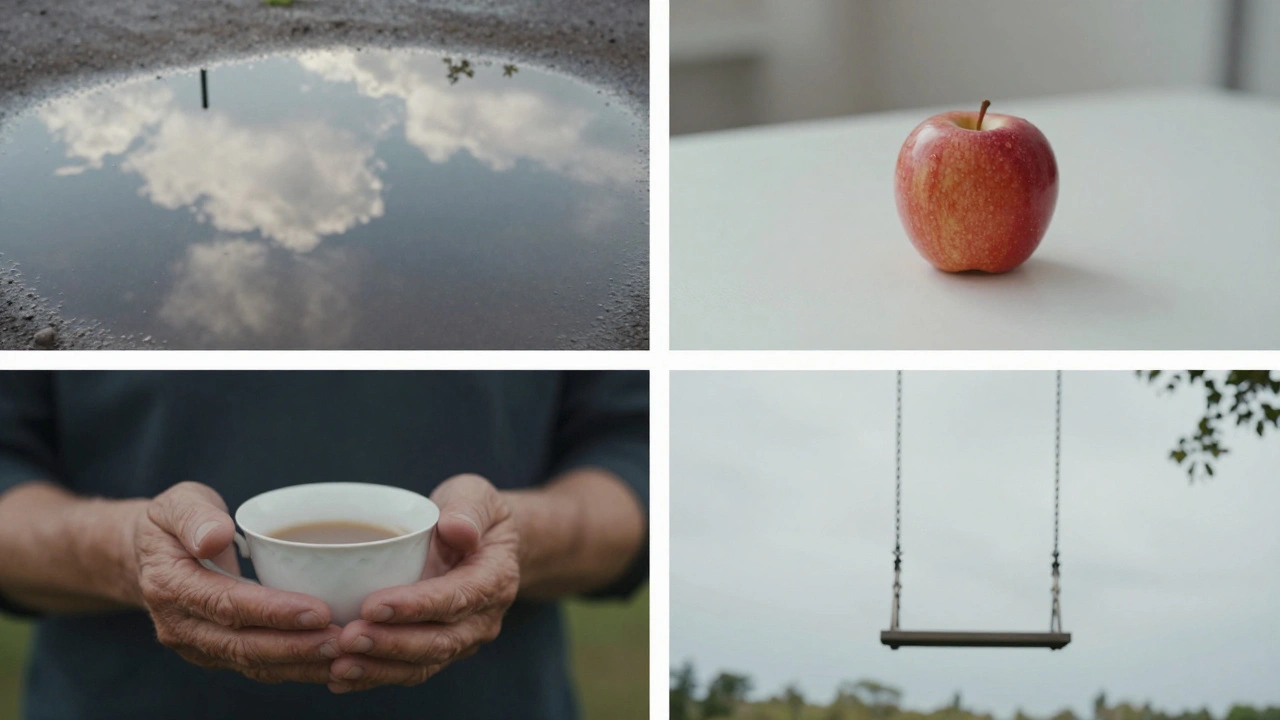
You don’t have to wait for January. Today is February 18, 2026. What’s left of this month? 10 days. Pick a theme. Any theme. - One Color-Shoot only red. Or blue. Or yellow. See how it changes your eye. - Reflections-Windows, puddles, mirrors, spoons. Find your subject in the reflection. - Hands-No faces. Just hands. Working, resting, holding, reaching. - Empty Spaces-A chair in a room. A hallway at noon. An empty swing. What does absence look like? Shoot 3 photos a day. No more. No less. Just three. By the end of the month, you’ll have 90 images. And you’ll see the world differently.What Comes Next?
After a month, look back. Not to judge. To notice. Did you shoot more from low angles? Did you start waiting for light? Did you notice details you used to ignore? That’s your progress. Then pick the next theme. Maybe something you’ve never tried. Maybe something that scares you. Maybe something you think you’re bad at. Photography isn’t about talent. It’s about attention. And attention grows with practice.Do I need a fancy camera for photo projects?
No. Many photographers start with smartphones. What matters is consistency, not equipment. A phone can capture doorways, textures, and shadows just as well as a DSLR. The goal is to train your eye, not your gear.
What if I miss a day or two?
It’s fine. Projects aren’t tests. Skip a day? Just shoot two the next. Or don’t stress. The rhythm matters more than perfection. Showing up 20 days out of 30 still builds habit and vision.
How do I choose my first theme?
Pick something simple and visual: shadows, reflections, one color, or textures. Avoid broad themes like “nature” or “people.” Too vague. Instead, try “shadows under a chair” or “blue objects in your kitchen.” Specificity sparks creativity.
Can I do a year-long project with a monthly theme?
Absolutely. Many people combine both. Use monthly themes as building blocks. Each month, you master a new skill or perspective. By December, you’ve built 12 different ways of seeing. That’s a year-long growth path.
What if I don’t like the theme?
Good. That’s when the real learning starts. If a theme feels boring, you’re probably stuck in your comfort zone. Push through. Shoot 10 photos anyway. You might surprise yourself. Or you might learn what you hate-and that’s just as valuable.