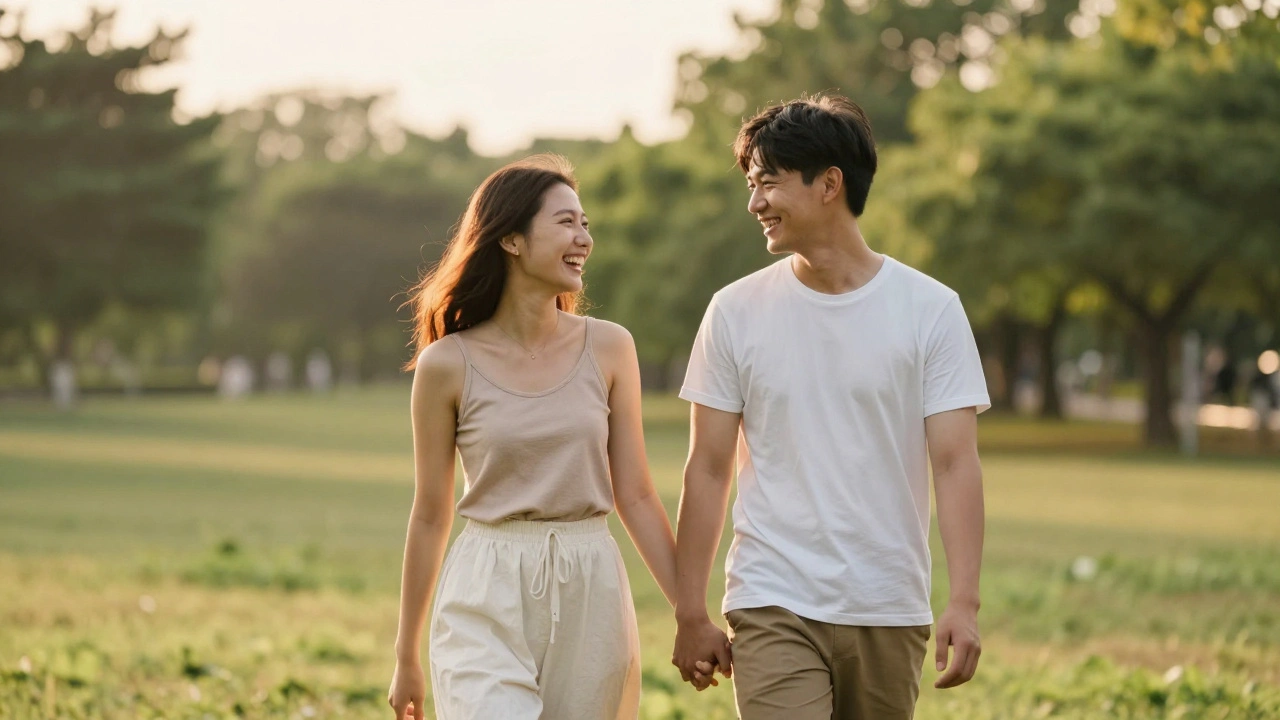
Most couples walk into an engagement session feeling a mix of excitement and absolute terror. The moment they stand in front of a lens, they often freeze up, their shoulders hike toward their ears, and they start delivering that "school photo" smile that doesn't reach their eyes. The secret to great engagement posing is not about forcing people into rigid shapes, but about creating a safe space where their natural chemistry can take over. If you can get a couple to forget you're even there, you've already won half the battle.
The Golden Rule: Eyes Off the Lens
The biggest mistake beginners make is asking the couple to look at the camera for every shot. When people stare into a lens, they stop interacting with their partner and start performing for the photographer. To capture real emotion, you have to redirect their attention. Ask them to whisper a favorite memory, tell each other what they're most excited about for the wedding, or simply describe the first time they realized they were in love.
By shifting the focus from the camera to the partner, the facial muscles relax and the expressions soften. This isn't just a trick; it's a psychological shift. When a person is genuinely engaging with someone they love, their body language becomes open and authentic, which is exactly what you want to capture in a portrait.
Mastering the Foundation Poses
You don't need a complex playbook of 100 different positions. Instead, start with Foundation Poses-simple, repeatable positions that feel familiar to the couple. Once they are comfortable in a base position, you can tweak it slightly to get multiple looks without making them feel like they're in a gymnastics class.
- Standing Close & Facing: Have the couple stand closer than they think is necessary. When there's no gap between them, the intimacy is immediate. Prompt them to share a secret or a joke; the resulting laughter is far more valuable than a posed smile.
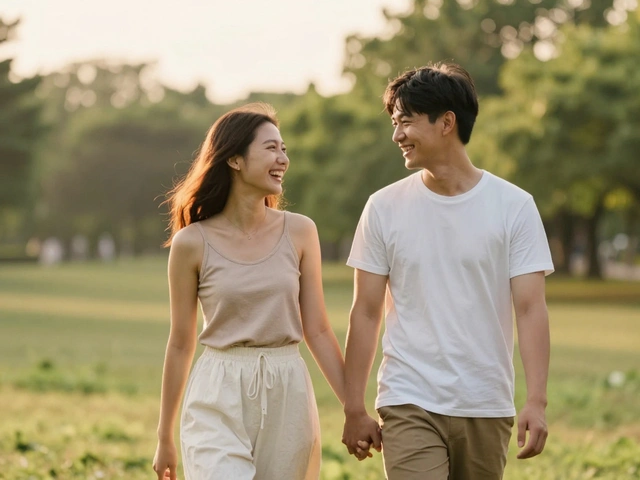
- The Side-by-Side Walk: This is a lifesaver for nervous couples. Have them hold hands and walk slowly toward you or away from you. Movement kills stiffness. Because they are physically moving, their brains focus on balance and walking rather than "how do I look?", leading to natural, candid-feeling images.
- The Back Hug (The "I've Got You"): Position one partner behind the other. This is a high-comfort pose because it mimics how many couples naturally cuddle. Encourage the partner in back to whisper something sweet in the other's ear. Just make sure both faces are visible to the camera to maintain the connection.
- The Forehead Touch: Often called the "Almost Kiss," this involves partners pressing their foreheads together with eyes closed. It creates a private bubble that shuts out the rest of the world. It's a great way to warm up couples who are shy about public displays of affection.
| Pose Type | Primary Goal | Emotional Outcome |
|---|---|---|
| Foundation | Stability & Comfort | Trust and Calmness |
| Movement | Breaking Tension | Joy and Spontaneity |
| Intimate | Vulnerability | Romance and Deep Connection |
| Detail | Visual Storytelling | Tenderness and Care |

Adding Drama with Dynamic Movement
Once the couple is relaxed, it's time to introduce some energy. Dynamic Movement adds a cinematic quality to the gallery. The most classic example is the Dip. To keep it from looking like a cheesy prom photo, keep the lean gentle. Support the partner at the waist and count them through it: "Three, two, one, dip!"
Pro tip: the best shots usually happen right after the dip, when the couple bursts into laughter because they almost lost their balance. Keep shooting through the awkwardness; that's where the genuine emotion lives. Also, encourage the partner being dipped to point their toe slightly-it creates a cleaner, more elegant line that looks professional without requiring a model's training.
Capturing the Details without the Cliche
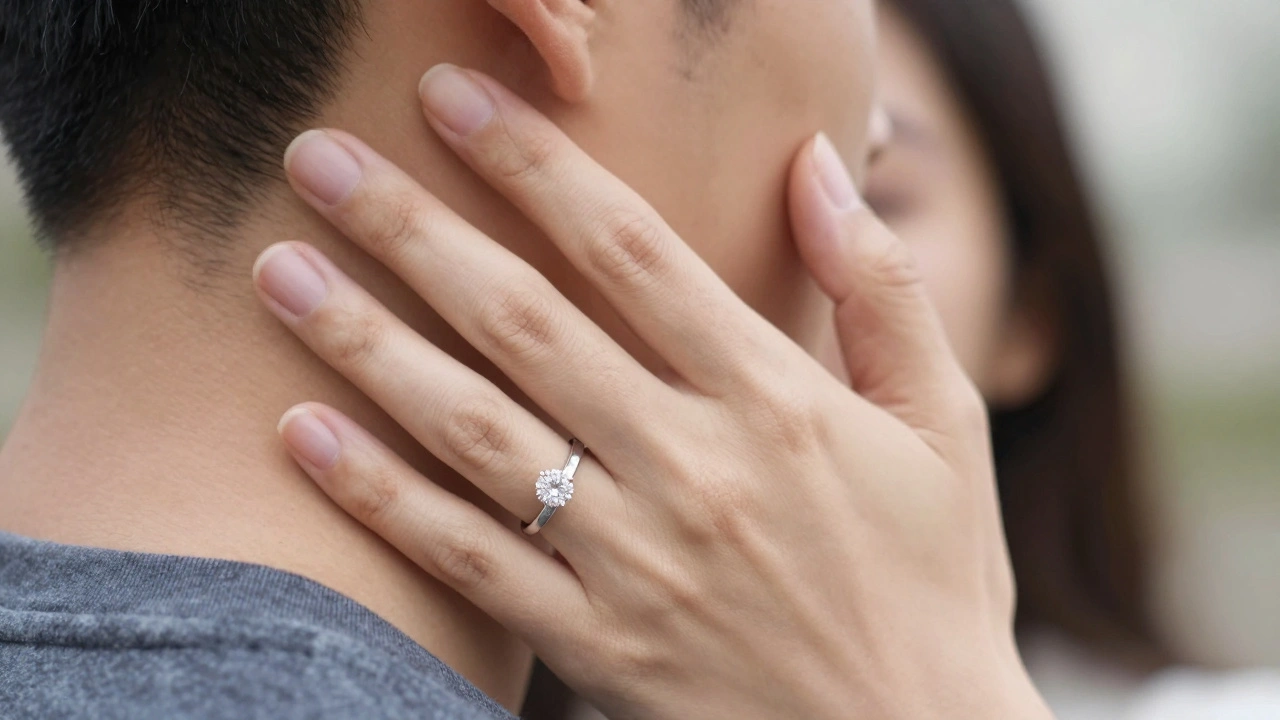
Everyone wants a shot of the ring, but a sterile close-up of a hand against a white wall is boring. Instead, use Ring-Focused Poses that happen during an interaction. Have the partner with the ring gently rest their hand on the other's cheek or shoulder during a hug. This keeps the ring as a secondary element to the emotional connection, which makes the photo feel like a story rather than an advertisement.
Another subtle way to capture intimacy is through "Outfit Detail" moments. Ask one partner to fix the other's collar, adjust a sleeve, or straighten a necklace. These small acts of care are highly relatable and feel elevated yet candid. It shows a level of tenderness that a standard "look at the camera and smile" shot simply cannot convey.
Posture Hacks for Flattering Results
Even in a candid session, a little bit of direction goes a long way. You don't want the couple to look like statues, but a few basic Portrait Techniques can prevent the common "stiff" look. First, tell them to shift their weight to one leg. This naturally tilts the hips and creates a more relaxed, organic silhouette.
Second, watch the shoulders. When people get nervous, their shoulders creep up toward their ears. A simple reminder to "drop your shoulders and breathe" can change the entire mood of the image. The goal is to maintain a posture that is poised but not rigid. If they look like they're holding their breath, the viewer will feel that tension too.
From Posing to Prompting
The most successful photographers are moving away from "posing" and toward "prompting." Posing is telling someone where to put their hands; prompting is giving them a reason to move their hands. Instead of saying "put your arm around her," try "pull her in close like you're trying to keep her warm in a snowstorm."
When you give a prompt, you're directing the emotion, not just the anatomy. This leads to micro-expressions-the little crinkle by the eyes, the soft parting of the lips, the genuine giggle-that make a portrait feel alive. Your job is to be the director of the mood, providing just enough structure so the couple feels safe to be themselves.
What if the couple is extremely shy or hates being photographed?
Start with a lot of movement. Walking and talking is the best way to break the ice because it gives them something to do with their energy. Avoid the "face-to-face" poses initially; instead, have them walk side-by-side. Once they've laughed a few times and forgotten the camera, you can gradually move toward more intimate poses like the forehead touch.
How do I handle couples who aren't comfortable with a lot of PDA?
Respect their boundaries by focusing on "small" connections. A hand on a shoulder, interlaced fingers, or leaning heads together are all intimate without being overly provocative. The forehead-to-forehead pose is a great middle-ground-it creates a sense of deep intimacy and romantic tension without requiring a full-on kiss.
How many poses should I use in a typical engagement session?
Focus on 3-5 foundation poses and build variations from them. If you jump from pose to pose too quickly, the couple can feel like they're on a conveyor belt. Spend more time in a few positions, changing the prompt or the angle, rather than cycling through twenty different stiff positions.
What's the best way to prompt a genuine laugh?
Avoid the "fake laugh" prompt. Instead, ask them to whisper something they love about the other person, but do it in the most ridiculous voice they can imagine. Or, have them try to describe their first date while dancing slowly. The combination of physical movement and a silly task almost always results in a real, unforced laugh.
Should I tell them exactly how to hold their hands?
Generally, yes, but keep it simple. Many people don't know what to do with their hands, which leads to "claw hands" or awkward stiffness. Give them a destination: "Place your hand on his chest" or "Wrap your arm around her waist." Once the hand is placed, tell them to relax their grip so it looks soft and natural rather than tight.