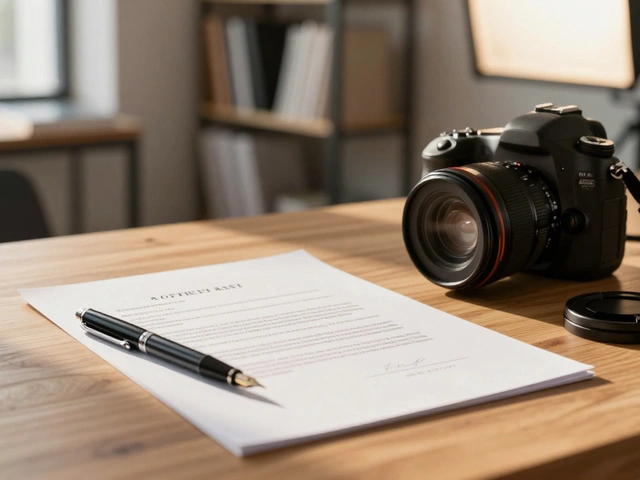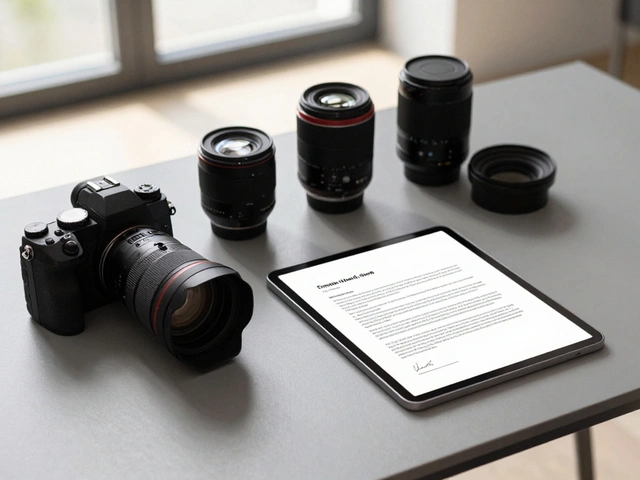
You've spent years mastering your craft, finding the perfect lighting, and building a portfolio that turns heads. But here is the cold truth: a great portfolio won't save you when a client decides they want 500 more photos than agreed upon, or when a wedding venue suddenly bans flash photography without warning. Relying on a "handshake deal" or a casual email chain is a gamble that most professional photographers can't afford. To move from a hobbyist to a business owner, you need photography contracts is a legally binding document that defines the scope of work, payment terms, and intellectual property rights between a photographer and their client. It isn't about lack of trust; it's about creating a roadmap so both you and your client know exactly what happens next.
The Core Essentials: What Every Agreement Needs
Before you send over a PDF, you need to understand that a contract is more than just a price list. It's your primary defense against "scope creep"-that slow slide where a simple portrait session turns into a full-day branding shoot for the same price. To prevent this, your Photography Services Agreement must be concrete. Don't just write "wedding coverage"; write "eight hours of continuous coverage starting at 10:00 AM."
Every contract should start with the basics: full legal names, current addresses, and contact info. If you're dealing with a company, ensure you're contracting with the legal entity, not just a marketing manager who might leave the company next month. Once the parties are established, move straight into the deliverables. Be specific about the number of images, the format (high-res JPEGs vs. RAW files), and the exact method of delivery. If you provide a preview gallery within two weeks and the full set within two months, put those dates in writing. When expectations are documented, you stop getting "Are they ready yet?" emails every three days.
Money, Retainers, and the "Consideration" Rule
Payment disputes are the fastest way to ruin a professional relationship. To avoid this, your contract needs a clear payment schedule. You should distinguish between a deposit and a retainer fee. In legal terms, a retainer is often used as "consideration"-something of value exchanged that makes the contract binding because it secures your time and prevents you from booking other clients for that date.
Be explicit about deadlines. If the final balance is due 30 days before the event, state that clearly. Include a late fee clause; sometimes the mere mention of a 5% monthly late charge is enough to make a client find their checkbook. Also, don't forget overtime charges. If a wedding runs late because the bride's uncle decided to give a 20-minute speech, you should be paid for that extra hour of work. Your contract should define exactly what the hourly rate is for any time beyond the agreed scope.
| Payment Type | Purpose | Suggested Terms |
|---|---|---|
| Non-refundable Retainer | Secures the date/time | 25-50% of total fee; paid at signing |
| Progress Payment | Ensures cash flow during project | Fixed amount after first draft/shoot |
| Final Balance | Completes the transaction | Due before gallery delivery or X days before event |
Ownership and the Copyright Battle
This is where most photographers get tripped up. There is a massive difference between delivering a photo and giving away the copyright. By default, the person who presses the shutter owns the image. However, clients often assume that because they paid for the session, they own the images. You must clarify this in your agreement.
Most pros retain full copyright and grant the client a print release or a usage license. This means the client can print the photos for their home or post them on Instagram, but they cannot sell them to a magazine or enter them into a contest without your permission. Be very clear about "no editing." You don't want a client taking your meticulously color-graded portrait and slapping a heavy, grainy filter over it, only to tag you as the photographer. State explicitly that altering the images-including cropping or filtering-is prohibited to protect your brand integrity.
Liability: What Happens When Things Go Wrong?
Even the most prepared photographer can face a disaster. Your camera gear could be stolen, you could get a sudden bout of food poisoning, or a sudden hurricane could wipe out an outdoor venue. This is where force majeure clauses come into play. These are "act of God" provisions that protect you from being sued for things totally outside your control.
Your contract should outline a backup plan. If you're incapacitated, will you provide a replacement photographer of similar skill? Will you offer a full or partial refund? Setting a communication window-such as promising to notify the client within 24 hours of an emergency-shows professionalism and reduces panic. Additionally, include a liability limit. Ensure that your maximum financial liability is limited to the total amount paid by the client, preventing a situation where you're sued for an astronomical sum over a lost memory card.
Tailoring Contracts to Your Niche
A one-size-fits-all contract is a dangerous tool. Different types of photography require different legal safeguards. For instance, wedding photography needs a specific clause about meals. If you're shooting a 12-hour day, you can't work on an empty stomach. Require a hot meal provided by the client-and specify that it should be the same meal the guests are eating, not a cold sandwich from a gas station.
Commercial work is a different beast entirely. You aren't just selling a photo; you're selling a license. A commercial contract must include a licensing agreement that specifies the duration (e.g., two years), the geography (e.g., North America only), and the medium (e.g., digital ads and billboards). You might also need a Non-Disclosure Agreement (NDA) if you're shooting a product that hasn't been released to the public yet. For portrait work, focus heavily on the retouching policy. Define exactly what "standard editing" means-color correction and basic blemish removal-so the client doesn't expect a full digital reconstructive surgery for free.
The Essential Toolkit: More Than Just One Document
While the main service agreement is your cornerstone, you need a few supporting documents to be fully covered. First is the model release form. Without this, you cannot legally use a client's image in your portfolio or marketing materials. It is a separate document that gives you permission to use the likeness of the person in the photo.
If you hire a second shooter, you need a subcontractor agreement. This ensures that the second shooter understands they are not an employee and that any photos they take belong to you, not them. Without this, you could find yourself in a legal battle over who owns the raw files from the other side of the room.
Final Checks and Legal Soundness
No matter how good your template is, it's not a substitute for professional legal advice. Laws vary wildly between states and countries. A clause that is enforceable in Oregon might be useless in New York. Have a qualified attorney review your contracts to ensure they comply with local jurisdictional requirements.
From a presentation standpoint, keep it clean. Avoid "creative" fonts that are hard to read or inconsistent colors that make the document look like a flyer rather than a legal agreement. The goal is clarity and professionalism. When a client sees a well-structured, easy-to-read contract, they don't see a hurdle-they see a professional who has their business under control.
Do I really need a contract for small portrait sessions?
Yes. Even a short session can lead to disputes over the number of final images, editing styles, or payment. A simple one-page agreement prevents these small issues from becoming big headaches.
What is the difference between a deposit and a retainer?
A deposit is typically a down payment on the final price. A retainer is a fee paid to "retain" your services for a specific date, ensuring you don't book anyone else. Retainers are often non-refundable because they compensate you for the loss of opportunity to book another client.
Can a client legally ask for the RAW files?
They can ask, but you aren't obligated to provide them unless your contract says so. Most photographers refuse to give RAW files because they are unfinished products and can harm the photographer's reputation if released without editing.
What happens if I'm too sick to shoot a wedding?
This is handled by your liability and force majeure clauses. Your contract should specify if you will provide a replacement photographer, offer a full refund, or a partial refund if you cannot perform the service due to an emergency.
Is a digital signature legally binding?
In most jurisdictions, yes. Electronic signatures through platforms like HoneyBook, Dubsado, or DocuSign are generally as legal as pen-and-paper signatures, provided both parties agree to the electronic format.
Next Steps for Your Business
If you're just starting out, don't let the fear of legal paperwork stop you. Start by auditing your current communication. If you're promising things in emails, copy those promises into a structured document. For established pros, review your contracts every year to ensure they reflect your new pricing, expanded services, or updated delivery timelines. If you've recently moved into commercial work, prioritize a licensing agreement immediately-the stakes are much higher when corporate brands are involved.