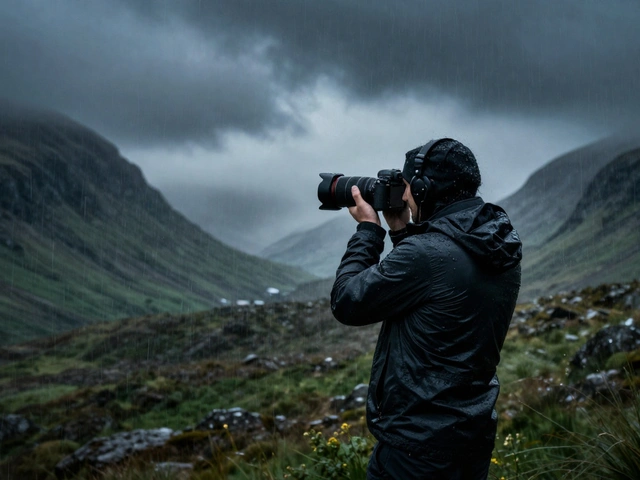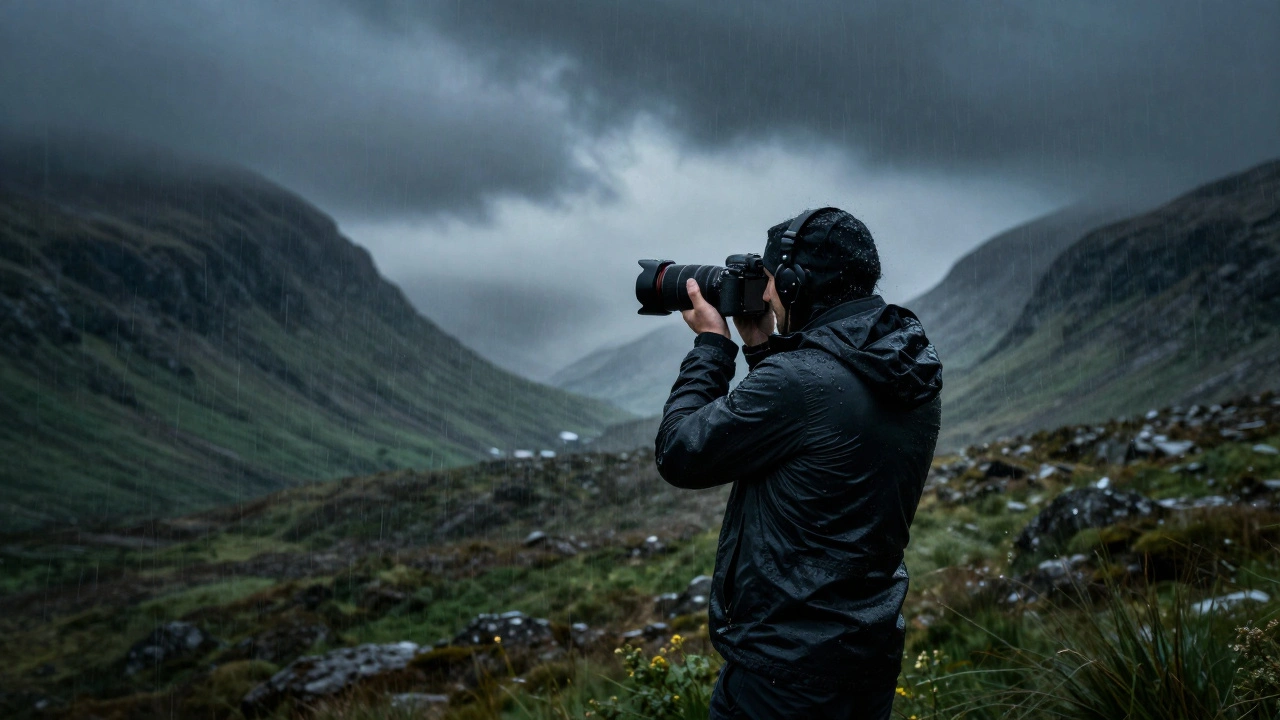
You're standing in the middle of a breathtaking Highlands landscape, the mist is rolling in, and suddenly the sky opens up. Most people would pack their gear and run for cover, but that's exactly when the most dramatic photos happen. The difference between a ruined circuit board and a portfolio-worthy shot often comes down to weather-sealed camera gear and knowing exactly how to use it. However, there is a massive misconception that a "weather-sealed" badge makes your camera invincible. It doesn't. It's not a submarine, and treating it like one is a fast track to an expensive repair bill.
| Feature | Weather-Resistant | Weather-Sealed |
|---|---|---|
| Protection Level | Basic protection against light spray/dust | Advanced gaskets and O-rings to block ingress |
| Typical Use Case | Drizzly days, dusty trails | Heavy rain, snow, sandy beaches |
| Price Point | More affordable / Entry-level | Premium / Professional |
| Reliability | Requires more external covers | Higher confidence in harsh conditions |
The Truth About Weather Sealing
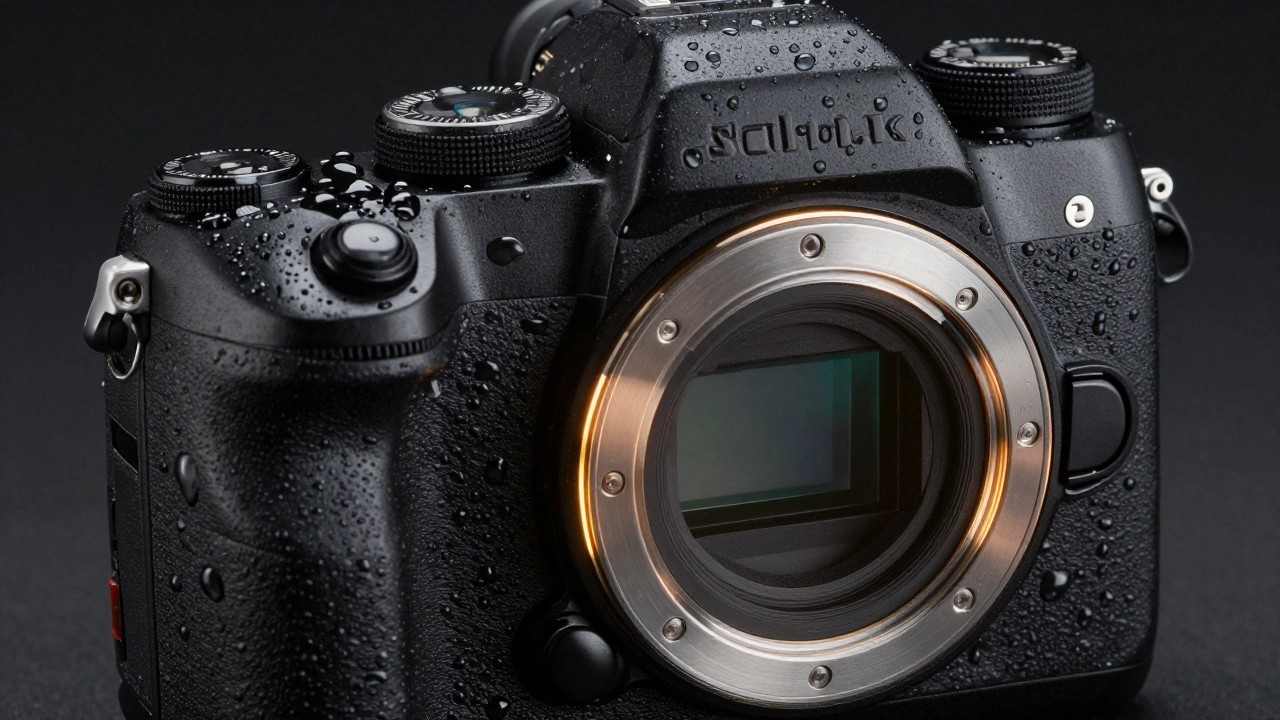
When a manufacturer says a camera is "weather-sealed," they are talking about rubber gaskets, O-rings, and specialized coatings that prevent moisture and grit from reaching the electronics. For instance, Nikon Z series is a line of mirrorless cameras where all full-frame bodies feature built-in weather sealing to protect the internal sensor and circuitry. Similarly, the Canon RF series provides a similar standard across its body lineup.
But here is the catch: weather sealing is not a binary "yes" or "no." It's a spectrum. A camera might be sealed against a light drizzle but fail in a tropical downpour. Even high-end options like the Leica SL2, which boasts an IP-rating, aren't designed to be submerged. The goal is to give you a window of time to keep shooting while you find a safer spot, not to turn your camera into a scuba diver's tool.
Identifying the Weak Points
Your camera is only as strong as its weakest seal. Even on a professional body, there are "holes in the armor" where water can sneak in. Before you step out into a storm, you need to do a manual port check. If a door isn't snapped shut, the sealing is useless.
Check these critical areas:
- Battery and SD Card Doors: Ensure the rubber flaps are seated perfectly. A half-closed door is an open invitation for rain.
- USB and Audio Jacks: These are often the most vulnerable points. Make sure the plastic covers are tight.
- The Hot Shoe: This is a notorious entry point. Some brands, like Sony, have historically had less comprehensive sealing around the hot shoe compared to others, meaning moisture can drip straight into the motherboard.
The Lens Factor: Don't Forget the Glass
A weather-sealed body is useless if you're using a cheap, unsealed lens. Water can travel down the lens barrel and leak directly into the camera mount. To be truly protected, you need a Weather-Sealed Lens, which uses rubber rings at the mount and around the zoom/focus rings to block ingress.
Be careful with "weather-resistant" lenses. These often have a rubber gasket at the mount but might lack sealing on the moving parts of the barrel. Some premium lenses only achieve full sealing when you add a front filter, which acts as a final plug for the lens's front element. If you're on a budget, something like the Nikon 24-200mm offers functional resistance that handles light rain, but it won't survive a dip in a stream.
Essential Accessories for Harsh Environments
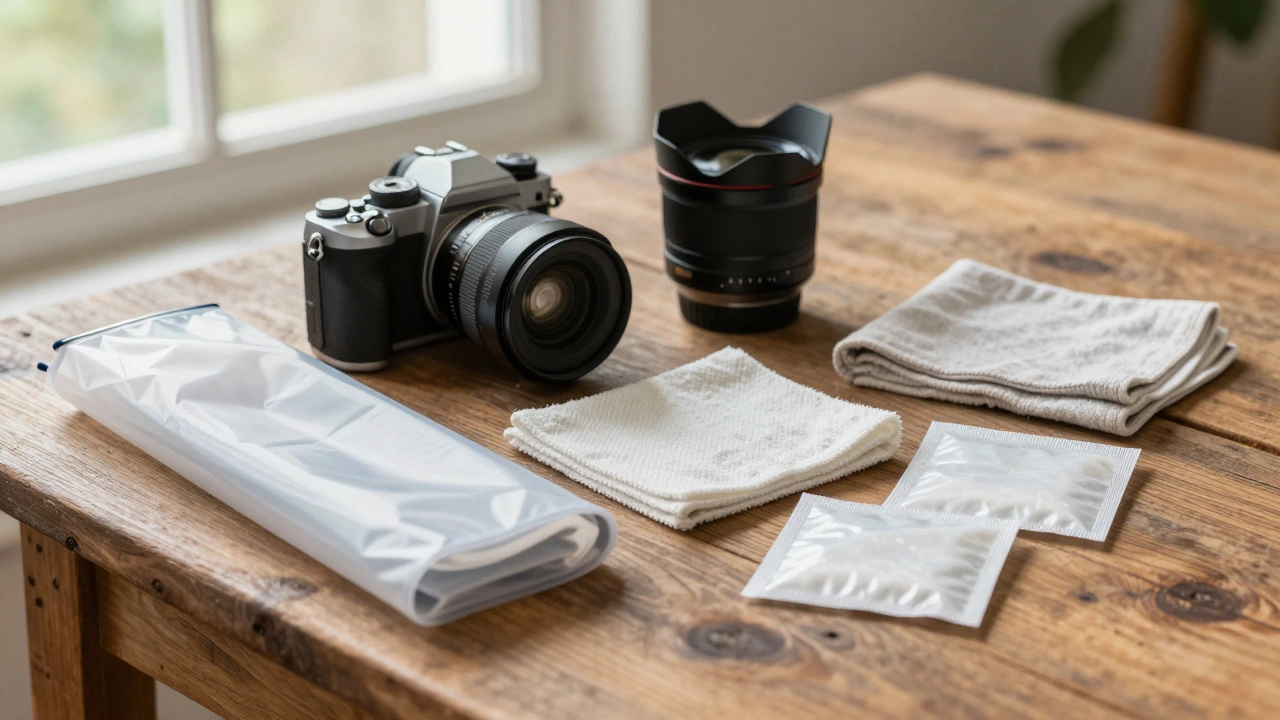
Pro photographers don't rely solely on the seals. They use layers. Think of weather sealing as your base layer and supplemental gear as your raincoat. If you're facing a serious storm, a Rain Sleeve is non-negotiable. These are lightweight plastic covers that wrap around the body and lens, allowing you to operate the dials while keeping the gear bone-dry.
Beyond sleeves, keep these in your bag:
- Microfiber Cloths: These are probably the most important items you'll carry. A single droplet on your front element can ruin the contrast of your image. Wipe constantly.
- Lens Hoods: Use them even in sunny weather. In the rain, they act as a physical umbrella for the glass.
- Silica Gel Packs: Toss these into your camera bag. They suck up the humidity and prevent mold from growing on your lenses during storage.
- Touchscreen Gloves: In the snow, your fingers go numb in minutes. Get gloves that let you adjust your ISO without exposing your skin to the freeze.
Field Techniques for Rain, Dust, and Snow
How you hold your camera can either protect it or doom it. In heavy rain, avoid pointing your camera straight up into the sky. This essentially turns your lens and ports into a funnel for water. Angle the camera slightly or use a physical umbrella to shield the top of the gear.
When shooting in snow, the danger isn't just the flakes-it's the melt. Snow clinging to your camera body will turn into liquid water as the internal electronics warm up. Use a soft microfiber cloth to brush off snow immediately. Never use your sleeve or a rough cloth, as frozen grit can scratch your finish.
The biggest hidden threat isn't the rain; it's condensation. When you move a cold camera from a freezing forest into a warm car or hotel room, moisture condenses inside the lens and on the sensor. To prevent this, put your camera in a sealed Ziploc bag before going inside. Let it warm up slowly inside the bag so the condensation forms on the plastic, not on your electronics.
The Danger of Salt Water
If you're shooting at the beach, forget everything I just said about "trusting the seals." Salt water is an entirely different beast. Salt is corrosive; it eats through rubber gaskets and destroys electronic contacts almost instantly. If you get salt spray on your gear, don't just wipe it with a dry cloth-you'll scratch the lens with the salt crystals. Use a damp, fresh-water cloth to gently remove the residue, then dry it thoroughly.
Is weather-sealed gear waterproof?
No. Weather-sealed gear is designed to resist splashes, rain, and dust, but it cannot be submerged in water. Only specialized underwater housings provide true waterproof protection.
Can I use a non-weather-sealed camera in the rain?
Yes, but you must use a high-quality rain sleeve or a plastic cover. You'll need to be much more vigilant about water droplets and avoid any heavy exposure.
Do I need to buy expensive sealed lenses?
If you frequently shoot in harsh conditions, yes. An unsealed lens can leak moisture into a sealed body, defeating the purpose of your expensive camera.
How do I handle a camera that got wet?
Wipe the exterior dry immediately. Remove the battery and SD card and leave the doors open in a dry environment. Do not use a hairdryer, as excessive heat can damage the seals.
What is the best way to prevent condensation?
Place your camera in a sealed plastic bag before moving from a cold environment to a warm one. This allows the gear to reach room temperature slowly without moisture forming on the interior components.
Next Steps for Your Gear
If you're just starting to venture into adverse weather, don't feel the need to buy a $5,000 setup overnight. Start by adding a few rain sleeves and a pack of silica gel to your current kit. As you find yourself pushed out of the field by the weather more often than not, consider upgrading to a sealed body and professional-grade lenses. Always remember: the best gear in the world is still just a tool; your discipline in cleaning and storing that tool is what actually keeps it running for years.