When you see a fashion model standing tall on a runway or staring down the lens in a magazine spread, their presence isn’t just about how they’re dressed-it’s about how the camera sees them. Low angles in fashion photography don’t just change the view; they change the story. A shot taken from below eye level can turn a model into a towering figure, a warrior, a goddess. Or, if used differently, it can make them look fragile, trapped, vulnerable. It all depends on how the photographer uses it.
Why Low Angles Make Models Look Taller and Stronger
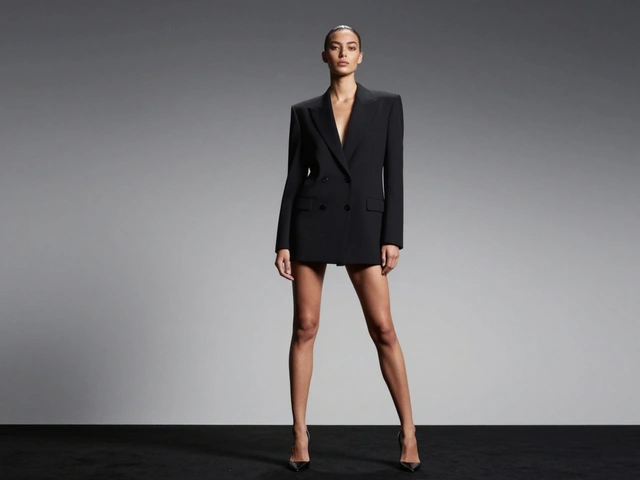
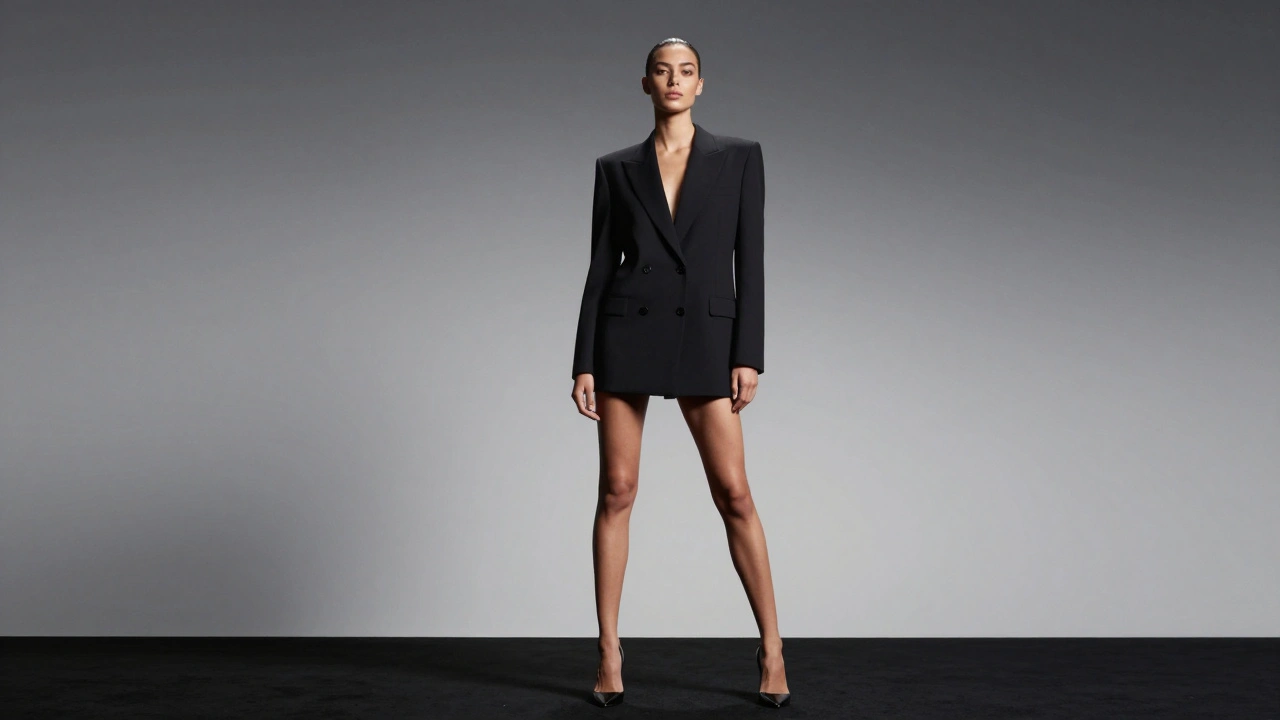
Think about it: when you look up at someone, they seem bigger. That’s not an illusion-it’s physics. The closer something is to the camera, the larger it appears. So when a photographer crouches low and points the lens upward, the model’s feet, legs, and hips get closer to the sensor. That makes them look longer, leaner, more imposing. It’s why runway photographers always shoot from slightly below the model’s waistline. It elongates the legs, lifts the chin, and adds that subtle lift to the torso that makes a model look like they’re floating above the ground.
It’s not magic. It’s technique. A model standing straight with shoulders back looks powerful. But put that same pose on a low-angle shot, and suddenly, they’re not just standing-they’re dominating the frame. The background drops away, the sky becomes a canvas behind them, and their silhouette becomes the focus. Brands like Balenciaga and Saint Laurent have used this for years. Look at their campaigns: models aren’t just wearing clothes-they’re commanding space.
How Focal Length Changes the Game
Here’s where most photographers get it wrong. A low angle isn’t just about where you stand-it’s about what lens you use. A wide-angle lens, say 24mm or 35mm, exaggerates perspective. If you shoot a model from a low angle with a wide lens, their legs will stretch out like they’re on stilts. Their face? Tiny. Their shoes? Massive. That might work for edgy editorial shots, but it won’t flatter most models.
On the other hand, a longer lens-85mm, 100mm, even 135mm-compresses space. It flattens the background and keeps proportions balanced. Shoot from a low angle with an 85mm lens, and the model’s entire body stays in harmony. Their legs lengthen naturally. Their neck stays elegant. Their face retains its shape. That’s the sweet spot for high-end fashion. It’s why top studios use telephoto lenses even when shooting from knee height. They’re not trying to distort-they’re trying to elevate.
When Low Angles Show Vulnerability
Low angles don’t always mean power. Sometimes, they mean isolation.
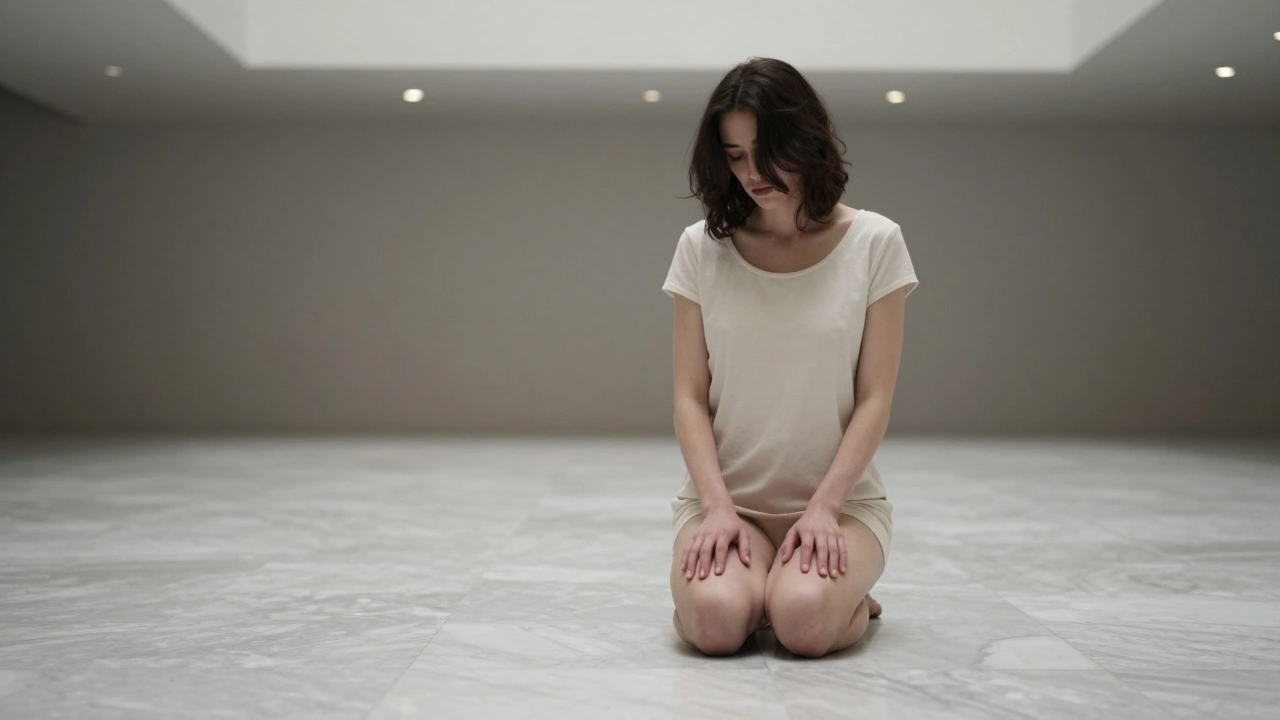
Imagine a model kneeling on a cold concrete floor, looking up at the camera. The shot is framed from ground level, with ceiling lights above and empty space behind. No background. No escape. That’s vulnerability. It’s the opposite of dominance. It’s raw. It’s human. That’s the power of low-angle storytelling. Fashion isn’t just about beauty-it’s about emotion. Brands like Celine and The Row have used this to show models as thoughtful, introspective, even fragile. A low angle can make a model look like they’re caught between worlds: strong in posture, but small in context.
This isn’t just artistic. It’s psychological. Studies in visual perception show that viewers associate upward camera angles with emotional weight. It triggers a subconscious response-awe, pity, tension. That’s why fashion campaigns for luxury brands often use low angles in muted tones: to make you feel something before you even notice the fabric.
Combining Power and Vulnerability
The most compelling shots do both.
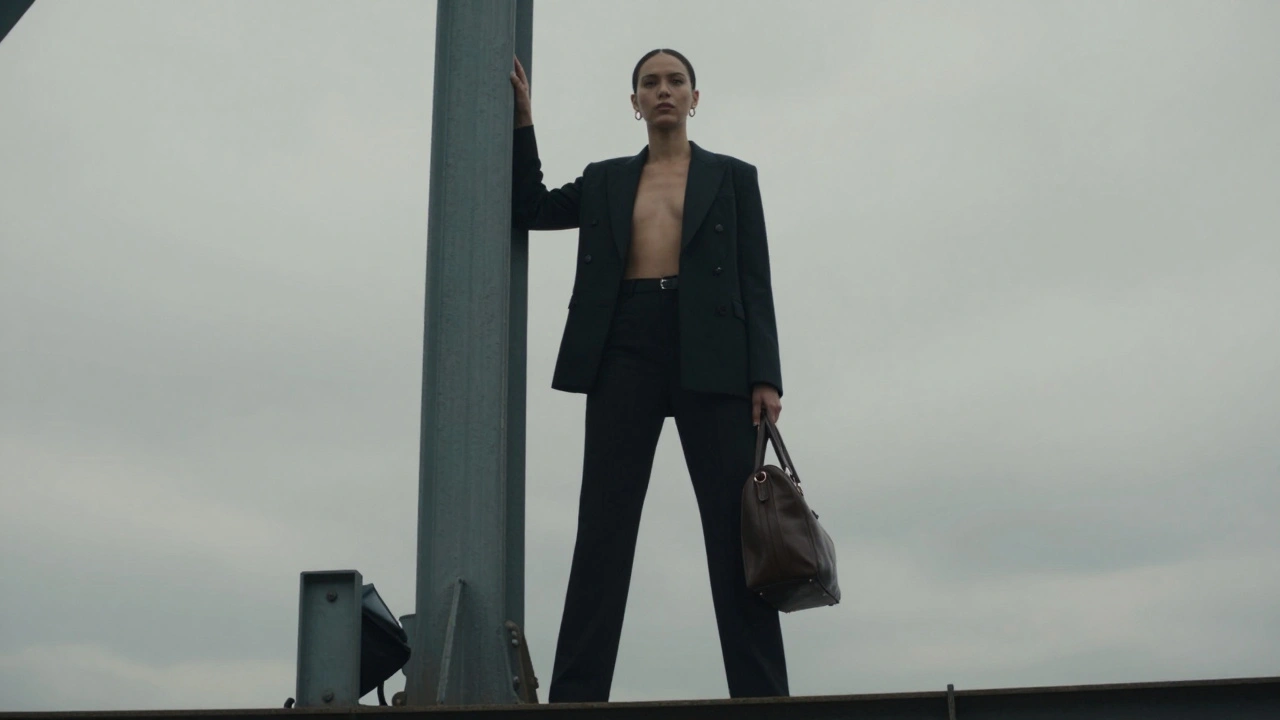
Picture a model in a structured blazer, standing tall, one hand on a steel beam, the other gripping a leather bag. The camera is at ankle height. Their legs stretch into the frame. The sky behind them is gray. Their expression is calm, almost bored. But their posture? Unshakable. The angle makes them look like a monument. But the emptiness around them? It whispers loneliness. That’s the magic of layered storytelling. You don’t need to say anything. The angle says it all.
This technique is used in campaigns for brands like Prada and Loewe. The model isn’t just selling a coat-they’re selling a mood. A feeling. A contradiction. And it all starts with where the camera sits.
How to Use Low Angles Without Messing Up the Pose
It’s not enough to just crouch down. If the model slouches, the low angle makes them look shorter. If their arms are too close to the body, the lens will stretch them out unnaturally. You need to work with the pose.
- Have the model stand with one foot slightly forward. It creates natural line and balance.
- Keep the chin up just a touch. Too high, and it looks arrogant. Too low, and the neck disappears.
- Extend one arm slightly away from the body. It adds length and avoids that “stuck to the side” look.
- Use the environment. A staircase, a curb, a ledge-these give the model something to interact with. It grounds them without breaking the angle.
And don’t forget lighting. A low-angle shot often casts shadows upward. That means you need to fill the shadows under the chin, jawline, and torso. A reflector or softbox placed below eye level can save the shot. A harsh overhead light? It’ll turn a powerful image into a messy one.
What Not to Do
Don’t use a low angle just because it looks cool. If the model’s proportions are off, the shot fails. Don’t shoot from ground level with a wide lens unless you’re going for surrealism. Most models aren’t 6’3” with perfect legs. The goal isn’t to distort-it’s to enhance.
Don’t forget the background. A cluttered street or a messy studio will ruin the drama. Keep it clean. A gradient sky, a single wall, a blur of motion-these work. A second model in the frame? Only if they’re blurred or out of focus. Otherwise, you lose the focus.
And never shoot from too low if the model is wearing high heels. It’ll make their feet look enormous. Instead, shoot from mid-calf height. That’s the sweet spot for most commercial and editorial work.
Real Examples from the Field
Look at the 2025 campaign for Nike’s Unstoppable line. The models were shot from hip height, using 100mm lenses, against a black backdrop. Every shot made them look like they were rising off the ground. No airbrushing. Just angle, light, and posture.
Or take the 2024 Vogue Italia editorial shot by Steven Meisel. One model stood alone on a marble floor, arms crossed, looking down. The camera was at knee level. Her silhouette stretched upward like a column. Her face? Just a hint. But the power? Unmistakable.
These aren’t accidents. They’re deliberate. Every angle chosen because it served the story.
Final Thought: It’s Not About the Camera. It’s About the Mindset.
Low angles in fashion photography aren’t a trick. They’re a language. And like any language, you need to learn the grammar before you can write poetry.
It’s about understanding how space works. How light moves. How a model’s body responds to perspective. It’s about knowing that a single inch of camera height can change the entire mood of a shoot.
So next time you’re setting up a shot, don’t just ask: Where should I stand? Ask: What do I want this model to feel like? Then let the angle follow.