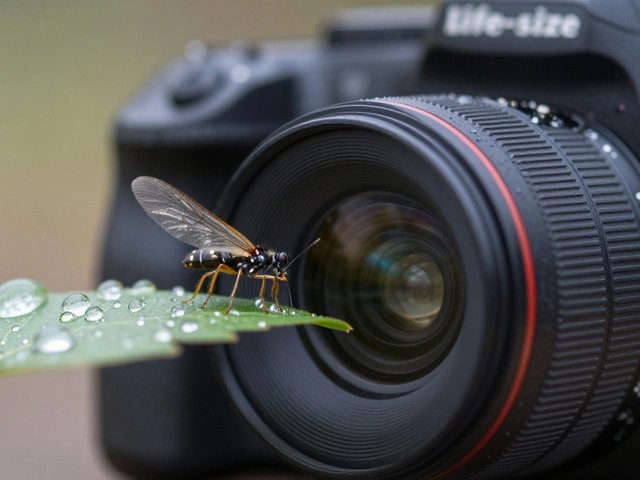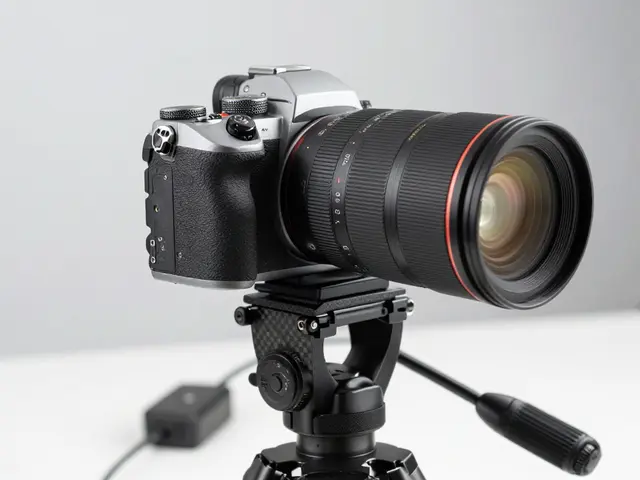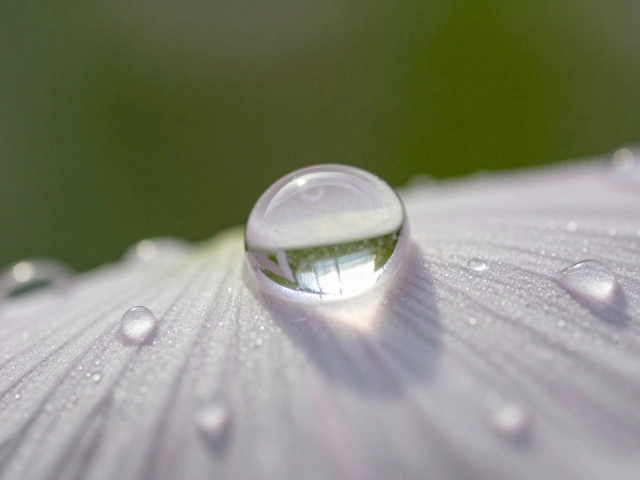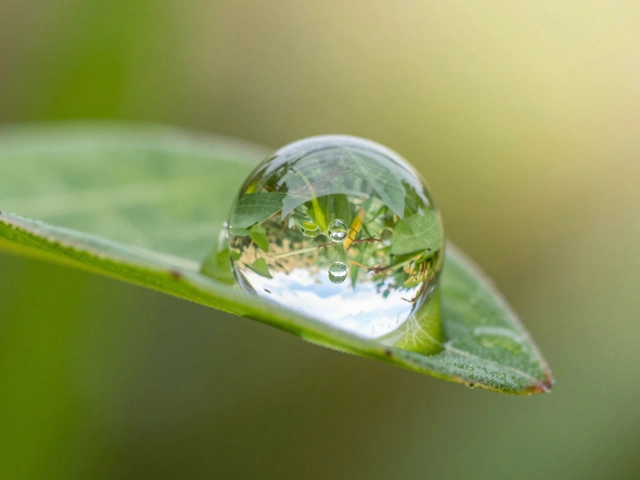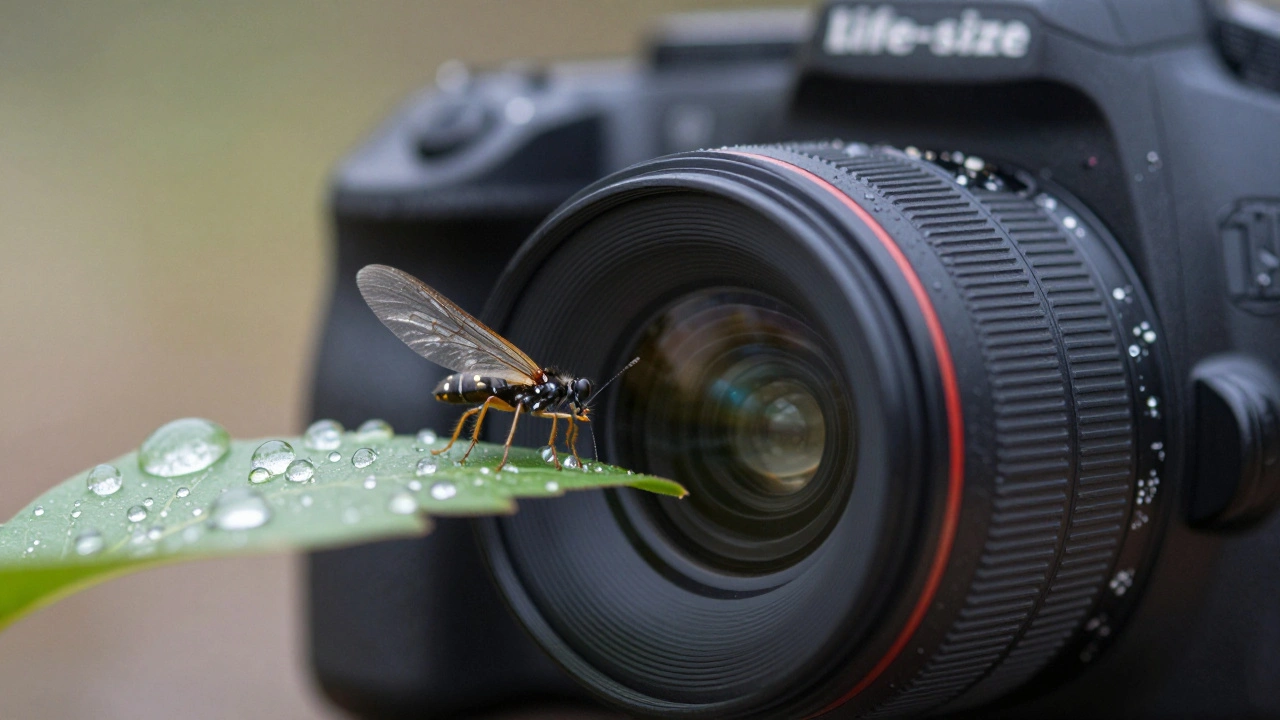
You’ve probably seen the term "1:1" plastered on macro lenses, but what does it actually mean for your photos? It’s not just a marketing number. Magnification ratio is the single most important specification that determines how much detail you can capture from tiny subjects. Whether you are photographing insects, jewelry, or food textures, understanding this ratio separates casual snapshots from sharp, detailed macro work.
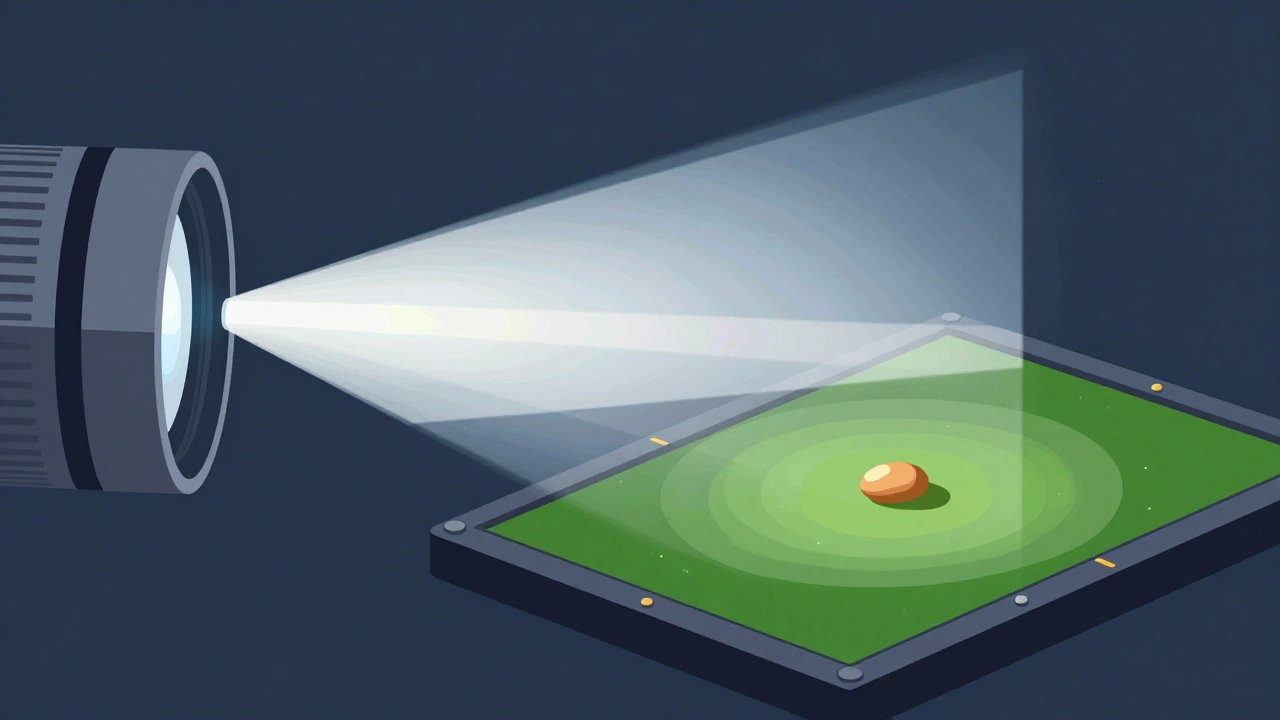
If you think "1x" sounds like no enlargement at all, you aren’t alone. Many beginners assume they need higher numbers to get big results. The truth is simpler: magnification ratio represents the relationship between an object's actual real-world size and the size of its projection on a camera's sensor. When that ratio hits 1:1, the subject is projected onto the sensor at its exact life-size dimensions. This is the industry standard for "true" macro photography.
The Math Behind the Ratio
To understand why 1:1 matters, you have to look at the geometry of light. The ratio is calculated by dividing the size of the image on the sensor by the actual size of the subject. Let’s break it down with concrete numbers.
Imagine you are shooting a fly that is exactly 1 cm long. If the image of that fly covers exactly 1 cm of space on your camera sensor, you have achieved a 1:1 magnification ratio. The math is simple: 1 cm (sensor) divided by 1 cm (subject) equals 1. Hence, 1:1.
Now, consider a different scenario. You shoot a frog that is 6 mm wide. If the projection on your sensor is only 3 mm wide, your magnification is 1:2. The subject appears half its actual size on the sensor. This is often called "half-life" magnification. While still useful for close-ups, it doesn’t meet the strict definition of true macro.
| Ratio Notation | Pronunciation | Sensor Projection vs. Real Size | Classification |
|---|---|---|---|
| 1:4 | One-to-four | Quarter size | Close-up |
| 1:2 | One-to-two | Half size | Close-up / Semi-Macro |
| 1:1 | One-to-one | Life size | True Macro |
| 2:1 | Two-to-one | Double size | Super Macro |
Notice that as the second number in the ratio gets smaller (from 4 to 1), the magnification increases. A 1:1 ratio means the denominator matches the numerator, resulting in equal sizes. Anything below 1:1-like 1:2 or 1:4-is technically classified as a close-up photo rather than true macro by most industry standards.
Why 1:1 Is the Golden Standard
The photography industry has largely agreed on a threshold. According to major technical resources like DPReview and Photography Life, macro photography is defined as shooting at a magnification ratio of at least 1:1. This isn’t arbitrary; it’s about resolving power and detail.
When you shoot at 1:1, you are capturing the subject at its true scale relative to the sensor’s pixel density. If your sensor has high resolution, a 1:1 shot of a leaf will reveal veins so fine they might be invisible to the naked eye. At 1:2, those same veins are compressed into fewer pixels, losing critical detail.
This distinction affects how manufacturers label their gear. A lens marked with "1:1" or "1x" on the barrel guarantees it can achieve life-size reproduction. Lenses that stop short, such as the Zeiss 100mm f/2 Macro which maxes out at 1:2, are excellent portraits or general-purpose lenses, but they fall short of the true macro benchmark. They are better described as "close-focusing" lenses.
Focus Distance and the Non-Linear Trap
A common mistake new macro photographers make is assuming that moving closer always doubles the magnification linearly. It doesn’t work that way. Magnification is inversely related to subject distance, but the curve is steep and non-linear.
Let’s say you are using a standard macro lens. To get 1:4 magnification, you might stand 40 cm away from your subject. You might think that standing 20 cm away would give you 1:2. In reality, due to the optical physics of the lens elements, you might find yourself needing to move much closer than 20 cm to hit that next step, or you might hit the lens’s physical limit before reaching the desired ratio.
With a regular macro lens, 1:1 magnification is usually achievable only at the very closest focus distance. As you pull back even slightly, the magnification drops rapidly. This is why macro photography feels so delicate; a millimeter of movement can change your composition significantly.
Beyond 1:1: Super Macro Options
What if 1:1 isn’t enough? For some subjects, like insect eyes or gemstone facets, life-size projection still leaves room for more detail. This is where specialized equipment comes in.
Some specialty lenses push past the standard. The Laowa 100mm f/2.8, for example, achieves 2:1 magnification. This means the subject appears twice its actual size on the sensor. A 5 mm subject projects as 10 mm on the sensor. This level of magnification reveals micro-textures that 1:1 lenses simply cannot resolve.
Then there is the extreme end: the Canon MP-E 65. This is not a standard zoom or prime lens. It is a dedicated super-macro tool that displays magnification values ranging from 1x to 5x directly on the lens barrel. At 5x, a 1 mm object fills 5 mm of the sensor. These lenses are niche, expensive, and require specific lighting setups, but they represent the pinnacle of magnification capability for serious scientific or artistic documentation.
Sensor Size and Crop Factors
Does your sensor size change the magnification ratio? Technically, no. A 1:1 ratio means the subject is recorded life-size on the sensor, regardless of whether that sensor is full-frame or APS-C crop.
However, perception changes. On a full-frame sensor (approx. 36mm wide), a 1:1 shot of a 36mm-wide object fills the frame horizontally. On a Nikon DX (APS-C) sensor with a 1.5x crop factor (approx. 24mm wide), that same 36mm object at 1:1 will extend beyond the edges of the frame. You will see less of the background, and the subject will appear larger in the final composed image because the field of view is narrower.
When you bring that image to your computer and zoom to 100%, the display size depends on your monitor, not the lens. But the captured detail remains tied to the sensor’s pixel pitch and the magnification ratio achieved at the moment of exposure. Full-frame sensors often provide a wider working distance at 1:1, which can be crucial when photographing skittish subjects like bees or frogs.
Practical Applications of High Magnification
Understanding these ratios helps you choose the right tool for the job. Here is how different magnifications apply to real-world scenarios:
- Product Photography: For luxury goods like watches or cosmetics, 1:1 allows you to show stitching, branding, and texture clarity without distortion. Higher ratios (2:1+) are used for inspecting microscopic flaws or highlighting intricate engraving.
- Food Styling: Sugar crystals on a pastry, steam rising from coffee, or the pore structure of bread crust benefit from 1:1. It adds tactile appeal to the image, making the food look fresh and appetizing.
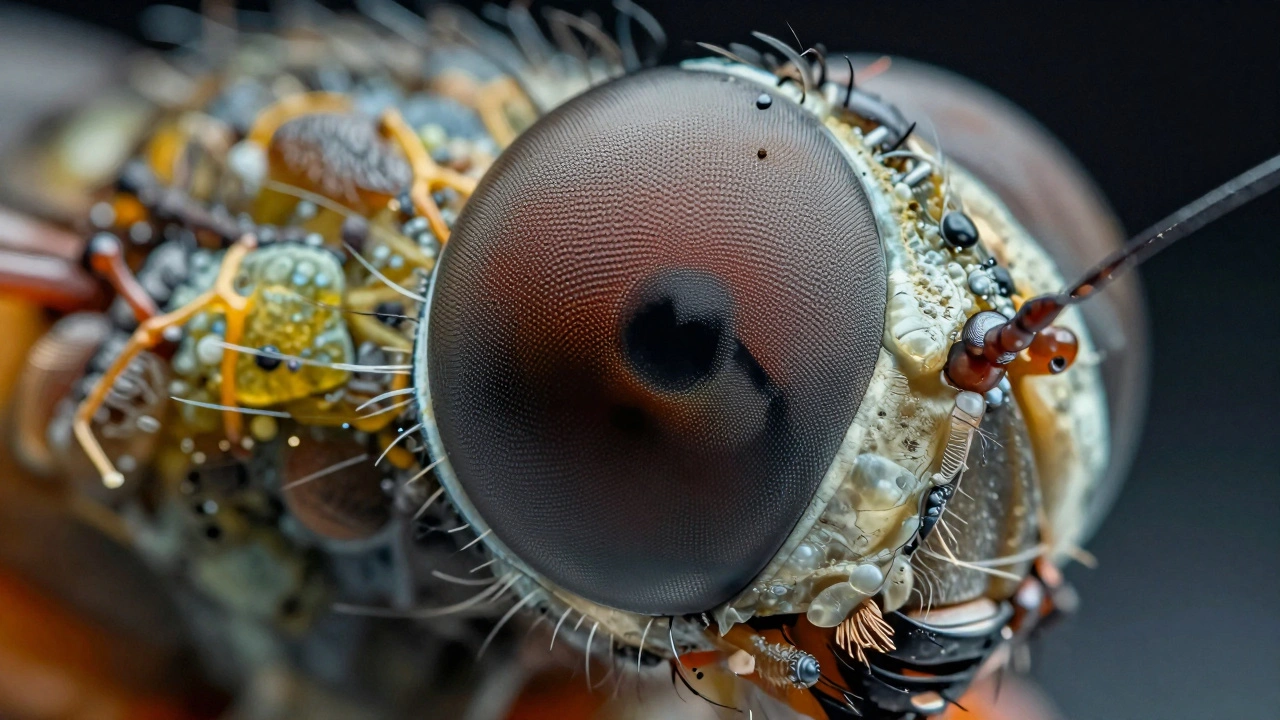
- Nature and Insects: Capturing the compound eyes of a fly or the pollen on a bee requires at least 1:1. To isolate a single eye facet, you would need super macro capabilities (2:1+).
- Beauty Photography: Skin texture, eyelashes, and makeup application details are best captured at 1:1. This provides the clarity needed for advertising where product efficacy is visually demonstrated.
Choosing Your Gear Based on Ratios
When shopping for a macro lens, ignore the focal length for a moment and look at the magnification spec. Most reputable macro lenses from Canon, Nikon, Sony, and Pentax offer 1:1 at their minimum focusing distance. This is the sweet spot for versatility.
If you primarily shoot static subjects like coins, stamps, or small products, consider lenses that exceed 1:1. The Laowa 100mm f/2.8 is a popular choice for its 2:1 capability and flat-field design, which keeps edges sharp-a common issue in macro work. If you are on a budget, stick to a standard 1:1 lens (like a 90mm or 100mm) and use extension tubes to boost magnification further. Extension tubes physically increase the distance between the lens and sensor, effectively increasing the magnification ratio without buying new glass.
Is 1:2 magnification considered macro?
Technically, no. The industry standard defines true macro photography as starting at 1:1 magnification. A 1:2 ratio is classified as a close-up. While many lenses labeled "macro" may only reach 1:2, purists and technical guides distinguish them from true macro lenses based on this threshold.
Does crop sensor affect the magnification ratio?
No, the magnification ratio is determined by the lens optics and the subject-to-sensor distance. However, a crop sensor has a smaller area, so a 1:1 subject will fill more of the frame compared to a full-frame sensor. This gives the illusion of greater magnification in the final composition, but the optical ratio remains unchanged.
Can I achieve 1:1 with a non-macro lens?
It is difficult and generally not recommended. Standard prime lenses rarely focus close enough to achieve 1:1. Even if they do, they lack the optical correction for close distances, leading to soft images, vignetting, and color fringing. Dedicated macro lenses are designed to maintain sharpness and contrast at high magnification ratios.
What is the difference between 1x and 2x magnification?
At 1x (1:1), the subject is projected onto the sensor at its actual life size. At 2x (2:1), the subject is projected at twice its actual size on the sensor. For example, a 5mm insect would cover 5mm of the sensor at 1x, but 10mm of the sensor at 2x, revealing significantly more detail per pixel.
How do I check the magnification ratio of my lens?
Most macro lenses print the maximum magnification ratio on the barrel (e.g., "1:1" or "1x"). Additionally, modern cameras record this data in the EXIF metadata. You can view this information in photo management software like Lightroom or Capture One to see the exact magnification achieved during each shot.
Mastering magnification ratios transforms how you approach small subjects. By aiming for that 1:1 threshold and understanding how focus distance impacts your results, you unlock a world of detail that was previously hidden. Start with a true 1:1 macro lens, experiment with your minimum focus distances, and soon you’ll be seeing the world in a whole new scale.