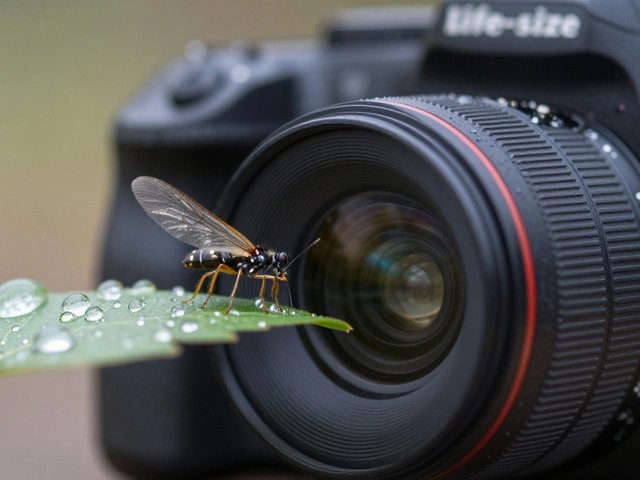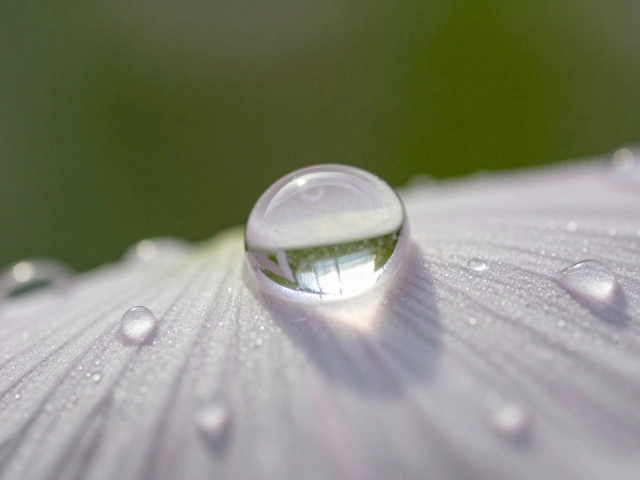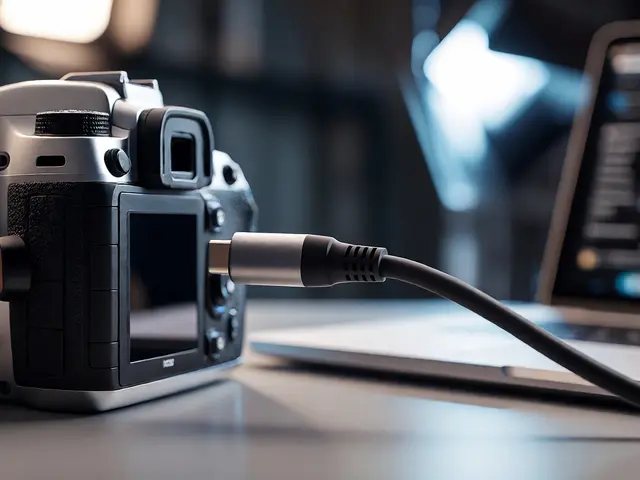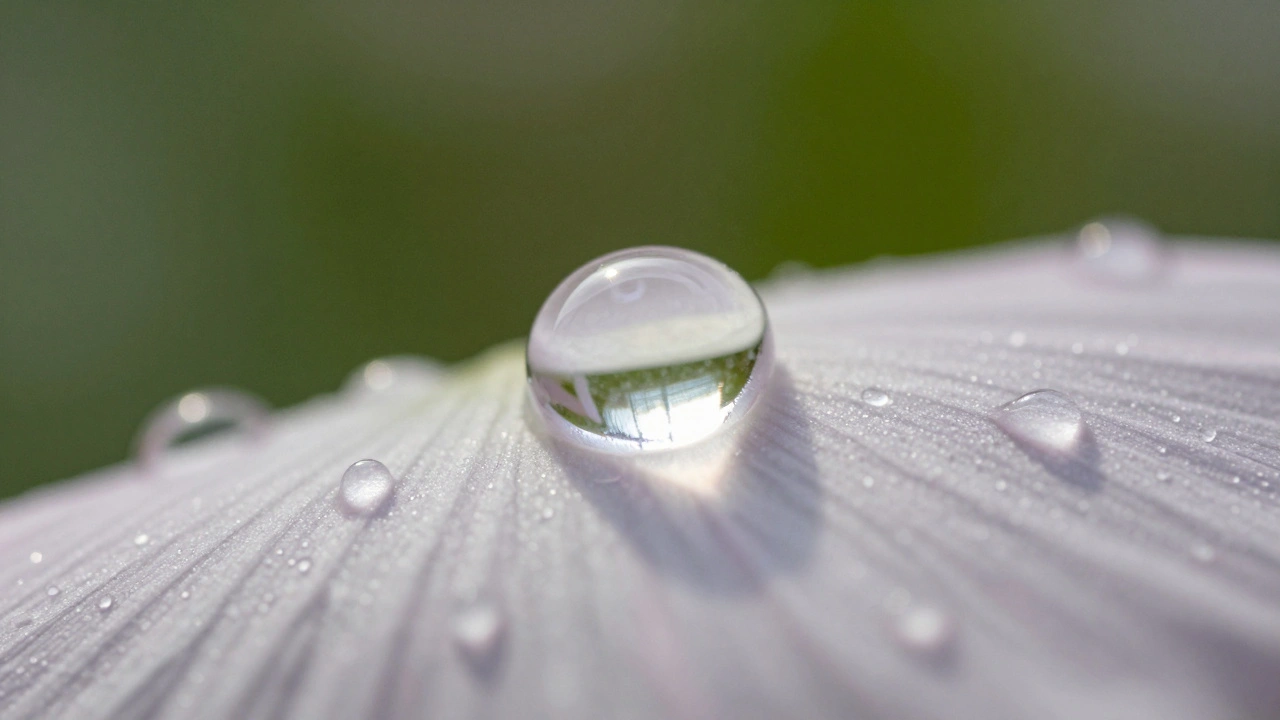
When you’re shooting tiny subjects like a bee’s eye, a dewdrop on a petal, or a coin’s intricate engraving, lighting makes all the difference. Too dark, and you lose detail. Too harsh, and you blind the subject with glare. That’s where dedicated macro flashes come in - and two systems dominate the conversation: the ring flash and the twin flash a two-strobe lighting system designed for macro photography, offering independent control over each light source.
Both are made for close-up work, but they work in completely different ways. One gives you even, shadowless light. The other gives you sculpted, directional shadows. Choosing between them isn’t about which is better - it’s about what kind of photos you want to make.
How Ring Flashes Work
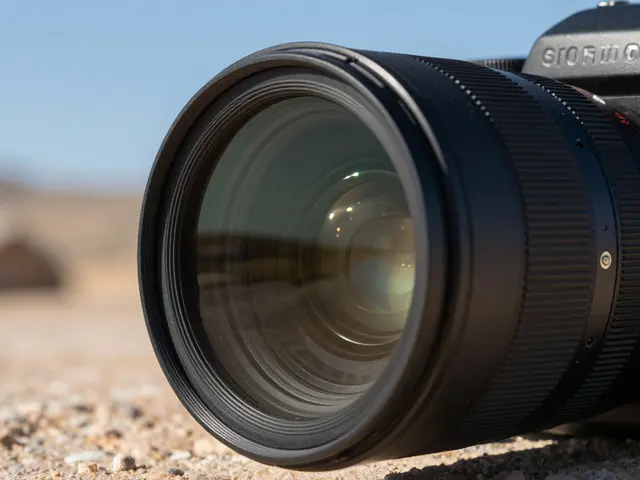
The ring flash a circular flash unit that mounts directly around the lens, producing uniform, shadowless illumination ideal for close-up subjects looks like a thick ring that fits snugly around your macro lens. Inside, two flash tubes fire simultaneously, surrounding the lens with light. This design ensures every angle of your subject gets hit with the same intensity.
That’s why it’s the go-to for medical photography and forensic documentation. No shadows. No surprises. Just clean, consistent results. If you’re photographing jewelry, stamps, or insects where you need every detail visible - and you want to shoot fast without fiddling with settings - the ring flash delivers.
Canon’s MR-14EX Ring Lite a dedicated ring flash system for Canon macro lenses, offering 1/64th power minimum output and consistent illumination across magnifications is the most common example. At ISO 100, it works across apertures from f/2.8 to f/32. But here’s the catch: at higher ISOs like 400, it becomes overpowered at f/2.8 to f/8. You’ll need to dial back the power to 1/64th or use a neutral density filter if you want to open up your aperture.
The trade-off? You get a signature ring reflection in your subject’s eyes - think of it as a watermark of this lighting style. For some, it’s a flaw. For others, it’s just part of the look.
How Twin Flashes Work
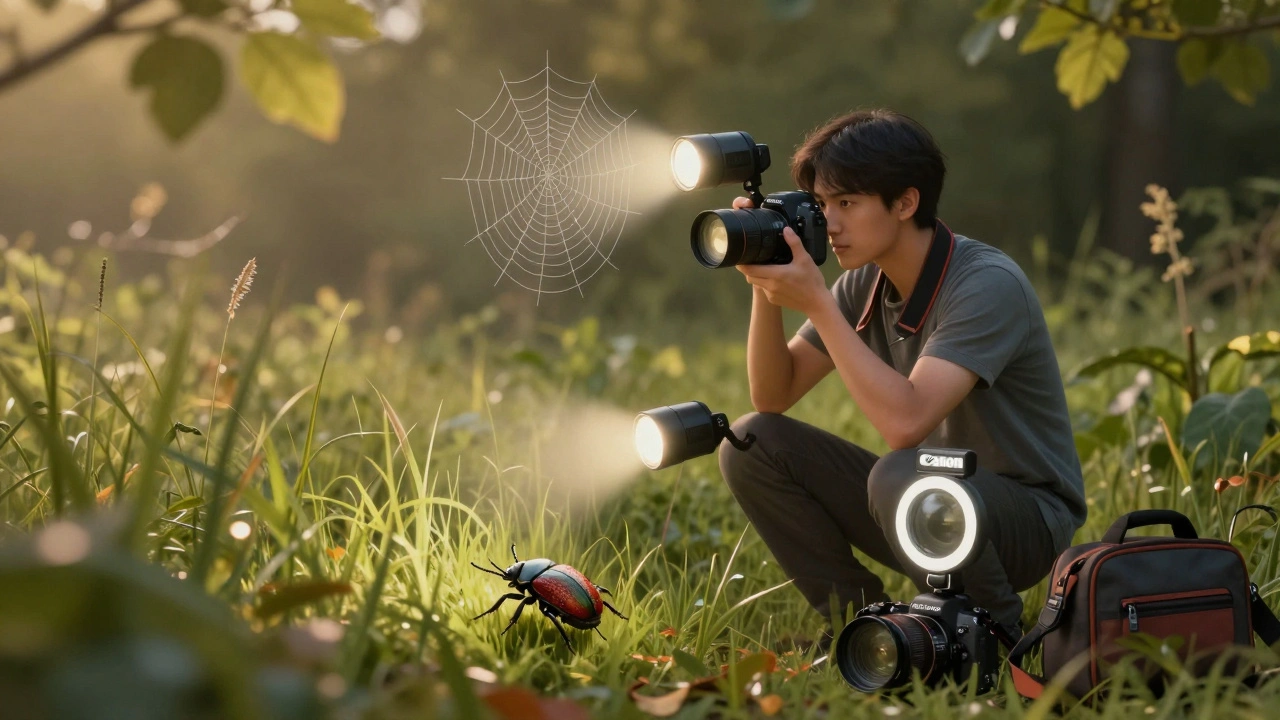
Now picture two small flash units, one on each side of your lens. That’s the twin flash a dual-strobe macro lighting system with independently adjustable output and positioning, allowing for directional lighting and sculpted shadows. Canon’s MT-24EX Twin Flash a dual-strobe macro flash with adjustable light ratios and detachable strobes for creative positioning is the standard here.
Unlike the ring flash, the twin flash doesn’t just flood the subject. It lets you control where the light hits. You can set one strobe to 80% and the other to 20%. You can angle them up, down, or even hold one off-camera to light a background. That’s not possible with a ring flash.
This flexibility turns flat subjects into three-dimensional scenes. A beetle’s shell? You can make the ridges pop with shadow. A flower’s stamen? You can highlight one side while keeping the other soft. The twin flash creates dimension. It’s what portrait photographers do with studio lights - but for bugs and beetles.
The guide number is higher than the ring flash - 85 feet at ISO 100 - meaning it packs more raw power. But again, in macro work, that’s often too much. You’ll spend most of your time dialing it down to 1/16th or 1/32nd power. The real advantage? You can adjust the ratio between the two lights. A 4:1 ratio gives you punchy highlights and deep shadows. A 1:1 ratio? It starts to look like a ring flash, but with more control.
Lighting Differences: Flat vs. Dimensional
This is the core divide. Ring flash = flat. Twin flash = dimensional.
Flat doesn’t mean bad. In fact, for technical work - documenting a rare insect’s wing pattern, photographing a coin collection, or capturing a scientific specimen - flat lighting is ideal. It removes ambiguity. No shadow hides a detail. Every part is equally visible. That’s why labs and museums use ring flashes.
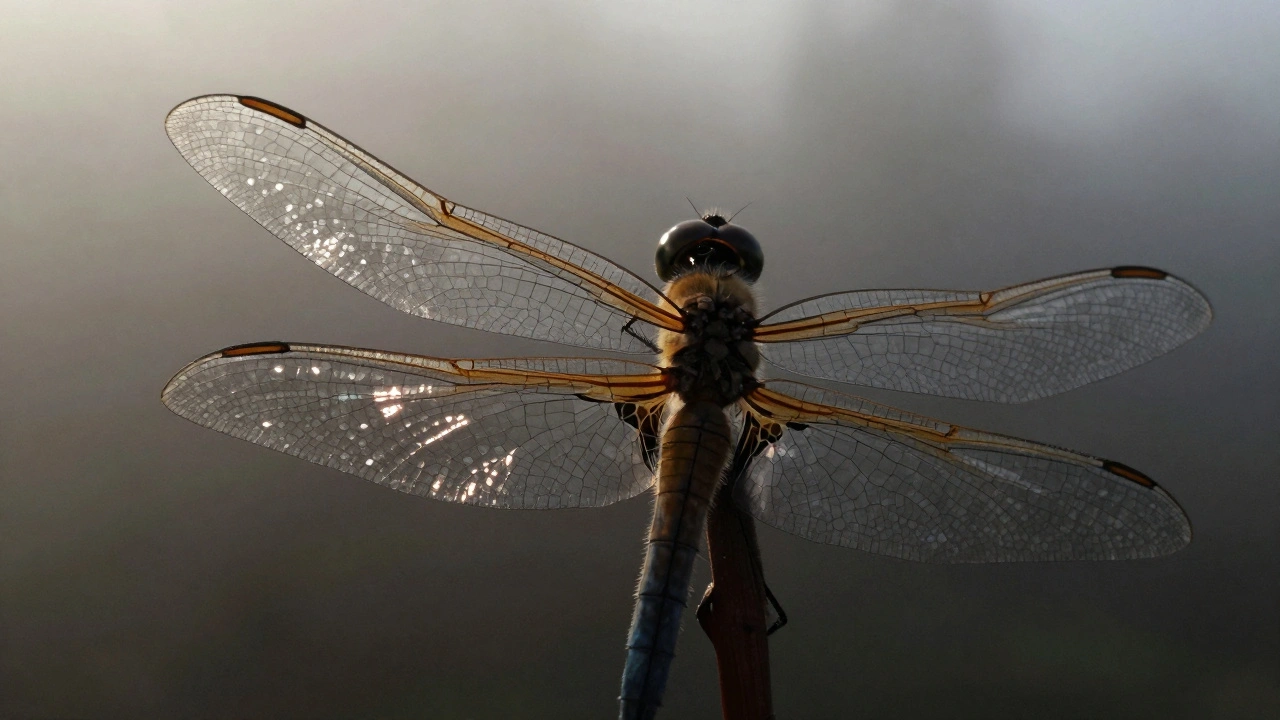
But if you’re shooting for art, mood, or texture - a spiderweb glistening at dawn, a dragonfly’s iridescent body - then you need shadows. Shadows define shape. They show depth. They add drama. The twin flash lets you sculpt light like clay. You can make a leaf look like it’s glowing from one side while the rest fades into darkness. That’s impossible with a ring flash.
Some photographers say ring flash light is "boring." Others say twin flash light is "messy." Both are right - depending on the goal.
Size, Portability, and Practical Use
Ring flashes are compact. They’re light. They fit in a small camera bag. If you’re crawling through tall grass chasing dragonflies, or working in a cramped greenhouse, the ring flash won’t get in your way. It’s always aligned with your lens. No need to balance weights or worry about cables.
The twin flash? Heavier. Bulkier. It needs more space. But it’s still far more portable than dragging a full studio setup with softboxes and stands. The MT-24EX’s strobes can be detached and mounted on a bracket, letting you shoot from odd angles - like lighting a subject from above while you shoot from below. That kind of control is a game-changer for field work.
And here’s something most beginners miss: the twin flash works better with diffusers. Canon’s concave diffuser for the MT-24EX softens the light significantly. Without it, the light can feel harsh. With it? You get a balance of direction and softness that rivals studio lighting.
Who Should Choose Which?
Let’s cut through the noise. Here’s who wins with each system:
- Choose the ring flash if: You shoot small objects regularly - stamps, coins, insects, jewelry. You need consistent results every time. You’re new to macro. You don’t want to think about lighting angles. You work in tight spaces. You value speed and reliability over creative control.
- Choose the twin flash if: You want to create mood, texture, and depth. You shoot flowers, water droplets, or textured surfaces. You like to experiment with light direction. You’re willing to learn how to balance two light sources. You want to light backgrounds or add rim light. You’re not afraid of a learning curve.
There’s no "right" answer. But there is a "right for you" answer.
What About Other Options?
Some photographers skip both and use a diffused Canon 580EXII flash on a bracket. It can produce softer, more natural light than either the ring or twin flash - but it’s heavier, harder to balance, and throws shadows depending on your shooting angle. If you’re shooting from above, the shadow of your lens might ruin the shot.
Or you can go DIY: stick a white Styrofoam plate over your popup flash. It works surprisingly well for magnifications under 2:1. You’ll get decent results on a budget. But once you start pushing beyond 1:1 magnification - where detail gets critical - dedicated macro flashes become necessary. The power, control, and consistency just aren’t there with popup flash.
And while third-party brands exist, Canon’s MR-14EX and MT-24EX remain the benchmarks. They’re built for Canon macro lenses. They communicate with your camera. They’re reliable. And they’ve been tested in the field by thousands of photographers over the last 15 years.
Final Decision: It’s About Your Vision
If you’re shooting for science, documentation, or consistency - go ring flash. It’s the quiet workhorse. No fuss. No drama. Just perfect, even light.
If you’re shooting for art, emotion, or storytelling - go twin flash. It’s the creative tool. It asks you to think, to adjust, to play. But when you get it right, the results have soul.
Most macro photographers start with the ring flash. It’s easier. Then, as they grow, they add the twin flash to their kit. Some never leave the ring. Others abandon it entirely. Both paths are valid.
Ask yourself: Do I want to capture every detail? Or do I want to make the viewer feel something?
Can I use a ring flash for portraits?
Technically yes, but it’s not ideal. The ring flash creates a very distinctive circular reflection in the eyes, which can look unnatural in human portraits. It’s great for insects or small objects, but for people, softbox lighting or diffused off-camera flashes give more flattering results.
Is the twin flash too complicated for beginners?
It’s more complex than the ring flash, but not impossible. Start by setting both strobes to equal power (1:1 ratio). Shoot in manual mode. Take notes on how changing the angle affects shadows. After a few sessions, you’ll start to understand how light shapes your subject. Many beginners find the learning curve worth it.
Do I need a diffuser for the twin flash?
Highly recommended. The raw output from the MT-24EX can be harsh. The official concave diffuser softens the light while keeping directionality. DIY diffusers like white plastic or tissue paper work too - just make sure they don’t block too much light at close range.
Can I use either flash with non-Canon lenses?
Yes, but with limitations. The MR-14EX and MT-24EX are designed for Canon EOS lenses. If you’re using a third-party macro lens, you may lose TTL metering and automatic power adjustment. Manual mode will still work, but you’ll need to adjust power and exposure manually each time.
Which one is more expensive?
The MT-24EX twin flash typically costs about 15-20% more than the MR-14EX ring flash. That price difference reflects the added complexity, dual strobes, and greater creative control. But both are investments - and both outperform generic flash units for macro work.
If you’re just starting out in macro photography, the ring flash is the safest bet. It’s forgiving, consistent, and simple. But if you’re ready to push beyond technical accuracy and into artistic expression, the twin flash opens a whole new world - one where light doesn’t just reveal detail, but tells a story.