You can have the sharpest lens money can buy and the most polished portfolio on your website. But if nobody knows you exist, those tools don’t matter. In the photography business, your network is often more valuable than your gear. It’s where bookings come from when algorithms change, where you find a second shooter for that chaotic wedding, and where you get honest advice when a client goes rogue.
For many of us, the word “networking” triggers a cringe response. We picture awkward cocktail parties or handing out business cards to strangers who immediately toss them. That isn’t the only way. Real networking in photography is about building genuine relationships with peers and industry partners who become your support system and referral engine. It’s less about collecting contacts and more about cultivating trust.
The Two Types of Photographers You Need to Know
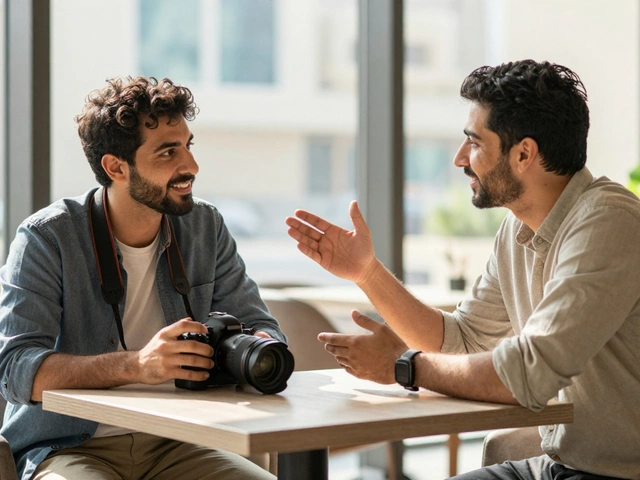
When experts talk about networking, they usually split it into two distinct buckets. Understanding this difference changes how you approach every interaction. The first group is other photographers who are peers in your niche or complementary fields. These are your collaborators, your mentors, and your safety net. They understand the specific stress of chasing golden hour light or dealing with difficult lighting setups. They can offer technical advice, emotional support during burnout, and overflow referrals when their calendars are full.
The second group consists of non-photographer industry partners. Think wedding planners, florists, venue managers, makeup artists, and videographers. These people are your primary source of consistent work. A wedding planner might recommend five photographers in a single month. If you aren’t on their radar, you’re missing out on high-value clients who already trust their vendor list. Ignoring either group weakens your business foundation.
| Target Group | Primary Benefit | Best Approach |
|---|---|---|
| Peer Photographers | Mental health support, collaboration, overflow referrals | Styled shoots, coffee chats, private critique groups |
| Industry Partners (Planners/Venues) | Consistent high-volume client referrals | In-person meetings, sharing galleries, tagging on social media |
| Complementary Niches | Cross-promotion, creative inspiration | Joint projects, shared social features |
Digital Networking Without the Scroll Fatigue
Social media is unavoidable, but treating it like a broadcast tower rather than a conversation starter is a mistake. Platforms like Instagram and LinkedIn have billions of users, which means your posts disappear in seconds unless you engage. The goal isn’t to gain followers; it’s to build recognition among other professionals.
Start by joining 2-3 focused online communities. Avoid scattering your energy across dozens of generic groups. Instead, look for local Facebook groups, niche-specific forums like r/photography on Reddit, or member-only boards from organizations like the Professional Photographers of America (PPA). Spend 15-30 minutes a day commenting thoughtfully on other people’s work. Don’t just write “Nice shot.” Point out something specific, like how they handled the backlighting or the composition choice. This builds visibility and shows you’re paying attention.
Use hashtags strategically to reach local peers. Tags like #portlandweddingphotographer or #londonfamilyphotographer help you find others in your area. When you see someone doing great work, send a direct message referencing a specific image. Genuine interest opens doors faster than a cold pitch ever will.
The Power of Face-to-Face Interaction
Despite the digital shift, offline networking remains critical. There is a reason why events like Imaging USA or WPPI draw thousands of attendees willing to spend hundreds of dollars on travel and tickets. The cost acts as a filter, ensuring that everyone there is serious about their career. You meet committed professionals, not casual hobbyists.
You don’t need to attend massive conferences to benefit. Smaller retreats with 10-30 attendees often foster deeper connections. These intimate settings allow for longer conversations and stronger friendships. If large events intimidate you, start smaller. Work from a local coworking space or café where other business owners gather. Casual interactions here can lead to unexpected collaborations.
Prepare a simple 20-30 second introduction. It should include your name, your specialty, and your location. Practice it until it feels natural. This removes the anxiety of being put on the spot and helps you communicate your value quickly. Remember, the goal is to be memorable, not perfect.
Collaboration Over Competition
A common fear among photographers is that sharing knowledge or referring clients will hurt their own business. This scarcity mindset holds many back. In reality, the market is rarely saturated enough for one person to capture all available work. Building a network of 5-20 local peers creates an abundance of opportunities through reciprocal referrals.
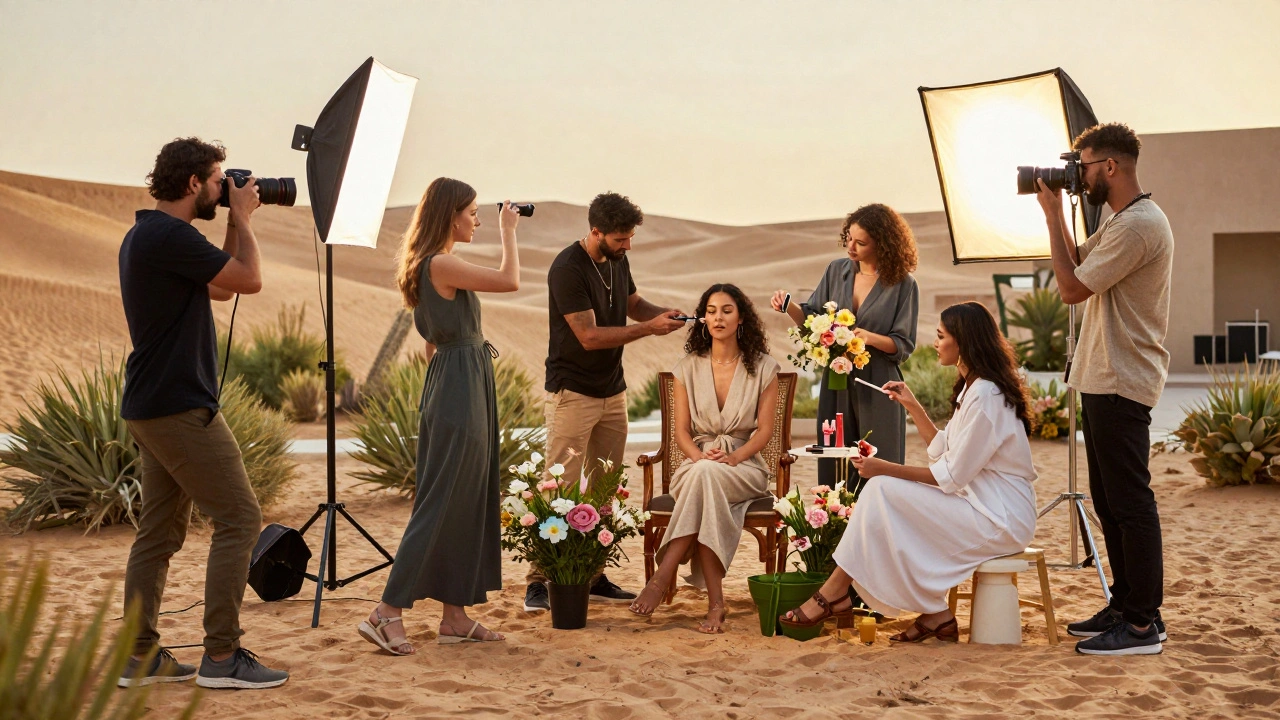
Organize styled shoots with 2-4 other photographers. Pool resources for wardrobe, props, and locations. Everyone gets fresh portfolio images, and you share credit on social media, multiplying your reach without spending money on ads. These projects deepen relationships far more effectively than sporadic likes. They turn acquaintances into trusted colleagues.
When you are fully booked, refer inquiries to other photographers in your network. This builds immense goodwill. Those photographers are likely to return the favor when you need coverage or overflow work. It also reassures your clients that you care about their needs even when you can’t serve them personally.
Building Relationships with Non-Photographers
Your relationship with vendors outside photography is arguably more impactful for revenue growth. Wedding planners, for instance, are constantly looking for reliable photographers. Invite them for coffee instead of sending a generic email with a price list. Face-to-face meetings build trust. Show them your personality, not just your portfolio.
Create a list of 5-10 preferred vendors in your area. After each job, share the gallery with them and tag them on social media. This increases their visibility too, creating a mutually beneficial cycle. For commercial photographers, this extends to creative directors and marketing managers. Connect with them on LinkedIn and attend industry events where photography intersects with broader marketing strategies.

A Practical Plan for the Next Three Months
Networking doesn’t happen overnight. It requires consistent, small actions. Here is a realistic implementation plan to integrate into your routine:
- Join Communities: Select 2-3 online groups relevant to your niche and location. Introduce yourself and participate weekly.
- Daily Engagement: Spend 15 minutes daily commenting on peers’ posts with specific, constructive feedback.
- Monthly Meetings: Schedule one coffee chat or virtual call per month with a new photographer or vendor.
- Quarterly Events: Attend at least one in-person workshop, meetup, or conference per quarter.
- Annual Collaboration: Organize or join 1-2 styled shoots or joint projects per year.
This approach typically requires 2-5 hours per week. It’s manageable alongside shooting and editing. The key is consistency. Small efforts compound over time, leading to a robust network that supports your career long-term.
Overcoming Introversion and Anxiety
If you’re introverted, large networking events can feel draining. That’s okay. Focus on quality over quantity. Form a small group of 3-4 photographers for regular evening chats or co-working nights. These low-pressure environments allow for authentic connection without the noise of a crowd.
Shift your mindset from “What can I get?” to “How can I help?” Offer to assist on a shoot, share editing tips, or provide behind-the-scenes support. Giving first builds credibility and reduces the pressure to perform. People remember generosity. They are more likely to refer you because they know you’re supportive, not just self-serving.
How do I start networking if I’m shy?
Start with online communities where you can comment thoughtfully on others' work. Gradually move to small, low-stakes interactions like coffee chats with one person. Prepare a simple introduction to reduce anxiety. Focus on asking questions and listening, which takes the spotlight off you.
Is it worth attending expensive photography conferences?
Yes, if your goal is professional growth and serious networking. The high cost filters out casual attendees, meaning you meet committed professionals. However, smaller local workshops or retreats can offer similar benefits at a lower price point. Choose based on your budget and specific learning goals.
Should I refer clients to competitors?
Absolutely. Referring clients when you're booked builds strong goodwill and reciprocity. Other photographers are more likely to refer overflow work to you if you’ve helped them before. It also enhances your reputation as a reliable and caring professional.
How much time should I spend on networking weekly?
Aim for 2-5 hours per week. This includes daily social media engagement (15-30 mins), monthly one-on-one meetings, and quarterly event attendance. Consistency matters more than intensity. Small, regular efforts yield better long-term results than sporadic bursts of activity.
What’s the best way to connect with wedding planners?
Invite them for coffee or lunch to discuss their needs and show your portfolio. Personal interaction builds trust faster than emails. Follow up by sharing your work on social media and tagging them. Maintain the relationship by being responsive and reliable when they do book you.