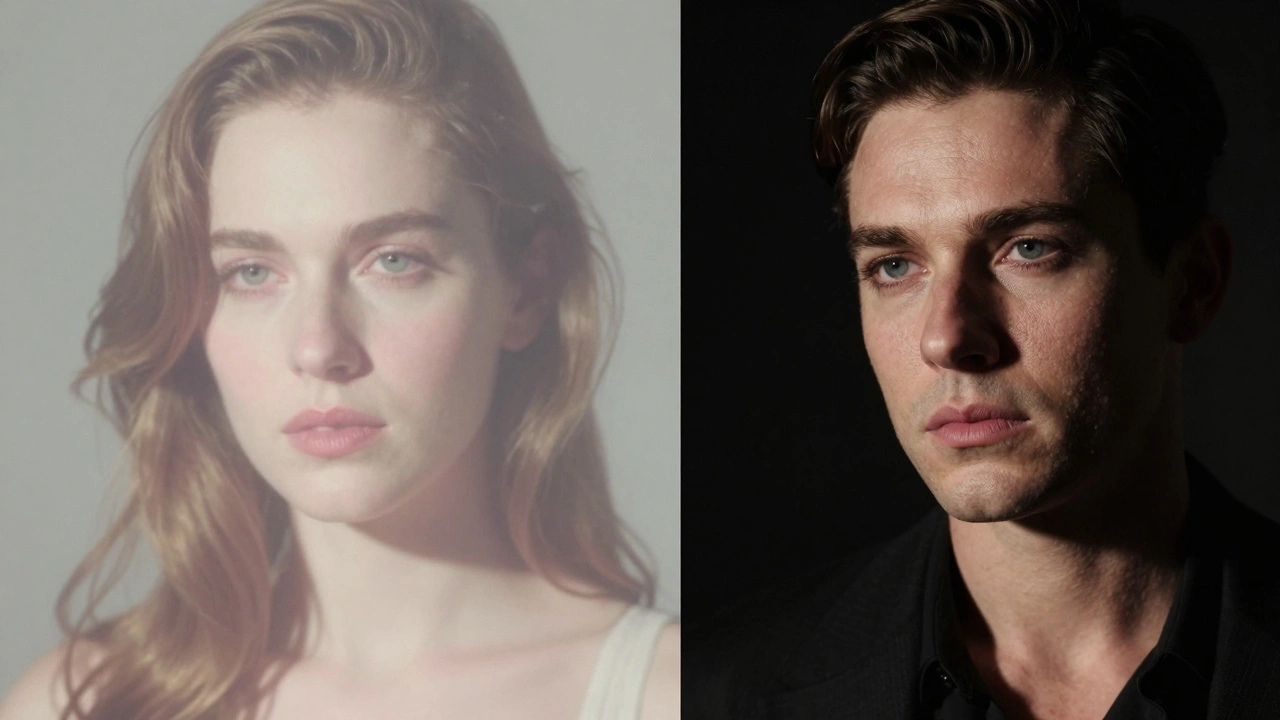
Imagine you're taking a portrait of a friend. In one shot, their skin looks flawless, the mood is romantic, and the shadows under their chin just melt away. In the next, every pore is visible, the shadows are pitch-black, and the whole vibe feels like a gritty scene from a 1940s detective movie. The difference isn't your camera or your subject-it's the light quality is the characteristic of light that determines how it creates shadows and defines the texture of a subject. Understanding whether you are dealing with soft or hard light is the secret to moving from "taking snapshots" to actually painting with light.
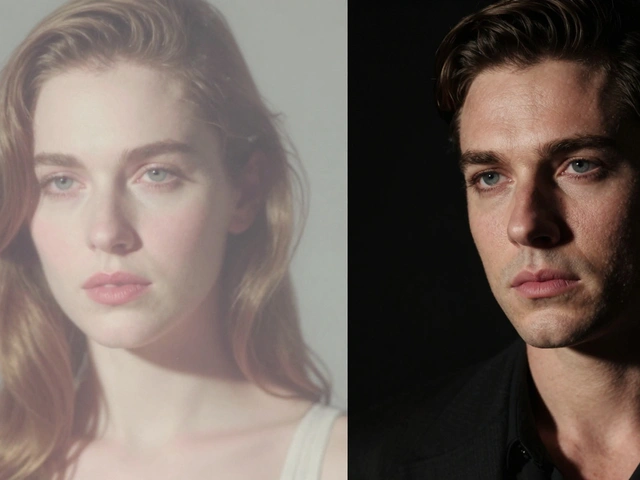
| Feature | Hard Light | Soft Light |
|---|---|---|
| Shadow Edges | Sharp, crisp, defined | Gradual, blurred, subtle |
| Contrast | High (deep blacks, bright whites) | Low (more mid-tones) |
| Texture | Accents and reveals flaws | Smooths and hides imperfections |
| Mood | Dramatic, gritty, intense | Gentle, romantic, flattering |
What Exactly is Hard Light?
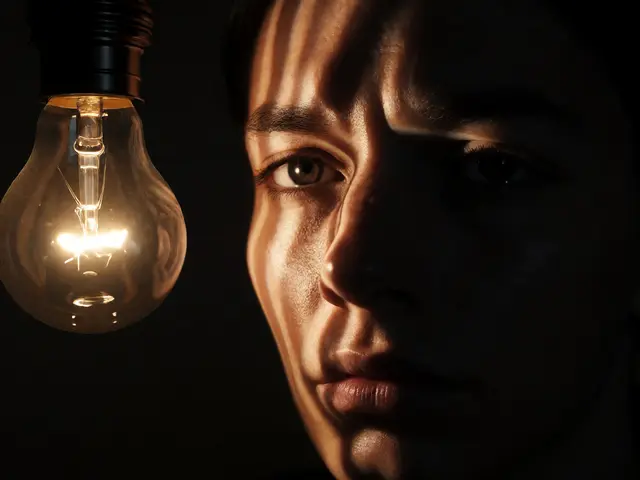
When people talk about Hard Light, they aren't talking about the intensity or brightness. You can have a dim light that is still "hard." Hard light is defined by the transition between the lit area and the shadow. If that transition is abrupt-like a sharp line drawn with a pen-you've got hard light.
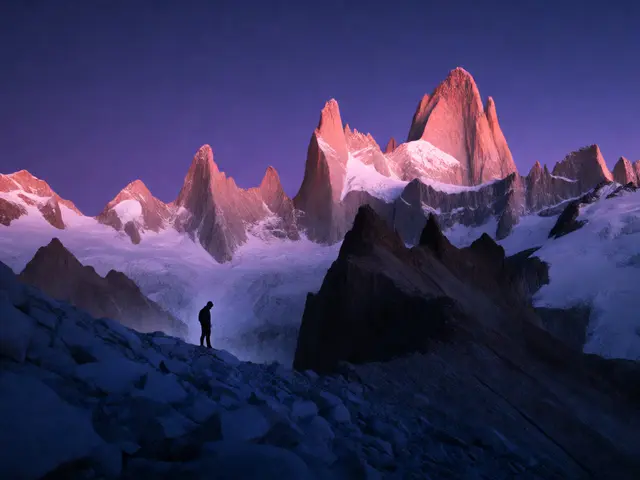
This happens when the light source is small relative to the subject. Think of the midday sun on a cloudless day. Because the sun is so far away, it acts as a tiny point of light, sending rays that are nearly parallel. This creates high contrast and deep shadows. If you've ever seen a Fresnel lens in a studio, you know it can be focused to "cut" shadows with surgical precision, leaving almost no gradient between the light and the dark.
In a real-world scenario, a bare flash or a small desk lamp creates hard light. If you're an event photographer using a Speedlight pointed directly at a subject, you're creating a high-contrast look that can feel honest and raw, but sometimes a bit too harsh for a flattering portrait.
The Magic of Soft Light
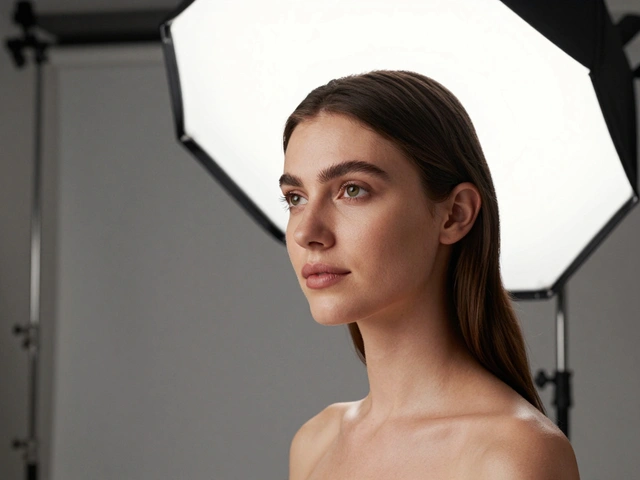
On the flip side, Soft Light is all about the wrap. Instead of a sharp line, soft light creates a gradual transition. It's like the light is hugging the subject, filling in the shadows and softening the edges.
Soft light comes from a light source that is large relative to the subject. An overcast sky is the perfect example. The clouds act as a massive diffuser, spreading the sun's rays across the entire dome of the sky. This means light is hitting your subject from multiple angles at once, which fills in those deep pockets of shadow.
If you're shooting a newborn or a beauty campaign, this is your go-to. Why? Because soft light minimizes skin texture. It hides acne, smooths out wrinkles, and generally requires much less retouching in post-production. It creates a peaceful, romantic atmosphere that feels welcoming rather than confrontational.
The Three Rules That Determine Light Quality
You don't have to guess if your light is hard or soft. It all comes down to a bit of physics. If you want to change the quality of your light, you only have three levers to pull:
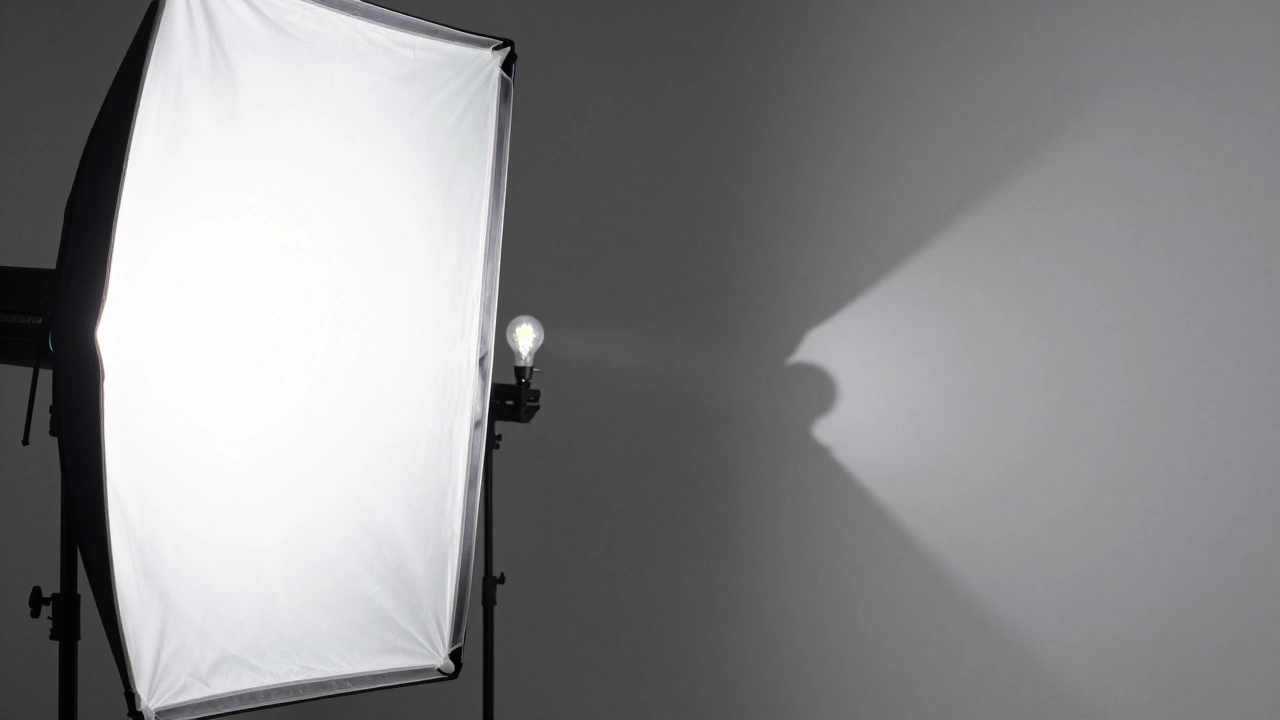
- Relative Size: This is the most important rule. A light doesn't have to be physically huge to be "large." A small LED panel held two inches from a subject's face is "larger" than a massive stadium light located a mile away. The larger the source looks from the subject's perspective, the softer the light.
- Distance: Move your light closer to the subject, and it becomes softer. Move it away, and it becomes harder. This is why photographers move their softboxes as close as possible to the model without actually entering the frame.
- Diffusion: Adding a material-like a white sheet, a frosted plastic panel, or a professional Softbox-scatters the light rays. Thicker diffusion materials scatter the light more, resulting in a smoother transition between highlight and shadow.
When to Use Hard Light for Maximum Impact
Soft light is the "safe" choice, but hard light is where the drama lives. If you want your image to feel intrepid or stylistic, embrace the harshness. Hard light is a powerhouse for revealing texture. If you're photographing a weathered fisherman or a piece of rusted machinery, hard light will make those details pop by creating micro-shadows in every crease.
It's the gold standard for Film Noir aesthetics and athletic portraits. Think of a gym shot where you want the muscles to look sculpted and defined; soft light would flatten those muscles, but hard light carves them out. Street photographers often hunt for the "harsh" light of midday to create bold, geometric shadows on city sidewalks.

Mastering Soft Light for Flattery
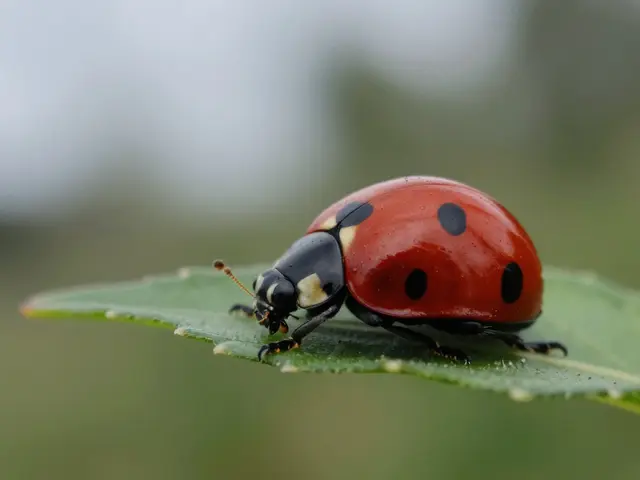
When the goal is beauty, comfort, or a professional corporate look, soft light wins every time. It's a staple in macro photography and product shots where you want a clean, uniform glow without distracting hot spots or distracting black holes in the shadows.
For weddings, soft light is almost always the preference. It creates a romantic, ethereal mood. Whether it's the natural glow of the Golden Hour (the period shortly after sunrise or before sunset) or a large Umbrella in a studio, the goal is to wrap the light around the couple to keep the mood gentle and peaceful.
Practical Tips for Controlling Your Light
You don't need a thousand-dollar studio to control light quality. If you're working with a budget, try these tricks:
- The Window Trick: A window with direct sun is hard light. Close a sheer white curtain, and you've instantly created a massive, soft light source.
- The Bounce: Instead of pointing your flash at a person (hard light), point it at a white ceiling or wall. The ceiling becomes the new, larger light source, softening the shadows on your subject.
- The DIY Diffuser: Tape a piece of parchment paper or a white t-shirt over a lamp to see how the shadows on a nearby object instantly blur and soften.
Does the brightness of the light affect whether it is hard or soft?
No. Brightness (intensity) and quality (hardness/softness) are two different things. You can have a very dim, small light that is still "hard" because it creates a sharp shadow, or a very bright, large softbox that is "soft" despite the high light output.
Why does the sun create hard light at noon but soft light on a cloudy day?
At noon, the sun is a direct, relatively small point source of light. On a cloudy day, the clouds act as a giant diffuser, spreading the light across the entire sky. This turns the light source from a single point into a massive area, which creates the soft, wrap-around light.
Which is better for portraits: hard or soft light?
It depends on the goal. Soft light is generally better for "beauty" shots because it hides skin imperfections and is more flattering. Hard light is better for "character" shots, where you want to emphasize texture, strength, or drama.
Can I turn hard light into soft light?
Yes, by using a diffuser. Placing a translucent material between the light source and the subject scatters the rays, widening the light source and softening the shadow edges.
What is the "Golden Hour" in terms of light quality?
Golden Hour occurs when the sun is low on the horizon. The light has to travel through more of the earth's atmosphere, which naturally diffuses it, making it softer and warmer than the harsh light of midday.