A single great shot is a win, but a photography series is a statement. When you move from capturing isolated moments to building a cohesive body of work, you stop being someone who just "takes pictures" and start being an artist with a vision. The real challenge isn't just finding a good subject; it's figuring out how to make twenty different images feel like they belong in the same room, the same book, or the same gallery wall.
Think of it like music. A single song can be a hit, but an album tells a story. To do this in photography, you need a "through-line"-a consistent thread of logic, mood, or aesthetic that ties everything together. Without this, you just have a folder of random photos that happen to be of the same thing.
The Philosophy of the "Body of Work"
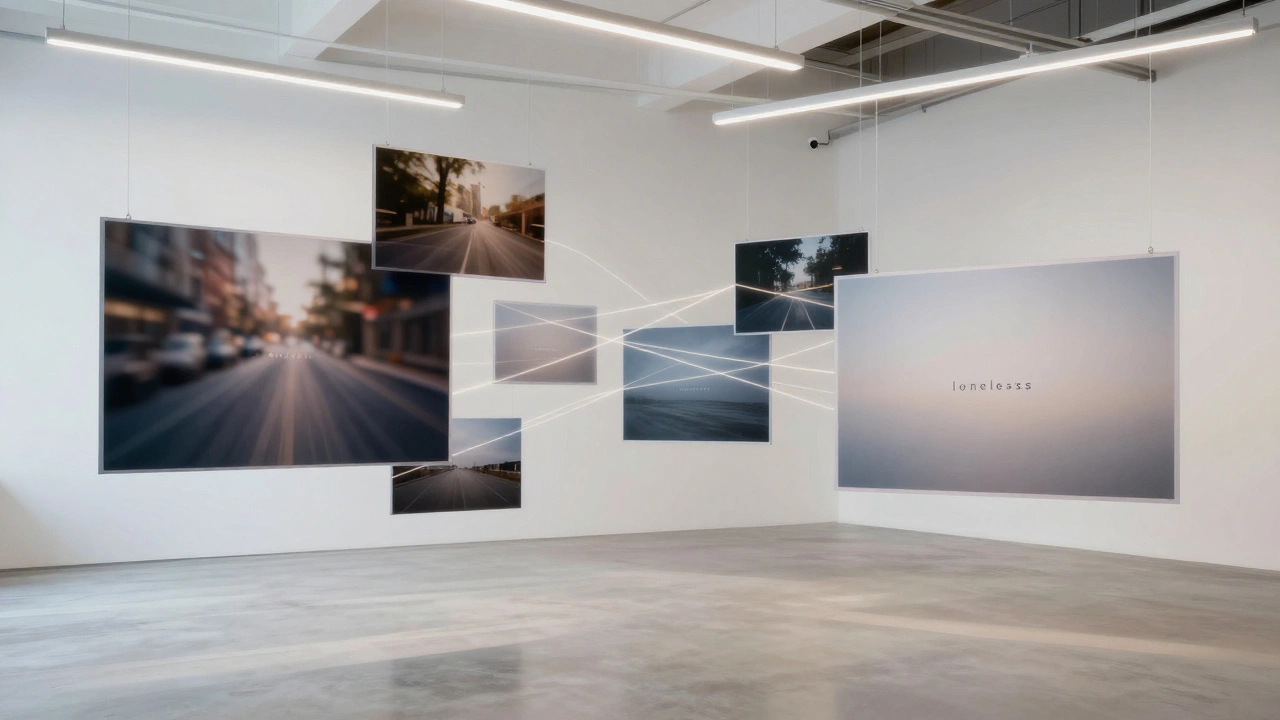
Creating a project is less about technical perfection and more about conceptual depth. Conceptual Photography is a style where the idea or message takes precedence over the literal subject being photographed. If you're just documenting a place, you're making a record. If you're exploring a theme-like loneliness in a crowded city or the decay of suburban malls-you're creating a project.
Professional photographers, including those from agencies like Magnum Photos, argue that without a tangible idea or a "literary" contribution to the conversation, work often falls into mediocrity. You aren't just showing the world what you saw; you're telling the viewer how to feel about it. This shift in mindset forces you to make harder choices about what to include and, more importantly, what to leave out.
Setting Your Constraints for Visual Cohesion
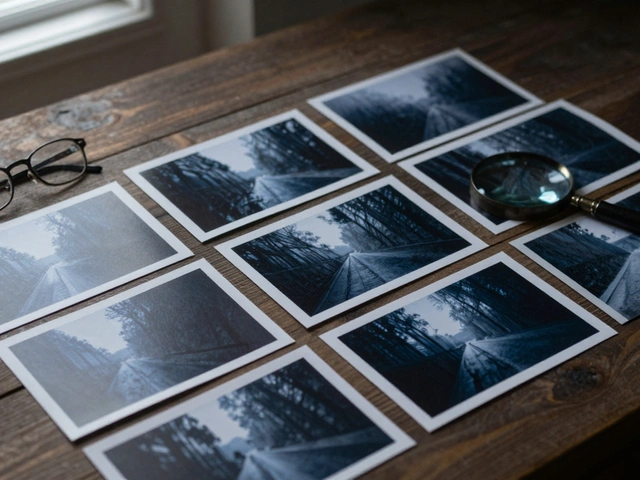
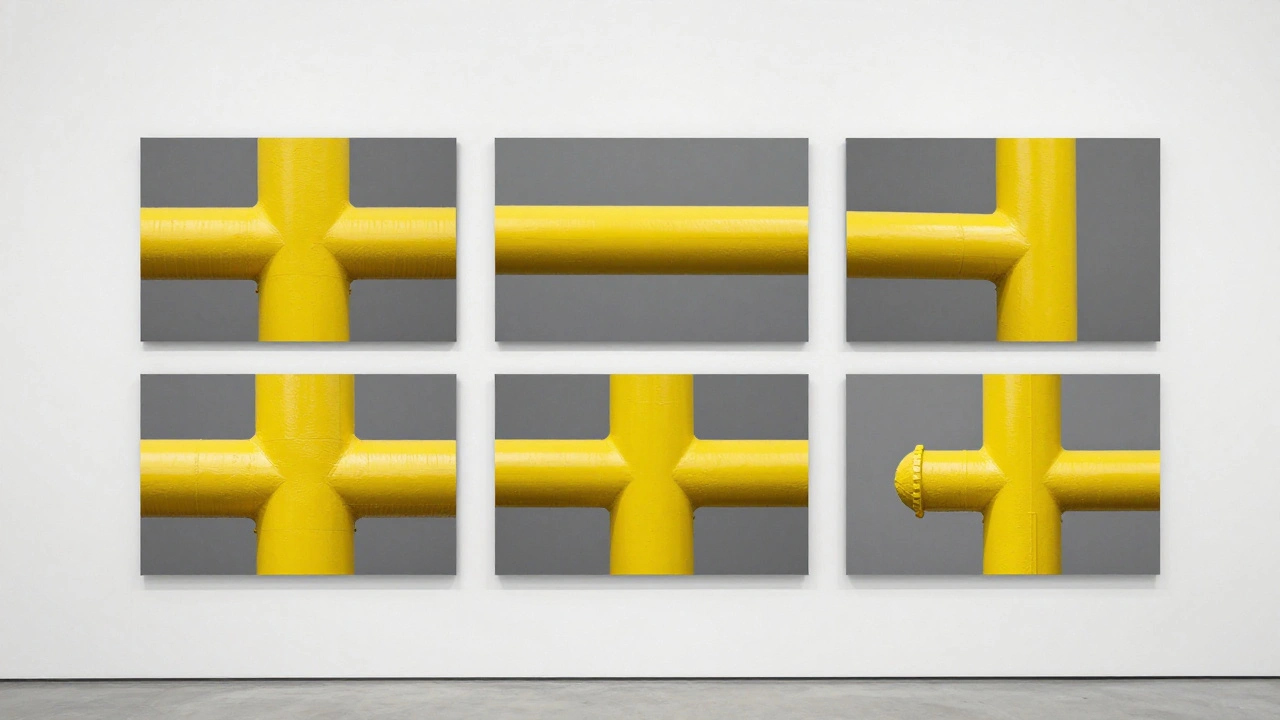
The secret to making a series feel unified isn't magic; it's constraints. By intentionally limiting your choices, you create a visual language that the viewer recognizes instantly. If every photo in a series uses the same specific shade of yellow or the same harsh midday lighting, the brain automatically links them together.
Here are a few practical constraints you can use to anchor your work:
- Color Palettes: Pick one dominant color and two supporting colors. Ensure these appear in every frame.
- Technical Settings: Stick to one aspect ratio (e.g., 4:5 or 1:1) or a specific lens focal length to maintain a consistent perspective.
- Tonal Range: Decide early if the project is strictly black and white or uses a specific color grade. Mixing them usually breaks the cohesion unless the shift is a deliberate part of the story.
- Compositional Rules: Perhaps every subject is centered, or every shot is taken from a high angle.
| Broad Subject (Too Vague) | Cohesive Theme (Strong) | Visual Anchor |
|---|---|---|
| City Landscapes | Abandoned Industrial Sites in Detroit | Cold blue tones, wide angles |
| Portraits | B&W Portraits of Local Shop Owners | Tight crops, high contrast |
| Nature | The Life Cycle of a Single Oak Tree | Same framing, changing seasons |
| Travel | The Rituals of a Weekend Road Trip | Candid snapshots, warm film grain |
Developing Your Artistic Voice
A cohesive series is essentially a mirror of your artistic voice. This isn't about following a trend; it's about identifying what you are naturally drawn to. Do you love symmetry? Are you obsessed with the way light hits old plastic? Do you prefer quiet, empty spaces or chaotic crowds?
To find this voice, stop looking at the "best" photos on social media and start looking at your own archives. Go through your last thousand images. You'll likely notice patterns-certain colors you keep choosing or types of people you're drawn to. That pattern is the seed of your project. Visual Storytelling is the art of using images to convey a narrative or a specific emotional state without relying on text. Once you identify that pattern, you can lean into it with intention.
The Discipline of Tight Editing
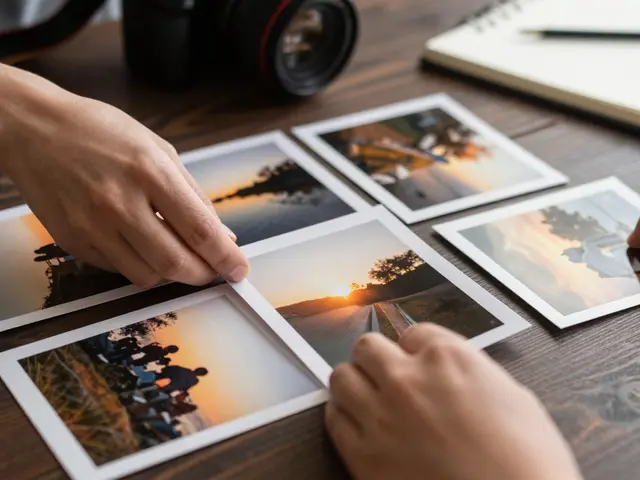
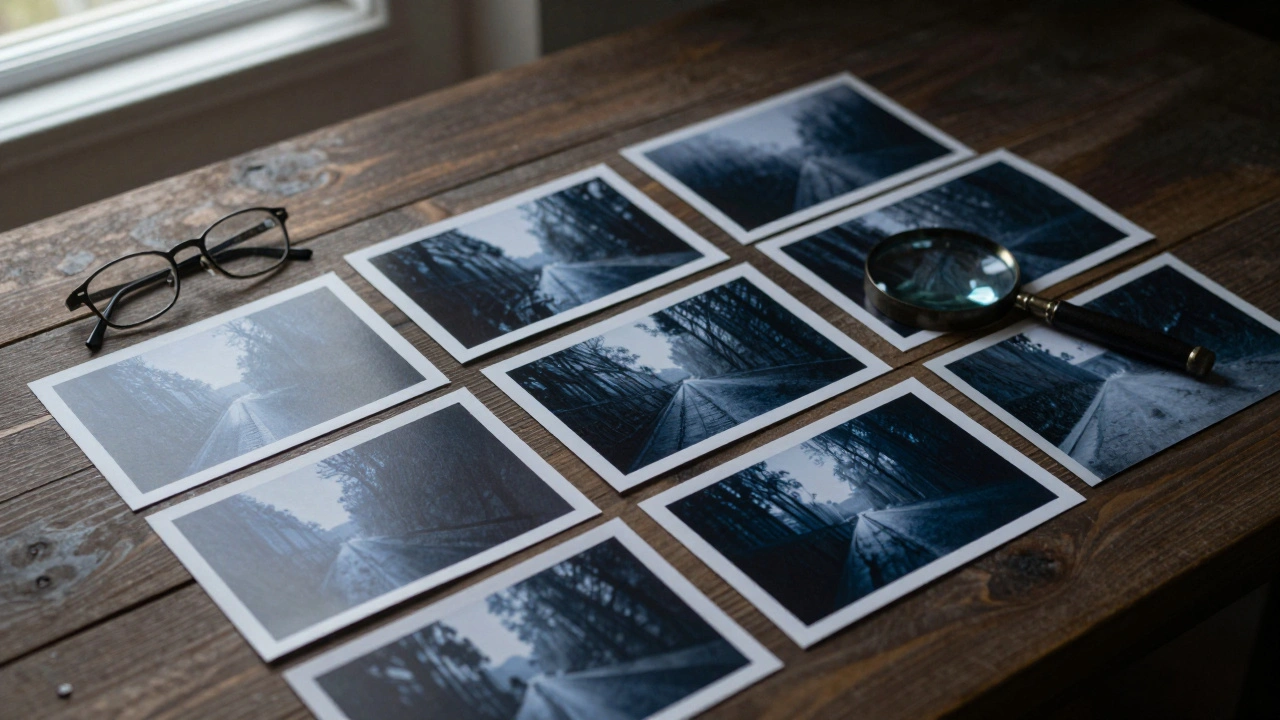
You can shoot ten thousand photos, but if you include five hundred in your series, you've failed. The power of a project comes from the edit. Tight editing is the difference between a professional portfolio and a digital scrap book. A strong series typically needs at least 10 images to establish a rhythm, but rarely more than 20-30 for a standard exhibition unless it's a full-length book.
When editing, ask yourself: "Does this photo add a new layer to the story, or is it just a slightly different version of a shot I already have?" If it's the latter, cut it. The most painful part of the process is often deleting your favorite "technically perfect" shot because it doesn't actually fit the theme. Professionalism in photography is defined by the courage to prioritize the project over the individual image.
Managing Long-Term Projects
Some of the most impactful bodies of work take years, or even decades, to complete. These are not "shoots" but lifeworks. The beauty of a long-term project is that time itself becomes a variable. You can document the aging of a person, the growth of a city, or the evolution of your own perspective.
For example, consider the approach of photographers who document the same specific ritual over years. The accumulation of images creates a depth that a one-week project simply can't match. To survive a long-term project without burning out, set small, achievable goals. Write them down. Instead of saying "I'm documenting the city," say "I'm spending this month photographing the alleyways of the East Side."
Turning Backlogs into Bodies of Work
You don't always need to start a new project from scratch. Many photographers have a "goldmine" sitting in their hard drives-thousands of unrelated images that actually share a hidden connection. The process of retrospective curation involves breaking your archive into themed clusters.
Try this exercise: Create five different folders and name them after emotions (e.g., "Loneliness," "Energy," "Stagnation"). Drag every image that fits that mood into the respective folder. You'll often find that images taken three years apart in two different countries suddenly speak the same language. This is how you discover the bodies of work you've already been creating without knowing it.
How many photos should be in a photography series?
While there is no hard rule, a minimum of 10 images is generally required to effectively tell a story or establish a theme. For most gallery exhibitions or zines, 15 to 30 tightly edited images are ideal. For larger book projects, you might have hundreds, but the core narrative should still be distillable into a smaller, cohesive set.
What if my images look different but the theme is the same?
If the visual style varies too much, the series can feel disjointed. You can fix this in post-processing by applying a consistent color grade or converting everything to black and white. Alternatively, you can lean into the variety as a "conceptual constraint," where the change in style actually represents a change in time or emotion within the story.
How do I find a project idea when I'm stuck?
Start with constraints rather than ideas. Instead of searching for a "deep topic," give yourself a technical limitation-like "only shooting from a worm's-eye view" or "only photographing things that are red." Often, the visual constraint will lead you toward a thematic discovery as you notice patterns in the world around you.
Does a series have to have a linear story?
Not at all. Many of the best photography projects are thematic or atmospheric rather than narrative. A series can be a "visual essay" on a mood, a study of a specific texture, or a collection of portraits that share a common psychological trait, without needing a beginning, middle, and end.
How do I know when a project is "finished"?
A project is finished when adding more images no longer adds new meaning to the work. If you find yourself repeating the same visual beat or emotional note, you've reached the point of diminishing returns. At that stage, the focus should shift from shooting to the final, ruthless edit.