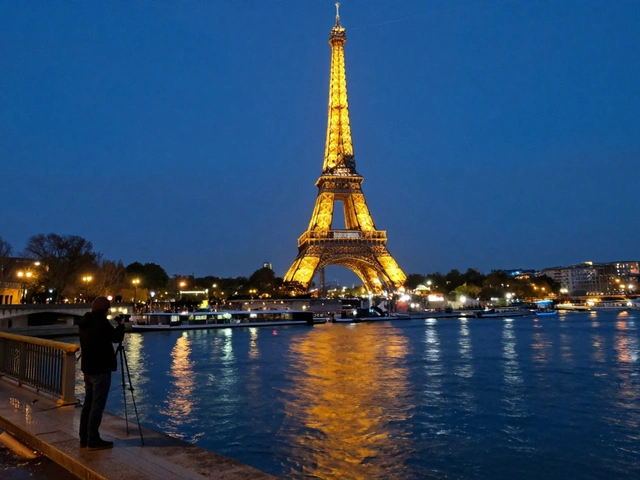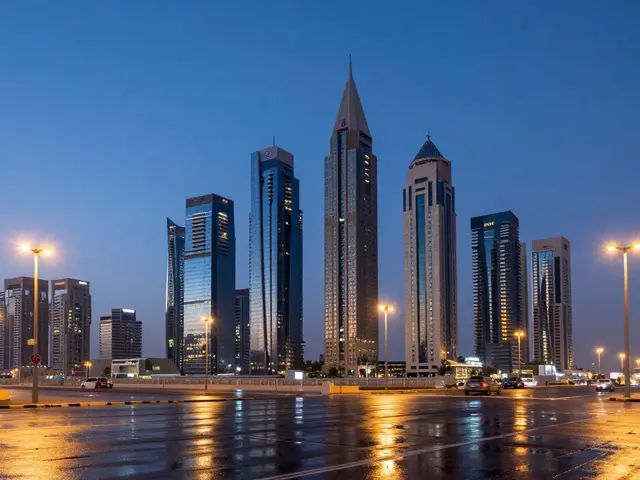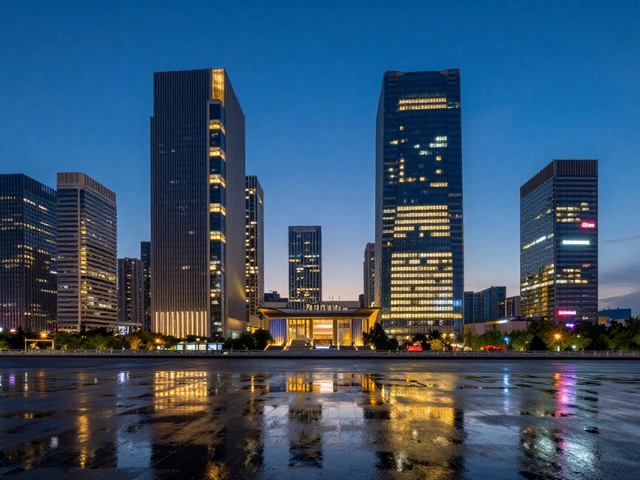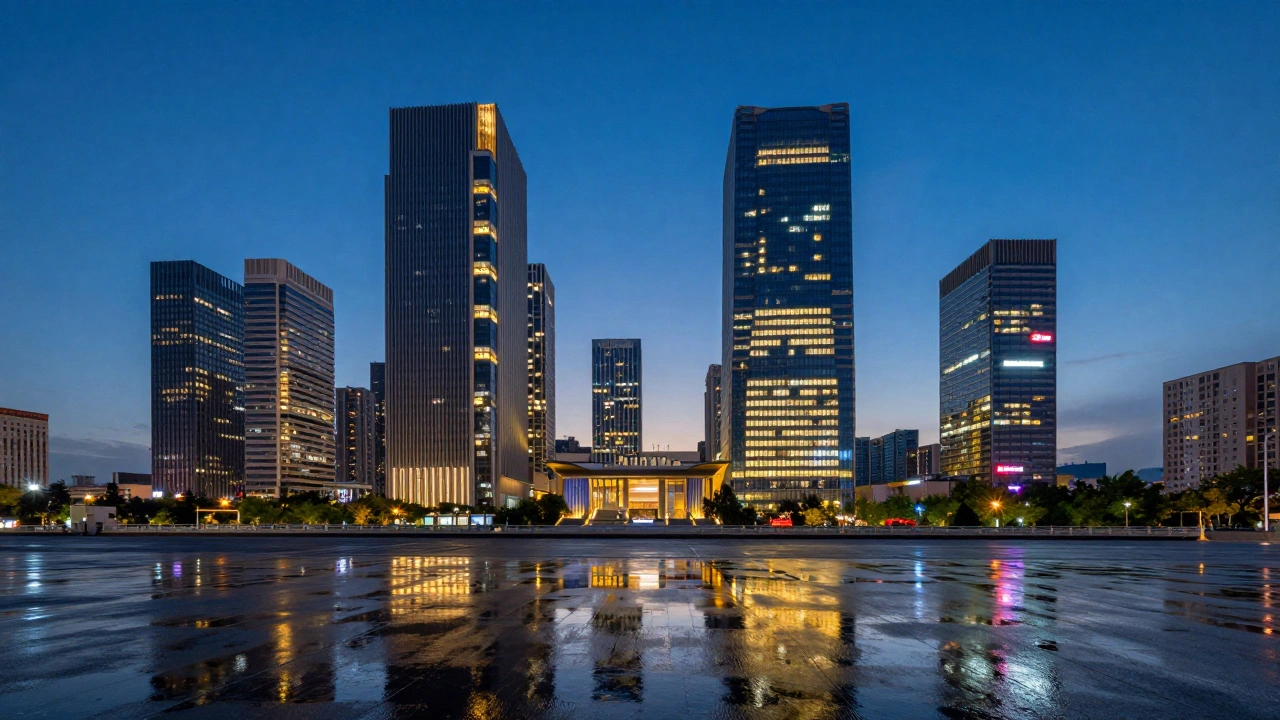
Imagine this: you're standing on a Portland rooftop as twilight deepens, skyscrapers glowing gold against velvet-blue skies. This isn't just pretty-it's the sweet spot where 99% of professional cityscape shots get captured. Welcome to blue hour magic.
What Exactly Is Blue Hour?
Blue hour is the 15-30 minute window after sunset or before sunrise when the atmosphere filters sunlight into cool tones while city lights flicker on. Unlike full daylight or pitch-black nights, this gradient lets you expose both skyline silhouettes and neon storefronts in one frame.
The Exposure Balancing Act
Here's the catch: Dynamic range is wildly uneven during blue hour. Skies stay bright enough to show detail while shadows swallow alleyways. Your camera's sensor can't handle this gap alone-you need tactics:
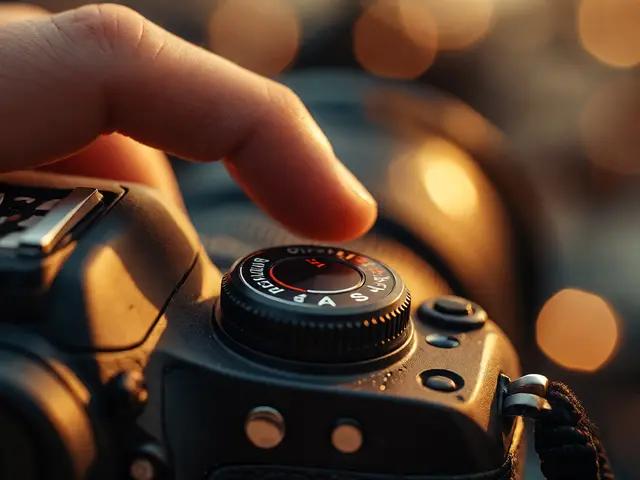
- Expose-for-sky method: Set manual mode to nail those cobalt hues, letting buildings turn dramatic silhouettes.
- Bracketing strategy: Shoot three frames-one for sky, one for streetlights, one middle-ground-then blend in Lightroom Adobe Lightroom Classic.
Camera Settings That Actually Work
| Setting | Recommended Value | Why It Matters |
|---|---|---|
| ISO sensor sensitivity | 100-400 | Avoids grainy noise ruining long exposures |
| Aperture lens opening size | f/8-f/11 | Keeps entire scene sharp from puddles to peaks |
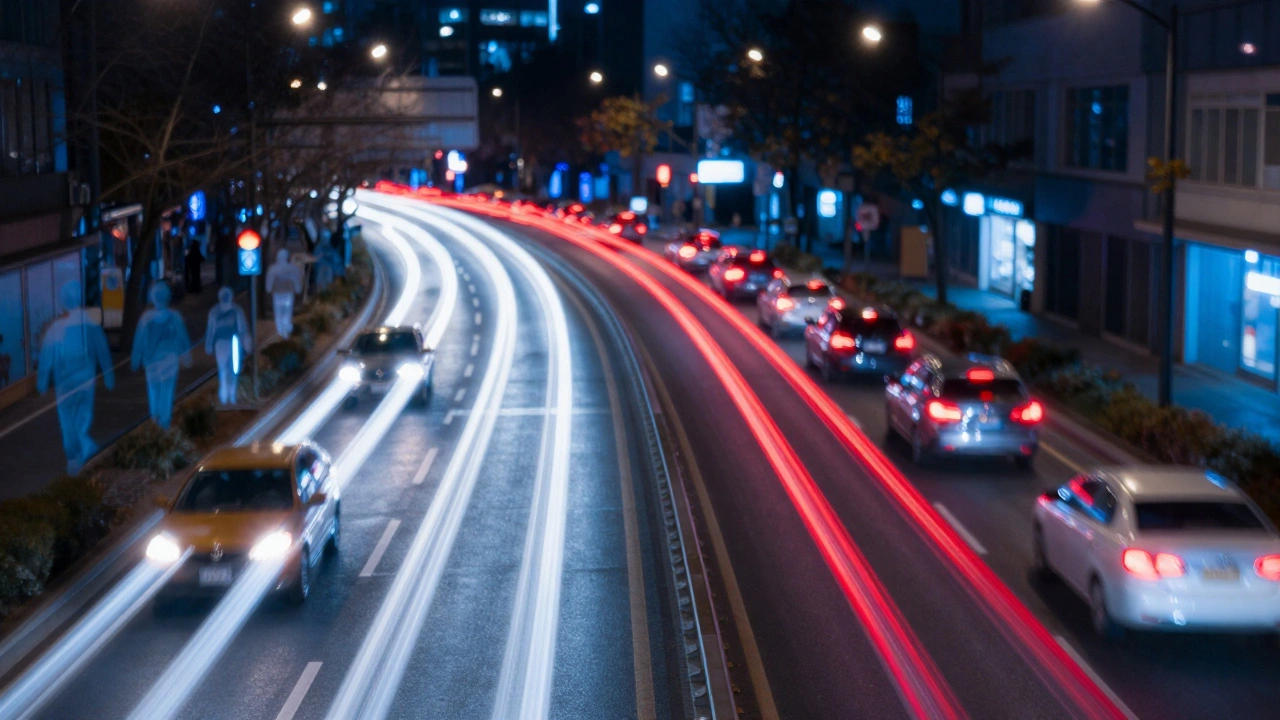
| Shutter Speed exposure duration | 1-15 seconds | Blurs traffic trails without blurring stationary architecture |
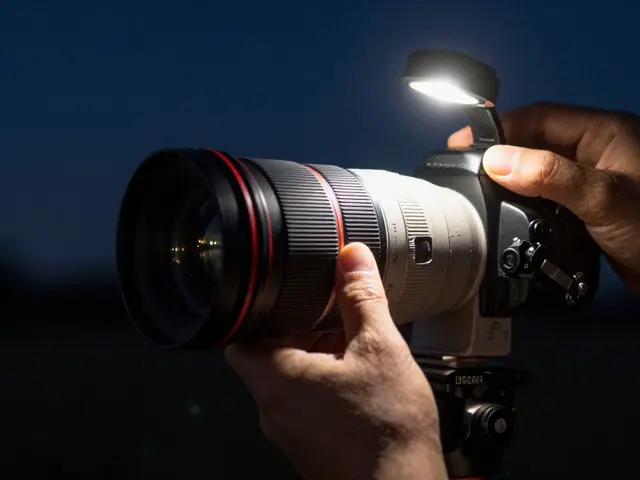
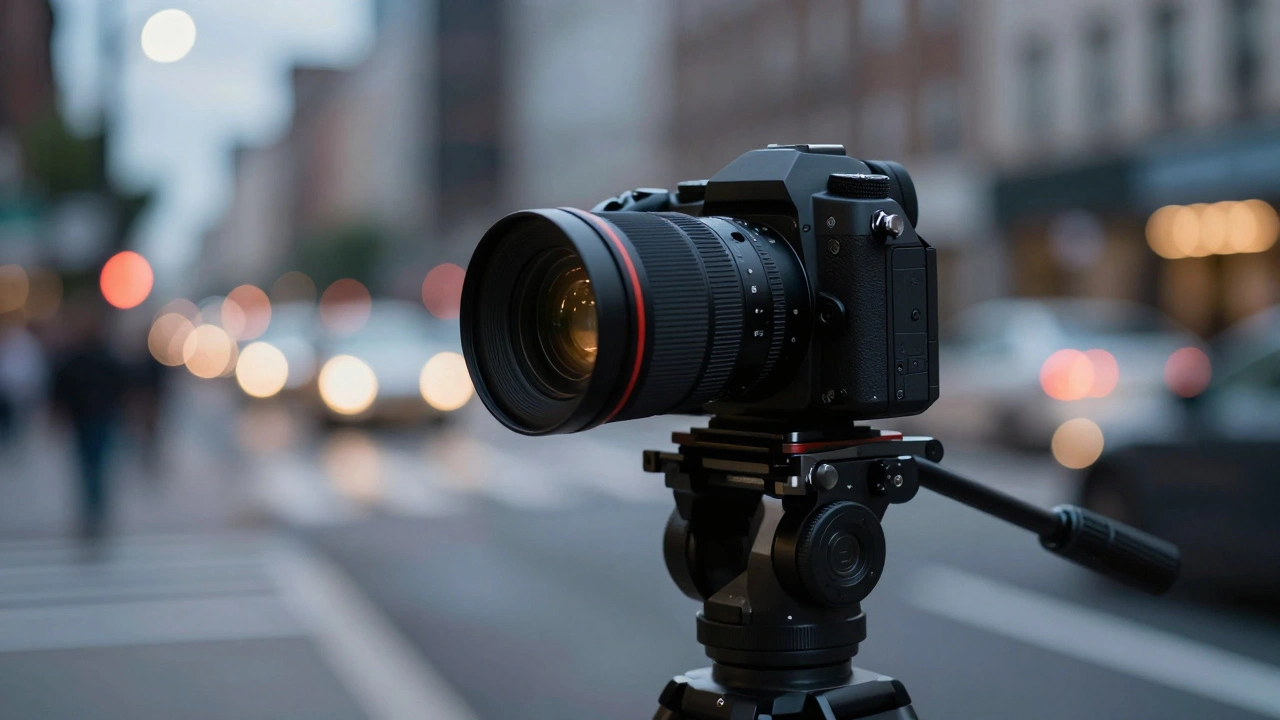
No tripod? You're fighting uphill. Handheld shots force ISO boosts that kill image quality-and forget water reflections needing 5+ second exposures. Invest in Tripods with weighted head dampeners; cheap ones vibrate during wind gusts here in Portland rain season.
Lens Selection Secrets
Most beginners grab ultra-wide lenses immediately. True story: your zoom versatility matters more than focal length. Try these combos:
- Wide-angle (16-24mm): Essential for capturing iconic structures like St. Johns Bridge fully lit.
- Fast prime lenses (35mm f/1.8): For rainy-night street portraits where ambient cafe light complements street lamps.
Composition Hacks for Stunning Results
Don't just photograph buildings-tell stories through layered elements:
- Foreground anchors: Position wet pavement reflections below skyscrapers. Water surfaces double your visual interest.
- Leading lines: Rail tracks or riverbanks guide eyes toward illuminated landmarks.
- Color contrast: Warm shopfronts against cold skies create immediate depth perception.
Creative Effects Worth Trying
Push boundaries with intentional motion:
- Traffic trails: Use 8-second exposures on busy highways near downtown. Red taillights become rivers.
- Hopperesque interiors: Frame dim-lit bookstore windows where pedestrian movement becomes ethereal ghost shapes.
Morning vs Evening Differences
Same physics, different vibes. Morning blue hour offers empty streets perfect for minimalist compositions, while evenings deliver chaotic energy with crowds and headlights. Both work-but plan logistics accordingly.
Post-Processing Essentials
Shoot RAW format every time. JPEGs discard shadow details needed for recovery. Basic edits:
- Lift crushed blacks carefully
- Enhance natural blues without oversaturation
- Use masking to selectively tone down glare spots
How do I find exact blue hour times locally?
Use free apps like PhotoPills-they calculate golden/blue hour durations based on precise GPS coordinates. Portland's spring evenings typically last 22 minutes in late March.
Can phone cameras capture blue hour effectively?
Modern flagship phones use computational photography to merge exposures automatically. Test burst mode first-low-end models struggle with high-contrast scenes.
Should I always use ND filters during blue hour?
Only if shooting moving water during extended twilight. Regular neutral density glass cuts too much light during critical early phases.
What's wrong with auto-bracketing features?
Automatic systems often misjudge dynamic ranges. Manual stacking gives control over which exposures blend best.
Does weather significantly impact results?
Cloud cover diffuses harsh contrasts making blending easier. Rain creates beautiful reflections but demands faster cleanup workflows.