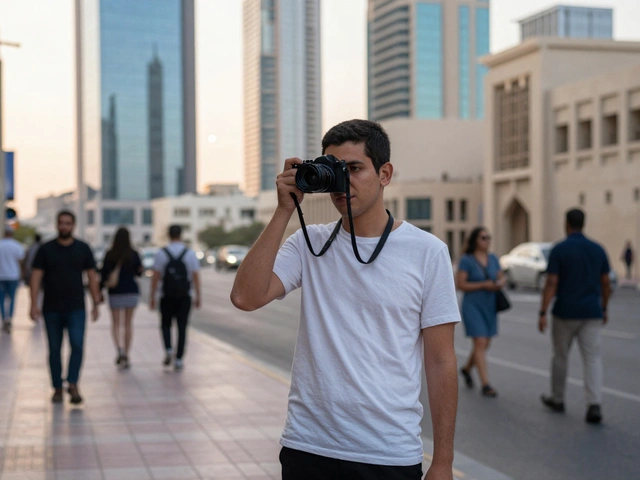
When you think of street photography, big cities often come to mind first. Crowded sidewalks, bustling markets, constant movement. But small towns offer something different: stillness, intimacy, stories told through quiet details. Capturing street photography is the practice of capturing unposed moments in public places, especially those that reveal character. In small towns, this means working with silence instead of chaos, patience over rush, and noticing what others walk past.
The truth? Most photographers struggle here because they try to copy urban techniques. Expecting crowds on a Tuesday afternoon leads nowhere. Instead, success comes from understanding what small towns *do* have to offer. Let’s focus on turning limitations into strengths.
Start With Mindset, Not Just Settings
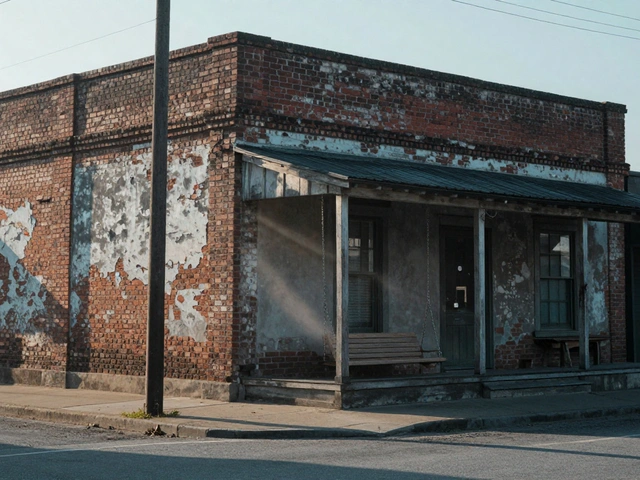
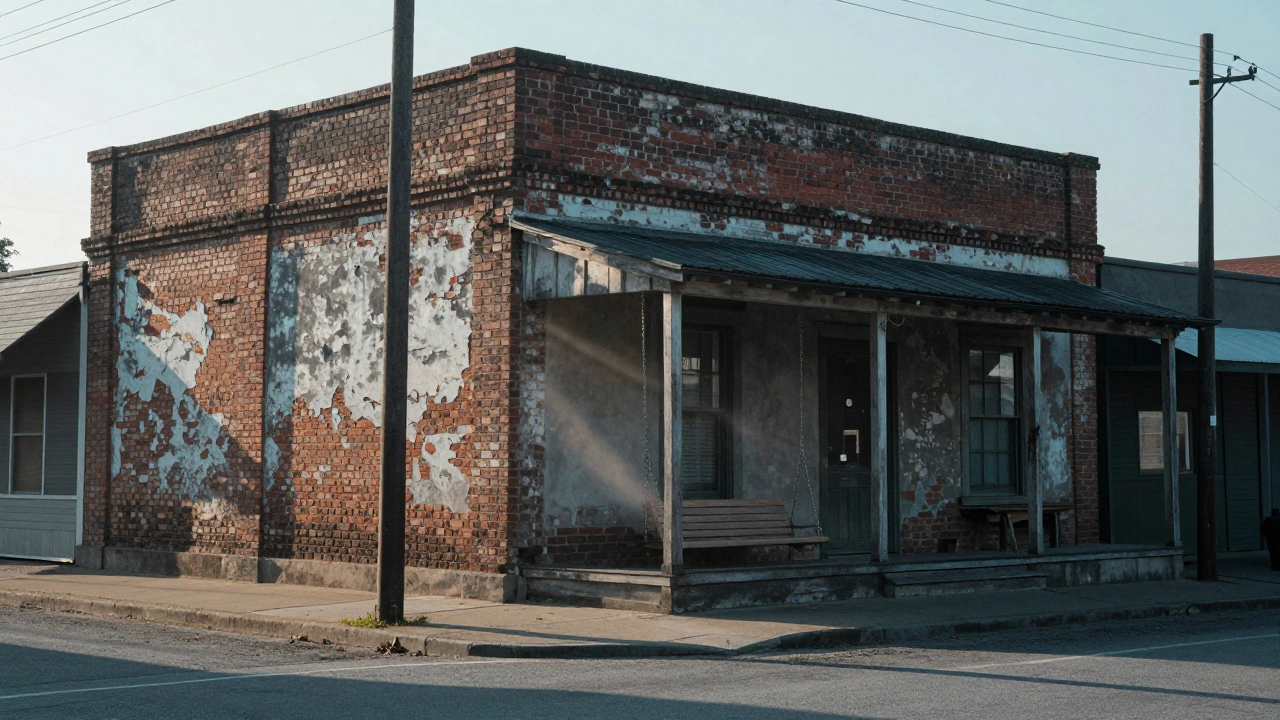
Your approach must change first. In cities, you chase fleeting gestures. Here, you wait for subtlety. A porch swing moving slightly in the wind tells more than a crowded subway car ever could. Focus on atmosphere. Think about textures: peeling paint on brick buildings, shadows under power lines, reflections in shop windows. This isn’t just scenery-it’s storytelling. Photographers like Nick Gunn suggest treating every element as part of the narrative. That weathered signpost? It speaks to history. That empty diner chair? It hints at routine. Slow down your vision.
Find Events Where Life Concentrates
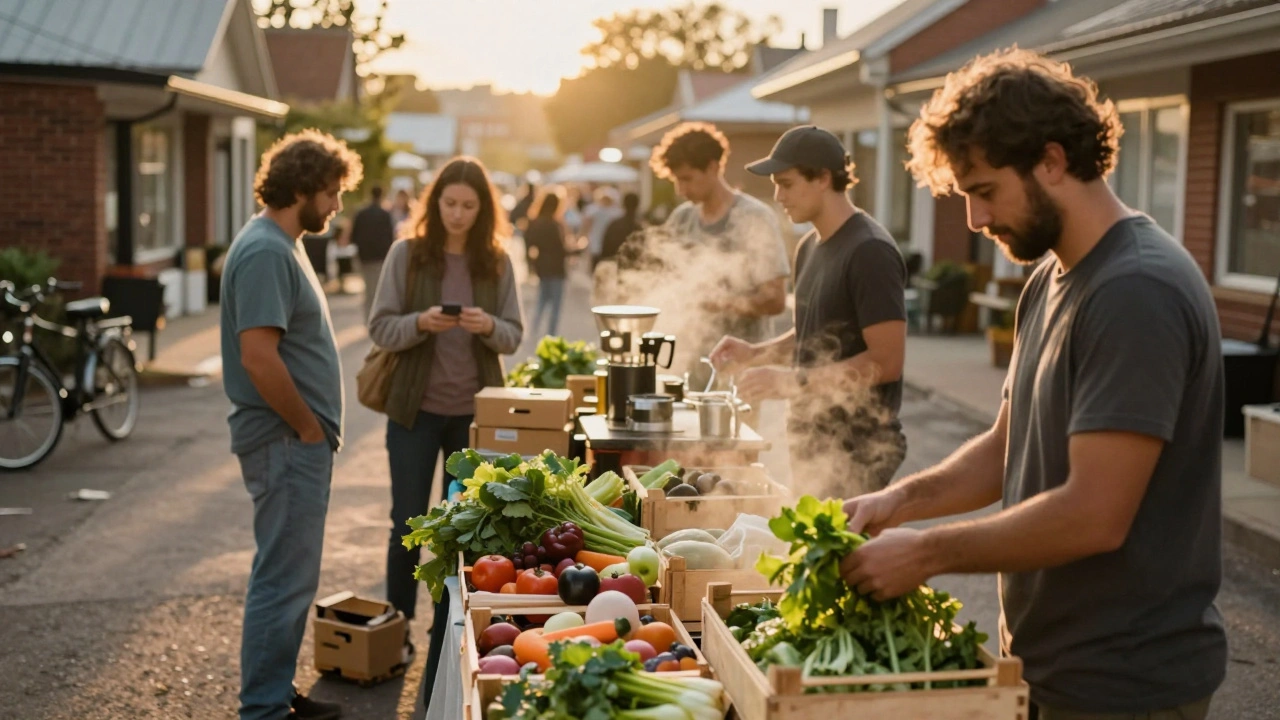
Events aren’t just extras-they’re lifelines. Small towns gather during holidays, harvest fairs, or annual parades. These bring strangers together temporarily, creating density without pressure. Farmer’s markets work too. They combine casual interactions, colorful produce displays, and relaxed lighting. Pro tip: Arrive early to capture setup chaos, then return late for cleanup moments when vendors linger. At Greenville’s India Day festival mentioned by experts, one photographer found dozens of portraits among normally sparse foot traffic. Events give legitimacy to your presence. If someone asks, say you’re documenting community life. People respect documentation more than random snapshots.
| Event Type | Crowd Density | Natural Light Quality | Unique Opportunities |
|---|---|---|---|
| Farmers Market | Moderate | Bright morning sun | Vendor setups, customer transactions |
| Holiday Parade | Dense clusters | Variable midday shade | Children’s faces, homemade floats |
| Seasonal Festival | Sparse mornings, dense evenings | Golden hour opportunities | Costumes, food stalls |
Look Beyond Faces
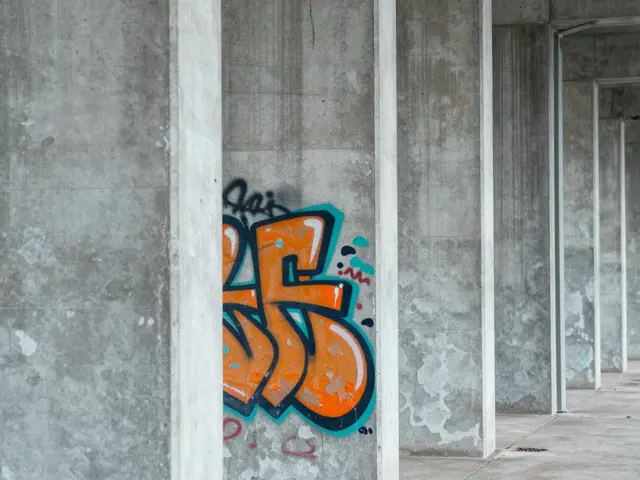
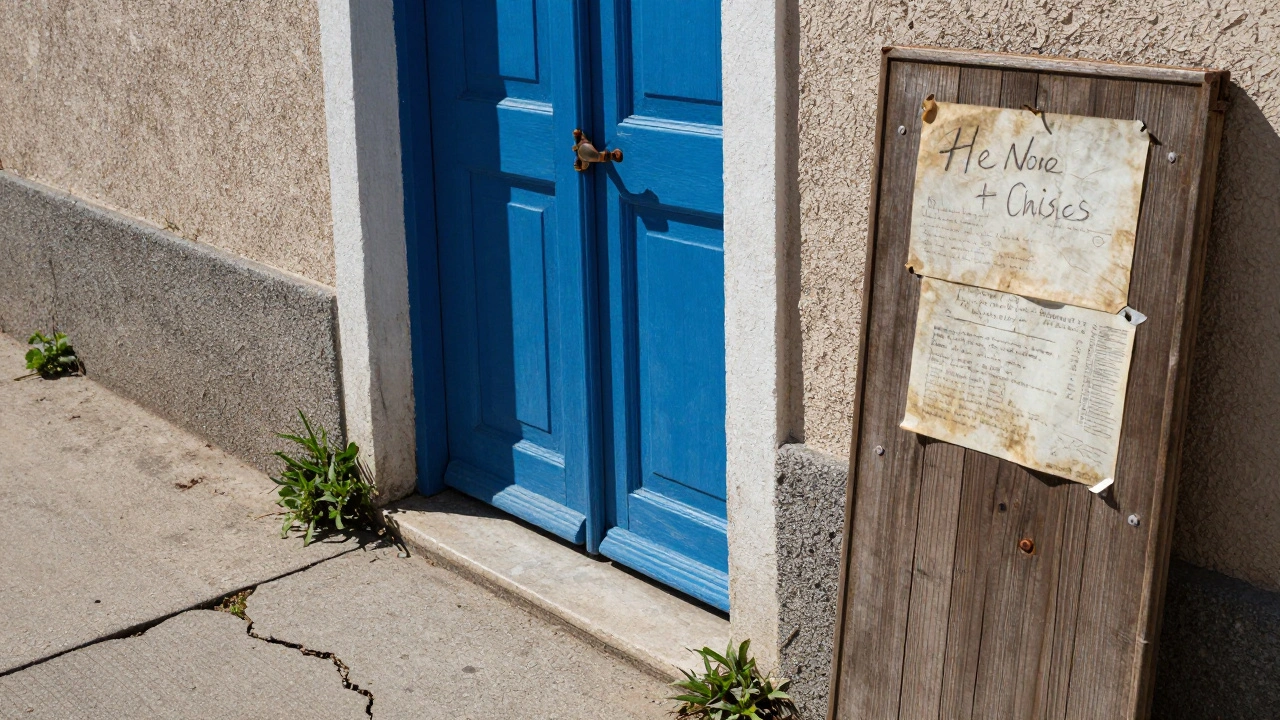
You won’t always find perfect human subjects. Shift focus to architectural details instead. Painted doors in vintage colors. Murals on water towers. Weeds growing through cracked pavement near bus stops. These become icons of place. Photzy recommends exploring alleyways behind Main Streets. You’ll discover hidden layers-handwritten notices taped to dumpsters, rusted bike racks shaped like animals, faded posters promoting long-gone bands. Start projects based on themes: seasonal door decorations, window art across shops, how sunlight hits buildings at different hours. Projects keep motivation sharp even when humans feel distant.
Compose Like a Storyteller
In wide-open spaces, your camera needs purposeful framing. Don’t let emptiness dominate the frame. Use foreground objects strategically: a fence rail leading toward a figure, branches filtering overhead light onto a bench. Experiment with longer lenses (70-200mm range) to compress distances. Urban photographers prefer primes, but zooms help isolate moments here. Try reflecting dirty glass surfaces-they distort reality beautifully. Some residents assume larger cameras signal professionalism, granting more trust naturally. Composition matters most when subjects are rare; make each shot carry weight.
Talk Before Clicking
Rural areas demand more conversation. Unlike anonymous metros, neighbors notice outsiders. If stopped, explain honestly: “I’m photographing our shared space.” Show images if offered. Ask permission politely when capturing portraits directly: “Mind if I shoot you watering the garden?” Most refuse, some say yes eagerly. Either way, courtesy builds goodwill. Purists debate ethics constantly, but in close-knit places, honesty trumps stealth tactics. Respect privacy signs. Avoid lingering too long indoors unless invited. Spend time appreciating locally-made art too-maybe buy a print later. Balance observation with participation.
Change Your Gear for Perspective
Switching tools reveals new angles. Film cameras add grain warmth to foggy mornings. Smartphones discreetly catch reactions without intimidation. Even changing lenses helps mentally. Swap 35mm for 85mm to force closer framing decisions. Roman Fox suggests rotating equipment weekly to reset creativity artificially. Restrictions breed innovation: limited battery life means fewer shots per session, increasing intentionality. Carry multiple formats. Sometimes simplicity works best-a pocket camera feels less threatening than bulky DSLRs.
Plan Ahead Using Calendars
Research monthly calendars online before visiting towns. Note dates for parades, carnivals, church gatherings. Timing determines success. Visit during off-hours also brings unique results: dawn deliveries, twilight maintenance crews, school pickup routines. Explore outskirts too. Dirt roads lined with hay bales, abandoned farmhouses, highway billboards aging gracefully. Boundless options exist beyond paved centers. Adjust expectations accordingly. Nuance guides better than checklist rigidness.
How do I handle people who don’t want photos taken?
Respect refusal immediately. Smiling apology works better than explanations. Move on quickly. Never persist after "no." Many misunderstandings dissolve once intentions clarified kindly.
What lens length works best in low-light rural settings?
Fast primes (f/1.4-2.8) excel indoors/dim alleys. Zooms aid flexibility outdoors. Prioritize aperture over focal length. Tripods permitted legally sometimes; test beforehand.
Can I photograph privately owned property from public streets?
Yes, usually allowed unless restricted signage present. Avoid trespassing physically. Courts generally uphold rights captured from open viewpoints. Always verify locally though.
Are there cultural differences in accepting photographs regionally?
Absolutely. Southern US values politeness over legalities. Northeastern regions lean toward consent-first culture. Midwestern communities appreciate advance introductions. Observe local norms carefully.
Should I edit photos differently than urban shots?
Emphasize mood rather than action. Boost contrast subtly for texture clarity. Preserve natural tones over heavy stylization. Silence deserves restraint in processing.
Ultimately, small-town street photography demands presence over technique. Listen more than click. Notice patterns invisible in noise-filled cities. Limitations spark creativity uniquely. What starts as challenge becomes reward once perspective shifts fully. Your next outing awaits somewhere peaceful right now.