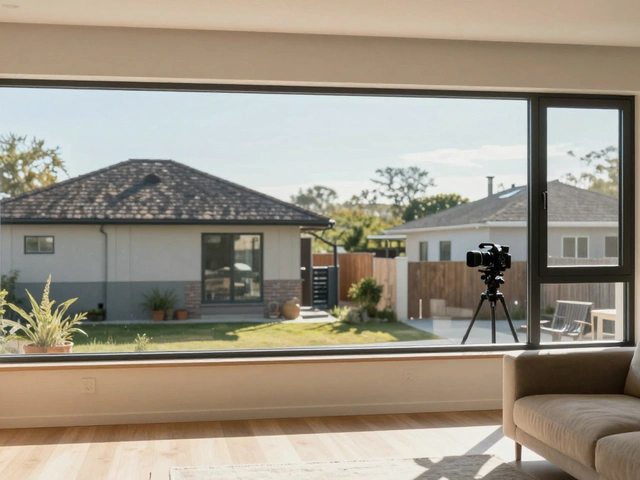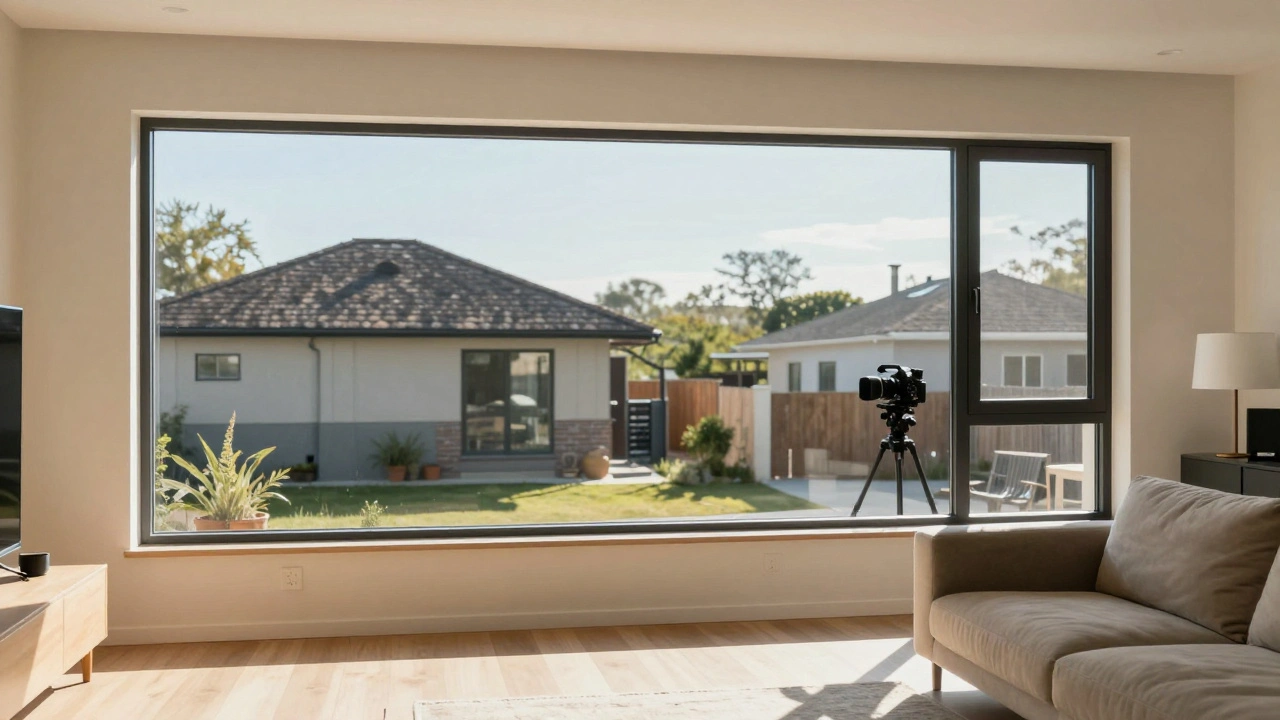
When showing a home or commercial property, nothing kills a buyer’s first impression faster than a window that turns into a mirror. You walk into a bright, spacious living room - perfect lighting, clean floors, modern furniture - but the big south-facing window? It’s reflecting the neighbor’s roof, your own camera lens, or worse, a dark blob that looks like a smudge on the glass. This isn’t just an aesthetic problem. It’s a glare and ghosting issue that can make a property look uninviting, outdated, or even poorly maintained.
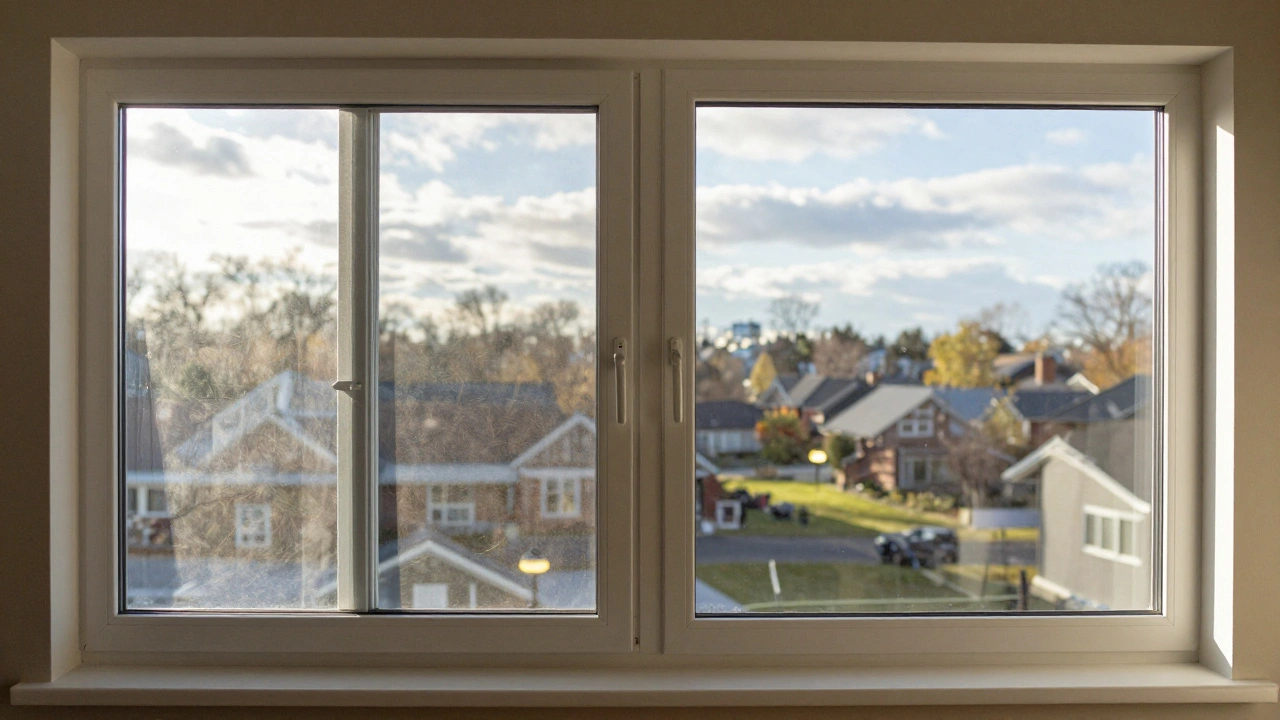
Glare is the bright, washed-out reflection that makes it hard to see through the window. Ghosting is trickier - it’s when you see a faint, secondary image, like a double exposure, caused by light bouncing between layers of glass, film, or coatings. Both problems are common in modern real estate, especially in homes with large windows, corner units, or storefronts with interior displays. The good news? You don’t need to replace windows or install blackout curtains. There are proven, affordable, and invisible solutions that work.
What’s Really Causing the Problem?
It’s not just the sun. Glare happens when light hits the glass surface and bounces back instead of passing through. In real estate, this often occurs during morning or afternoon showings when the sun hits windows at low angles. Ghosting, on the other hand, usually comes from multi-pane windows, laminated glass, or poorly installed window films. When light reflects off the outer pane, then the inner pane, and then back again, it creates a faint, offset image - like a ghost of the outside world.
These issues are worse in properties with:
- Large, floor-to-ceiling windows
- Windows facing west or south (high sun exposure)
- Interior screens, TVs, or digital displays
- Commercial storefronts with LED signs or product monitors
Buyers don’t care about the science. They just see a window that won’t let them see the view - or worse, a reflection of themselves holding a clipboard. That’s not a selling point. It’s a distraction.
The Three Best Solutions - Ranked by Effectiveness
You have three main options to fix this: films, shades, and exterior fixes. Each has trade-offs. Here’s what actually works.
1. Anti-Glare Window Films (Best Overall)
These are thin, transparent sheets applied directly to the glass. They’re not tinted like old-school window films. Modern versions - like NuShield’s DayVue or 3M’s sun-control films - use advanced filtering tech to block harmful light while letting in natural brightness.
These films:
- Reduce glare by up to 80%
- Block 99% of UV rays (protects furniture and flooring)
- Don’t darken the room - they soften harsh light
- Look like regular glass from the outside
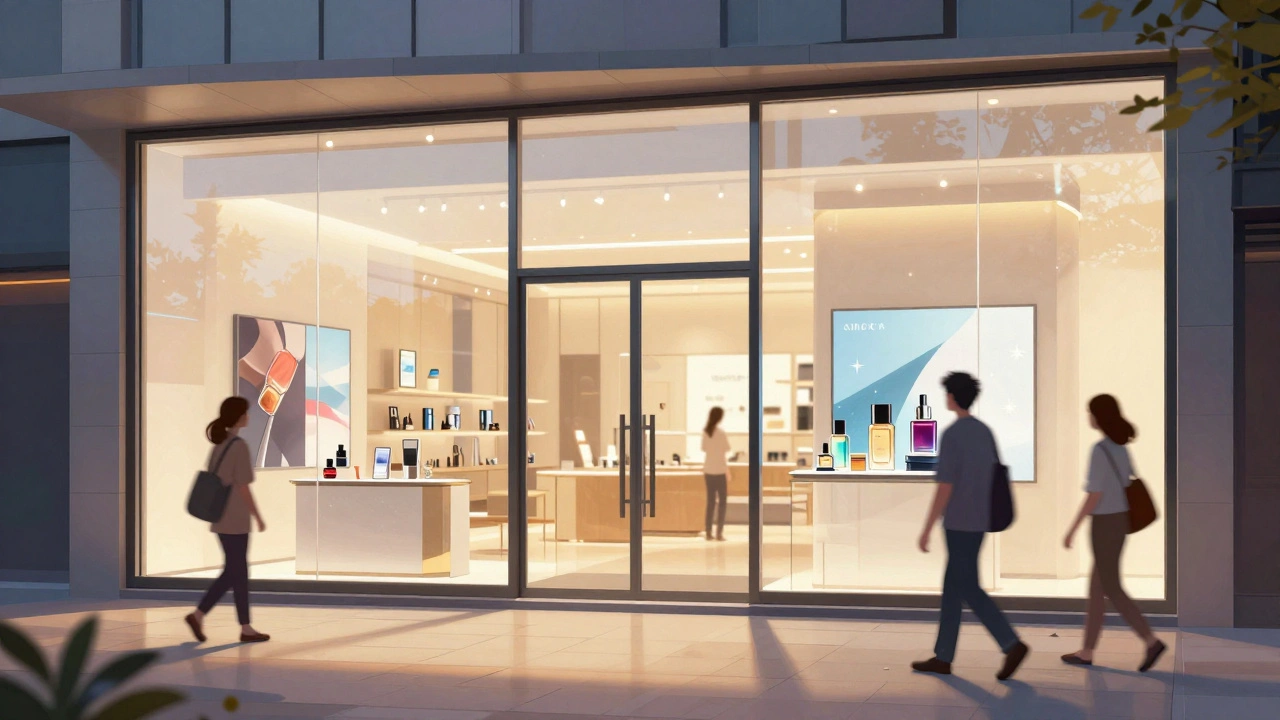
They’re perfect for homes, offices, and retail spaces. Installations in commercial storefronts typically cover 5-6 feet of glass, placed 3 feet above the floor - right at eye level for passersby and buyers. For homes, a professional install costs $3-$7 per square foot. DIY kits are available, but precision matters. A bubble or edge lift ruins the look.
There are three types:
- Reflective films: Metallic coating. Great at cutting glare, but makes windows look like mirrors from outside - not ideal for homes.
- Spectrally selective films: The premium choice. Blocks heat and UV without changing color. Nearly invisible. Used in high-end condos and offices.
- Ceramic films: No metal, so no signal interference (good for smart homes). More expensive, but lasts longer and doesn’t fade.
3M’s 2025 update confirms: these films don’t block light - they filter it. Like sunglasses for windows.
2. Light-Filtering Shades and Blinds (Best for Control)
If films feel too permanent, consider window treatments. Solar shades - made from tightly woven polyester or fiberglass - are the top pick. They don’t block views. They soften light. A 5% openness factor lets in 95% of the view while cutting 85% of glare and UV.
Cellular (honeycomb) shades are great for insulation. They trap heat in winter and block it in summer. Perfect for rooms that get too hot. Vertical blinds work well for sliding glass doors - tilt the slats to redirect sun without losing sightlines.
Drawbacks? They’re visible. Buyers notice them. They’re also more expensive than films ($150-$500 per window) and require cleaning. But if you’re selling a luxury home, they add a touch of sophistication.
3. Exterior Awnings and Pergolas (Best for Long-Term Value)
For properties with direct, unbroken sun exposure - especially west-facing windows - nothing beats an exterior solution. Awnings block sunlight before it hits the glass. Pergolas with retractable covers diffuse light across multiple windows.
They’re pricier ($2,000-$8,000), but they:
- Reduce heat gain by up to 70%
- Improve curb appeal
- Extend outdoor living space
Energy.gov confirms exterior solar screens reduce glare, heat, and UV damage simultaneously. And unlike interior films, they don’t trap heat between panes. They stop it before it enters.
Best for: New construction, high-end homes, commercial buildings, or properties in hot climates.
What Doesn’t Work - And Why
Not all window treatments are equal. Avoid these common mistakes:
- Sheer curtains: They reduce glare a little, but not enough. They also look messy in photos. Buyers notice wrinkles and dust.
- Dark tinted films: They make rooms feel gloomy. Buyers want light. You don’t want them thinking the house is dark or poorly lit.
- Plastic window kits: Cheap, temporary fixes. They bubble, peel, and look amateurish. They’re a red flag.
- Just cleaning the glass: Dirt causes streaks, not glare. Glare is physics. Cleaning won’t fix it.
One real estate agent in Austin told us she lost a $1.2M sale because the buyer’s phone screen reflected off the living room window. The reflection looked like a crack. The buyer thought the glass was damaged. It wasn’t. It was just glare.
How to Choose the Right Fix
Ask yourself three questions:
- What’s the main problem? Is it glare during showings? Or ghosting from double-pane windows? Films fix both. Shades only help with glare.
- What’s the budget? Films: $500-$2,000 for a whole home. Shades: $1,000-$5,000. Awnings: $2,000-$8,000.
- How important is curb appeal? If you’re selling a luxury property, exterior solutions add value. For a quick flip, films are faster and cheaper.
For most residential listings: go with spectrally selective window film. It’s invisible, effective, and lasts 10-15 years. For storefronts or offices: use NuShield DayVue or similar - it’s designed for digital displays and clear product visibility.
Extra Benefits You Can’t Ignore
Reducing glare isn’t just about looks. It’s about value.
- Lower energy bills: Window films reduce solar heat gain by up to 54%. That means less AC in summer, lower cooling costs.
- Protect your furnishings: UV rays fade sofas, carpets, and artwork. Films block 99% of them.
- Improve comfort: No more squinting at TVs or computer screens. Less eye strain for buyers and agents.
- More showings: Buyers stay longer when they can see the view. Glare makes them leave early.
ClimatePro, a 3M partner, says professional window film installations are now the #1 upgrade agents recommend before listing. Not stonework. Not landscaping. Glare control.
Quick Checklist Before Your Next Showing
Do this 24 hours before a buyer arrives:
- Check all windows for reflections - especially during 10 AM and 4 PM.
- Turn off interior lights. Natural light only.
- Use a phone camera to take a photo through the window. If you see a glare or ghost, it’s visible to buyers.
- If glare persists, apply a temporary anti-glare film patch (available in 12x12 inch kits).
- For commercial spaces: test display visibility from outside. If the screen is washed out, the film needs upgrading.
It takes 2 hours to install a film. It can save you a week of showings.
Can window films make a home look dark?
No - not if you choose the right type. Spectrally selective and ceramic films are designed to let in visible light while blocking heat and UV. They preserve brightness and views. Dark tints are outdated. Modern films are nearly invisible.
Do window films interfere with Wi-Fi or cell signals?
Only metal-based reflective films can interfere. Ceramic and spectrally selective films use non-metallic particles and do not affect signals. Always ask for non-metallic options if you have smart home devices.
Can I install window film myself?
Yes, for small windows. But for large glass areas, professional installation is recommended. Bubbles, dust, or uneven edges ruin the look. Professionals use squeegees, spray solutions, and heat guns to ensure a flawless finish.
How long do window films last?
High-quality films last 10 to 15 years. Warranties typically cover 10 years. Cheaper films may peel or bubble after 3-5 years. Always choose a brand with a warranty - 3M, NuShield, and Solar Gard are industry standards.
Will window films help with ghosting?
Yes - but only if the ghosting is caused by reflections from outside. If it’s from internal glass layers (like double-pane windows), film helps reduce the brightness of the reflection, making the ghost less noticeable. For severe ghosting, consult a window specialist - sometimes a different glass type or spacer is needed.