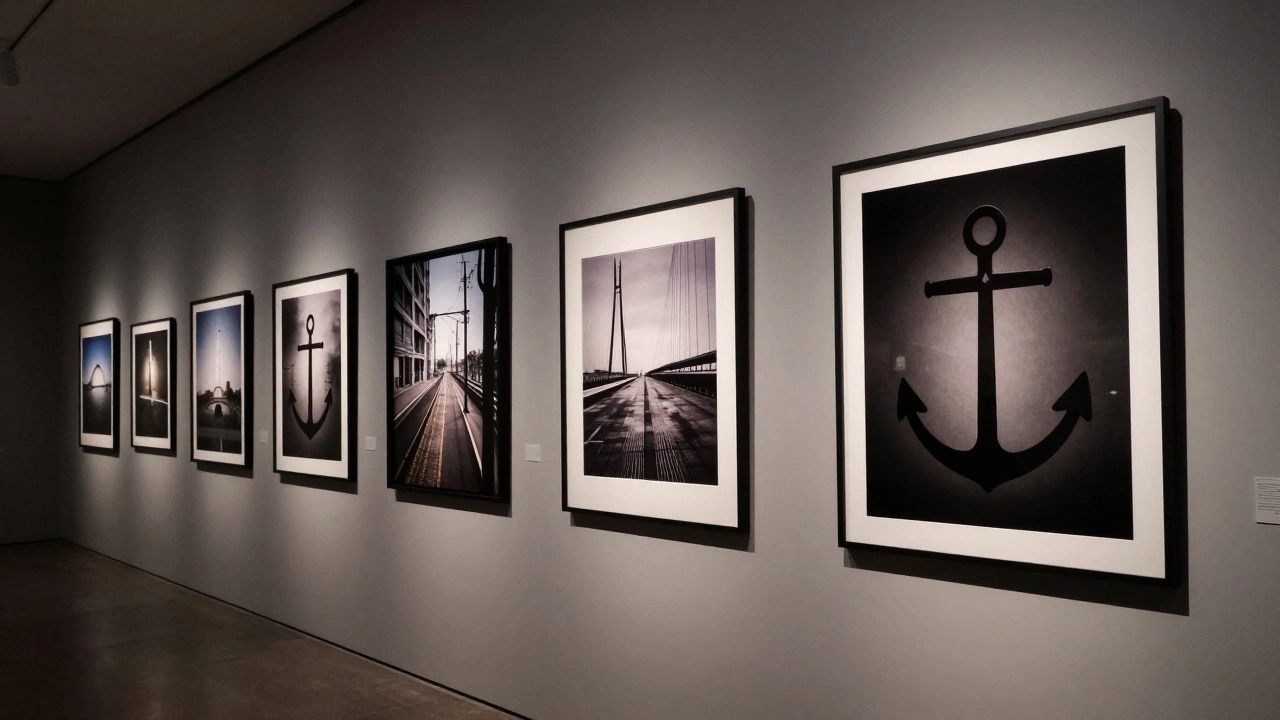
Ever wonder why some photo galleries feel like a cohesive story while others just feel like a random pile of great shots? The secret isn't necessarily in the individual photos, but in the gaps between them. Photo sequencing is the intentional arrangement of images to create a specific emotional arc, visual rhythm, and narrative coherence. It is the difference between showing someone a collection of pictures and telling them a visual story. When you change the order of two photos, you change the meaning of both. That's the power of proximity.
The Psychology of the Sequence
In a series, no image is an island. Every photo is influenced by the one that came before it and the one that follows. This creates a psychological momentum. If you place a chaotic, crowded street scene immediately after a silent, empty hallway, the silence feels deeper and the chaos feels louder. This is called juxtaposition, and it's the primary tool for creating tension and release in your work.
Think of your series like a piece of music. If every single note is a high-energy climax, the listener gets exhausted and eventually tunes out. The same happens with viewers. A sequence consisting only of "bangers"-your absolute strongest images-can paradoxically become monotonous. You need the quiet moments, the supporting details, and the breathers to make the highlights actually hit home.
The Fence Metaphor: Building Your Structure
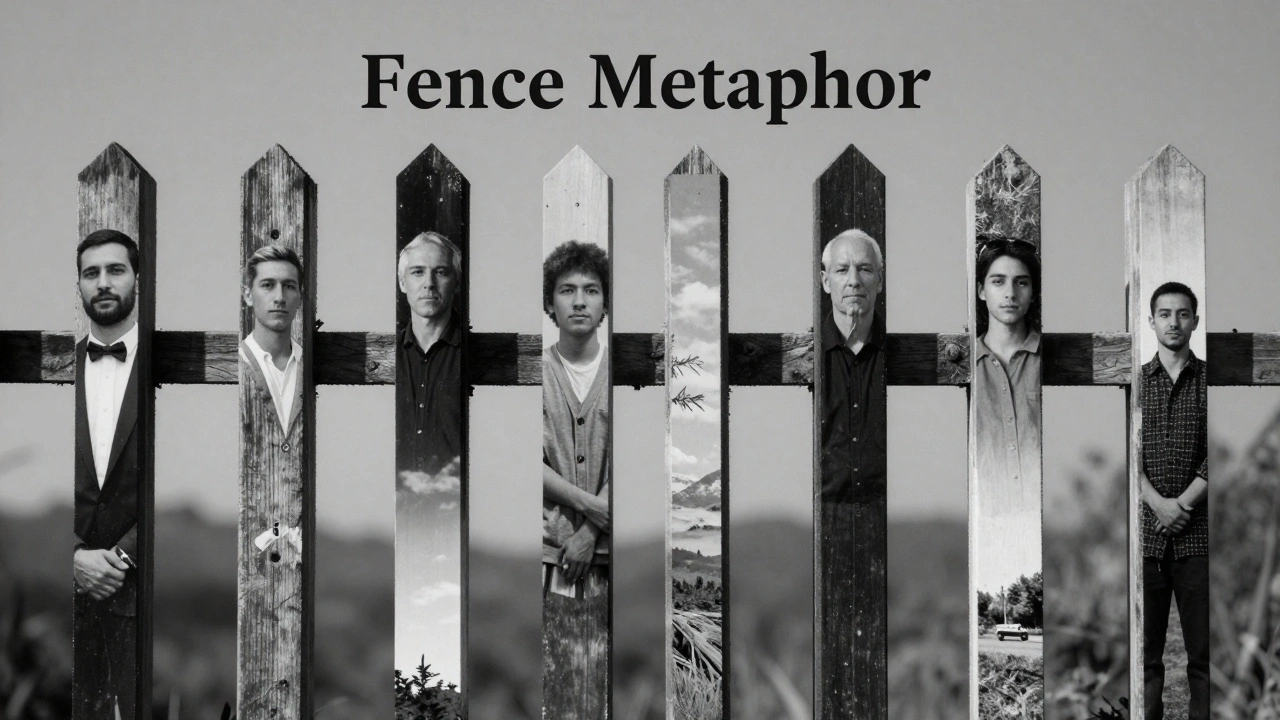
To keep a series from falling apart, you need a structural framework. Photographer John Paul Caponigro is known for his "fence" metaphor. Imagine your strongest photos are the sturdy posts and your supporting images are the rails. You can't have a fence made only of rails; it will collapse. Similarly, you can't have a fence made only of posts; it's not a fence, just a row of poles.
The rule of thumb here is to start and end with your strongest work. This leverages the principles of primacy (first impressions) and recency (the final takeaway). By anchoring the beginning and the end, you give the viewer a sense of security and resolution. Within the middle of the sequence, you can run a few "rail" images-detail shots or mood pieces-as long as you periodically reinforce the flow with another "post" image to maintain momentum.
Three Core Sequencing Methodologies
Depending on what you want the viewer to feel, you'll likely lean into one of these three strategies:
| Method | Primary Goal | Best Used For... | Key Technique |
|---|---|---|---|
| Thematic | Visual Unity | Abstract concepts, color studies, mood boards | Visual echoes (similar lines/shapes) |
| Chronological | Narrative Progression | Documentaries, weddings, day-in-the-life | Temporal flow (Sunrise → Sunset) |
| Juxtaposition | Intellectual Tension | Social commentary, art portfolios, conceptual work | Contrast (Calm vs. Chaos) |
Thematic Echoes
Thematic sequencing ignores the clock and focuses on the vibe. You look for visual echoes-perhaps a curve in a landscape that mirrors the curve of a person's shoulder in the next frame. By pairing images with similar color palettes or geometric shapes, you create a subconscious link that makes the series feel "right," even if there is no linear plot.
Temporal Flow
This is the bread and butter of Photojournalism, which is a form of photography that tells a news story through candid images. It allows the viewer to travel through time. However, a pro tip for chronological work is to occasionally break the timeline. Introducing a "climax" photo-a high-impact image that summarizes the emotional peak-can act as punctuation, preventing the sequence from feeling like a boring slideshow of events.
The Art of Contrast
Juxtaposition is about creating a dialogue. When you place two contrasting images side-by-side, the viewer's brain automatically tries to find the connection. Pairing a wide, airy shot of a mountain range with a tight, claustrophobic close-up of a city alleyway creates a dynamic tension that forces the viewer to engage more deeply with the subject matter.
Practical Workflow: Getting Out of the Screen
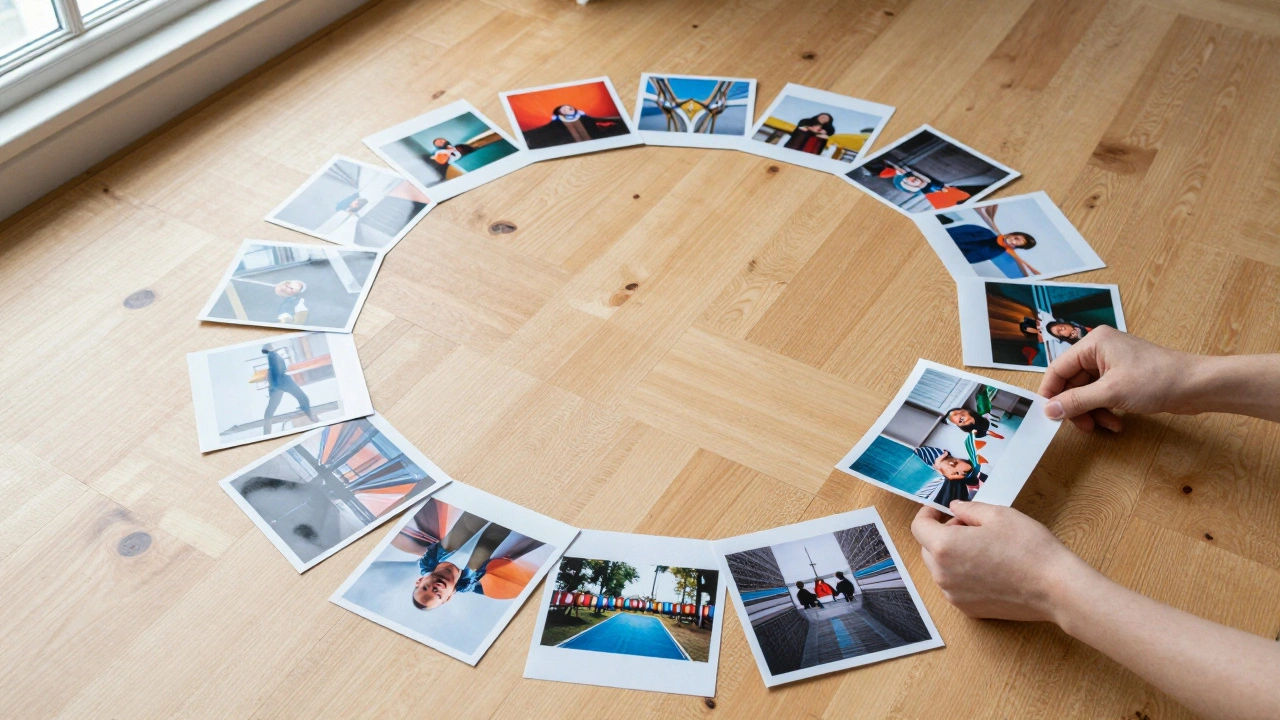
While Adobe Lightroom is great for organizing, the best sequencing often happens physically. There is a cognitive shift that occurs when you move a physical piece of paper versus clicking a mouse.
- The A/B Sort: Divide your selects into "A-sides" (the non-negotiables) and "B-sides" (the ones you love but aren't sure fit). You'll often find that a B-side image is actually the perfect "rail" to connect two A-side "posts."
- Print Small: Don't waste money on large prints. Get small, cheap thumbnails or index-card-sized work prints.
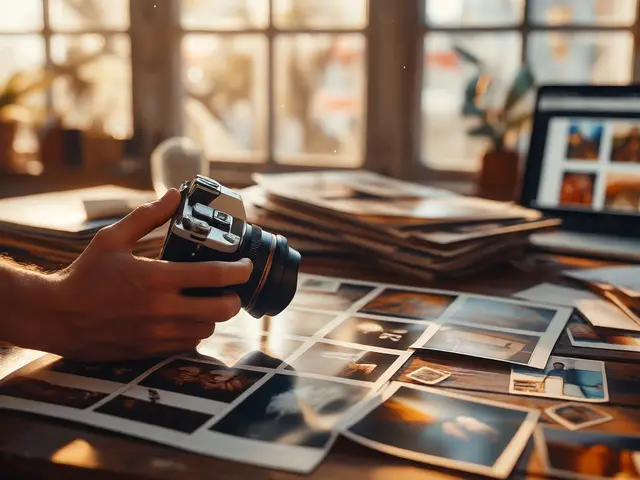
- The Floor Method: Spread your prints across a large floor or tape them to a wall with putty. This allows you to see the sequence as a whole and rearrange groups of images instantly.
- The Fresh Eye: Once you have a working draft, show it to someone who isn't a photographer. They aren't distracted by the technical settings; they only see the story. If they get confused or lose interest at a certain point, you know your pacing is off.
Fine-Tuning the Pacing
Pacing is all about the speed at which the viewer consumes the story. If you have five portraits in a row, the pace slows down and becomes intimate. If you suddenly jump to a series of rapid-fire action shots, the pace accelerates. To keep a viewer engaged, you should alternate these speeds.
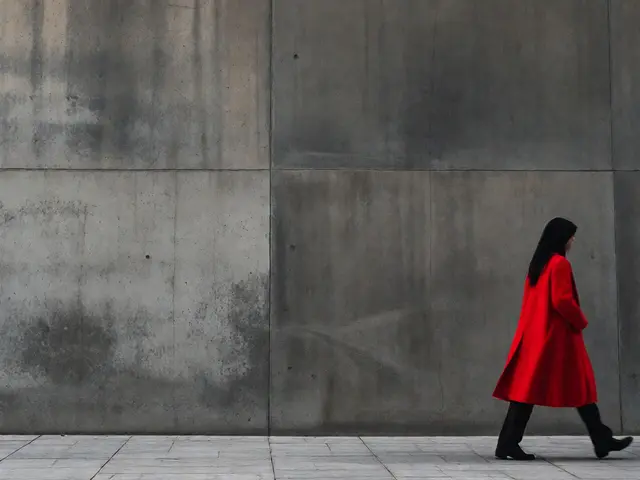
Another trick is to manage your colors. If you have a series dominated by blue tones, a single, bright red element in one photo can act as a visual alarm, waking up the viewer's eye and signaling that something important is happening. Avoid grouping all your similarly colored photos together unless you are intentionally going for a thematic mood; otherwise, you risk creating a visual monotony that bores the audience.
What is the difference between a gallery and a sequence?
A gallery is often a collection of the "best" work, where each photo stands on its own. A sequence is a curated order where the relationship between the photos is as important as the photos themselves. In a sequence, the goal is flow and narrative, not just individual excellence.
How many photos are too many for a series?
There is no hard number, but the sequence fails when the "posts" (strong images) are too far apart. If you find yourself using too many "rails" (filler images) just to get to the next great shot, you've likely overextended the sequence. It's better to have a tight, impactful series of 12 photos than a rambling one of 40.
Should I always follow a chronological order?
Not necessarily. While weddings and news stories benefit from chronology, artistic projects often benefit more from thematic or contrast-based sequencing. Sometimes rearranging the timeline can create a more powerful emotional truth than a literal one.
How do I handle images that are technically a bit weaker but narratively essential?
These are your "rails." As long as they provide a necessary bridge between two strong images or add a crucial piece of information to the story, they have a place. The key is to surround them with high-impact work so the overall quality of the series remains high.
Can digital tools replace physical printing for sequencing?
They can, but they often feel different. Software like InDesign or Lightroom lets you move things quickly, but physical prints allow you to step back and see the entire physical space the work occupies. Many pros use a hybrid approach: digital for the first rough cut, and physical for the final polish.