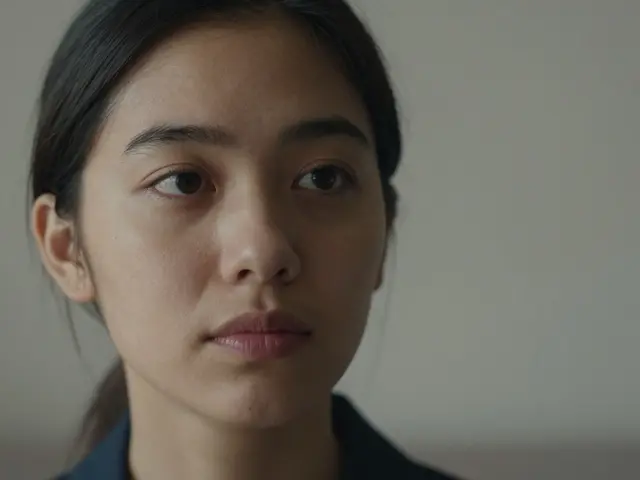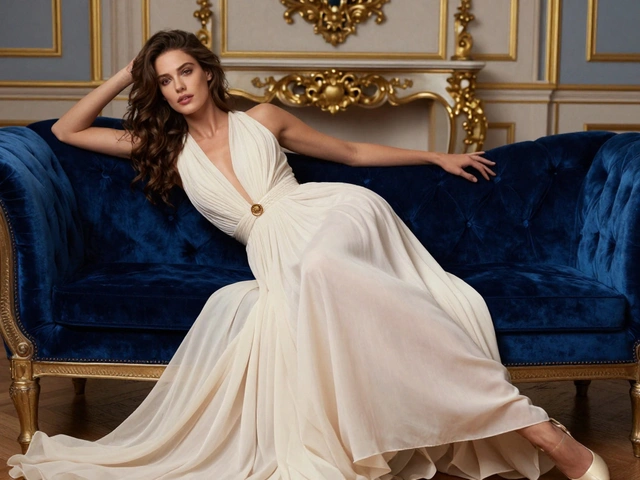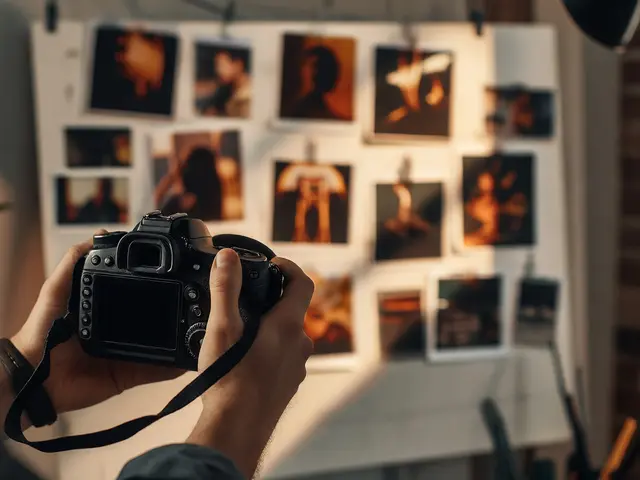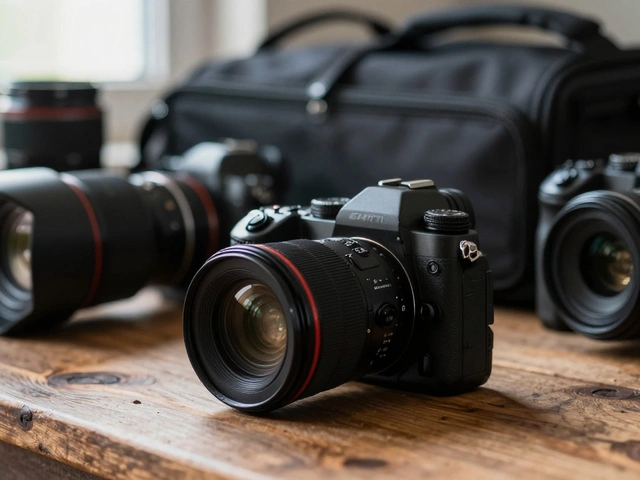
Have you ever looked at a single photograph and felt like something was missing? Maybe the image is technically perfect-the focus is sharp, the exposure is balanced-but it doesn't make you feel anything. It’s just a picture. Now, imagine looking at a series of images that pulls you into a world, makes you care about the people in it, and leaves you with a question or an emotion long after you’ve scrolled past. That is the power of narrative photography, which is a method of using images to tell a story with emphasis on a connected sequence of events.
Narrative photography isn’t about capturing one perfect moment. It’s about building a bridge between your experience and the viewer’s understanding. It transforms passive observation into active engagement. Whether you are documenting a street scene, creating fine art, or working on a documentary project, the goal remains the same: to communicate complex narratives, emotions, and contexts through visual language rather than text.
The Four Pillars of Visual Narrative
To move beyond simple documentation, you need to understand what makes a story work. According to experts at Sunshine and Shadows Photography, effective narrative photography rests on four essential elements. These aren’t optional extras; they are the structural beams of your visual house.
- Context: This is the setting or environment where your story unfolds. It provides the physical and temporal framework. Without context, a character is just a person; with context, they become part of a larger world.
- Characters: These are your focal points-human subjects, animals, or even objects that play a crucial role. They drive the narrative forward and give the viewer someone to connect with.
- Action: Action encompasses the events, interactions, and moments displayed within your photographs. It is the dynamic progression of the story, showing change over time.
- Emotion: This is communicated through facial expressions, body language, and compositional choices. Emotion creates the affective resonance necessary for viewer connection. Without it, your story is hollow.
These elements work synergistically. If you have a great character but no context, the viewer won’t know why they should care. If you have action but no emotion, the story feels mechanical. You need all four to guide viewers through a visual journey.
The Five Shots of Storytelling Framework
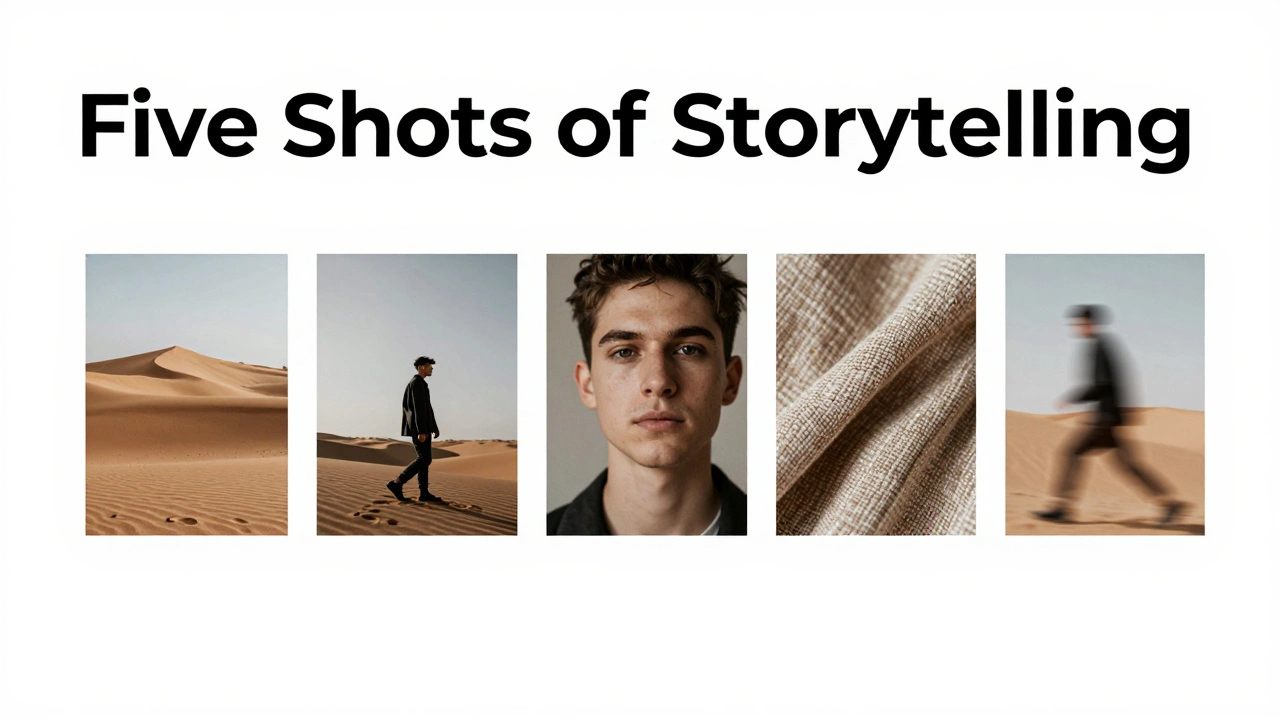
If you are wondering how to practically apply these concepts, look no further than the Five Shots of Storytelling framework developed by Digital Photography Courses. This systematic approach ensures your photo series includes all necessary components for a complete narrative. Think of it as your shot list before you even pick up your camera.
| Shot Type | Purpose | Narrative Function |
|---|---|---|
| Wide / Establishing Shot | Introduce location and context | Tells the viewer "where" the story happens |
| Medium / Environmental Shot | Connect subject to surroundings | Shows the relationship between character and place |
| Portrait / Subject Shot | Focus on the main character | Establishes identity and personality |
| Detail / Close-Up Shot | Emphasize specific narrative elements | Highlights clues, textures, or emotional nuances |
| Action / Emotive Shot | Capture dynamic moments | Drives the plot forward and evokes feeling |
The beauty of this framework is its accessibility. You don’t need a $5,000 lens to execute it. The best camera is the one you have with you, used intentionally. By cycling through these five types, you ensure your story has depth, breadth, and emotional weight.
Light, Color, and Visual Language
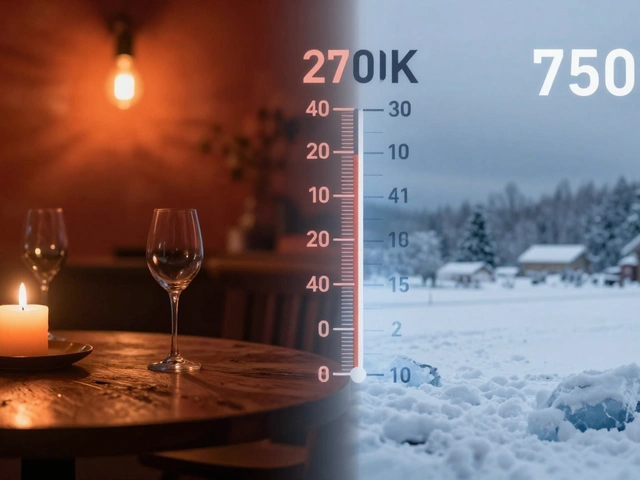
Light and color are not just technical settings; they are psychological tools. Research from the Rocky Mountain College of Art and Design, published in the Journal of Visual Literacy, highlights how lighting choices directly manipulate mood. High-contrast shadows can create a haunting or dramatic ambiance, while golden hour light-that warm glow shortly after sunrise or before sunset-produces whimsical or nostalgic tones.
Color operates symbolically. Warm tones often convey comfort and familiarity, inviting the viewer in. Cool tones might suggest distance, melancholy, or isolation. Saturated colors emphasize emotional intensity, while desaturated palettes can feel stark or realistic. When you establish a consistent visual style, you create a visual dialect. Each image speaks the same language, reinforcing the narrative's overall impact through repetition and motif.
Framing and Composition as Intent
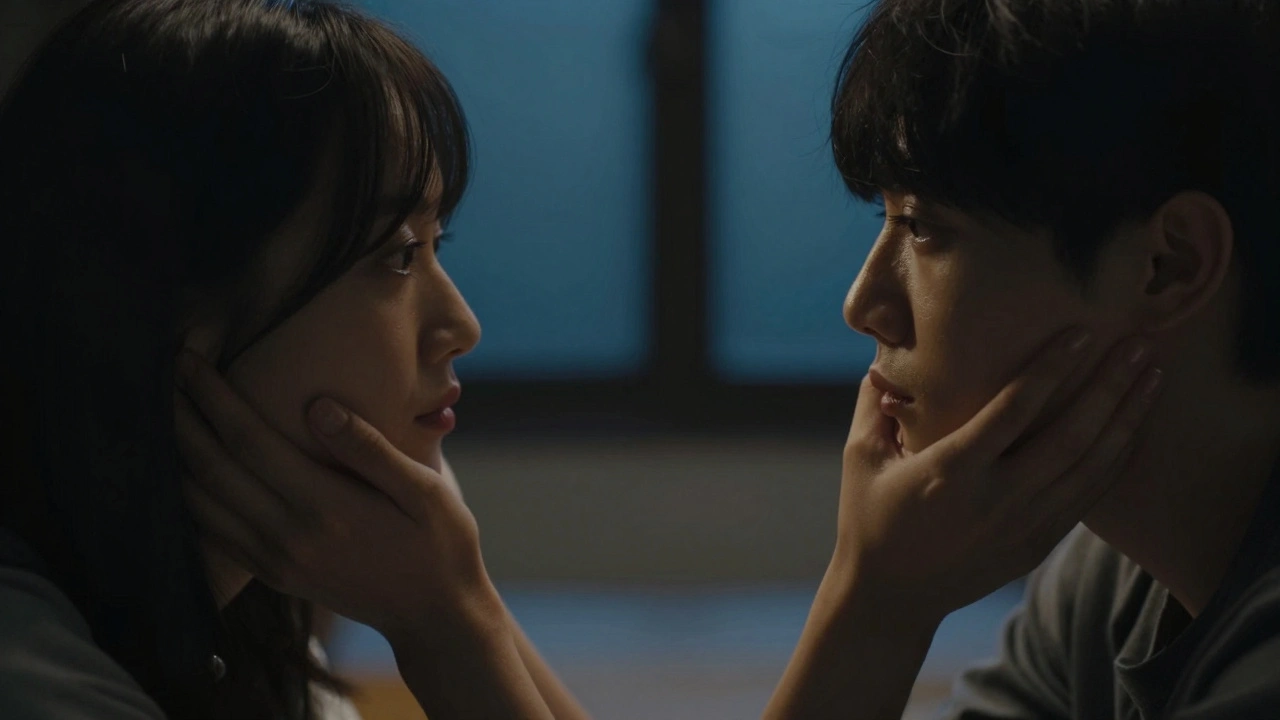
Framing determines what appears within your image boundaries, and those decisions directly impact how viewers process your story. Research demonstrates that framing exerts direct influence on comprehension. You must use framing with intent to create authentic, truthful images.
Consider the use of negative space. In narrative photography, empty space isn’t wasted; it’s strategic. It prevents compositional clutter and emphasizes focal points through deliberate emptiness. It can also evoke feelings of loneliness, freedom, or anticipation. Perspective matters too. Shooting from a low angle might empower a subject, while a high angle could make them appear vulnerable. Every line, shape, and space guides viewer perception through the narrative sequence.
Sequencing: The Backbone of the Story
A single great photo is not a narrative. A sequence is. The order in which you present your images dictates how the viewer processes the story. Skillfully sequenced narratives might follow linear timelines, presenting events chronologically. Or, they might employ abstract approaches, requiring viewers to piece together narratives from emotional and thematic depth.
Each photograph in a narrative series functions as a clue to the larger story. You want to select images that hint at narrative aspects without revealing everything simultaneously. This compels viewers to progress through the sequence for complete understanding. It turns viewing into an active investigation rather than passive consumption.
Editing as Narrative Reinforcement
Post-production is often misunderstood as merely making photos "look good." In narrative photography, editing reinforces the story you want to tell. Adjustments to exposure, contrast, color balance, and sharpness are editorial decisions. High contrast might suggest drama or tension. Lower contrast can convey calm or softness. You are guiding the viewer’s eyes and emotional responses, emphasizing certain elements while downplaying others to keep the focus on the narrative core.
Finding Your Emotional Core
Finally, remember that the emotional core forms the essential foundation for authentic narrative photography. Photographers must capture candid moments reflecting genuine feelings. These resonate with viewers and lend credibility to your storytelling. Emotionally resonant shots frequently serve as story anchors around which other images are strategically positioned. Authentic emotion distinguishes compelling narratives from superficial documentation. Ask yourself before you shoot: What story am I attempting to tell? What emotions do I want to evoke? Thinking deeply about these intentions enables creation of images that are visually stunning while remaining rich in meaning.
What is the difference between narrative photography and documentary photography?
While both involve real-world subjects, documentary photography typically aims for strict factual representation and journalistic accuracy. Narrative photography is broader; it can include fictional tales, staged stories, or artistic interpretations. The primary goal of narrative photography is to tell a compelling story, whereas documentary photography focuses on recording reality as it happens.
Do I need expensive equipment to practice narrative photography?
No. The Five Shots of Storytelling framework emphasizes that practitioners should focus on storytelling principles regardless of camera equipment. The best camera is the one you have available. Intentionality in composition, light, and sequencing matters far more than megapixels or lens price tags.
How many photos should a narrative series contain?
There is no fixed number, but a strong narrative usually requires enough images to cover the five shot types (wide, medium, portrait, detail, action). A typical series might range from 5 to 12 images. The key is ensuring each image contributes meaningfully to the overall narrative development without redundancy.
Can I use narrative photography for commercial projects?
Absolutely. Brands increasingly use narrative photography to build emotional connections with consumers. By establishing characters, context, and emotion, you can tell a brand’s story in a way that feels authentic and engaging, rather than just showcasing products.
What are common themes in narrative photography?
Common themes include identity (how individuals present themselves), place (the significance of specific locations), change (documenting transformation over time), and everyday life (finding profound meaning in ordinary routines). Choosing a clear theme helps unify your visual language and emotional tone.