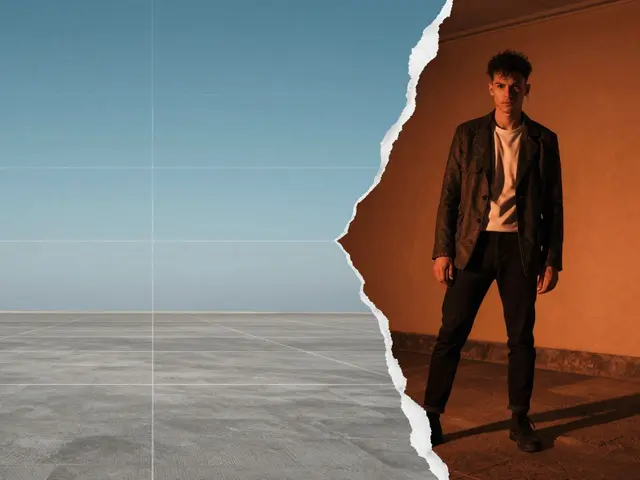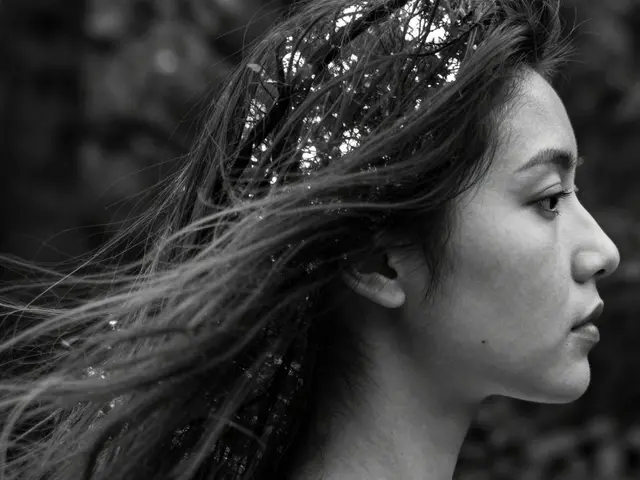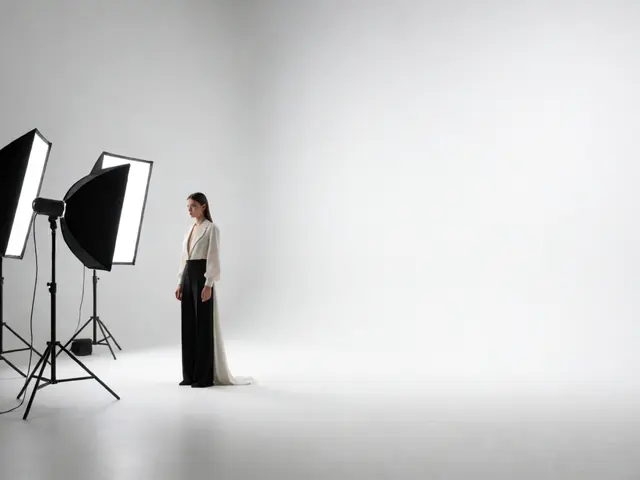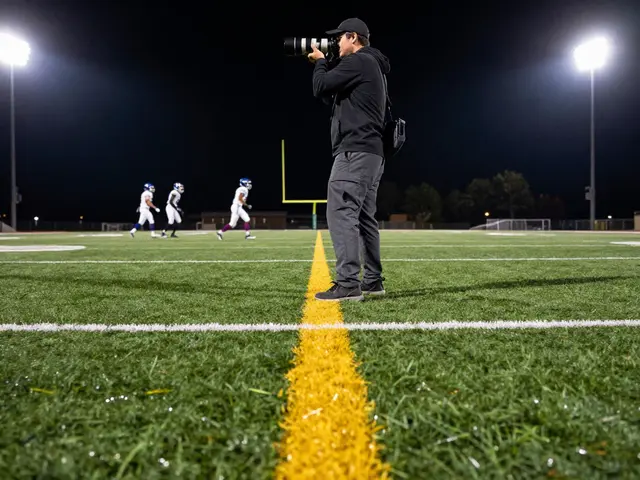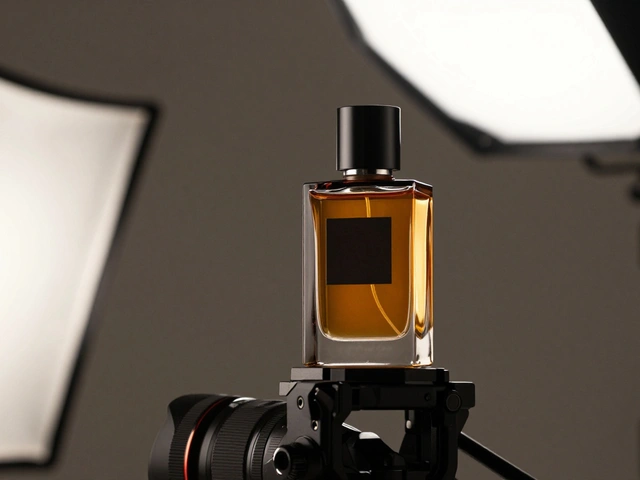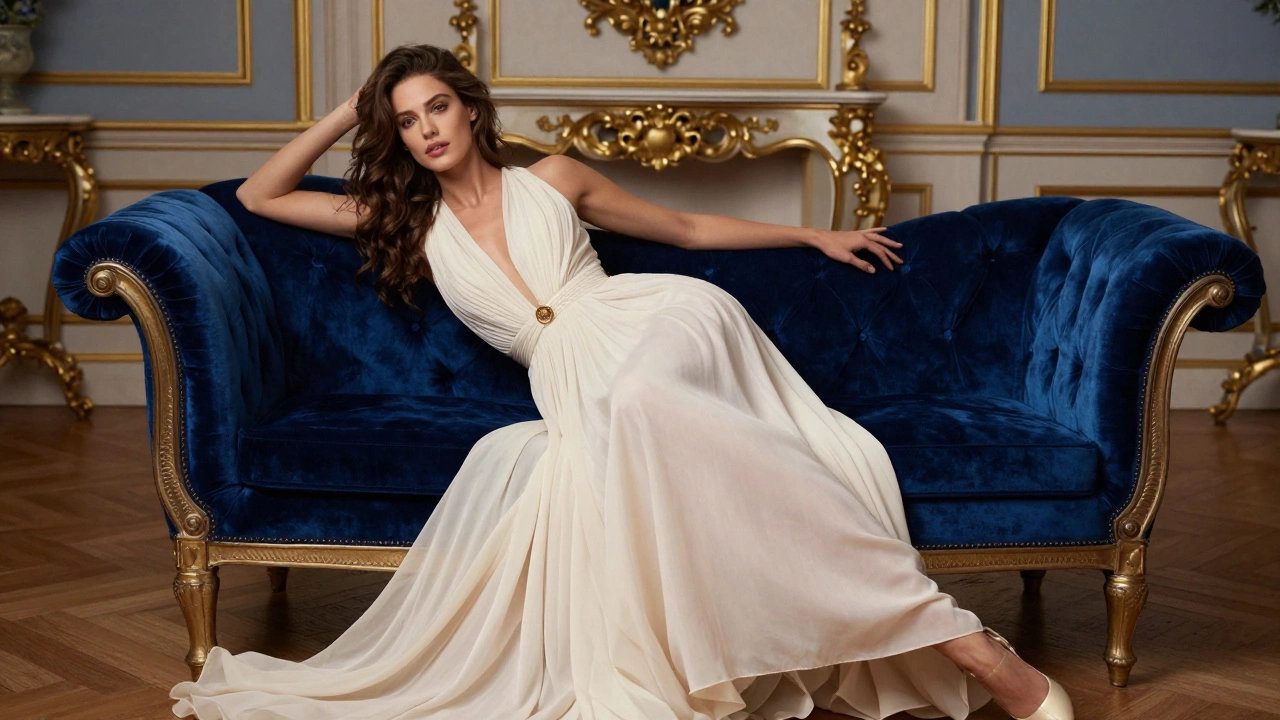
Imagine a stunning model in a high-fashion gown standing against a flat, white wall. The lighting is perfect, and the dress is exquisite, but the image feels empty. It lacks a soul. This is where the magic of fashion photography props is objects intentionally incorporated into a shoot to add visual interest, set a scene, and tell a deeper story. Props aren't just things to fill space; they are the bridge between a simple garment photo and a compelling narrative. When used correctly, they stop a viewer from scrolling and make them wonder who this person is and where they are going.
Why Props are a Game Changer for Models and Photographers
One of the biggest hurdles in any shoot is the "what do I do with my hands?" panic. Even professional models can hit a wall where their poses start feeling repetitive. Props solve this by giving the subject something tangible to engage with. When a model holds a vintage telephone or leans against a velvet chaise longue, the pose becomes a natural reaction to an object rather than a forced position. This shift reduces tension and allows the model to relax, which almost always leads to more authentic facial expressions.
Beyond the psychological boost, props add layers of context. A piece of jewelry is just an accessory until you place it in a setting-perhaps paired with an antique mirror and a silk robe-that suddenly suggests a story of old-world glamour or a quiet morning in a Parisian hotel. You're no longer just selling a necklace; you're selling a lifestyle.
Essential Prop Categories for Every Fashion Shoot
Not all props serve the same purpose. Depending on your goal, you'll want to pull from different categories to create a balanced composition.
Accessories and Wardrobe Enhancers
These are the low-hanging fruit of fashion photography. Items like Sunglasses, bold necklaces, and wide-brimmed hats do more than just complete an outfit. They add pops of color and help define the mood. A pair of dark, oversized glasses can create a sense of mystery or detachment, while a flowing silk scarf introduces movement into a static frame.
Furniture and Structural Elements
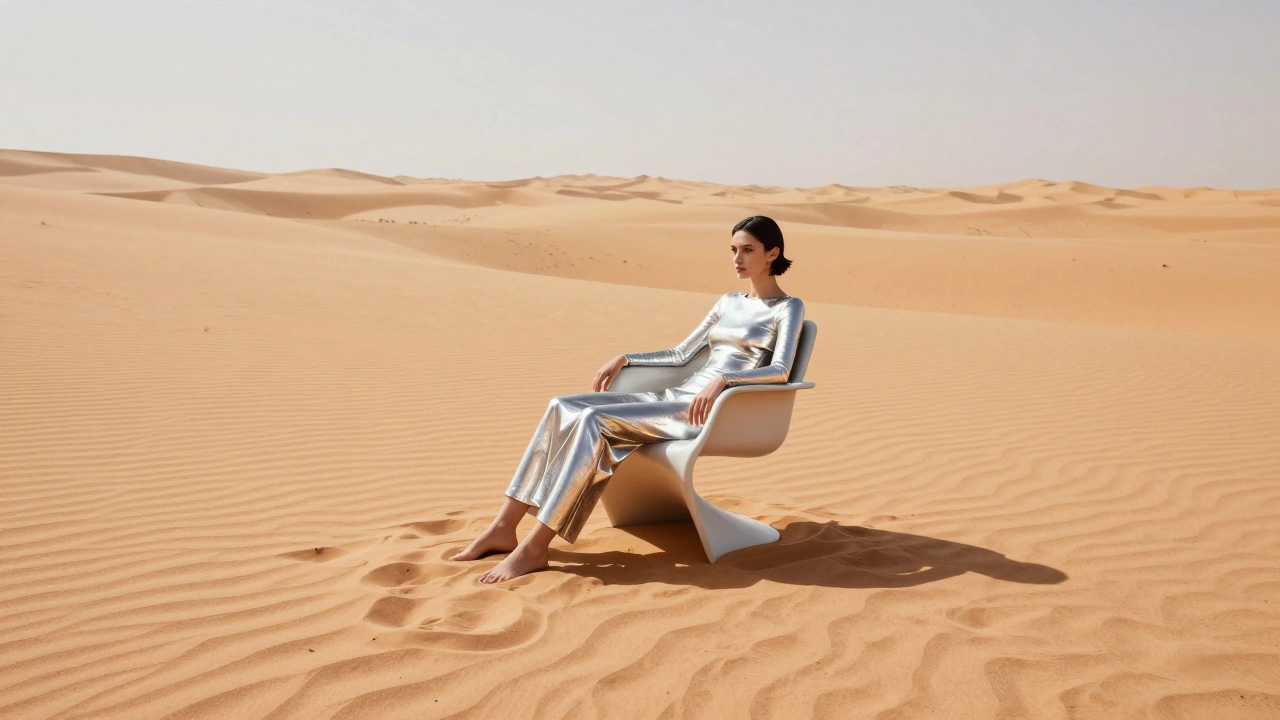
Furniture is the secret weapon for varying your heights and angles. Chairs are particularly versatile. In a studio, a sleek mid-century modern chair can keep a model from just standing there, allowing for sitting, reclining, or leaning poses. For a surrealist twist, try moving that furniture outdoors. Placing a plush velvet armchair in the middle of a dead field or a sandy beach creates an immediate visual contradiction that grabs attention.
Textiles and Atmospheric Materials
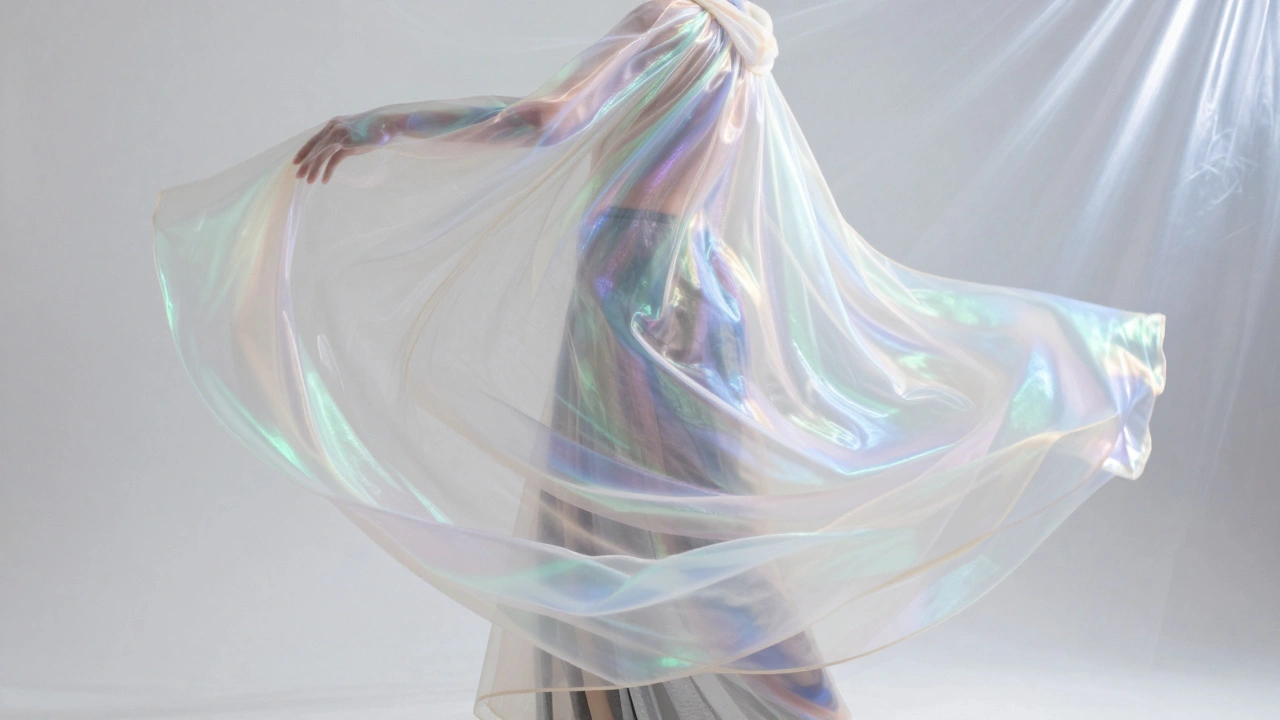
Don't overlook the power of fabrics. Using curtains, plastic foils, or sheer linens as backdrops or foreground elements adds incredible texture. When you place a transparent material between the lens and the model, it acts as a physical filter, softening the image and adding a dreamlike quality. If you have a fan or a breeze, these materials create dynamic movement that makes the photo feel alive.
| Desired Mood | Recommended Props | Visual Effect |
|---|---|---|
| Sophisticated/Luxury | Wine glasses, velvet chairs, gold jewelry | High-status, elegant, polished |
| Rustic/Nostalgic | Woven baskets, fresh fruit, old books | Warm, earthy, timeless |
| Edgy/Avant-Garde | Plastic foils, industrial metal, mirrors | Sharp, modern, experimental |
| Whimsical/Playful | Balloons, bright flowers, animals | Lighthearted, spontaneous, joyful |
Using Props to Build a Narrative World
The most successful fashion images don't just show clothes; they suggest a world. This is achieved through environmental storytelling. If you are shooting a line of outdoor gear, don't just put the model in a park. Surround them with Camping Equipment like a vintage tent, a crackling campfire, or a weathered map. These objects tell the viewer exactly where the character is and what they are doing without needing a single word of caption.
The same logic applies to portrait-heavy fashion shoots. If the model is portraying a creative professional, surround them with the tools of that trade. An artist surrounded by paint-splattered canvases or a musician with a guitar creates an immediate synergy between the person and their environment. This transforms the shoot from a "clothing display" into a "personality study."
The Art of the Unexpected: Surrealism and Contrast
Some of the most iconic fashion images come from placing objects where they absolutely do not belong. This is the essence of visual irony. Think about a model in a ballgown eating a burger in a greasy diner, or someone in a sharp business suit sitting in a bathtub filled with flower petals. This contrast creates a psychological hook for the viewer.
Mirrors are a fantastic tool for this. By positioning a mirror strategically, you can show two sides of a model at once or create a "portal" effect that adds depth to a flat background. It invites the viewer's eye to wander and explore the frame, making the image feel more like a puzzle and less like a snapshot.
Common Pitfalls to Avoid
While props are powerful, they can easily overwhelm a shot if you aren't careful. The most common mistake is "prop clutter," where there are so many objects in the frame that the viewer doesn't know where to look. Remember: the fashion is still the star. Every prop should either support the clothing or the story, not compete with them.
Another critical point is safety and comfort, especially when working with live animals. While a dog or a horse can add incredible emotional warmth to a shoot, always check for allergies or phobias beforehand. A nervous model and a stressed animal are a recipe for an awkward, unauthentic image. The goal is a seamless connection, not a struggle for control.
Practical Tips for Working with Movement
Static props are great, but moving props are better. When using garments like cloaks, oversized sweaters, or long dresses, don't let them just hang. Encourage the model to hold the fabric loosely and sway it back and forth. This creates a "visual vibe" of fluidity and energy. Use a fast shutter speed to freeze the movement or a slightly slower one to create a soft blur that suggests motion. When the clothing interacts with the air, it becomes a prop in itself, adding a sculptural element to the composition.
How do I choose props that don't distract from the clothes?
Follow the rule of color harmony. Choose props that either complement the colors of the clothing (using a color wheel) or provide a deliberate, stark contrast. If the outfit is heavily patterned, keep the props minimal and solid-colored to avoid visual noise. Always ask yourself: "Does this object help tell the story of this outfit, or is it just filling space?"
What are some affordable props for a studio shoot?
You don't need a huge budget. Thrift stores are goldmines for unique chairs, vintage suitcases, and old frames. For atmospheric effects, use simple household items like plastic wrap, aluminum foil, or even a large piece of white bedsheet to create a DIY backdrop with movement. Fresh flowers and fruit from a local market are also cheap ways to add organic color and texture.
How can I help a nervous model feel more comfortable with props?
Give them a "fidget" prop. Something they can touch, hold, or play with-like a coffee cup, a book, or a piece of jewelry-takes the focus off the camera and puts it on the object. This tactile engagement grounds the model and makes the posing process feel more like a natural activity and less like a performance.
When should I use mirrors in fashion photography?
Use mirrors when you want to add depth, show multiple angles of a garment, or introduce a psychological element like introspection or duality. They are great for tight spaces to create the illusion of more room or for adding artistic distortions that make a standard portrait feel more experimental.
Can animals really work as props in high fashion?
Yes, animals can add a level of luxury (like a sleek greyhound) or a sense of playfulness (like a fluffy cat) that humans can't provide. However, they require a different approach. Ensure the animal is trained and that the model is comfortable. The key is to capture the spontaneous interaction between the human and the animal, which often results in the most authentic shots of the day.
Next Steps for Your Next Shoot
If you're planning your next session, start by creating a mood board. Don't just pin outfits; pin textures, objects, and locations. If you're going for a "dark academia" vibe, look for old leather books, inkwells, and heavy wooden desks. If you're aiming for "future minimal," look for acrylic blocks, neon tubes, and metallic surfaces.
For those struggling with composition, try the "one-prop challenge." Pick a single, unusual object and spend an hour finding ten different ways to integrate it into the shoot. This forces you to think creatively about angles and interactions rather than relying on the same few poses. Whether you're using a simple chair or a surrealist installation, the goal is always the same: move beyond the garment and create a world that the viewer wants to step into.