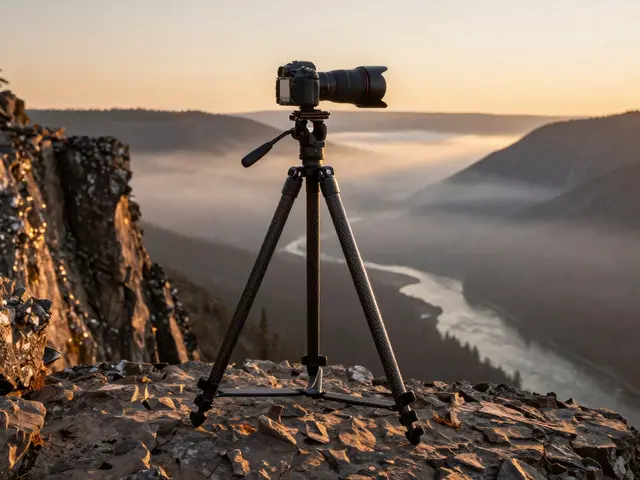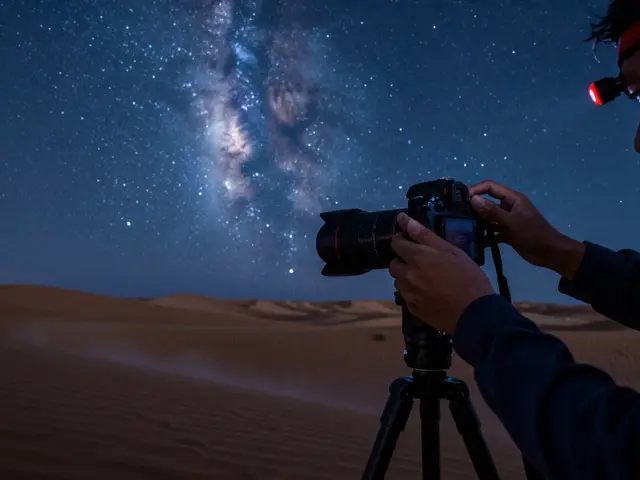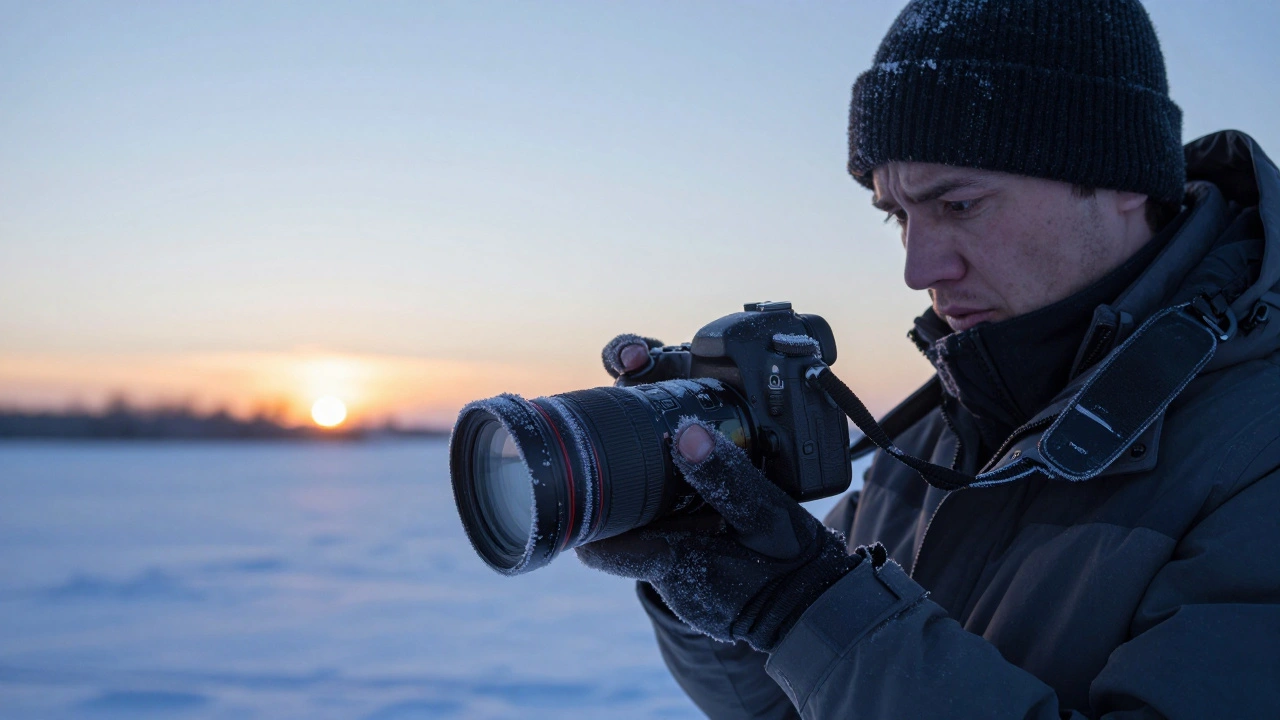
There is nothing more frustrating than watching your camera die while the light is perfect. You are standing in freezing conditions, maybe shooting a sunrise or a winter landscape, and suddenly the screen goes black. It feels like bad luck, but it is actually basic physics. Cold temperatures attack Lithium-ion batteries, which are the standard power source for modern digital cameras that lose significant capacity when exposed to low temperatures. A drop of just 10 degrees Celsius can cut your battery life in half. This means a battery that usually lasts all day might only give you an hour or two in the snow.
If you shoot outdoors in winter, you need a strategy. Relying on one fully charged battery is a recipe for missing shots. The good news is that this performance loss is temporary. Your battery isn't broken; it is just sluggish because the chemical reactions inside slow down when they get cold. By managing heat and power consumption, you can stretch your runtime significantly and keep shooting through long, cold days.
Why Cold Kills Battery Life
To manage your power, you first need to understand why it disappears so quickly. Inside every lithium-ion cell, electrochemical reactions generate electrical current by moving ions between electrodes, these reactions work best at room temperature, roughly 20 to 25 degrees Celsius. When the air gets colder, the ions move slower. This reduces the rate at which chemical energy converts into electricity. Your camera sees less voltage and thinks the battery is empty, even if there is charge left.
This affects all cameras, but some feel the impact harder. Mirrorless cameras, such as those from Sony, Canon, Nikon, and Fujifilm, drain faster than DSLRs. Why? Because mirrorless bodies use electronic viewfinders (EVFs) and LCD screens constantly. These displays require continuous power. In contrast, DSLRs use optical viewfinders that do not draw any electricity. If you are shooting with a mirrorless system, you should expect to carry more spares than a DSLR user would.
The Golden Rules of Cold-Weather Prep
Preparation starts before you leave your house. Do not assume your batteries are ready just because they were used yesterday. Here is how to set yourself up for success:
- Charge to 100%: Always start with full batteries. A battery at 70% charge in warm weather might hit critical levels instantly in the cold. Leave no margin for error.
- Carry Extra Capacity: If you normally carry one spare, double that. For mirrorless shooters, aim for at least three or four total batteries. Some professionals carry five to ensure they never stop shooting.
- Use High-Quality Power Banks: If your camera supports USB-C direct charging, which allows continuous power supply from external sources without removing internal batteries, bring a high-capacity power bank. Many newer models from major brands allow you to plug in and shoot indefinitely, bypassing the cold-battery issue entirely.
Note a subtle trick for long-term health: if you are recharging batteries between short sessions during the day, try stopping at 80%. Charging lithium cells to 100% repeatedly stresses them over time. However, for the initial morning charge, always go to 100% to maximize your starting buffer.
Active Management During the Shoot
Once you are out in the cold, your habits matter more than your gear. Small changes in how you use your camera can double your available time. The biggest enemy is Live View mode, which forces the sensor and display to run continuously, causing rapid battery depletion. Leaving Live View active between compositions can drain a battery in under 45 minutes in extreme cold. Switch to using the viewfinder whenever possible, or turn off the screen completely when not composing.
Disable other power-hungry features. Wi-Fi, Bluetooth, GPS, and electronic image stabilization all draw current. Turn them off unless you absolutely need them for that specific shot. Also, lower your screen brightness. Reviewing images takes power too. Take a quick glance, then delete or keep, but don't linger on the playback menu.
When you move between locations, turn the camera off completely. Don't let it sit in standby mode while you hike to the next spot. Every minute counts.
Body Heat Is Your Best Friend
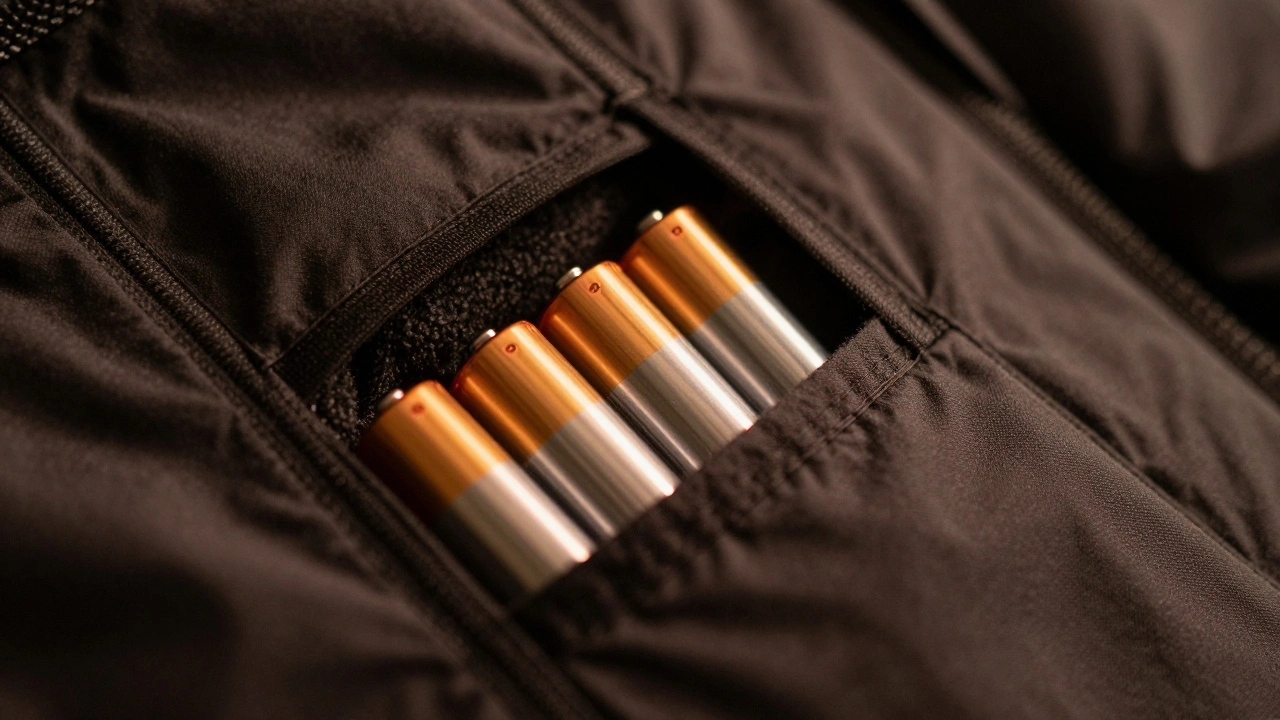
You cannot change the weather, but you can control where your batteries live. Spare batteries must stay warm. Store them in inner jacket pockets, close to your body core. Your body generates heat, and this warmth keeps the battery chemistry active. Batteries stored in backpacks, especially those outside your insulation layer, will freeze rapidly and lose capacity.
Consider using a fanny pack worn under your outer jacket. This keeps batteries accessible yet insulated. Some photographers even store drone batteries in thermal undergarments before flight operations to ensure they perform correctly. The principle is simple: keep the battery close to skin temperature until the moment you insert it into the camera.
The Rotation Strategy
The most effective technique for extending session duration is battery rotation. Do not wait for a battery to die completely. Remove it when it hits 20-30% remaining charge. Swap it with a warm spare from your pocket. Let the cold battery warm up in your inner pocket for 10 to 15 minutes. Often, you will recover 15-30% of usable capacity just by letting it return to a warmer state.
In severe cold, rotate every 5 to 30 minutes. In milder conditions, you can stretch that interval. By cycling multiple batteries, you keep each one within its optimal temperature range for longer periods. This method multiplies your total runtime far beyond what a single battery could achieve.
Insulating Your Gear
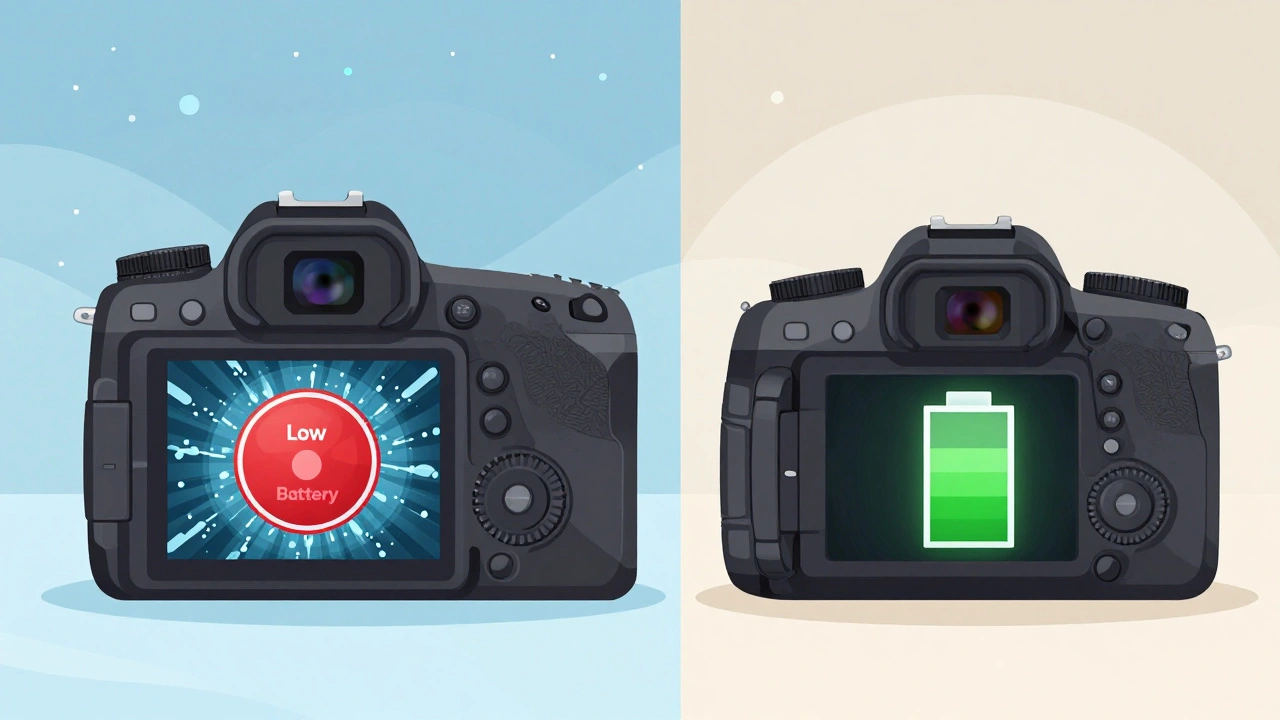
Your camera body also loses heat. When you are not actively shooting, wrap your camera in a sweater or extra clothing layers. If you are carrying it in a backpack, place a fleece liner around it. This reduces thermal exposure and helps maintain the installed battery's temperature. It is a simple hack that uses gear you already have.
Comparison: Mirrorless vs DSLR in the Cold
| Feature | Mirrorless Cameras | DSLR Cameras |
|---|---|---|
| Viewfinder Type | Electronic (Power Hungry) | Optical (No Power Draw) |
| Cold Weather Drain Rate | Faster (Continuous Display Use) | Slower (Display Off When Using VF) |
| Spare Battery Needs | High (3-5 Recommended) | Medium (2-3 Recommended) |
| USB-C Charging Support | Widespread (Newer Models) | Limited (Older Models) |
| Best Conservation Tip | Disable Live View | Turn Off Screen |
FAQ
Does cold weather permanently damage camera batteries?
No, cold weather does not permanently damage lithium-ion batteries. The reduced performance is temporary. Once the battery warms back up to room temperature, it regains its full capacity. However, repeatedly draining a battery completely in extreme cold can stress the cells over time, so rotation is key.
How many spare batteries should I carry for a winter shoot?
For mirrorless cameras, carry at least 3 to 5 batteries total. For DSLRs, 2 to 3 is often sufficient. The exact number depends on the temperature and how much you rely on Live View. More is always better in freezing conditions.
Can I charge my camera with a power bank in the cold?
Yes, if your camera supports USB-C direct charging. Many modern Sony, Canon, Nikon, and Fujifilm models allow this. Keep the power bank in an insulated bag or close to your body to prevent it from losing efficiency due to cold as well.
What feature drains battery fastest in cold weather?
Live View mode is the biggest drain. Keeping the LCD screen active forces the sensor and processor to run continuously. Switching to the electronic or optical viewfinder and turning off the screen when not composing can extend battery life significantly.
Should I buy special cold-weather batteries?
Generally, no. Standard lithium-ion batteries found in all contemporary cameras respond predictably to thermal management. Focusing on keeping batteries warm and rotating them is more effective and cost-efficient than buying specialized cells.
How do I recover a 'dead' battery in the cold?
Place the battery in an inner jacket pocket close to your body heat for 10-15 minutes. This warming process often restores 15-30% of usable capacity, allowing you to continue shooting without needing a fresh spare immediately.