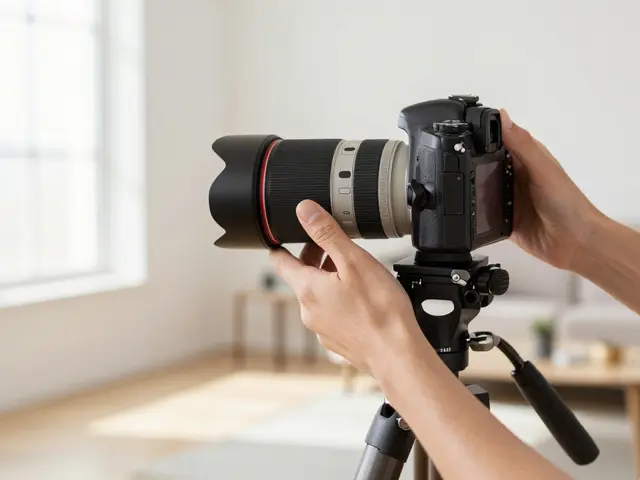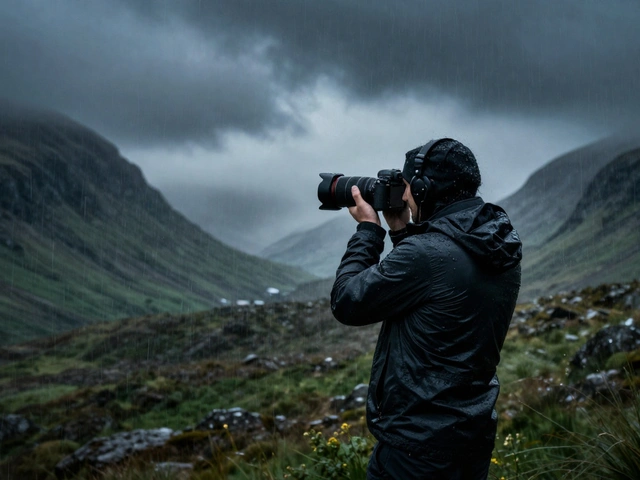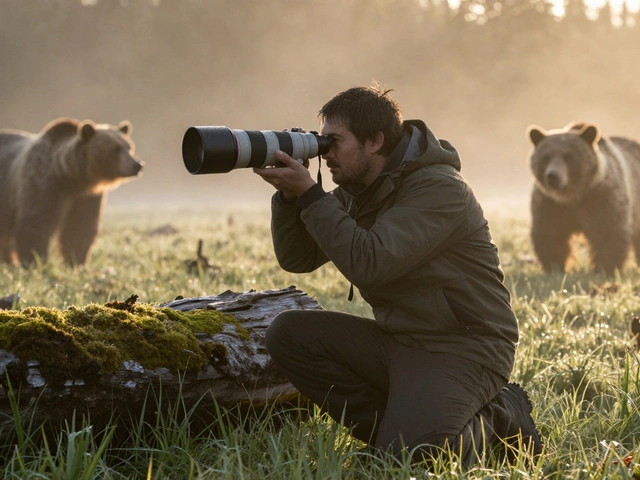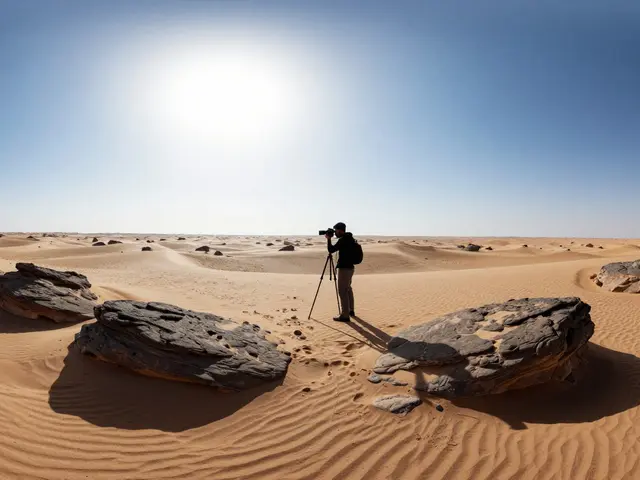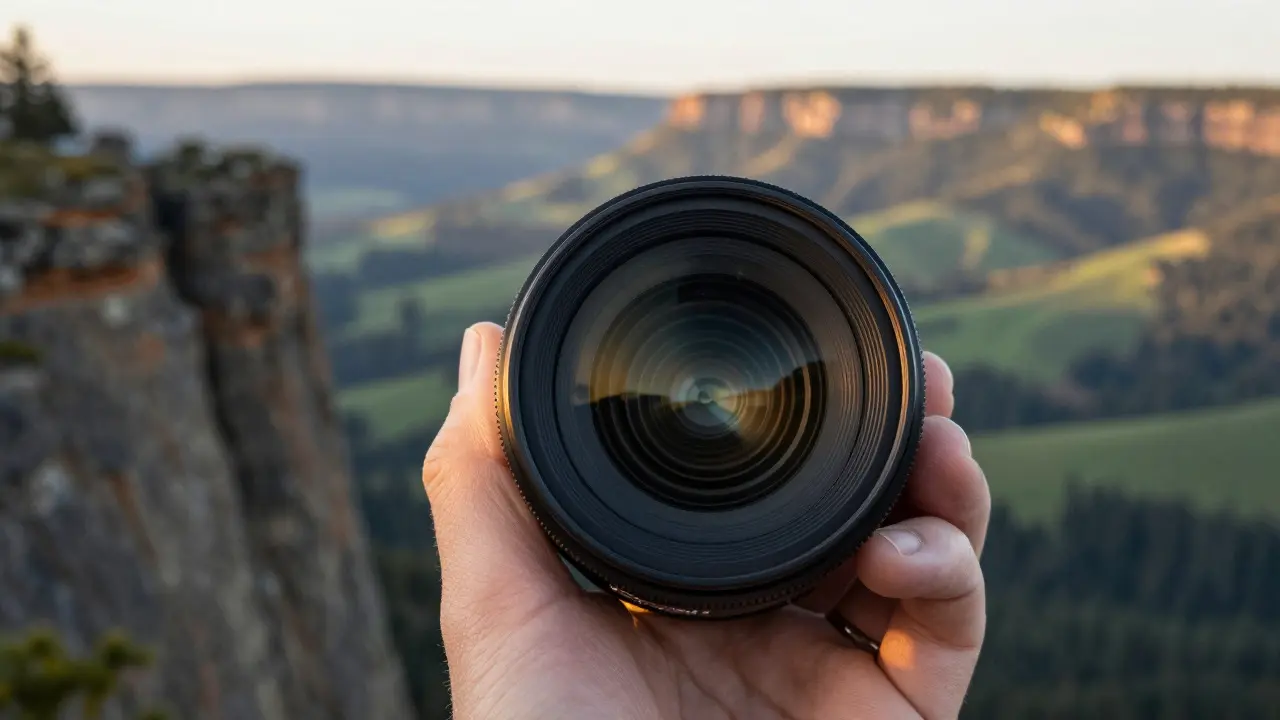
Standing at the edge of a cliff in Oregon, I’ve often wondered how landscape photographers capture that sweeping sense of scale. The secret usually isn’t just the location; it’s the glass attached to the camera body. Wide-angle lenses are optical components with short focal lengths that capture a broader field of view than standard human vision. Unlike telephoto lenses that compress distance, wide-angles exaggerate depth and pull the viewer into the scene. If you’re struggling to make your photos feel immersive or trying to fit massive structures into a single frame, understanding the specific focal lengths available is the first step to better images.
Understanding Focal Length and Field of View
To choose the right lens, you need to grasp how focal length dictates what you see. Focal length is measured in millimeters (mm). In digital photography, the "full-frame" standard is based on 35mm film. A 50mm lens is considered "normal" because its perspective closely matches human vision. Anything shorter than 35mm is classified as wide-angle. As the number drops, the angle widens.
- 35mm: Often called the "environmental portrait" focal length. It captures the subject plus immediate context without extreme distortion.
- 24mm: The versatile workhorse for street and travel. It fits more of the scene but requires careful composition to avoid edge stretching.
- 16mm - 18mm: True wide-angle territory. Ideal for interiors and dramatic landscapes where you want to emphasize foreground elements.
- 12mm - 14mm: Ultra-wide. These lenses bend light significantly, creating strong perspective lines. Great for astrophotography or tight architectural spaces.
Mastering Perspective and Distortion
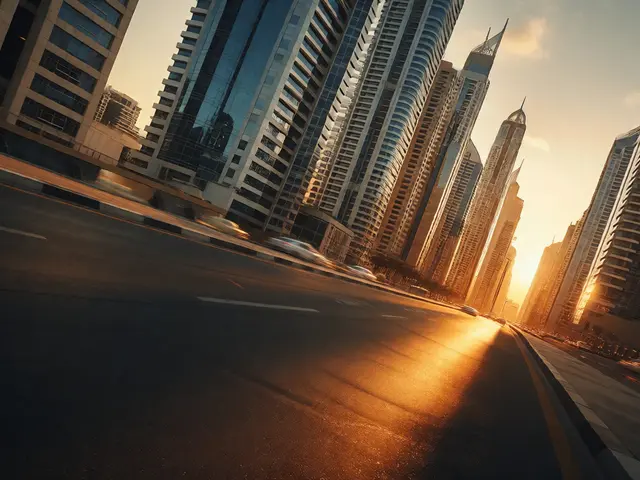
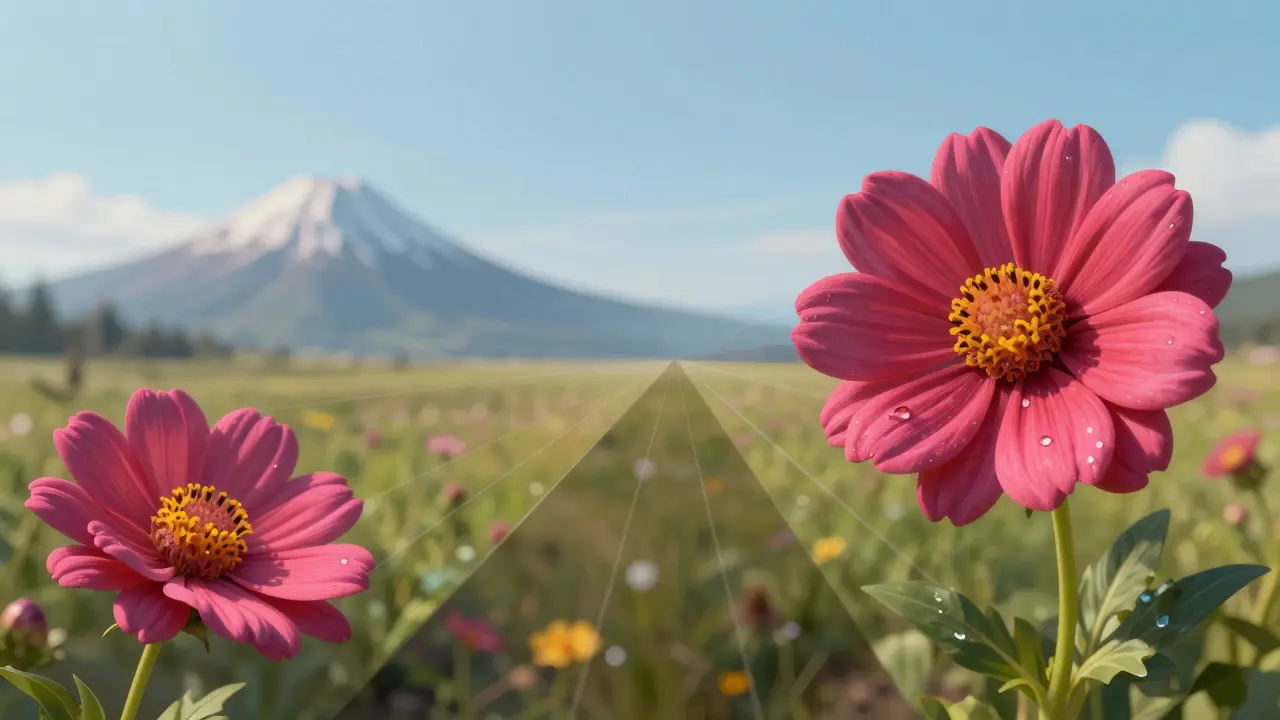
Wide-angle lenses are famous for two things: they include more of the scene, and they distort shapes. This isn't a flaw; it's a feature if you know how to control it. The primary distortion is barrel distortion, where straight lines near the edges of the frame bow outward. More importantly, wide-angles exaggerate perspective. Objects close to the lens appear much larger relative to objects in the background. To harness this effect, you must manage your distance. If you stand too close to a building, the top will tilt back unnaturally, making it look like it’s falling over. To fix this, step back. Moving away from the subject reduces the exaggeration and keeps vertical lines straighter. Conversely, if you want to make a flower look huge against a distant mountain, move extremely close to the flower. The wide-angle lens will stretch the foreground, creating a surreal scale difference that a 50mm lens simply cannot achieve.
| Focal Length (Full-Frame) | Field of View | Primary Use Case | Distortion Level |
|---|---|---|---|
| 35mm | Moderate | Street, Environmental Portraits | Low |
| 24mm | Wide | Travel, Group Photos | Moderate |
| 16mm | Very Wide | Landscape, Interiors | High |
| 14mm | Ultra-Wide | Astro, Architecture | Very High |
Best Uses for Wide-Angle Glass
Knowing when to reach for the wide end of your zoom or swap in a prime lens can save hours in post-production. Here are the scenarios where these lenses shine brightest.
Landscape and Nature Photography
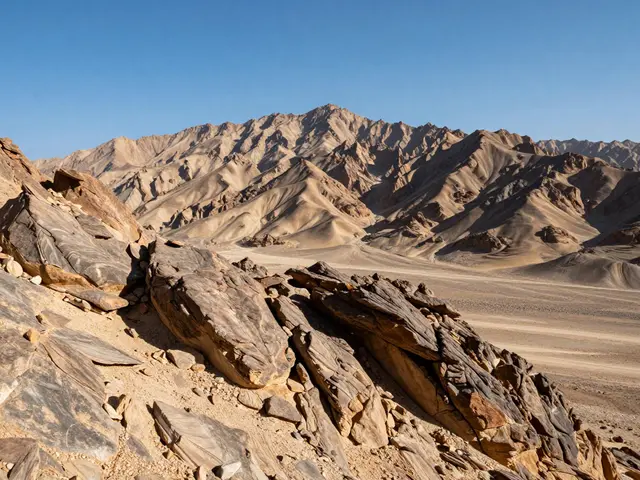
This is the bread and butter for wide-angles. You want to convey the vastness of a valley or the height of a forest. Place a strong foreground element-like a rock, a tree branch, or a path-close to the lens. This anchors the image and provides a sense of scale. Without a foreground, wide-angle landscapes can feel flat and empty. Always check the horizon level; tilts are magnified on wide lenses.
Architectural and Interior Shots
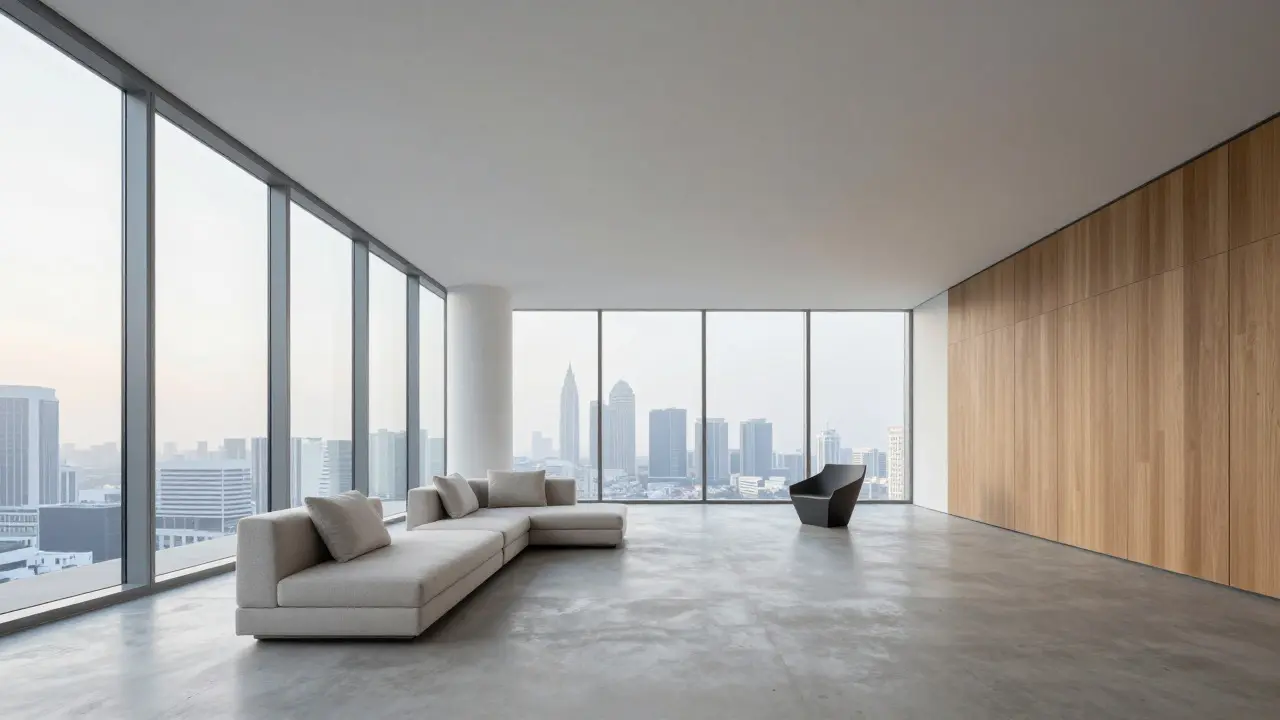
Shooting buildings and rooms requires controlling vertical convergence. While stepping back helps, sometimes you’re stuck in a small space. Tilt-shift lenses solve this optically, but most shooters use post-processing correction. When shooting interiors, be mindful of corners. If a chair leg touches the edge of the frame, it will look bent. Keep important vertical lines within the central 70% of the frame to minimize visible warping.
Street and Documentary Work
The 35mm focal length is beloved by street photographers because it allows you to be close enough to engage with subjects while still capturing the environment. It feels natural. A 24mm lens adds chaos and energy, pulling in bystanders and traffic. This creates a documentary feel, showing the subject in their raw context rather than isolating them.
Choosing Between Primes and Zooms
You generally have two paths: fixed-focal-length primes or variable-focal-length zooms. Each has distinct advantages for workflow and image quality. Prime Lenses offer wider maximum apertures. A 14mm f/1.8 lens lets in far more light than a 14-24mm f/2.8 zoom. This is critical for low-light situations like night cityscapes or indoor events without flash. Primes are also typically smaller, lighter, and sharper across the entire frame. However, you must physically move your feet to change your framing, which can be challenging in fast-paced environments. Zoom Lenses provide flexibility. A 16-35mm f/2.8 zoom covers a range that would require three separate prime lenses. For travel, this convenience is often worth the extra weight and cost. Modern zoom technology has improved dramatically, meaning the image quality penalty compared to primes is negligible for most users. If you shoot diverse genres-landscapes one day, weddings the next-a high-quality zoom is the practical choice.
Technical Tips for Sharp Results
Even the best wide-angle lens can produce soft images if used incorrectly. Here are technical adjustments to ensure crisp results.
- Use Aperture Priority or Manual Mode: Avoid Auto mode, which may select a center-weighted metering pattern that exposes the sky correctly but underexposes the shadows.
- Stop Down for Maximum Sharpness: Most lenses are sharpest around f/8 or f/11. While f/1.8 is great for light gathering, diffraction starts to soften images at very small apertures like f/22. Stick to the sweet spot between f/5.6 and f/11 for landscapes.
- Enable Vibration Reduction (VR/IS): Even though wide angles are less susceptible to camera shake than telephotos, handheld shots at slow shutter speeds benefit from stabilization. Keep VR on unless using a tripod with a remote release.
- Watch Out for Chromatic Aberration: Colored fringing along high-contrast edges is common in wide lenses. This is easily removed in post-processing software like Lightroom or Capture One.
Common Mistakes to Avoid
New users often fall into a few traps that ruin otherwise good compositions.
- Ignoring the Edges: Wide-angle lenses have vignetting (dark corners) and potential blur at the extremes. Don’t place critical details like eyes or text in the very corner of the frame.
- Over-correcting in Post: Trying to straighten every line digitally can stretch the image and introduce artifacts. Better to compose carefully in-camera.
- Using the Wrong Filter Size: Wide-angle barrels protrude forward. Standard screw-in filters won’t fit. You need clip-on filters or large square filter systems to prevent vignetting caused by the filter housing blocking light.
FAQ
What is the best wide-angle focal length for beginners?
A 24-70mm zoom is ideal because it includes a wide end (24mm) but also covers normal and short telephoto ranges. If buying a prime, start with 35mm. It is forgiving, sharp, and versatile for both portraits and landscapes without extreme distortion.
Do wide-angle lenses make people look fat?
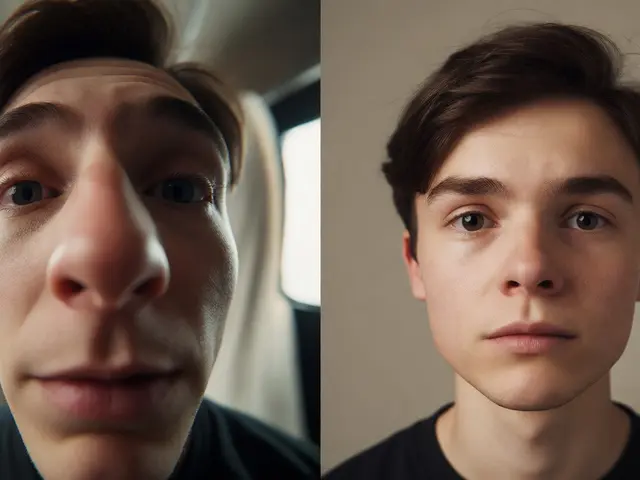
They can distort faces if the subject is too close to the camera. The nose appears larger and cheeks recede. To avoid this, keep at least 3-5 feet of distance from the subject or use a 35mm lens instead of a 16mm for portraits.
Is 16mm too wide for everyday photography?
For casual snapshots, yes. It distorts reality significantly. However, for creative landscapes, architecture, or dynamic action shots, 16mm is excellent. It forces you to think about composition and perspective in new ways.
Can I use a full-frame wide-angle lens on an APS-C camera?
Yes, it works perfectly. The image circle of a full-frame lens is larger than the APS-C sensor needs. You will lose some of the extreme wide field of view due to the crop factor, but you retain the optical benefits and often gain better edge sharpness.
Which brand makes the best wide-angle lenses?
Canon, Nikon, Sony, Sigma, and Tamron all produce high-quality options. Native lenses (matching your camera brand) offer the best autofocus speed and integration. Third-party brands like Sigma often provide wider apertures at lower prices, which is great for low-light work.