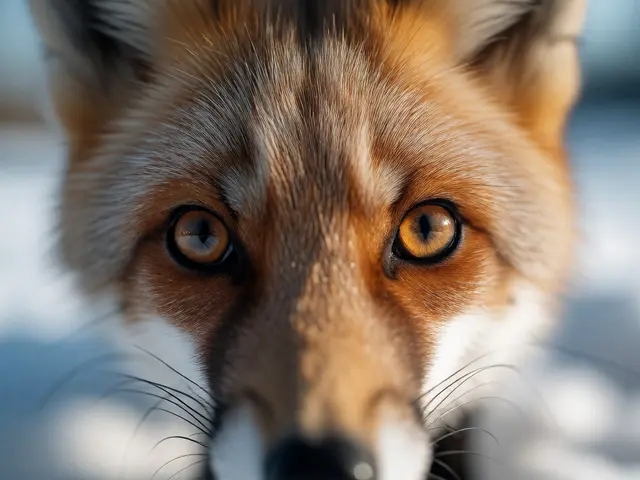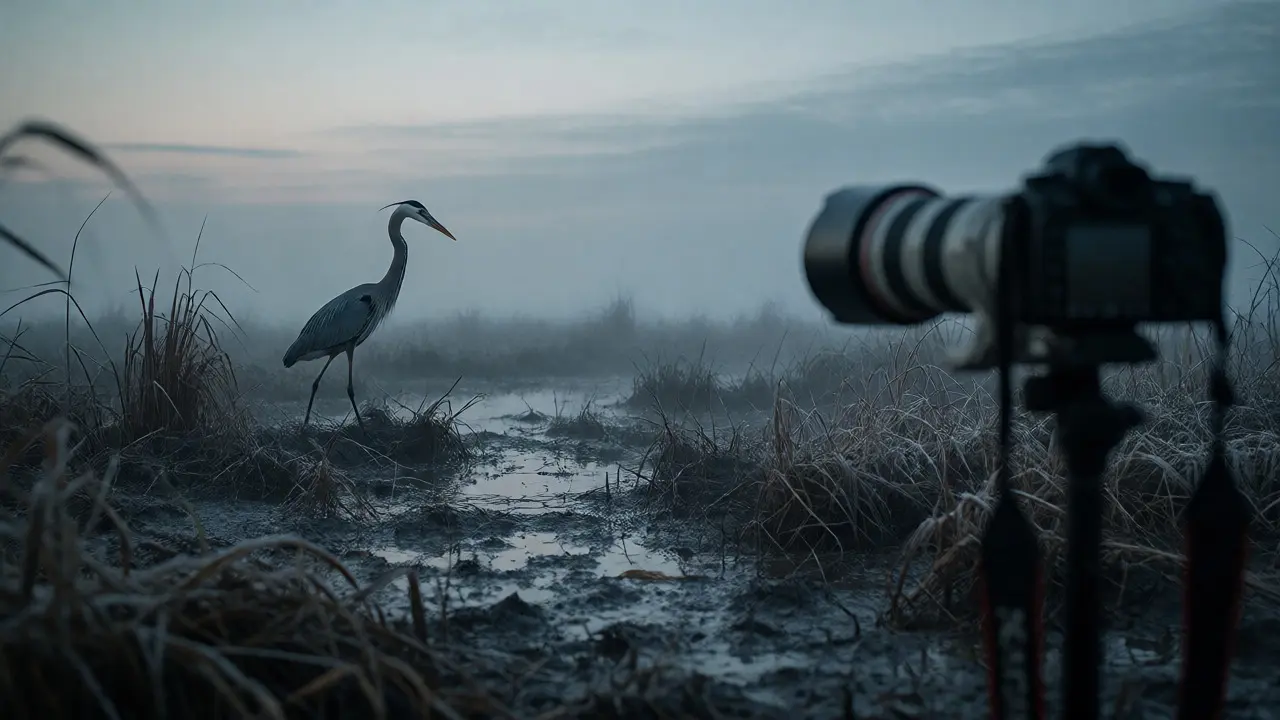
You’re standing in the cold mud of a wetland at dawn. A great blue heron is stalking its prey about forty yards away. You raise your camera, but your standard zoom hits a wall at 200mm. The bird is tiny in the frame, and when you crop it later, the image looks like a pixelated mess. This is the moment most wildlife photographers realize that their glass matters more than their body. Choosing the right telephoto lens isn’t just about buying the most expensive piece of equipment; it’s about matching optical reach with light-gathering speed to capture animals without disturbing them.
The Reach Reality Check
Let’s talk numbers because they matter. In wildlife photography, distance is your enemy. Animals rarely pose for portraits from five feet away. They are skittish, dangerous, or simply too far off to approach. This is where focal length comes into play. If you are shooting on a full-frame camera, anything under 300mm is often considered insufficient for serious wildlife work. Why? Because you need to fill the frame. Cropping heavily in post-production destroys detail and introduces noise.
Most pros operate in the 400mm to 600mm range. This sweet spot allows you to keep a respectful distance while still capturing intimate details-the texture of a feather, the glint in an eye, or the tension in a predator’s muscles. If you shoot on a crop-sensor camera (APS-C), you get a built-in advantage. A 1.5x or 1.6x crop factor means a 300mm lens behaves like a 450mm or 480mm lens. For many beginners, this makes entry-level telephotos surprisingly capable.
| Subject Type | Recommended Focal Length (Full Frame) | Typical Distance |
|---|---|---|
| Small Birds / Insects | 500mm - 800mm | 10-30 feet |
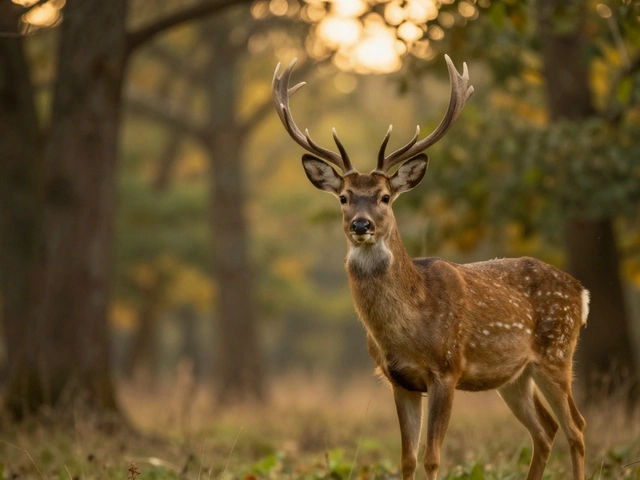
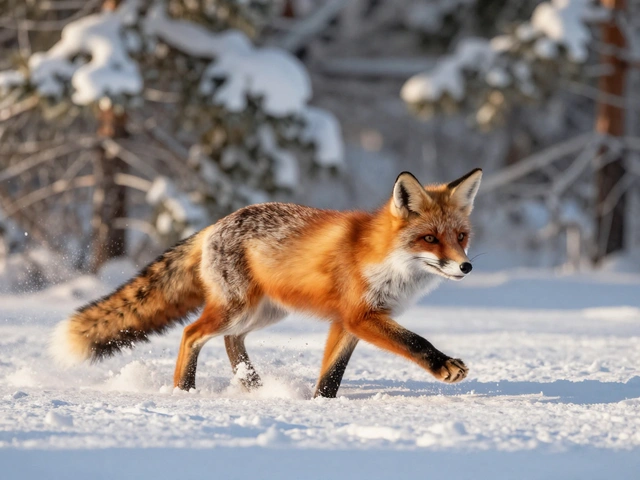
| Medium Mammals (Deer, Foxes) | 300mm - 500mm | 20-50 feet |
| Large Predators (Bears, Lions) | 200mm - 400mm | 50+ feet |
| Aerials / Waterfowl | 400mm - 600mm | Variable |
Aperture: The Light-Gathering Engine
Focal length gets you close, but aperture keeps you sharp. Wildlife activity peaks during "golden hour"-shortly after sunrise and before sunset. During these times, light levels drop rapidly. If your lens has a slow maximum aperture, say f/5.6, you might be forced to push your ISO to 6400 or higher just to maintain a shutter speed fast enough to freeze motion. High ISO brings grain, which ruins the clean look of a portrait.
This is why fast telephoto lenses, those with apertures of f/2.8 or f/4, are prized. An f/2.8 lens lets in twice as much light as an f/4 lens. That extra stop of light can mean the difference between a blurry snapshot and a tack-sharp image at ISO 800 instead of ISO 3200. However, there is a trade-off. Faster lenses are heavier, larger, and significantly more expensive. A 400mm f/2.8 lens can weigh over eight pounds. Can you hand-hold that for two hours? Probably not without a gimbal head or monopod support.
For many enthusiasts, f/4 is the practical compromise. Modern mirrorless cameras have incredible high-ISO performance, making f/4 lenses viable even in lower light. Plus, they are lighter and cheaper. If you are hiking into remote locations, saving three pounds of weight might be worth more than one stop of light.
Fixed vs. Zoom: The Flexibility Debate
Should you buy a prime lens or a zoom? This is the classic photographer’s dilemma. Prime lenses (fixed focal length) generally offer superior sharpness and wider apertures. A 600mm f/4 prime is optically perfect. It renders subjects with creamy background separation (bokeh) that isolates the animal beautifully. But if the animal moves ten feet closer, you have to physically move back or accept being too tight. There is no zooming out.
Zoom lenses, like a 100-400mm or 200-600mm, offer flexibility. You can frame tightly for a headshot, then pull back to show the environment. This is crucial when the action is unpredictable. A bear cub might roll over, suddenly requiring a wider frame to capture the whole scene. With a prime, you miss the shot. With a zoom, you adjust instantly.
Modern zooms have closed the quality gap significantly. Lens designs using fluorite elements and advanced coatings mean a high-end zoom is often indistinguishable from a prime in terms of sharpness. Unless you are printing billboards or working in extremely low light, a versatile zoom is often the smarter investment for hobbyists.
Stabilization Systems: Hand-Holding Heavy Glass
Shooting at 600mm amplifies every shake. Your heartbeat, a gust of wind, or shifting your weight can cause blur. This is where Optical Image Stabilization (OIS) or Vibration Reduction (VR) becomes critical. Look for lenses with dual-mode stabilization: one mode for panning (tracking moving subjects) and one for static shots.
In-camera sensor-shift stabilization (IBIS) found in newer Sony, Canon, and Nikon bodies works synergistically with lens-based stabilization. When both systems communicate, you can sometimes hold steady at shutter speeds as slow as 1/60th of a second at 400mm. Without this tech, you’d need 1/400th or faster to avoid motion blur from hand movement alone. Always check if the lens supports IBIS coordination for your specific camera brand.
Budgeting and Gear Strategy
Wildlife gear is expensive. A top-tier 600mm f/4 lens costs upwards of $12,000. Most people don’t start there. Here is a realistic path:
- Start with a super-zoom: Lenses like the Tamron 150-500mm or Sigma 60-600mm offer massive reach for under $2,000. They are slower (f/5-6.3), but great for learning composition and behavior.
- Upgrade to a mid-range telephoto: Move to a 70-200mm f/2.8 combined with a 1.4x teleconverter. This gives you effective reach of 280mm at f/4. It’s lighter and sharper than a super-zoom.
- Invest in a dedicated wildlife lens: Once you know what you shoot, buy a fixed 300mm f/4 or 400mm f/5.6. These are lightweight, sharp, and affordable ($1,000-$2,000). They force you to learn fieldcraft rather than relying on zoom convenience.
Remember, the best lens is the one you can carry all day. A heavy lens left in the car because it’s too painful to hike with captures zero images. Match the weight to your fitness level and trip duration.
Fieldcraft Tips for Better Results
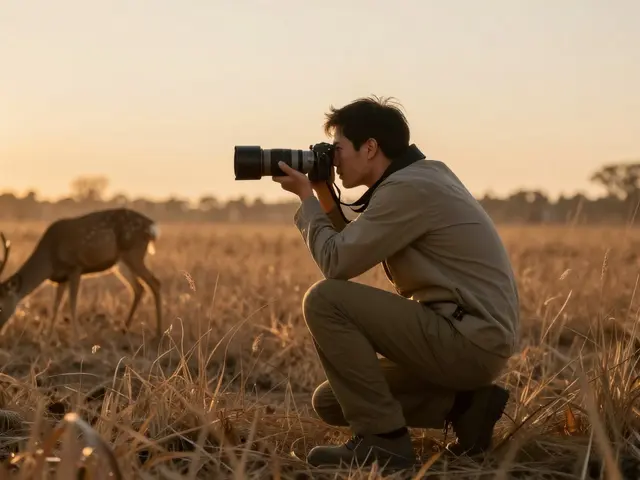
Gear doesn’t make the photograph; patience does. Even the best lens fails if you aren’t positioned correctly. Get down to the animal’s eye level. Shooting from above creates a flat, uninteresting perspective. Eye-level shots create connection and drama.
Also, consider the background. A messy forest floor distracts from the subject. Use your wide aperture to blur the background into smooth color blocks. If you are using a slower lens, try to find a distant background to maximize natural compression and blur.
Is a 300mm lens enough for wildlife photography?
On a full-frame camera, 300mm is generally the minimum for medium-sized mammals like deer or foxes, provided you can get within 20-30 feet. For birds or shy animals, 300mm is usually too short. On APS-C cameras, a 300mm lens provides equivalent reach to roughly 450mm, making it much more viable for general wildlife work.
Do I need a tripod for telephoto lenses?
Not always. For lenses up to 400mm, modern stabilization allows comfortable handheld shooting. For heavier lenses (500mm+), a monopod is highly recommended to reduce fatigue and improve stability without the bulk of a tripod. Tripods are best for stationary subjects like perched birds or landscapes with animals.
What is better: f/2.8 or f/4 telephoto lens?
An f/2.8 lens is better for low-light situations and achieving maximum background blur, but it is heavier and much more expensive. An f/4 lens offers a better balance of weight, cost, and performance for most wildlife scenarios, especially with modern cameras that handle high ISO well. Choose f/4 if you prioritize mobility and budget.
Can I use a teleconverter with any lens?
No. Teleconverters (1.4x or 2x) only work with specific lenses designed to accommodate them. Using a converter reduces the maximum aperture by one or two stops, which can limit autofocus performance. Always check compatibility with your specific lens and camera body before purchasing.
How important is autofocus speed for wildlife?
Critical. Animals move unpredictably. A lens with fast, silent linear motors (like USM, STM, or XD) ensures you can track focus accurately and quietly. Slow focusing can result in missed opportunities, especially for birds in flight. Pair a fast lens with a camera body that has robust animal-eye detection features.