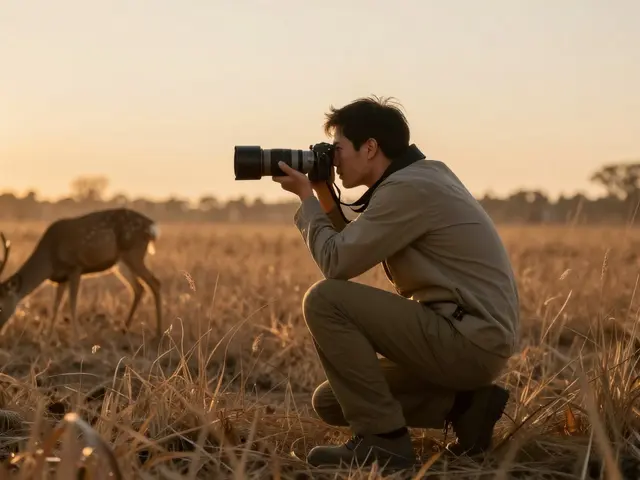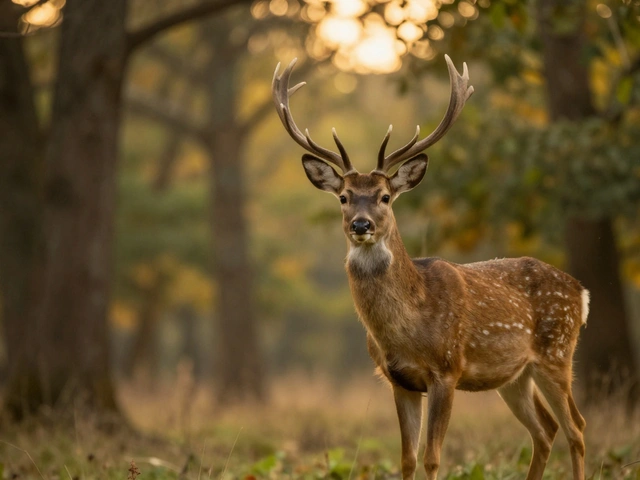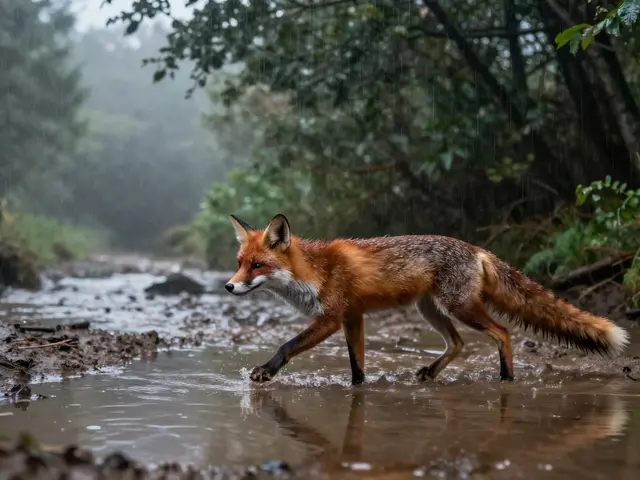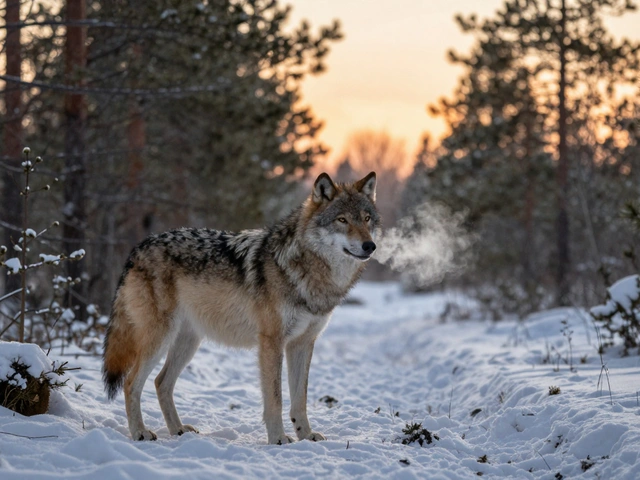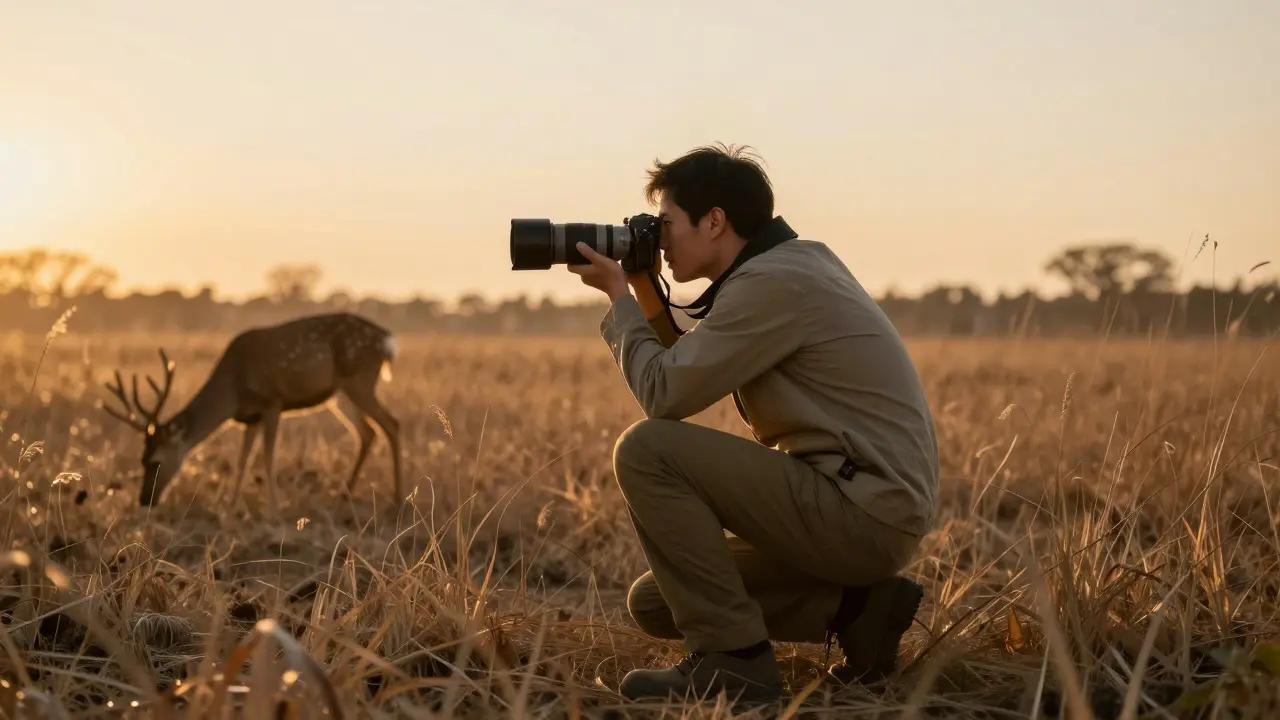
Most photographers think the secret to a great wildlife shot is a faster shutter speed or a longer lens. But if you spend enough time in the field, you’ll realize the real weapon is your ability to sit still and watch. Wildlife photography is a genre that relies heavily on anticipating animal actions rather than reacting to them. It’s less about pressing the button and more about understanding what an animal is about to do before it happens. When you remove the guesswork, your hit rate skyrockets. You stop chasing moments and start capturing them. This approach transforms you from a passive observer into a strategic partner with the subject. Let’s break down how to build this skill set, starting with the mindset shift required to truly see what’s happening in front of you.
The Shift from Reaction to Anticipation
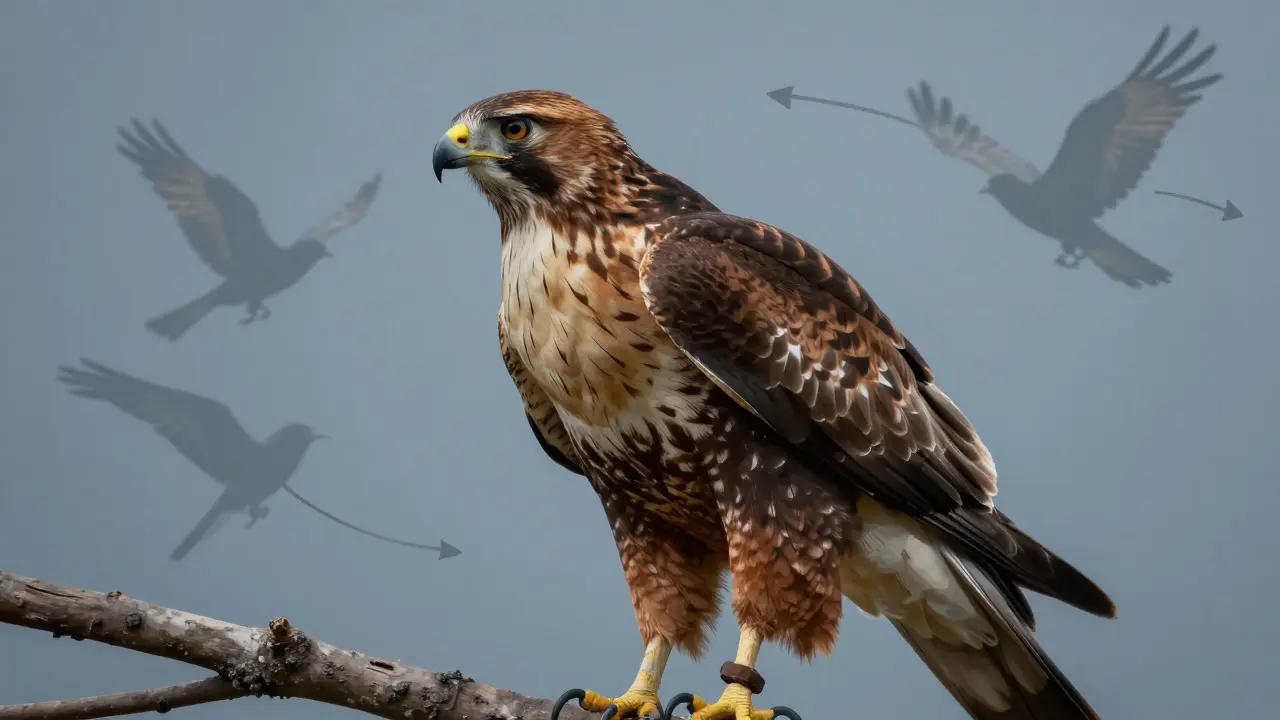
Beginners often wait for the action to start. They see a bird moving and frantically adjust their focus. By the time they lock onto the subject, the bird has already flown away. Professionals work differently. They predict the sequence of events. If a hawk is perched on a branch, they don’t just wait for it to fly; they watch its head movements, the tension in its legs, and the direction of its gaze.
This predictive layer is where Behavioral anticipation is the cognitive process of predicting future animal actions based on current visual cues. It requires you to read subtle signals that most people miss entirely. For example, a cat dilating its pupils isn’t just looking at something; it’s preparing to pounce. A dog tucking its tail isn’t just being shy; it’s signaling submission or fear. When you learn these universal body language codes, you can be ready before the muscle twitches.
- Head orientation: Animals usually look toward their next move. Track the eyes first.
- Muscle tension: Tightened muscles indicate imminent action. Relaxed limbs mean rest.
- Ear position: Ears pinned back signal aggression or fear; ears forward signal curiosity.
Reading the Environment as a Trigger
Animals don’t act in a vacuum. Their behavior is dictated by their environment. Wind, light, temperature, and nearby threats all play a role. A photographer who ignores these factors is missing half the puzzle. Consider how wind affects birds. Gulls often turn their backs to strong winds to conserve energy. If you know the wind is coming from the north, you can bet they will face south. That’s a free composition cue and a behavioral prediction rolled into one.
Light also drives activity patterns. Many mammals are crepuscular, meaning they are most active during dawn and dusk. If you’re photographing deer, setting up an hour before sunrise gives you the best chance of seeing them feeding. Waiting until midday means you’ll likely only see shadows. Understanding these biological rhythms allows you to plan your shoot around peak activity windows rather than hoping for luck.
| Environmental Factor | Typical Animal Response | Photographic Opportunity |
|---|---|---|
| Rising Sun (Dawn) | Increased foraging activity | Soft backlighting, active subjects |
| Strong Wind | Birds orient against wind | Predictable positioning, dramatic fur/feather movement |
| Sudden Silence | Alertness, freezing behavior | Close-up portraits, intense eye contact |
| Low Humidity | Reptiles bask more aggressively | Vivid colors, sharp details in dry conditions |
The Discipline of Stillness
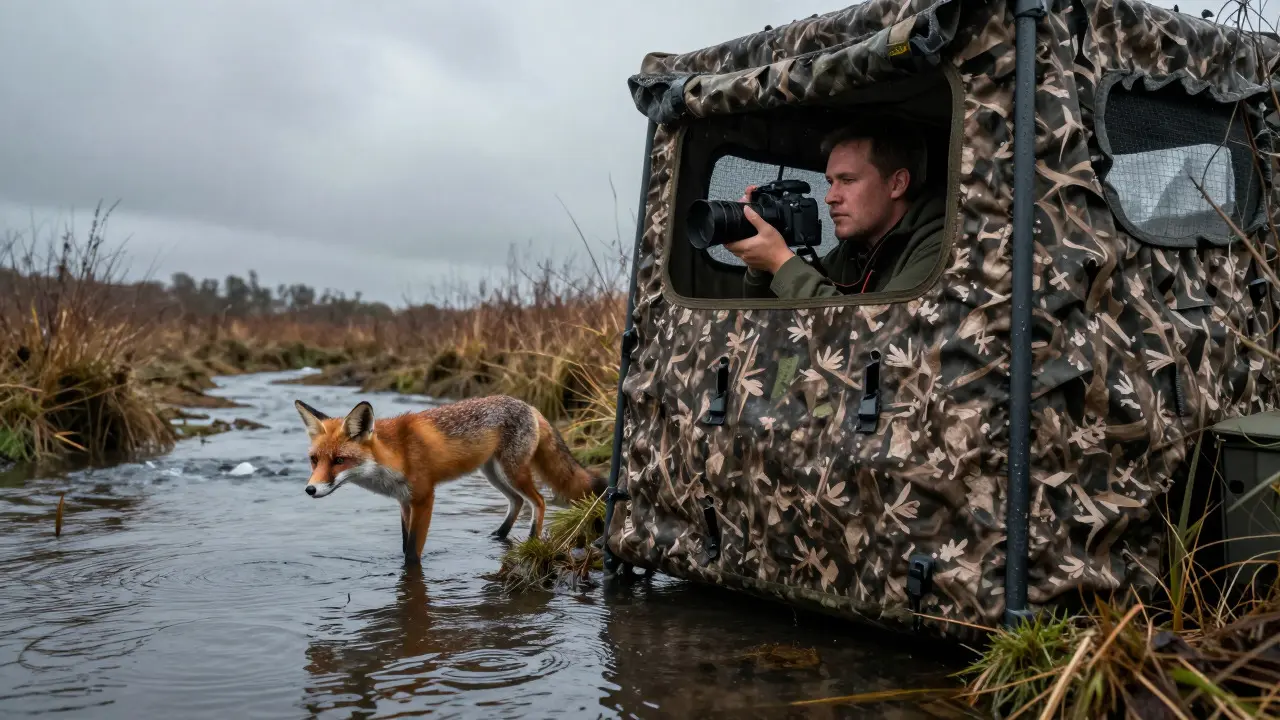
Patience sounds simple, but it’s physically demanding. Sitting motionless for hours while bugs crawl over you and your back aches is not easy. Yet, movement is the enemy of wildlife photography. Even a slight shift in your posture can spook a sensitive species. This is why many pros use hides or blinds. These structures allow you to remain invisible, reducing the stress on both you and the animal.
If you don’t have a hide, practice blending in. Wear muted colors that match the background. Move slowly. Breathe deeply to calm your own nervous system. Your heart rate affects your hands; if you’re anxious, your shots will be shaky. Meditation or deep breathing exercises can help maintain that necessary calm. Think of it as mental conditioning. The better you control your internal state, the better you can observe external states.
Technical Setup for Predictive Shooting
Your camera settings should support your observational skills, not hinder them. When you anticipate a moment, you need to be ready to fire instantly. This means using continuous autofocus modes and high-speed burst shooting. Manual focus is rarely practical for fast-moving subjects unless you are extremely close and the subject is predictable.
Consider your focal length carefully. A long telephoto lens, like a 400mm or 600mm, gives you distance, which keeps animals relaxed. However, it also narrows your depth of field. This forces you to be precise with your focus point. Many photographers prefer focusing on the eyes manually when possible, then switching to auto for tracking. Hybrid approaches often yield the best results. Ensure your battery life is sufficient, as waiting for hours drains power even when not shooting.
- Focus Mode: Use AI Servo (Canon) or AF-C (Nikon/Sony) for moving subjects.
- Shutter Speed: Minimum 1/1000s for birds in flight; 1/500s for land animals.
- Aperature: Shoot wide open (f/2.8 - f/4) to isolate the subject and ensure fast focus speeds.
Building a Personal Field Journal
Memory is unreliable. What seemed obvious yesterday might be forgotten next week. Keeping a field journal helps you track patterns. Note the time of day, weather conditions, and specific behaviors you observed. Over months, you’ll start to see trends. Maybe you notice that foxes appear near the stream only after rain. Or that certain butterflies emerge only when the temperature hits 70°F. This data becomes your personal encyclopedia of local wildlife habits.
Digital tools can assist here too. Apps that log GPS locations and timestamps make it easy to revisit spots under similar conditions. Combining digital logs with handwritten notes creates a robust system. The goal isn’t just to remember where to go, but to understand *why* animals behave a certain way in specific places. This depth of knowledge separates casual shooters from dedicated wildlife artists.
Common Pitfalls to Avoid
Even experienced photographers fall into traps. One common mistake is getting too close. Just because you *can* get close doesn’t mean you *should*. Intruding on an animal’s personal space changes its natural behavior. You might get a photo, but it won’t be authentic. Respect the rule of thumb: if the animal changes its behavior because you are there, you are too close.
Another pitfall is ignoring the story. A perfect technical shot of a sleeping bear is nice, but a slightly softer image of a mother bear teaching her cub to fish tells a much stronger story. Look for interactions. Predators and prey, parents and offspring, social groups. These dynamic elements add emotional weight to your images. Don’t just capture the animal; capture the life happening around it.
Frequently Asked Questions
How long should I wait for a good wildlife shot?
There is no fixed time. Some shots happen in minutes, others require days of waiting. The key is to assess the probability of success based on environmental conditions. If conditions are ideal, wait longer. If it’s windy or dark, consider moving to a different location or time slot.
Do I need expensive gear to practice patience in wildlife photography?
No. While a good telephoto lens helps, patience is a skill, not a hardware feature. You can practice observing behavior with any camera, even a smartphone. Focus on learning body language and timing before investing in specialized equipment.
What is the best time of day for observing animal behavior?
Dawn and dusk are generally the best times. Most mammals are crepuscular, meaning they are most active during twilight hours. Birds are also very vocal and active during these periods. Mid-day is often too hot for many species, leading to less activity.
How can I tell if an animal is stressed by my presence?
Look for signs like rapid breathing, frequent glancing at you, fleeing at short distances, or abandoning food. If the animal’s normal routine is disrupted, you are likely too close. Back off slowly and give them space to return to normal behavior.
Is it better to use a hide or shoot openly?
Hides are excellent for skittish species or dangerous animals. They reduce stress and allow for closer proximity without detection. However, shooting openly builds your observational skills faster because you must rely on camouflage and stillness. A mix of both methods provides the most well-rounded experience.