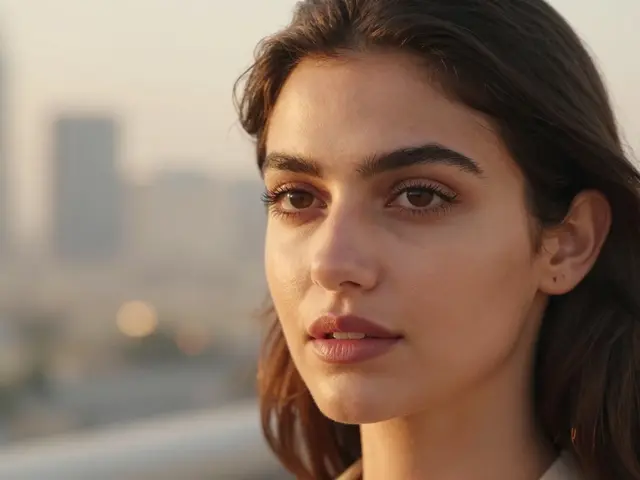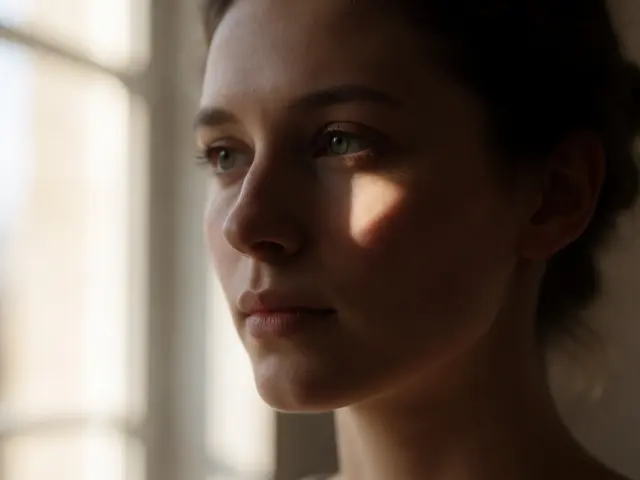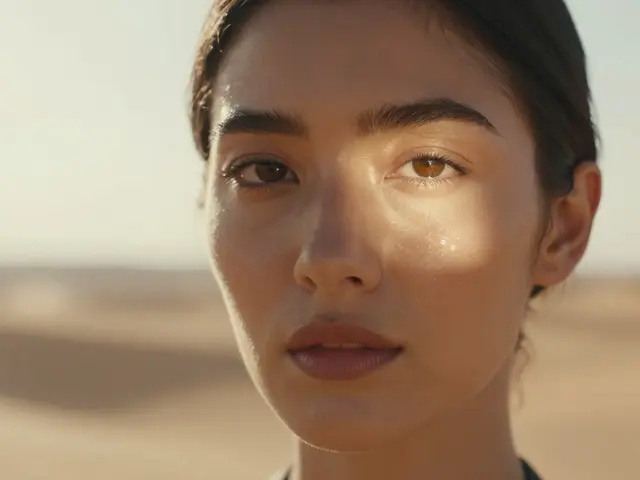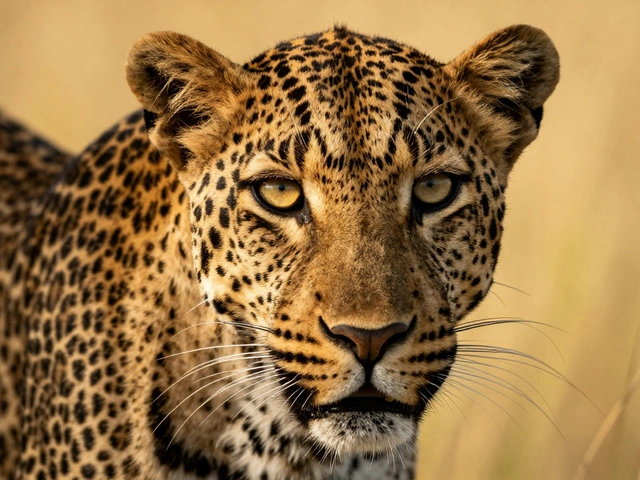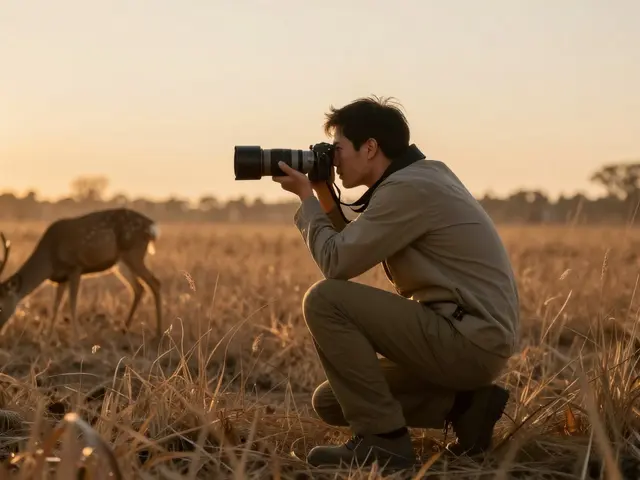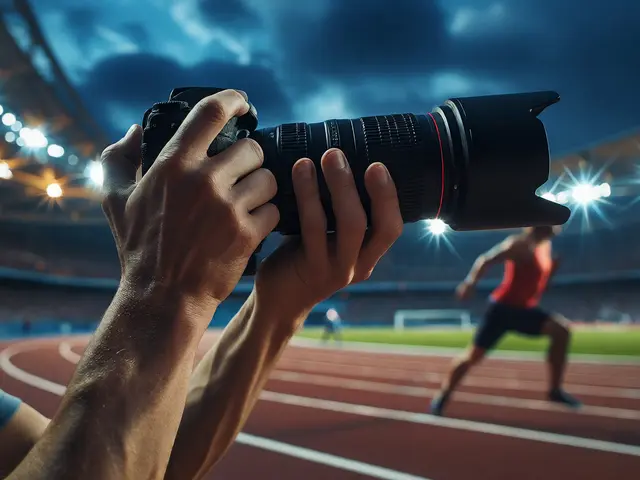
You’ve probably seen those portraits where the background looks impossibly close to the subject, creating a creamy, dreamy blur that makes the person pop. It’s not magic, and it’s not just about having an expensive camera. It’s about lens compression is an optical phenomenon where longer focal lengths make distant objects appear closer to the subject than they actually are. This effect changes how we perceive depth in a photo, turning a busy street into a soft backdrop or making a mountain range look like it’s right behind your model’s head.
But here’s the catch: many photographers confuse this with simple background blur (bokeh). They’re related, but they aren’t the same thing. Bokeh is about out-of-focus quality; compression is about spatial relationships. If you want your portraits to feel intimate, professional, and visually striking, understanding how focal length affects perspective is non-negotiable. Let’s break down why an 85mm lens often beats a 35mm for headshots, and how you can use this knowledge to save your next shoot.
The Myth of "Compression" vs. Perspective Distortion
First, let’s clear up a common misconception. Technically, lenses don’t “compress” space. The camera sensor records what’s there based on distance. However, when you change your focal length, you usually change your shooting distance too. That’s where the magic happens.
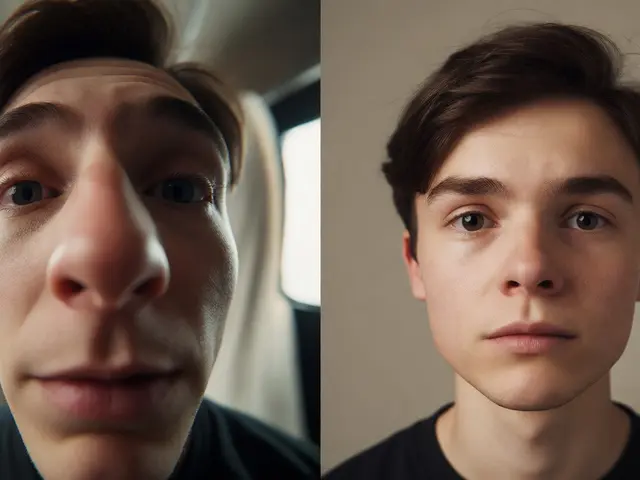
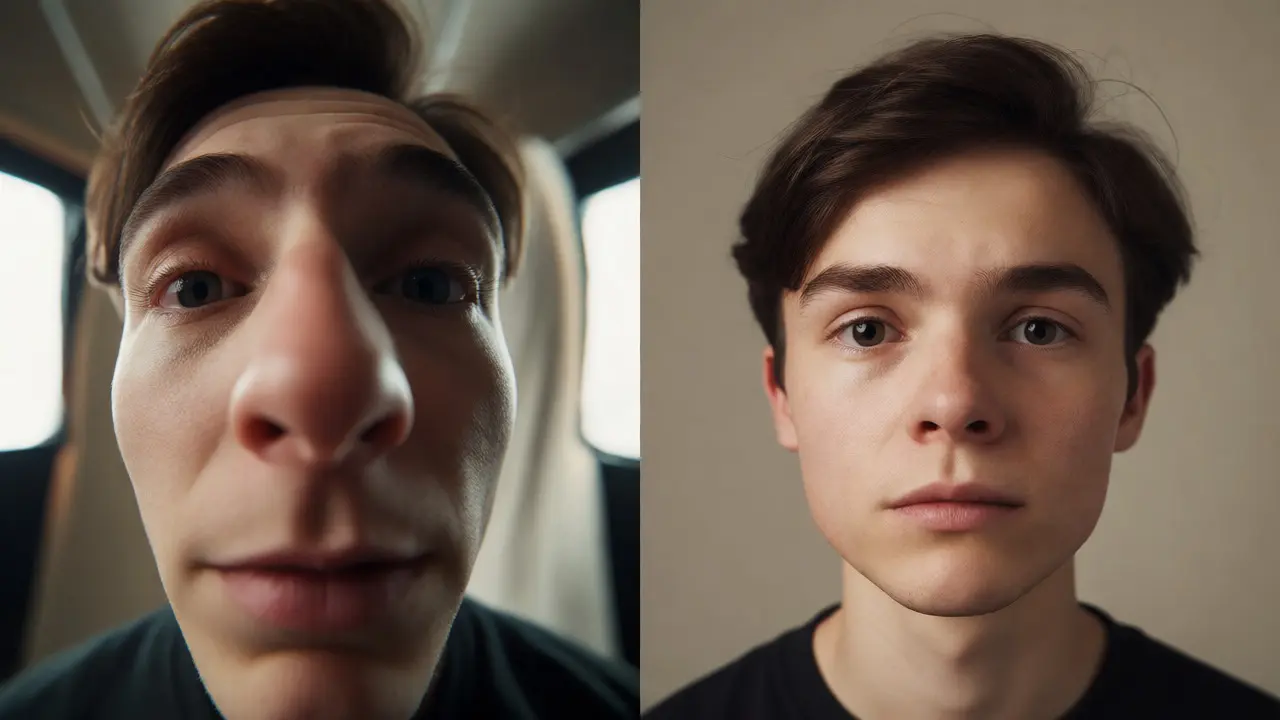
If you stand very close to someone with a wide-angle lens (like 24mm), their nose looks huge because it’s closest to the camera, while their ears recede rapidly into the distance. This is perspective distortion caused by proximity. Now, step back ten feet and zoom in with a 100mm lens. You fill the frame again, but now the nose and ears are nearly the same distance from the lens. The result? A flatter, more proportional face. The background elements, which were far away, now appear larger relative to the subject because you’re cropping into them tightly. That visual tightening is what we call compression.
So, it’s not the lens squeezing the image; it’s the combination of increased working distance and narrow angle of view. This distinction matters because if you try to replicate the look by standing close with a long lens, you’ll get distortion instead of compression. Distance is key.
Why Longer Focal Lengths Are More Flattering
Human faces have three-dimensional features. When you photograph them from too close, you exaggerate these dimensions. A wide-angle lens distorts facial proportions, making foreheads broader and noses longer. For most people, this isn’t a flattering look. Unless you’re going for a specific artistic caricature, you generally want natural proportions.
Longer focal lengths, typically starting around 85mm and extending to 200mm, minimize this distortion. By forcing you to stand further back, they flatten the facial plane slightly, reducing the apparent size of the nose and bringing the ears forward. This creates a balanced, harmonious look that viewers instinctively find attractive. It’s why 85mm f/1.8 lenses are legendary among portrait shooters-they hit the sweet spot between manageable working distance and optimal facial rendering.
There’s also a psychological component. Wider angles feel dynamic and immersive, pulling the viewer into the environment. Longer angles feel detached and observational, focusing attention entirely on the subject’s expression. For formal portraits, headshots, and beauty shots, this focus is exactly what you need.
Choosing the Right Focal Length for Your Style
Not all long lenses are created equal. Each range offers a different vibe and practical trade-off. Here’s how to pick the right tool for the job:
| Focal Length | Best Use Case | Effect on Background | Working Distance |
|---|---|---|---|
| 50mm | Environmental Portraits | Moderate context retained | Close (3-6 ft) |
| 85mm | Headshots & Couples | Softly blurred, recognizable shapes | Medium (6-10 ft) |
| 135mm | Beauty & Editorial | Strong isolation, creamy bokeh | Far (10-15 ft) |
| 200mm+ | Candid & Sports Portraits | Extreme compression, abstract backgrounds | Very Far (20+ ft) |
A 50mm lens is versatile but doesn’t offer strong compression. It’s great if you want to show the subject within their environment, like a musician in their studio. Move up to 85mm, and you start seeing significant separation. The background blurs, but details remain somewhat legible. This is ideal for corporate headshots where you want professionalism without losing context entirely.
Jump to 135mm or 200mm, and things get dramatic. At 200mm, a tree fifty feet behind your subject might look like it’s only five feet away. This is perfect for isolating subjects in cluttered environments. However, be warned: extreme compression can make backgrounds look unnatural or flat. Use it sparingly if you want realism.
Mastering Aperture and Depth of Field
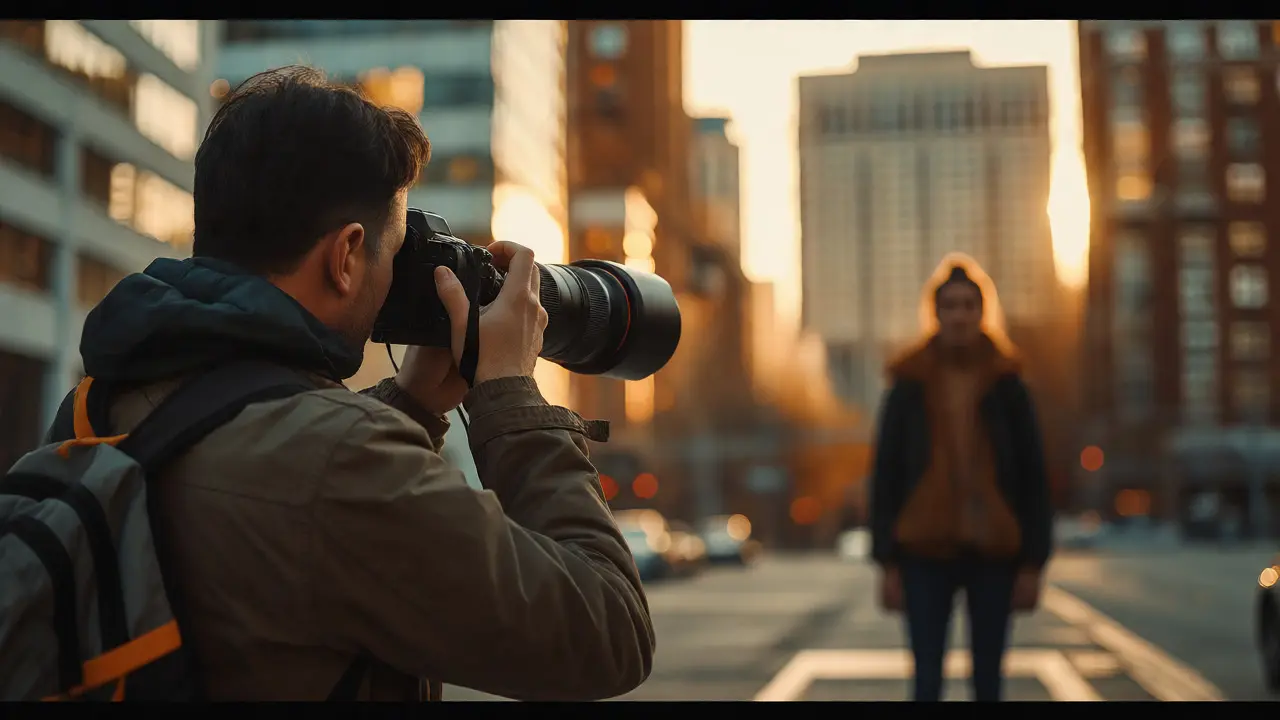
While focal length drives compression, aperture controls how much of the scene is in focus. These two work together to create the final image. A wide aperture (low f-number, like f/1.4 or f/2.8) combined with a long focal length maximizes background blur. This enhances the sense of separation, making the subject look like they’re floating in front of the background.
However, don’t rely solely on wide apertures. Sometimes, stopping down to f/4 or f/5.6 preserves enough background detail to tell a story while still providing pleasing compression. For example, if you’re photographing a couple against a city skyline, you might want the buildings visible but soft. An 85mm at f/4 gives you compression without erasing the location entirely.
Also, consider sensor size. On a full-frame camera, an 85mm lens provides a certain field of view. On an APS-C crop sensor, that same lens acts like a 130mm lens, offering even more compression and reach. If you’re using a crop body, you might find that a 50mm lens behaves like a classic 85mm portrait lens, giving you great results without needing heavy glass.
Practical Tips for Shooting Compressed Portraits
Knowing the theory is one thing; executing it in the field is another. Here are some actionable tips to improve your compressed portraits immediately.
- Mind Your Working Distance: Long lenses require space. Ensure you have enough room to step back. In tight indoor spaces, a 50mm or 85mm might be your limit. Don’t force a 200mm if you’re bumping into walls.
- Watch for Camera Shake: Longer focal lengths magnify movement. Even slight hand tremors become noticeable. Use a faster shutter speed rule: divide 1 by your focal length (e.g., 1/100s for a 100mm lens) as a minimum. Image stabilization helps, but technique matters more.
- Be Mindful of Focus Accuracy: With shallow depth of field at long focal lengths, missing focus by millimeters ruins the shot. Always focus on the eye closest to the camera. Use single-point autofocus rather than auto-area modes to ensure precision.
- Engage Your Subject: Standing far away can make communication harder. Shout less, gesture more. Use a wireless trigger or talk via walkie-talkies if necessary. Keep the mood light to avoid stiff poses.
- Check the Background Before Shooting: Compression brings background elements closer. A distracting pole or trash can might suddenly loom large behind your subject’s head. Scout your location carefully and adjust your position to clean up the frame.
Common Pitfalls to Avoid
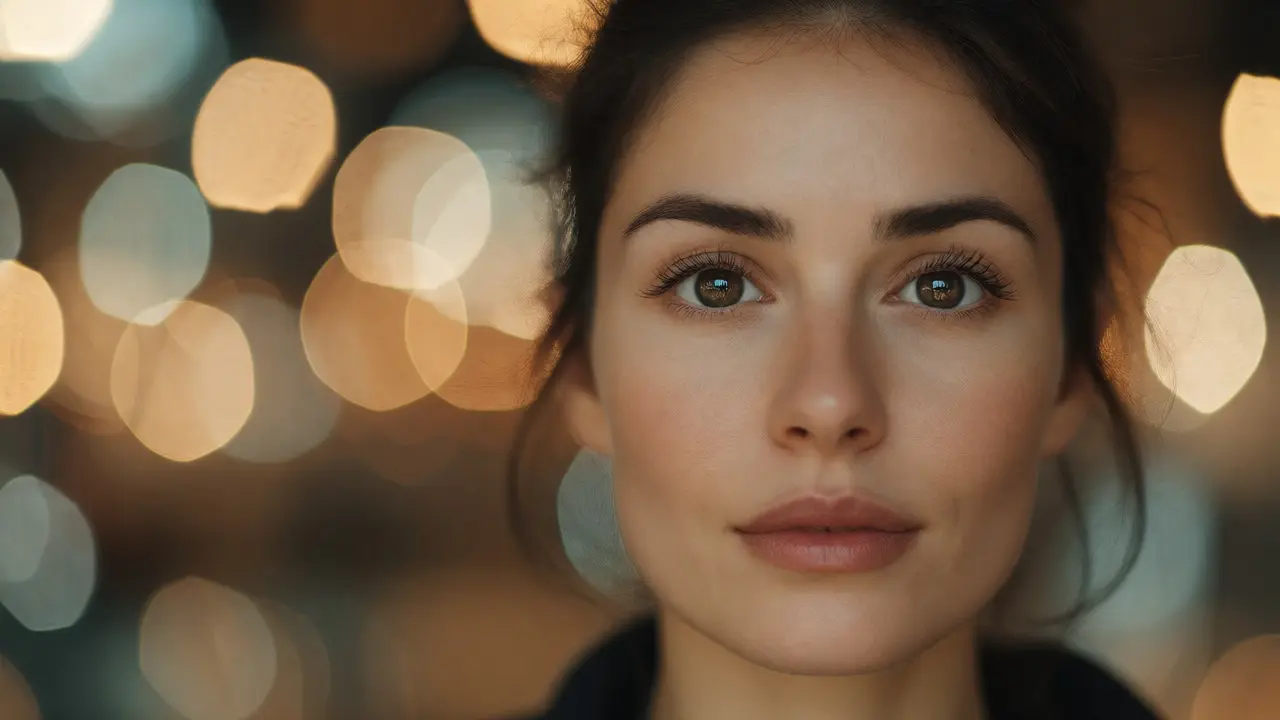
Even experienced shooters fall into traps with long lenses. One major issue is over-compression. While flattering, extreme compression can make landscapes look fake or cramped. If you’re shooting travel portraits, remember that showing some depth adds authenticity. Balance compression with environmental storytelling.
Another pitfall is ignoring light. Long lenses often come with slower maximum apertures compared to fast primes. If you’re shooting indoors with limited light, an f/2.8 zoom might struggle compared to an f/1.8 prime. Consider investing in fast glass if low-light performance is critical for your style.
Finally, don’t forget about post-processing. Compression reduces contrast between foreground and background due to atmospheric haze. In editing, gently increase local contrast on the subject or use masks to darken the background slightly. This restores punchiness without undoing the optical benefits.
FAQ: Lens Compression and Portrait Photography
Does lens compression affect the sharpness of my portrait?
Not directly. Sharpness depends on lens quality, aperture, and focus accuracy. However, because long lenses often have narrower apertures and require higher shutter speeds to counteract shake, poor technique can lead to softer images. Proper handling ensures crisp results.
Can I achieve lens compression in post-production?
You can simulate it partially by cropping a wide-angle shot, but you lose resolution and cannot replicate the true perspective shift. True compression requires changing the physical distance and focal length during capture. Cropping mimics the framing, not the spatial relationship.
Is an 85mm lens better than a 50mm for portraits?
For traditional headshots and flattering facial proportions, yes. An 85mm lens minimizes distortion better than a 50mm. However, a 50mm is more versatile for environmental portraits where you want to include more of the surroundings. Choose based on whether you prioritize isolation or context.
Why do my backgrounds look blurry with long lenses?
Long focal lengths naturally produce shallower depth of field when framed similarly to wider lenses. Combined with wide apertures, this blurs the background significantly. This effect, known as bokeh, separates the subject from distractions, enhancing the compressed look.
Do crop sensors enhance lens compression?
Yes, indirectly. Crop sensors provide a narrower field of view, effectively acting like a longer lens. To maintain the same framing as a full-frame camera, you must move further back, which increases perspective compression. Additionally, depth of field appears deeper, so you may need wider apertures to match full-frame blur.