Ever stood in front of a camera and felt like your legs were made of jelly? Or maybe you’ve sat down for a headshot only to feel hunched over like a question mark? The choice between sitting and standing isn’t just about furniture; it’s the single biggest lever you have to control how your body looks on camera. One position can make you look taller and more energetic, while the other can soften your features and add a sense of calm authority. Getting this right changes everything.
Most people default to standing because it feels "normal." But if you have specific physical concerns-whether it's a belly you want to hide, knees that don't bend easily, or a posture that slumps under stress-the wrong pose will amplify those issues. The right one masks them. This guide breaks down exactly when to sit, when to stand, and how to tweak each position so you look your best without breaking a sweat.
The Physics of Standing Poses
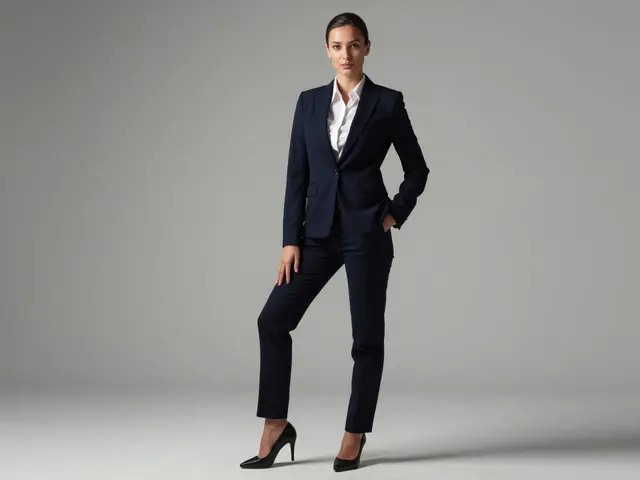
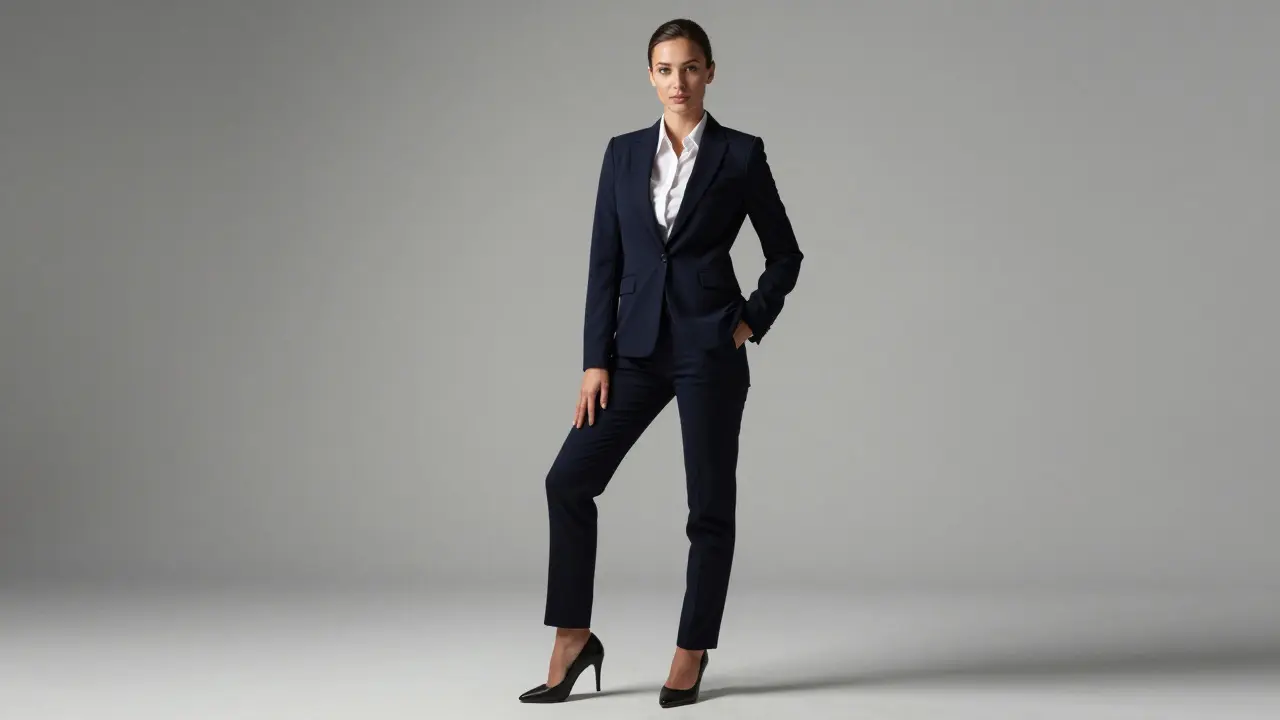
Standing Portraits are full-body or three-quarter shots where the subject is upright, typically used to convey energy, confidence, and stature. When you stand, gravity works against you. Your weight tends to sink into your heels, causing your lower back to arch and your stomach to push forward. To fix this, you need to shift your center of gravity.
Here is the golden rule for standing: never put your feet parallel to the camera. Instead, place one foot slightly behind the other, with the heel of the rear foot lifted off the ground. This simple adjustment creates a triangle shape with your legs, which visually narrows your hips and lengthens your torso. If you are wearing trousers, ensure they break correctly at the shoe-if they pool at the ankles, you look shorter than you are.
Your arms also matter. Hanging them straight down makes you look stiff and boxy. Bend your elbows slightly and let your hands rest gently against your thighs or tuck one hand into a pocket. This small bend adds a curve to your silhouette, breaking up the rigid vertical lines. For a more dynamic look, cross your arms loosely, but keep the top arm relaxed rather than clenched tight, which can signal defensiveness.
The Art of Seated Compositions
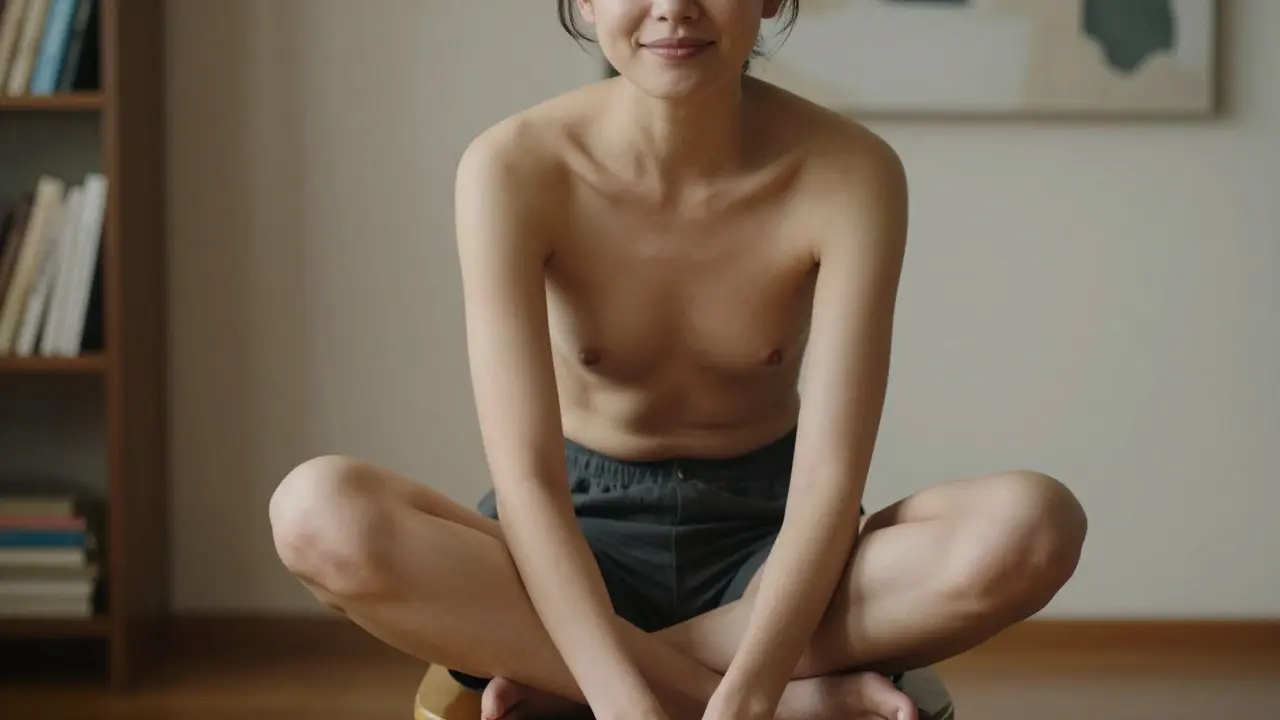
Seated Portraits are photographic compositions where the subject is positioned on a chair or stool, often used to create intimacy, relax tension, or accommodate mobility issues. Sitting offers stability, but it introduces new challenges. The most common mistake is slumping. If you sink into a soft sofa, your spine curves, and your shoulders roll forward, making your neck look shorter and your face appear wider.
To counteract this, choose a hard-backed chair or a stool without arms. Sit on the edge of the seat, not deep in the middle. This forces your core to engage slightly, keeping your spine straight without feeling like you're marching. Lean your upper body forward just an inch or two toward the lens. This subtle movement engages your facial muscles, opens up your chest, and creates a flattering angle that hides any slight stoop in the natural posture.
Leg positioning in seated shots is crucial for hiding bulk. Crossing your legs at the ankle is safe and elegant, but crossing at the knee can be risky if you have larger thighs, as it can create awkward gaps or shadows. A safer alternative is placing both feet flat on the floor, shoulder-width apart, with your knees slightly bent. This grounds you and keeps the composition stable. If you are wearing a dress, ensure the fabric doesn't bunch up at the waist; smooth it out before the shutter clicks.
Choosing Based on Body Type and Goal
There is no one-size-fits-all answer, but certain poses flatter specific body shapes better. If you are tall and lean, standing poses usually work in your favor. They emphasize your height and allow you to use long limbs to create interesting angles. However, if you feel too angular, a seated pose can soften your edges by adding horizontal lines to the frame.
If you carry weight in the midsection, standing with a slight twist of the torso away from the camera can create a diagonal line that breaks up the roundness. Sitting might actually highlight a belly if you slump, but if you sit upright and lean forward, it can be very forgiving. For shorter individuals, standing poses are generally preferred because they avoid cutting off the legs or compressing the vertical space. If you must sit, ensure the camera is at eye level or slightly above, never below, to prevent the perspective from exaggerating your size.
| Feature | Standing Pose | Seated Pose |
|---|---|---|
| Primary Vibe | Confident, Energetic, Authoritative | Relaxed, Intimate, Approachable |
| Best For | Tall subjects, Full-length fashion, Corporate headshots | Older subjects, Casual sessions, Hiding lower body bulk |
| Common Pitfall | Weight in heels causing back arch | Slumping forward causing neck shortening |
| Key Fix | Lift rear heel, shift weight to front foot | Sit on edge, lean slightly forward |
| Camera Angle | Eye level or slightly below for power | Eye level or slightly above for flattery |
Managing Comfort and Fatigue
Let’s be honest: holding a perfect pose for ten minutes is exhausting. If you are doing a long session, alternating between standing and sitting is essential. Standing requires constant micro-adjustments to maintain balance, which leads to muscle fatigue in the calves and lower back. Sitting, conversely, can cause stiffness in the hips if you stay static too long.
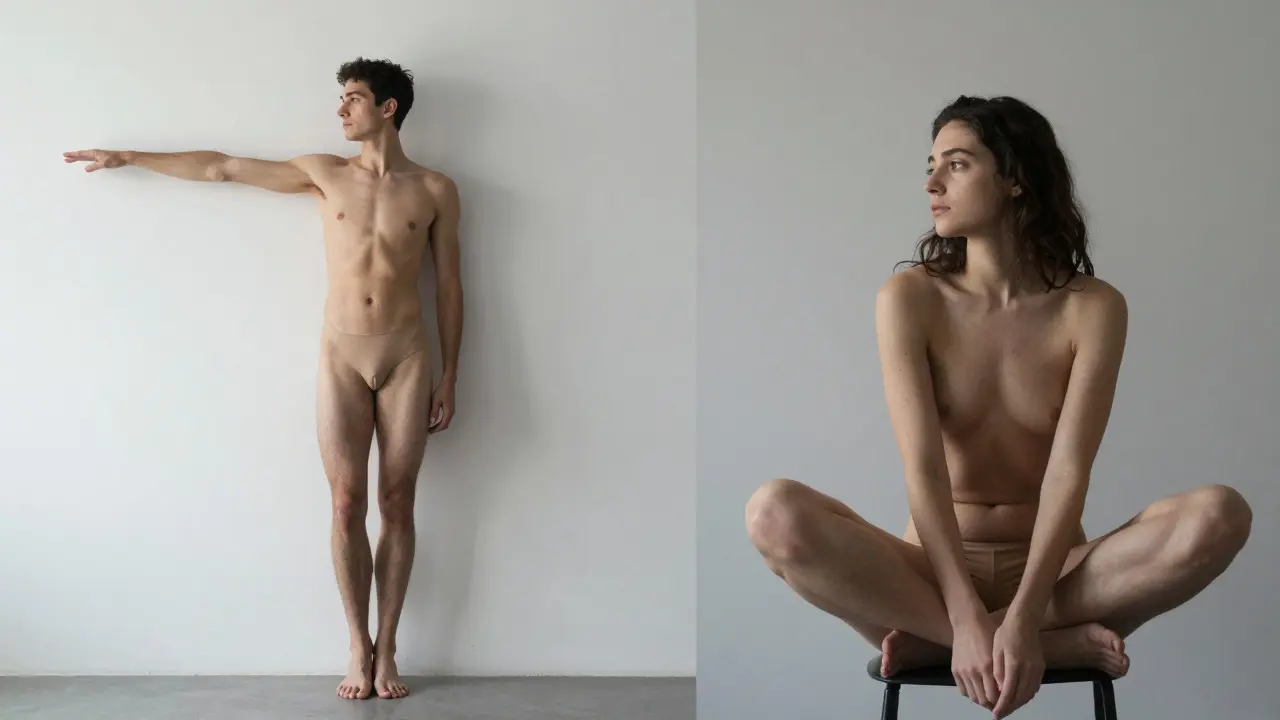
Use props to your advantage. A chair isn’t just for sitting; you can stand next to it and rest one hand on the backrest. This gives your arm a place to go and provides a structural anchor for your pose. Similarly, leaning against a wall while standing can support your posture if you are struggling to hold yourself up straight. These small supports reduce the cognitive load of "holding" the pose, allowing you to focus on your expression instead.
Hydration and breathing also play a role. Tension shows in the jaw and shoulders. Before each shot, take a deep breath and drop your shoulders. If you are standing, wiggle your toes to release tension in your feet. If you are sitting, stretch your hamstrings discreetly. Comfort translates directly to confidence in the final image. If you look uncomfortable, the viewer will feel it, even if they can't pinpoint why.
Lighting and Background Considerations
Your pose interacts with the environment. In a standing pose, you occupy more vertical space, so be mindful of background clutter at head height. A messy shelf or a distracting pattern behind your head can ruin an otherwise great shot. Keep the background clean and simple, especially if you are wearing light-colored clothing that blends into the backdrop.
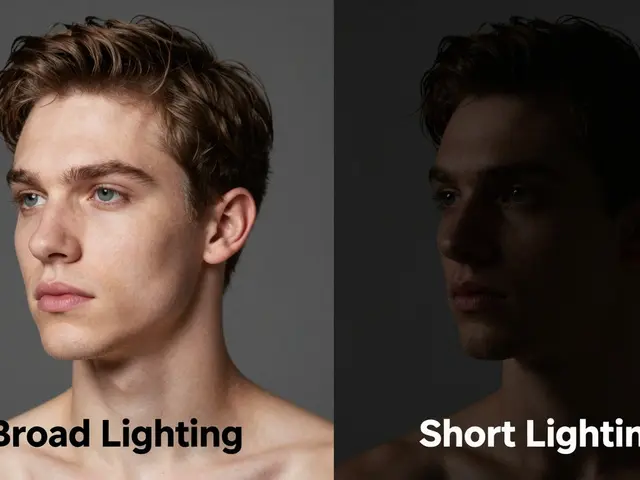
In seated poses, the background is less critical because your frame is smaller. This allows you to use more textured or detailed backgrounds without overwhelming the subject. Lighting also behaves differently. Standing exposes more of your profile to side lighting, which can create dramatic shadows. Sitting often places you in a more controlled central light source, resulting in softer, more even illumination. If you have strong facial features that you want to soften, seated poses with diffused frontal light are ideal. If you want to emphasize structure and definition, standing poses with directional side light work better.
Practical Tips for Different Scenarios
For corporate headshots, standing is usually the standard because it conveys professionalism and presence. However, if the client has mobility issues or simply prefers a more casual vibe, a seated pose on a high stool can work well. Just ensure the stool is sturdy and the seat height allows for a straight spine.
- For Couples: Avoid mirroring each other perfectly. Have one person standing and the other sitting, or have both standing with one leaning in. This creates depth and interaction.
- For Families: Mix it up. Put the adults standing and the children sitting on their laps or on low stools. This balances the heights and keeps everyone engaged.
- For Solo Creative Portraits: Experiment with asymmetry. Stand with one foot on a low step or prop. Sit with one leg crossed and the other extended. Break the symmetry to add visual interest.
Always check your reflection in a mirror if possible. What looks good in your mind might look different in reality. Pay attention to how your clothes hang and how your hair falls. Small adjustments here save time during the shoot. And remember, the best pose is the one that makes you feel like yourself. If you are contorting yourself to fit a mold, it will show. Relax, breathe, and let your natural personality shine through the frame.
Which pose makes you look thinner?
Generally, standing with a slight twist of the torso away from the camera creates a diagonal line that slims the waist. Sitting can also slim you if you sit upright and lean forward, but slumping will do the opposite. Avoid sitting with your legs spread wide, as this widens the hip area visually.
Is it okay to lean against a wall for a portrait?
Yes, leaning against a wall is a classic technique. It provides support for your posture and adds a casual, relaxed feel to the image. Just make sure the wall is clean and free of distractions. Place your weight on one leg and let the other leg extend slightly outward to create a triangle shape.
How should I position my hands when standing?
Avoid hanging your arms straight down. Instead, bend your elbows slightly and rest your hands against your thighs, tuck them into pockets, or clasp them lightly in front. This creates curves in your silhouette and prevents your arms from looking detached from your body.
What is the best chair for seated portraits?
A hard-backed chair or a stool without arms is best. Soft sofas encourage slumping, and armrests can restrict your ability to lean forward or adjust your posture. You want a seat that encourages an upright spine and allows for easy movement of your upper body.
Can I mix standing and sitting in one photo?
Absolutely. Mixing positions adds depth and interest to the composition. For example, in a couple's portrait, having one person standing and the other sitting creates a dynamic hierarchy and interaction. Just ensure the lighting works for both subjects and that the framing accommodates both heights comfortably.