There is a persistent myth in photography circles that you must always use an odd number of objects to make a photo look "good." It’s a rule so common it feels like gospel. But is it true? Not really. The real secret isn't about whether three is better than two or four is worse than five. It’s about how those numbers affect the viewer's eye and the emotional tone of your image.
When you place objects on a table, you aren't just arranging items; you are creating a rhythm. An odd number of elements typically creates movement and energy, while an even number suggests stability and order. Understanding this distinction allows you to choose the count that matches the story you want to tell, rather than blindly following a formula.
The Psychology of Numbers in Visual Composition
Humans process visual information quickly. When we see a group of objects, our brains try to categorize them instantly. This cognitive shortcut influences how we feel about an image before we even consciously analyze the details.
- Odd Numbers (1, 3, 5): These groups feel dynamic. Because there is no clear center of symmetry, the eye has to move around the frame to find balance. This creates a sense of activity and naturalism.
- Even Numbers (2, 4, 6): These groups feel static. They often pair up or form grids, leading to a sense of calm, precision, and control.
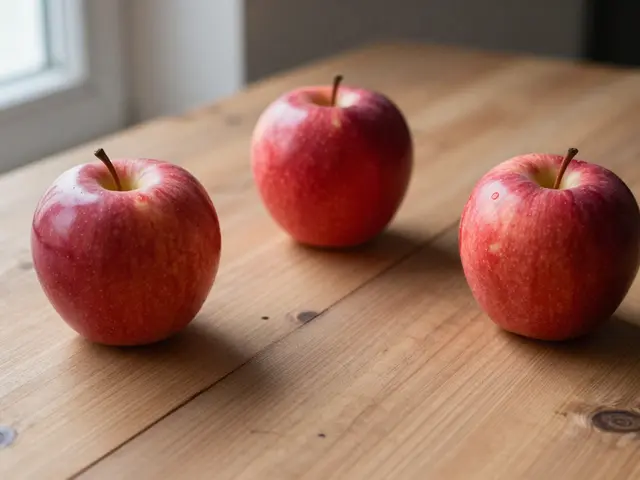
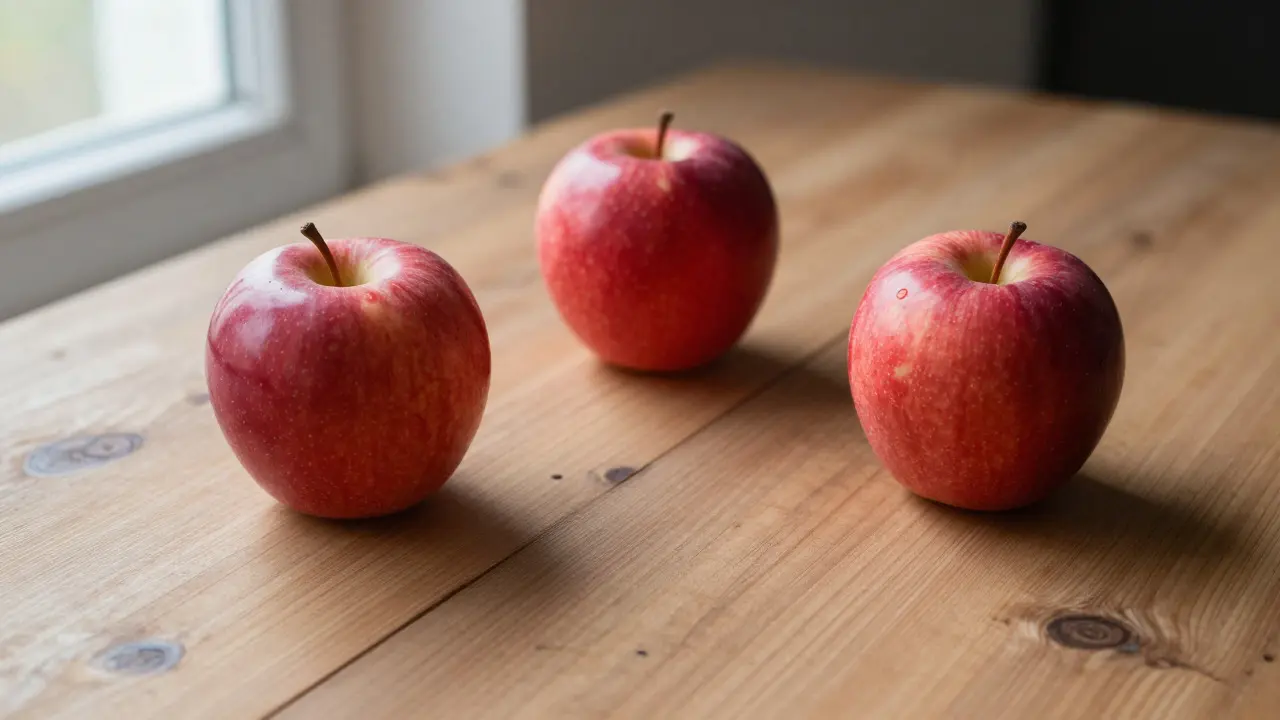
Consider a simple arrangement of apples. If you place three apples, the viewer’s eye might bounce from one to the next, creating a triangle of attention. If you place four, they might form a square or a line, anchoring the viewer’s gaze in a more predictable path. Neither is wrong; they just serve different moods.
Why Odd Numbers Feel Natural
In nature, things rarely come in perfect pairs. You don’t usually see exactly two leaves on a branch or four petals on a wildflower. This is why odd-numbered compositions often look more organic and less staged. They mimic the randomness of the real world.
For example, if you are photographing a rustic breakfast scene with eggs, using three eggs instead of two or four can make the plate look fuller and more abundant without appearing cluttered. The asymmetry forces the camera to capture negative space differently, often making the subject stand out against the background. This technique is particularly effective in lifestyle photography where authenticity is key.
The Power of Even Numbers for Structure
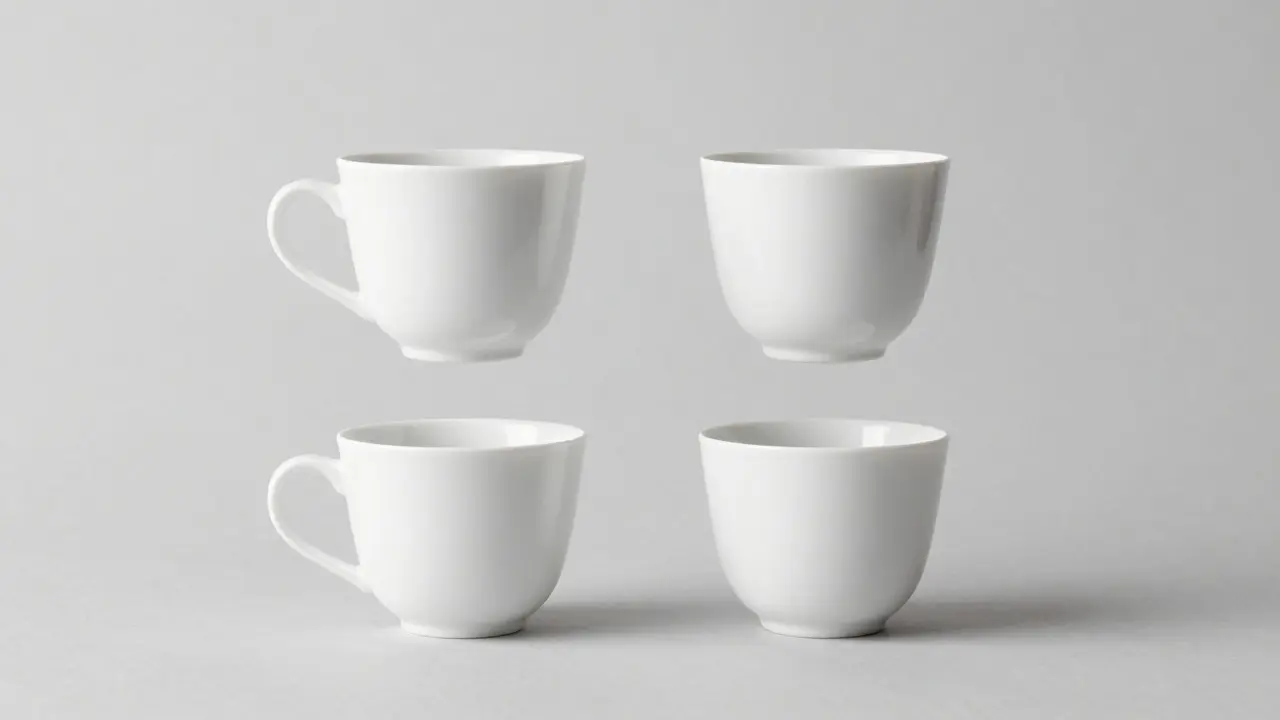
Even numbers shine when you want to convey order, luxury, or minimalism. Think about high-end product photography. A pair of sunglasses or a set of four matching cups looks intentional and polished. The symmetry inherent in even counts reduces visual noise, allowing the texture and color of the objects to take center stage.
If you are shooting a minimalist still life with a single vase and a few stems, adding a second identical vase can transform the image from a casual snapshot into a formal statement. The repetition creates a pattern that satisfies the human desire for predictability. This approach works well for architectural interiors or modern design pieces where clean lines are paramount.
Practical Scenarios: When to Use Which
Choosing between odd and even depends on the specific job the photo needs to do. Here is a quick guide to help you decide based on your subject matter:
| Feature | Odd Number (e.g., 3) | Even Number (e.g., 4) |
|---|---|---|
| Visual Energy | High / Dynamic | Low / Static |
| Emotional Tone | Natural, Casual, Organic | Formal, Balanced, Precise |
| Best For | Food, Flowers, Lifestyle Scenes | Products, Minimalist Design, Pairs |
| Eye Movement | Triangular / Circular | Linear / Grid-based |
Notice how the choice affects not just the object count, but the entire layout. If you have three bottles, you can arrange them in a triangle. If you have four, you can arrange them in a square or a row. The geometry changes the flow of the image entirely.
Common Pitfalls to Avoid
One mistake many photographers make is forcing an odd number when it doesn't fit the scale of the subject. Placing seven tiny berries on a large plate might look sparse, whereas three larger fruits would fill the space better. Always consider the size of the objects relative to the frame.
Another pitfall is ignoring the background. If your background is busy, an even number of objects can help anchor the image by providing strong, distinct shapes. Conversely, if the background is plain, an odd number can add necessary complexity to keep the viewer engaged. Don't let the rule dictate your setup; let the environment inform your choice.
Advanced Techniques: Breaking the Rules
Once you understand the baseline effects of odd and even counts, you can start breaking them for dramatic effect. What happens if you use six objects but hide one partially behind another? Now you have a visual tension between the expected evenness and the actual odd visibility. This technique adds depth and intrigue.
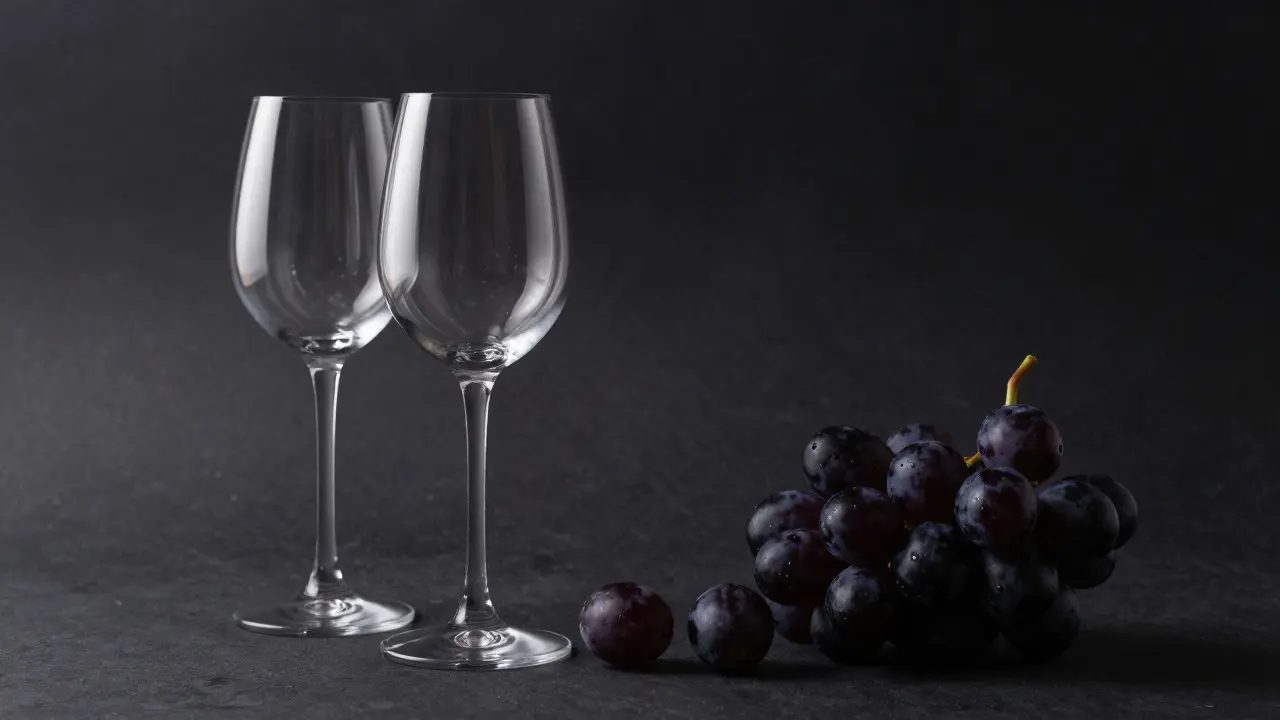
You can also mix counts within a single frame. Imagine a table with a pair of wine glasses (even) and a cluster of three grapes (odd). The contrast between the stable pair and the dynamic trio creates a complex visual narrative. This layering is where true artistic control lies. It shows the viewer that every element was placed with intention, regardless of the total count.
Ultimately, the goal is not to follow a mathematical rule but to manipulate perception. Whether you choose two, three, or ten elements, ask yourself: does this number support the mood I am trying to create? If the answer is yes, you’ve made the right choice.
Is the rule of thirds related to odd/even element counts?
They are related but distinct concepts. The rule of thirds deals with the placement of subjects within the frame grid, while odd/even counts deal with the quantity of objects in the scene. However, placing three objects along the vertical thirds of a frame can enhance the compositional strength of both principles simultaneously.
Can I use a single object (one) as an odd number?
Yes, one is an odd number. A single object creates a powerful focal point and emphasizes isolation or importance. It is the most extreme form of odd-number composition, often used in minimalist photography to highlight texture or shape.
What if my subject naturally comes in pairs, like shoes or eyes?
In this case, stick with the even count. Forcing an odd number by adding a third unrelated object can distract from the main subject. Instead, focus on the symmetry or slight asymmetry within the pair itself to create interest.
Does the color of the objects affect the odd/even rule?
Color can influence perceived weight. If you have three objects, but two are bright red and one is pale white, the eye may treat the two reds as a dominant unit, effectively creating an even-feeling group despite the odd count. Balance color mass alongside numerical count.
How many elements is too many for a still life?
There is no hard limit, but clarity decreases as complexity increases. Generally, keeping the primary subject count under seven helps maintain visual clarity. If you need more elements, group them visually so they read as a single unit rather than individual items.