You don't need a map to know when a street feels "right." You feel it in your feet as you walk. Maybe the buildings lean in just enough to create a tunnel of light. Maybe the sidewalk pavers guide your eyes toward a distant corner. This is street geometry, defined as the deliberate arrangement of lines, shapes, and patterns in urban environments that structure movement, perception, and visual identity. It is the invisible skeleton of the city.
For candid photographers, this geometry is not just background noise. It is your primary tool for framing human stories. When you understand how architects and planners use triangles, grids, and curves to organize space, you stop taking snapshots and start composing images with intention. You learn to predict where people will walk, where shadows will fall, and how to make a busy intersection look like a quiet portrait.
The Language of Lines: Leading the Eye
In any photograph, lines are the first thing the brain processes. They tell the viewer where to look before they even register the subject. In street photography, these lines come from curb edges, building facades, power lines, and even the alignment of parked cars.
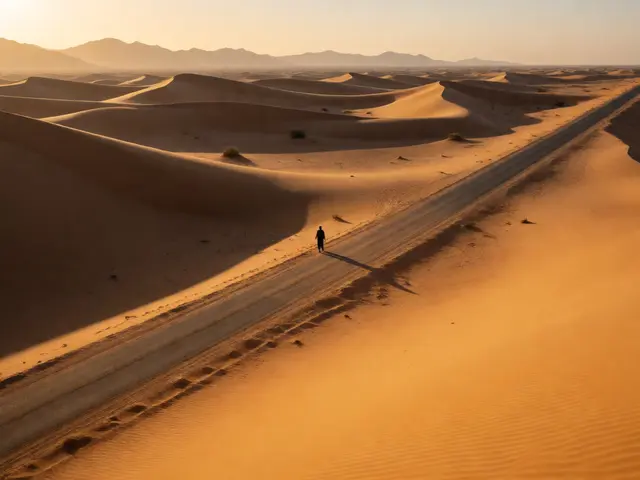
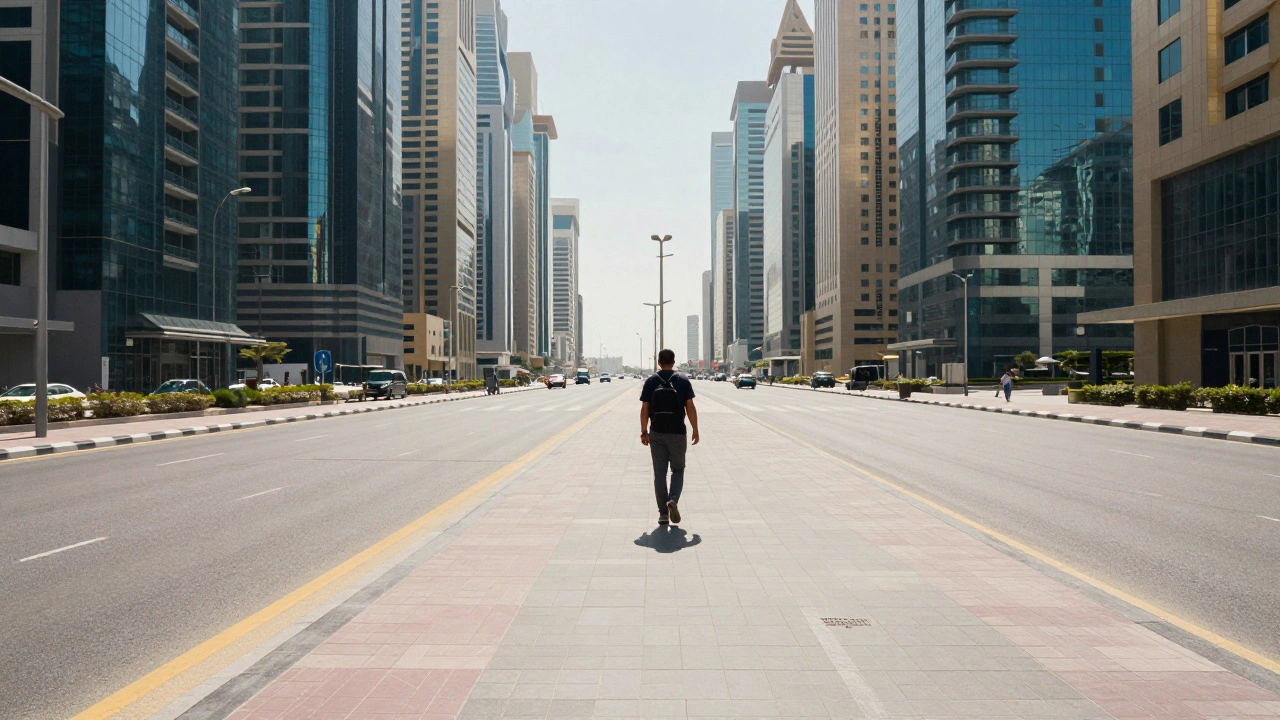
Consider the classic rectilinear grid found in cities like New York or Chicago. These streets run parallel and perpendicular, creating strong horizontal and vertical lines. If you stand at a corner and shoot down the avenue, you create leading lines that pull the eye deep into the frame. A lone pedestrian walking away from you becomes powerful because the converging lines emphasize their isolation or journey.
- Horizontal lines: Sidewalks and curbs suggest stability and calm. Use them to ground your subject.
- Vertical lines: Building columns and windows suggest strength and height. Use them to dwarf or empower your subject.
- Diagonal lines: Crosswalks and sloping roofs create tension and energy. Use them to imply motion.
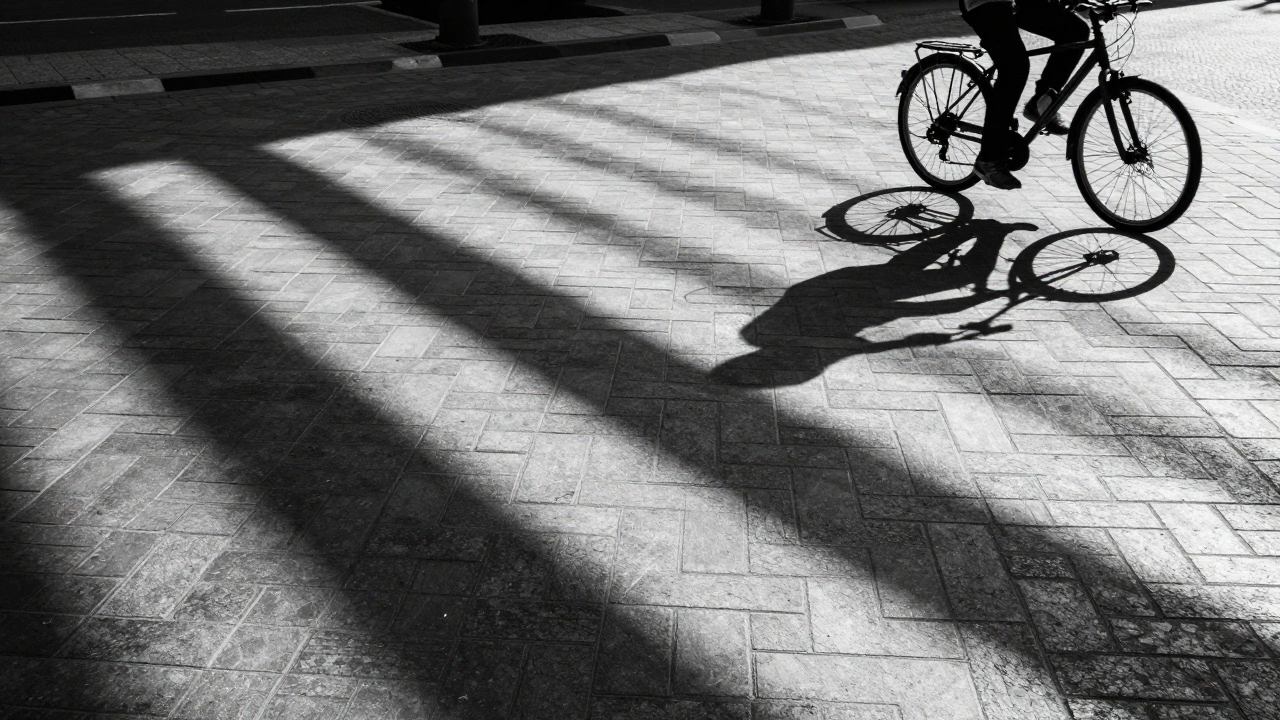
Don't just accept the lines that exist. Create new ones. Wait for a cyclist to cross your frame diagonally, cutting through the rigid grid of the buildings behind them. The contrast between the organic movement of the person and the static geometry of the architecture creates visual interest.
Shapes and Frames: Finding Order in Chaos
Beyond lines, streets are made of shapes. Blocks are rectangles. Plazas are often squares or circles. Intersections form crosses or T-shapes. These geometric forms act as natural frames for your subjects.
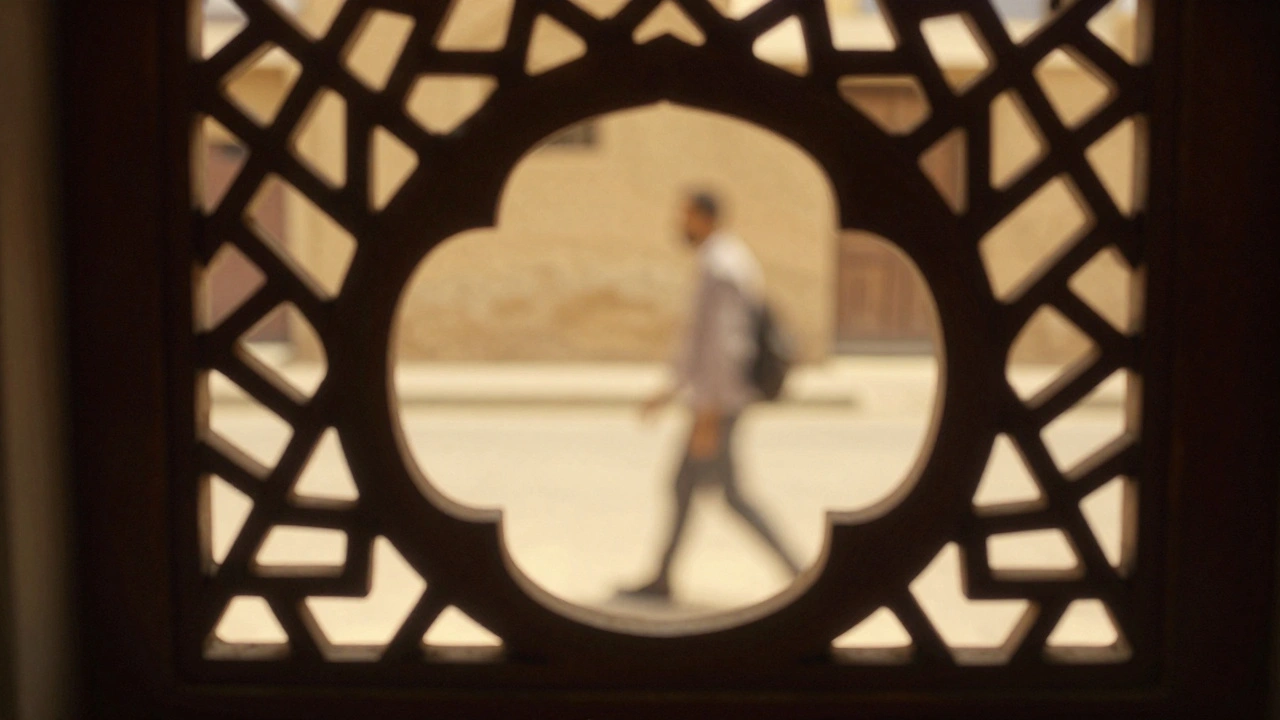
A powerful technique is using architectural openings-doorways, arches, or gaps between buildings-as frames within your photo. This is called a "frame within a frame." It isolates your subject from the surrounding clutter. For example, if you are shooting near an old brick building with large arched windows, wait for someone to pass through the arch. The dark interior of the building contrasts with the bright street, making the person pop out visually.
Pay attention to triangular compositions too. Triangles are dynamic. If you position a subject at the bottom of a triangle formed by two converging buildings and the sky above, the image feels stable yet energetic. This is why many iconic street photos feature subjects positioned near corners where two walls meet at an angle.
| Shape | Visual Effect | Best Used For |
|---|---|---|
| Rectangle/Grid | Order, Stability, Structure | Urban landscapes, solitary figures, symmetry |
| Triangle | Tension, Direction, Dynamism | Action shots, diagonal compositions, depth |
| Circle/Curve | Softness, Continuity, Harmony | Roundabouts, fountains, gentle movements |
| Frame (Arch/Door) | Focus, Isolation, Intimacy | Portraits, emotional moments, storytelling |
Patterns and Rhythm: The Pulse of the City
Cities are repetitive. Windows repeat on facades. Trees line sidewalks at regular intervals. Paving stones create textures underfoot. This repetition creates rhythm. In music, rhythm keeps the beat; in photography, it guides the eye across the image.
Look for patterns in the pavement. Herringbone brickwork, hexagonal tiles, or simple square slabs can add texture to the foreground of your shot. If you place a subject’s feet on a distinct pattern, it anchors them in the scene. Conversely, breaking a pattern creates immediate focus. If ten people are standing in a straight line waiting for a bus, and one person steps out or wears a bright red coat, that disruption becomes the focal point.
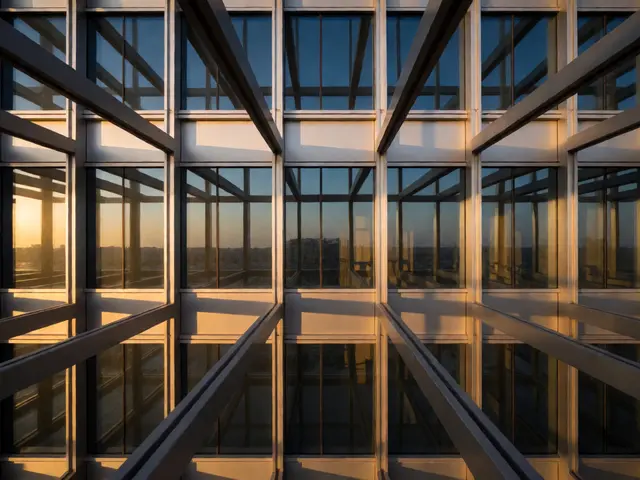
Façade rhythms are equally important. Many modern buildings have bays spaced every 3 to 8 meters. This creates a predictable shadow play throughout the day. Shoot during golden hour when the sun is low, and these rhythmic shadows will stripe the street and the people on it. The interplay of light and dark adds depth and drama without needing post-processing tricks.
Historical Context: Why Cities Look the Way They Do
Understanding the history of street design helps you anticipate geometry. Ancient Greek cities like Miletus used orthogonal grids for efficiency. Baroque planners in Paris and Rome introduced radial avenues that converged on monuments, creating long sightlines perfect for telephoto compression.
When you shoot in a historic district with narrow, winding streets (organic growth), the geometry is irregular. Angles are odd, blocks are trapezoidal. This chaos can be overwhelming, but it also offers unique perspectives. Look for accidental alignments-a window here lining up with a chimney there. These coincidences happen more often in older, less planned neighborhoods.
In contrast, modernist suburbs or planned developments often feature wide boulevards and large setbacks. Here, the challenge is filling the empty space. Use wide-angle lenses to exaggerate the distance and perspective, making the vastness feel intentional rather than barren.
Technical Tips: Capturing Geometry
Your camera settings should support your geometric vision. Keep your horizon level. Nothing ruins a geometric composition faster than a tilted vertical line unless you are going for a specific Dutch angle effect. Use a tripod or stabilize yourself against a wall to ensure sharp lines.
Lens choice matters significantly:
- Wide-angle (24mm-35mm): Exaggerates perspective. Makes foreground elements larger and background lines converge faster. Great for showing the scale of a street canyon.
- Standard (50mm): Mimics human vision. Good for balanced compositions where geometry supports but doesn't dominate the subject.
- Telephoto (85mm+): Compresses space. Flattens the scene, making parallel lines appear closer together. Ideal for stacking layers of pedestrians against a geometric backdrop.
Lighting direction changes the geometry. Front lighting flattens shapes, hiding texture. Side lighting emphasizes ridges, grooves, and angles. Backlighting silhouettes subjects against bright backgrounds, reducing them to pure shapes. Experiment with all three to see which best serves your story.
Practical Exercises for Better Composition
To improve your eye for street geometry, try these exercises next time you are out shooting:
- The Line Hunt: Spend 15 minutes finding only straight lines. Photograph curbs, roof edges, and fence posts. Ignore people entirely. This trains your brain to see structure.
- The Pattern Breaker: Find a repeating pattern (windows, trees, poles) and wait for something to break it (a bird, a sign, a person). Capture the moment of disruption.
- The Frame Finder: Identify three natural frames in your neighborhood (arches, doorways, tree branches). Position yourself so the frame fills the edges of your viewfinder, then wait for a subject to enter.
- The Shadow Play: Go out early morning or late afternoon. Photograph how shadows cut across streets and buildings. Use the shadows as geometric overlays on your subjects.
Remember, street geometry is not about perfection. It is about connection. The lines, shapes, and patterns provide the stage, but the people provide the drama. Your job is to balance both, using the city's inherent order to highlight the beautiful chaos of human life.
What is the best lens for capturing street geometry?
A 35mm lens is often considered ideal for street photography because it offers a wide enough field of view to capture environmental context and geometric lines while still allowing you to get close enough to your subject. However, a 50mm lens provides a more natural perspective, and a 28mm lens exaggerates perspective for dramatic architectural effects.
How do I avoid cluttered backgrounds in street photography?
Use geometric framing to isolate your subject. Look for natural frames like doorways or arches. Alternatively, use a wider aperture (lower f-number) to blur the background, though this may lose some geometric detail. Positioning your subject against a solid-colored wall or sky also helps reduce visual noise.
Why are leading lines important in photography?
Leading lines guide the viewer's eye through the image towards the main subject. They create depth, dimension, and a sense of movement. Without them, viewers might not know where to look first, resulting in a flat or confusing composition.
Can I use street geometry in low-light conditions?
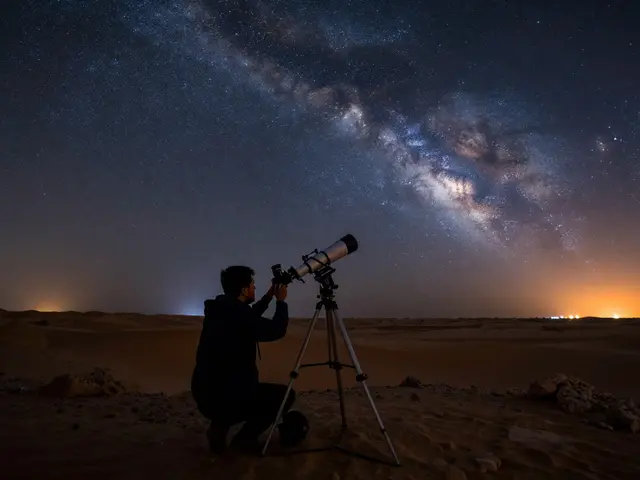
Yes, street geometry is often more pronounced at night due to artificial lighting. Streetlights, neon signs, and car headlights create strong linear elements. Shadows become deeper, emphasizing shapes and textures. Just ensure your shutter speed is fast enough to avoid motion blur or use a tripod.
How does historical city planning affect street photography?
Historical planning determines the underlying geometric structure of a city. Grid-based cities offer clean lines and symmetry, while organic or baroque layouts provide complex angles and curves. Understanding this helps you predict interesting compositions and choose locations that match your desired aesthetic.