Key Takeaways
- Subway photography offers unique lighting and candid opportunities found nowhere else.
- Silent shutter cameras and fast prime lenses are essential for discrete shooting.
- Legal rights vary significantly by location; know your local laws before pressing the button.
- Focusing on platform edges and train gaps creates better composition than crowded carriages.
- Anticipating movement is more important than chasing action in confined transit spaces.
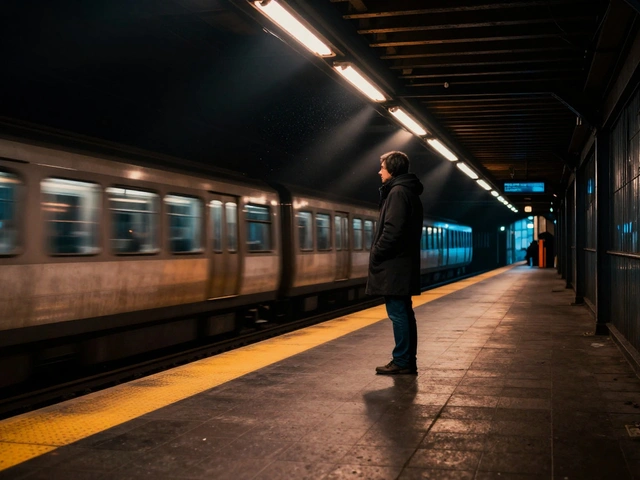
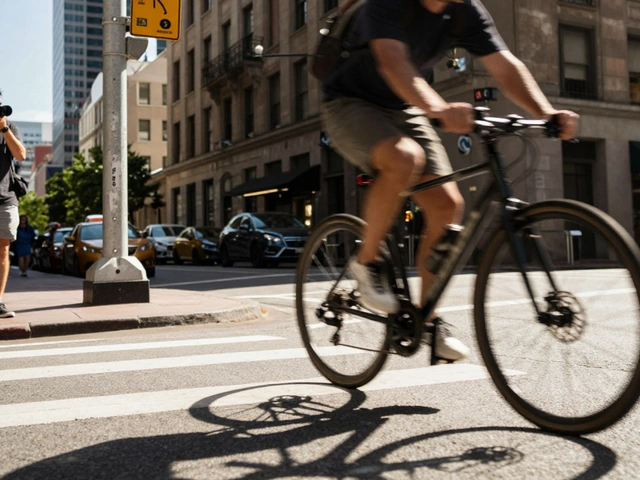
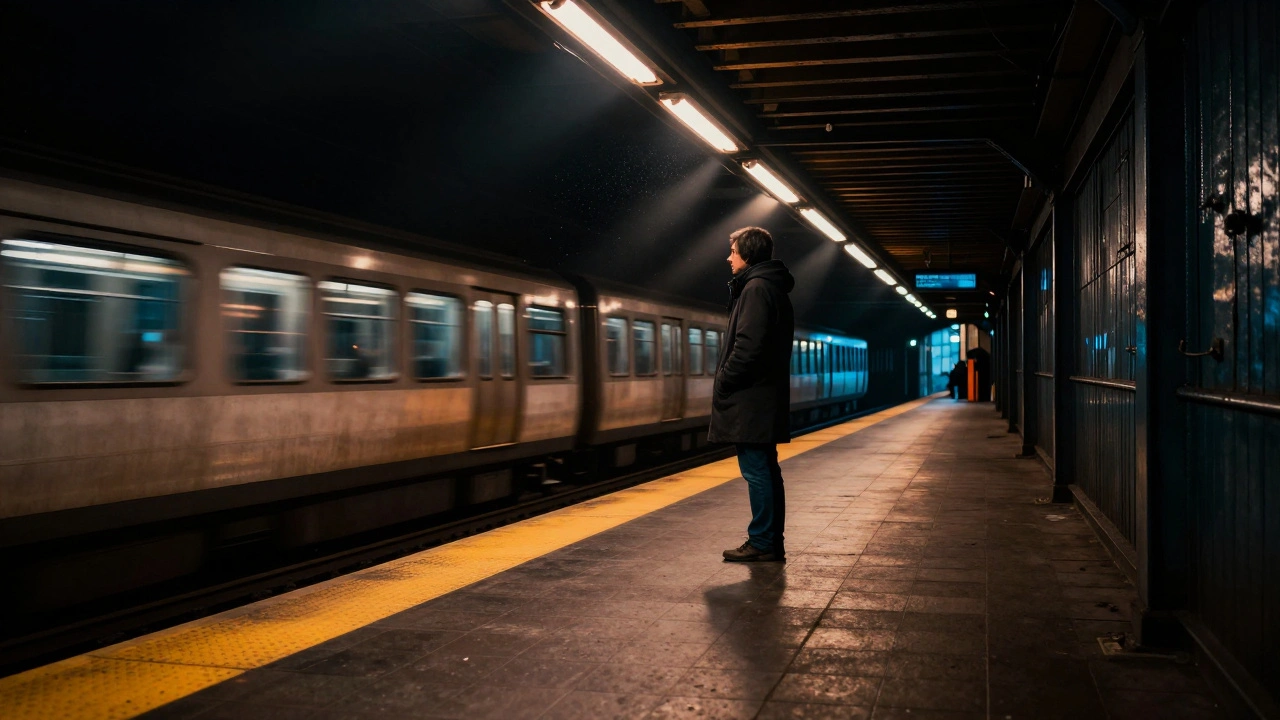
Capturing life beneath the city streets is unlike any other form of imaging work. The Subway Photography is a specialized practice of capturing candid moments within underground transit environments offers a concentrated dose of humanity you simply cannot find above ground. When you step onto a platform, the air smells different. There is dust, old metal, and humidity. The lights flicker as trains rush through tunnels. You are surrounded by people going somewhere urgent, yet stopped in time right now. This tension creates the perfect stage for storytelling.
Many photographers shy away from transit systems. They fear the noise or the crowds. But the very constraints that scare beginners are actually the strengths of this genre. The walls are close, forcing subjects together. The artificial lighting creates dramatic shadows. If you can navigate the logistics, the visual rewards are massive. We are not just taking pictures of a train station; we are documenting the rhythm of a living city.
Gearing Up for Low Light and Crowds
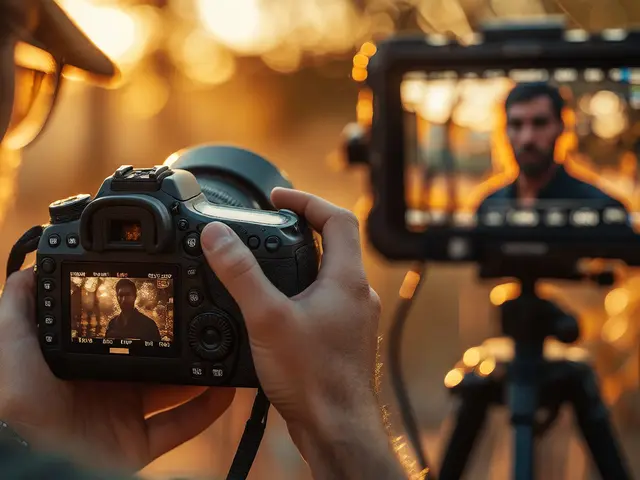
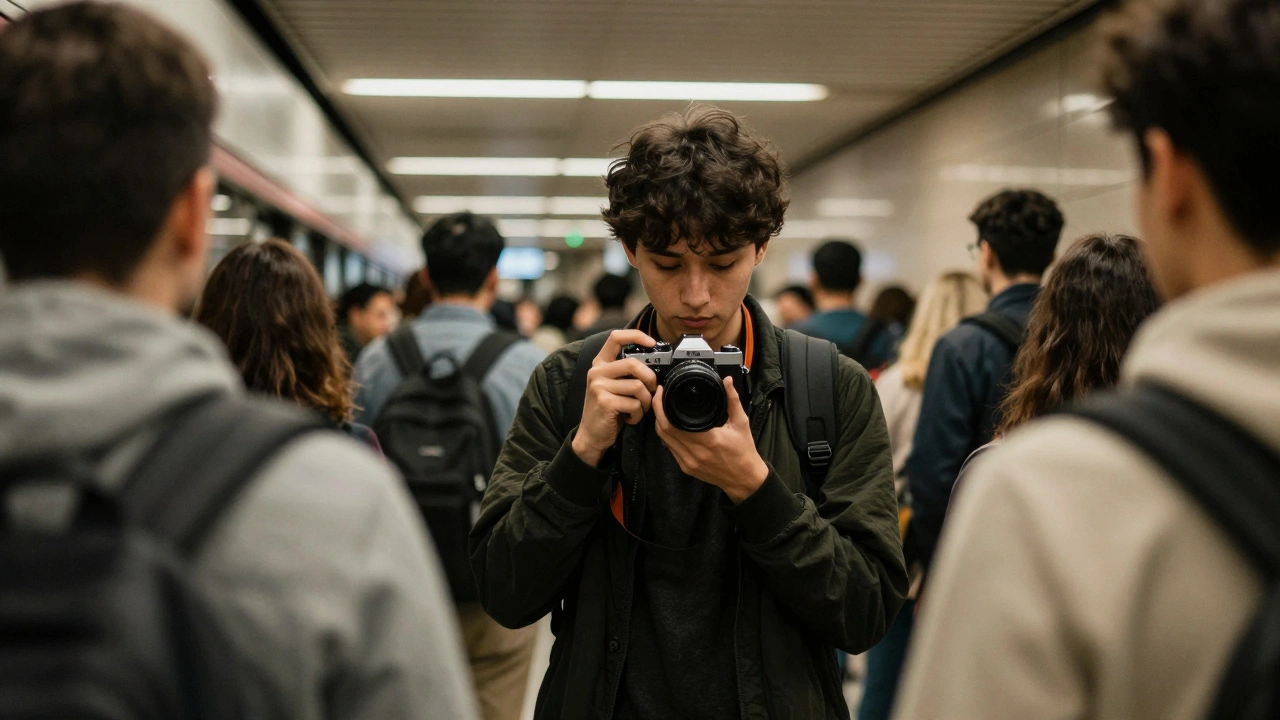
You do not need a professional rig to get started, but your tool choices matter. A bulky mirrorless camera with a large lens draws attention. People notice equipment. In a cramped subway car, drawing eyes toward your camera breaks the moment you want to capture. For this, a compact rangefinder or a small mirrorless body works best. The goal is to look like a passenger, not a videographer.
Lighting conditions in underground transit are notoriously difficult. The color temperature shifts wildly. One moment you are under warm sodium vapor lights, and the next, you pass into cool fluorescent tunnel lighting. Your camera needs to handle high ISO performance without throwing digital noise across the image. Modern sensors allow you to shoot at ISO 3200 or even 6400 while retaining detail. Do not be afraid to crank the ISO up. A grainy shot captures more truth than a blurred photo taken trying to save the sensor.
Consider the shutter mechanism. Electronic or "silent" shutters are critical tools here. Mechanical shutters click loudly. That sharp sound interrupts conversations. It makes people look up. With an electronic shutter, you can document a conversation without anyone knowing you took the picture until they see the screen later. This discretion allows you to work deeper into the crowd without creating defensive reactions.
Prime Lens is a fixed focal length optical system that offers wide aperture capabilities. Also known as Fast Prime, it provides superior low-light performance compared to zooms. Using a 35mm or 50mm equivalent lens is ideal for tight spaces. These lenses are sharp enough to focus quickly in dim light and fit easily into a jacket pocket. A wide angle like 24mm helps when you are pressed against a pole or wall, allowing you to capture the surrounding architecture along with your subject.Navigating Space: Platforms vs. Trains
The subway system acts as a series of rooms. Each has its own rules. Working on the platform gives you a stationary vantage point. You can stand near the edge and anticipate who will step off the train. The background remains constant-usually the tracks or the safety wall. This consistency helps you build a portfolio that feels cohesive.
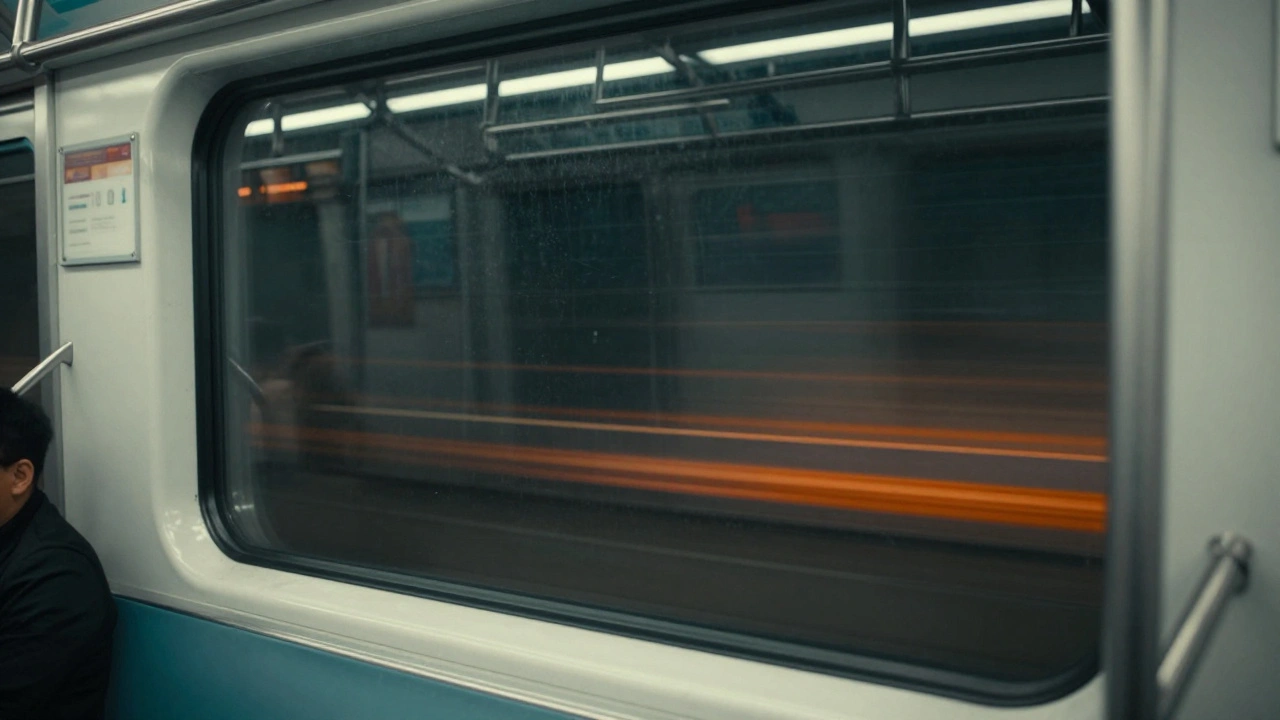
Inside the carriage, the dynamic changes entirely. The space moves with you. You become part of the commute. Here, the composition relies heavily on reflections. Windows create layers. You might photograph a face superimposed over a dark tunnel reflection. However, shooting inside requires patience. Standing still is harder when the floor shakes. You need to steady yourself, perhaps bracing your elbows against the side of a pole.
| Location Type | Lighting | Subject Interaction | Best Lens |
|---|---|---|---|
| Platform Edge | Mixed Artificial | High Distance | 35mm - 85mm |
| Train Carriage | Very Dim / Flickering | Close Proximity | 24mm - 35mm |
| Station Hall | Bright Fluorescent | Medium Density | 50mm - 70mm |
New York offers some of the most famous venues for this work. The 42nd Street Times Square station is a hive of activity where tourists mix with commuters. It provides endless variety. If you prefer elevated views, the 7 train traveling through Queens offers a distinct perspective where the sky opens up again. Even the S Shuttle service is worthwhile because the shorter route means higher frequency of departures, giving you more chances to catch the right moment.
Understanding Legal Boundaries and Ethics
This is the part many guides gloss over, but it is vital. Just because you can physically take a photo does not mean it is legally protected. In major US cities like New York, filming public spaces is generally allowed without consent. However, security guards may try to challenge you. They know the regulations poorly sometimes, or they are instructed to protect revenue areas.
In Europe, specifically the United Kingdom, the landscape is different. Luke Agbaimoni, who documented the London Underground, notes that strict transport authority policies exist there. Some zones restrict commercial photography entirely. Always distinguish between personal and commercial use. Personal use implies you are archiving images for yourself. Commercial implies selling the photo. Authorities usually ignore the former but stop the latter.
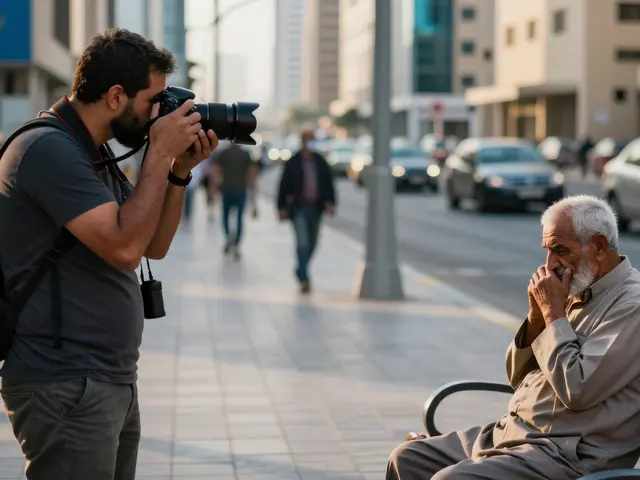
Respect for privacy is a moral compass you must carry. You are entering a confined social space. While people in public do not always expect privacy, blurring faces is a respectful choice for publication. If someone catches you snapping, smile and put the camera down immediately. Arguing never yields good photos. Acknowledge them as fellow passengers. Often, a wave lets them know they are safe, and they go back to their phone or book.
Street Photography Ethics refers to the moral principles guiding the documentation of people in public settings without explicit permission. Key aspects include Public Consent Norms, balancing artistic expression with individual dignity. This code ensures the art survives without becoming harassment. Keep your distance. Do not corner people. Let the frame tell the story rather than invading someone's personal bubble.Timing and Technique in Motion
Subway travel is rhythmic. The doors beep, open, slam, and the train departs. Watch for these cycles. The best moments often happen in the split second between doors opening and closing. That is when passengers hesitate. Some are rushing to board, others pausing to let people exit. This conflict generates emotion.
To execute this, pre-focus. Set your aperture to f/4 or f/5.6. In the narrow aisles of a car, depth of field isn't as crucial as it is in open squares. Focus on a mid-range distance, say two meters ahead. When a subject enters that zone, you press the shutter without waiting for AF to hunt. Burst mode helps too, but avoid filling memory cards with 100 identical frames. Selectivity wins over volume.
Be aware of the tunnel lights. Every 30 seconds or so, the strobe effect happens as you pass overhead fixtures. These bursts of light freeze motion perfectly. If you miss them, your subject becomes a ghostly blur. Learn to listen for the hum of the wheels changing pitch. It tells you the train is accelerating, and light levels will drop. Adjust your exposure compensation proactively.
Troubleshooting Common Challenges
Even experienced shooters face hurdles underground. Here are quick fixes for frequent issues:
- Black Backgrounds: If the tunnel looks like a void, expose for the foreground subject. Don't boost exposure just to brighten the empty darkness.
- Security Interventions: Know your rights but avoid confrontation. If asked to delete files, prioritize safety. You can reshoot another day.
- Focus Hunting: Switch to manual focus if AF struggles in low contrast. Use the peaking function on modern cameras to confirm sharpness.
- Dust on Sensor: Undergrounds accumulate particulate matter. Use anti-static cleaning kits weekly to prevent spots in your photos.
Building Your Own Style
There is no single right way to shoot. Bruce Davidson's famous Subway book showed black and white portraits of strangers staring out windows. That era used film and flash. Today, natural light and digital sensors allow us to see color nuances in the rust and tile work. Find what interests you. Are you interested in the fatigue on a worker's face? Or perhaps the geometry of the tracks behind someone sleeping?
Practice regularly. Go during rush hour. Go late at night. The character of the station changes completely. The early morning crowd is asleep; the late-night crowd is awake. By covering all shifts, you begin to understand the transit system not just as a set of rails, but as a pulse of the community. Documenting this reality preserves history in a way news media often misses. Every image is a window into someone else's daily struggle or routine.
Is it legal to take photos in the New York City subway?
Generally, yes. Non-commercial photography is permitted in public areas of the NYCTA system. Security may intervene if they suspect you are trespassing on restricted infrastructure or recording for commercial gain without a permit.
What camera settings work best for low light transit?
Use Aperture Priority mode. Set aperture to f/2.8 or wider. Allow ISO to auto-adjust up to 6400. Enable silent electronic shutter to minimize disturbance and noise.
Do I need a model release for subway photos?
For editorial or personal use, releases are typically not required for public figures in public places. If you plan to sell the image for advertising or commercial endorsement, obtaining signed permission is mandatory.
How do I avoid blurry shots on moving trains?
Brace your elbows against the car walls or poles. Use burst mode to capture frames during moments of relative stability, such as when the train slows down for a stop.
Are drones allowed in subway stations?
No. Flying drones inside transit systems is almost universally prohibited due to safety concerns regarding power lines, trains, and pedestrian traffic.