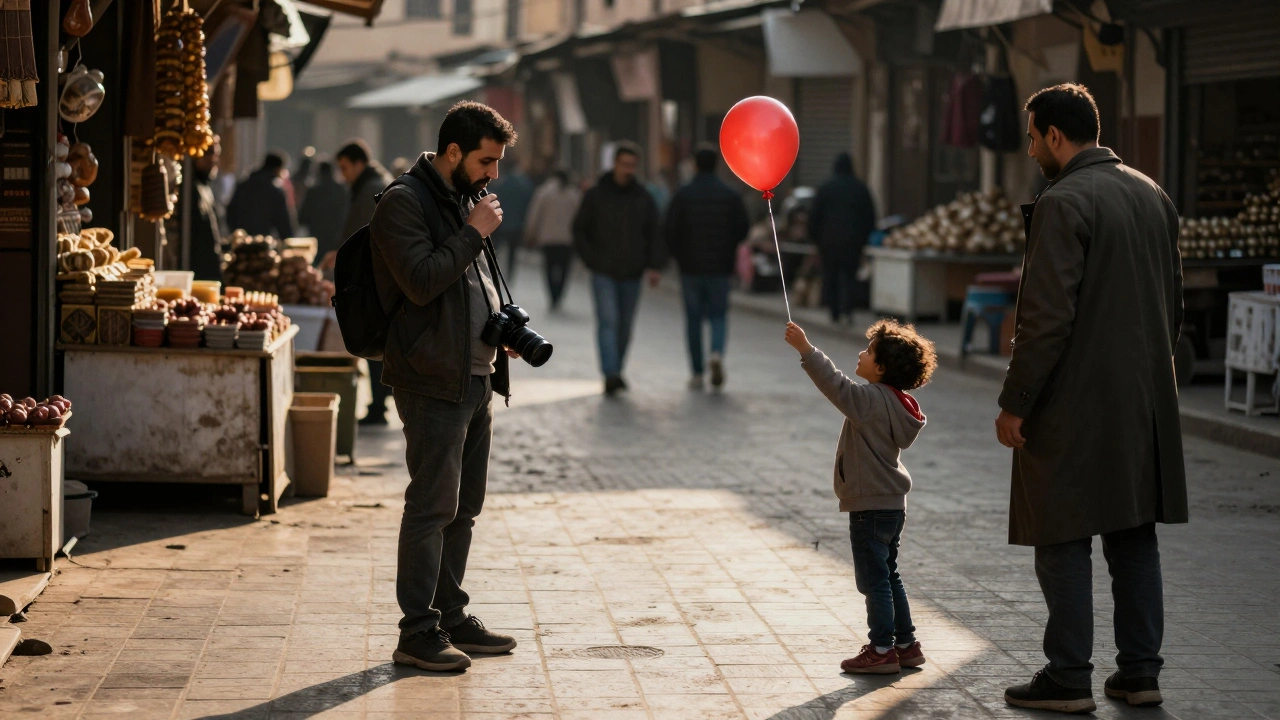
There’s a reason the best street photos feel like they were stolen from life - because they were. Not in a sneaky way, but in the way a perfect wave crashes exactly when you’re ready. The decisive moment isn’t about luck. It’s about being so tuned in that when the world does something real, you’re already there - camera up, finger ready, heart quiet.
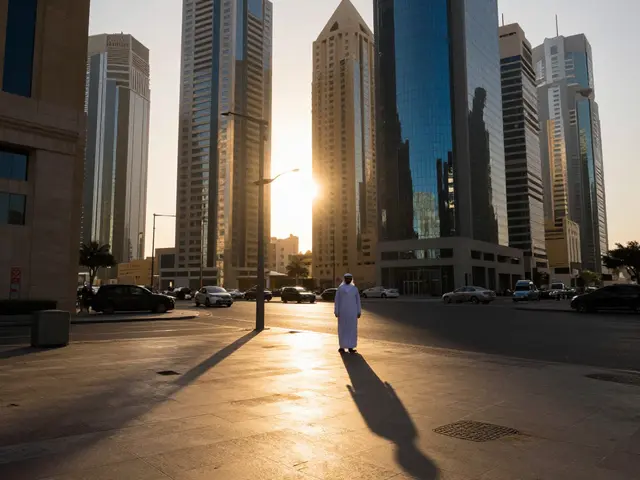
Henri Cartier-Bresson didn’t just take pictures. He waited. He watched. He felt the rhythm of the street before it broke into motion. He called it the simultaneous recognition of significance and form. Translation? You don’t just see a man walking. You see the way his shadow stretches across the wet pavement, how the light hits his hat, how a child glances up just as he passes - and in that half-second, everything clicks into place. It’s not a photo. It’s a story that happened once, and never again.
It’s Not About the Camera - It’s About Your Eyes
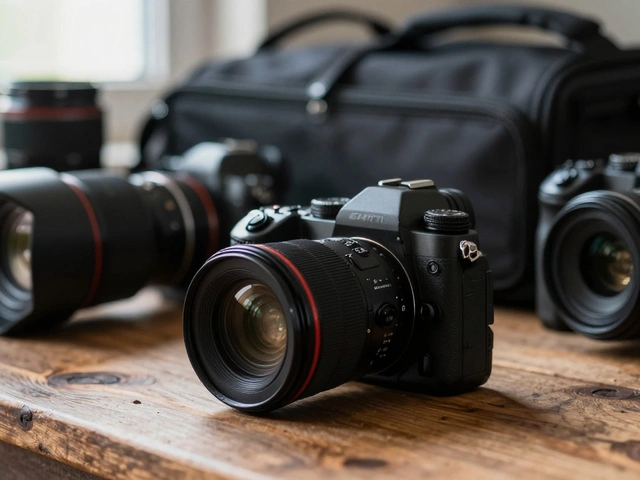
Most people think the decisive moment is about having the fastest shutter speed or the latest mirrorless camera. Wrong. It’s about what’s behind the viewfinder. You can have a $5,000 rig, but if your eyes are on your phone, you’ll miss everything. The camera is just a tool. The real equipment is your awareness.
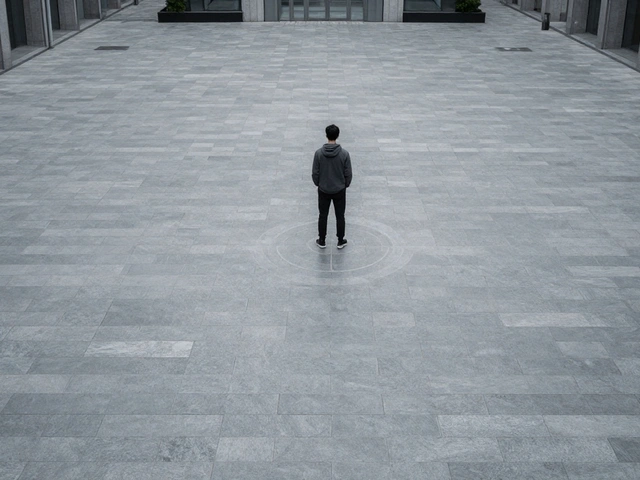
Go out and walk. Not to take pictures. Just to look. Notice how people shift their weight before they turn. How a dog stops mid-step when it smells something. How light moves across a brick wall at 4:17 p.m. on a Tuesday. These aren’t accidents. They’re patterns. And once you start seeing them, you start predicting them.
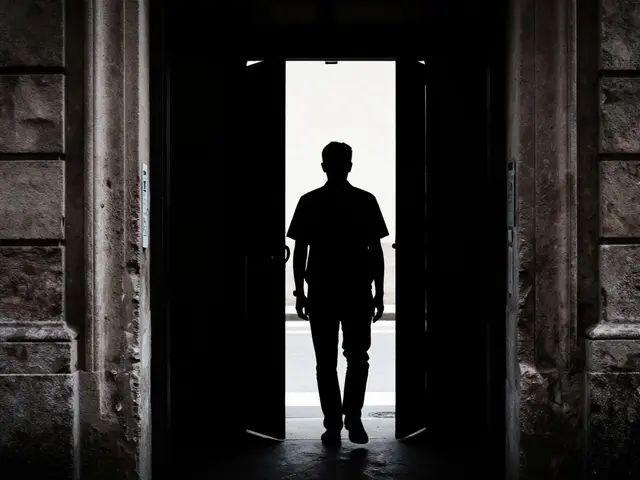
Cartier-Bresson didn’t shoot from the hip because he was careless. He did it because he knew where the moment would land before it happened. He’d stand near a doorway, watch the flow of people, and wait for the right combination - a hat, a gesture, a shadow - to align. He didn’t chase moments. He let them come to him.
Master Your Gear Until It Feels Like an Extension of Your Body
If you have to think about your aperture when a moment flashes by, you’ve already lost it. The decisive moment doesn’t wait for you to fiddle with dials. That’s why street photographers who consistently nail it have their settings locked in - and their hands trained.
- Use Aperture Priority or Program mode. Let the camera handle exposure so you focus on timing.
- Set auto ISO and auto white balance. You don’t need perfect color - you need perfect timing.
- Use zone focusing. Pick a distance - say, 8 feet - and set your lens to manual focus at that point. Now you can shoot without hunting for focus.
- Practice changing settings without looking. Feel the shutter button. Know how much pressure it takes. Your hand should know the camera better than your brain does.
I used to fumble with my settings in Portland’s Old Town. Now, I walk with the camera on my chest, strap loose, finger resting on the shutter. When something happens - a laugh, a stumble, a dog jumping - I lift, press, and lower. No thinking. Just doing.
Anticipation Is the Secret Weapon
Waiting for the perfect moment is passive. Anticipating it is active. The difference? One is luck. The other is skill.
Look for places where movement naturally converges: bus stops, alleyways, crosswalks, market stalls. Watch how people behave there. Do they pause? Do they look up? Do they lean in? These are clues. They tell you where the next moment will happen.
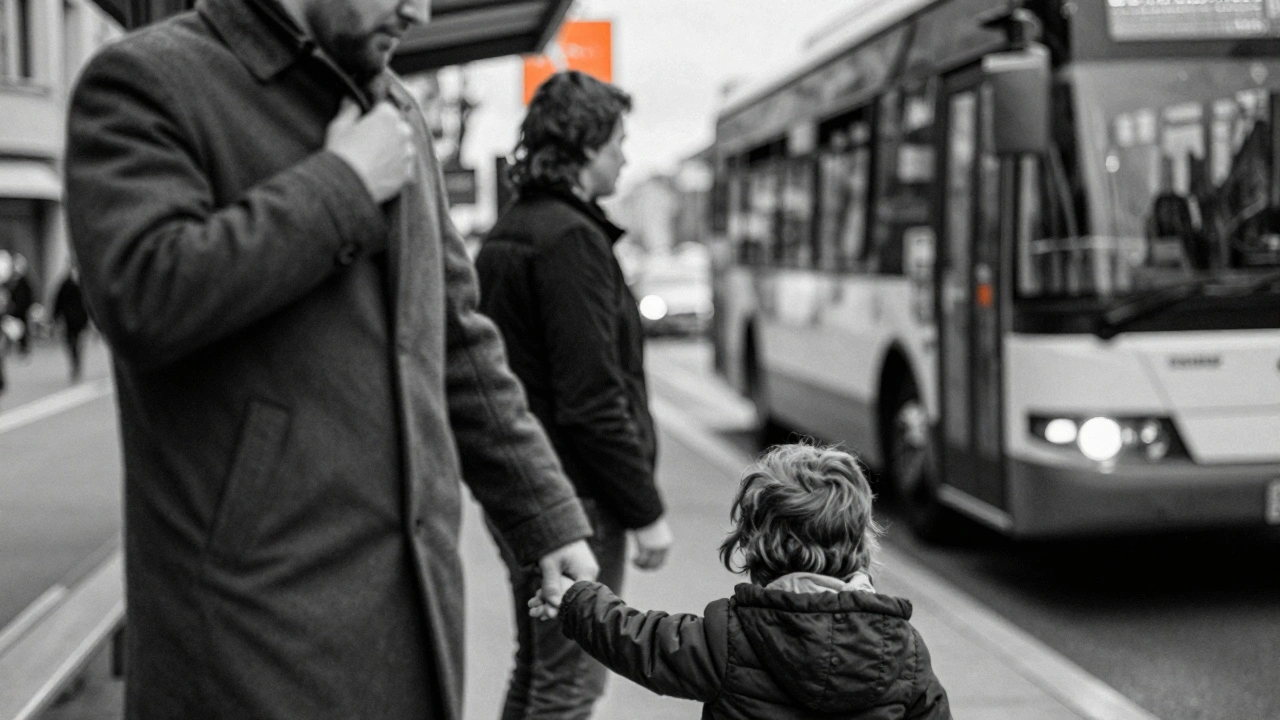
Try this: Stand near a bus stop for 15 minutes. Don’t take a single photo. Just watch. Notice how the same few people always look at their phones at the same time. How one man always adjusts his coat before the bus arrives. How a kid always tugs on his mother’s sleeve right before the bus pulls up. You’re not just observing. You’re mapping the rhythm.
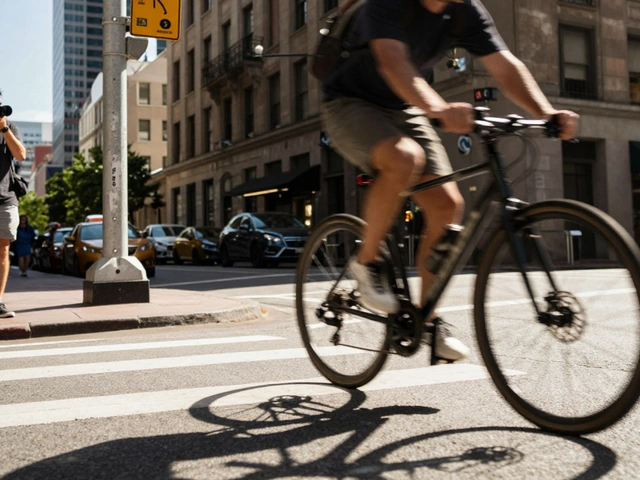
When you start seeing those rhythms, you can predict. You’ll know when someone’s about to turn, when a cyclist will swerve, when a street performer’s audience will burst into laughter. And when that happens? You’re already ready.
Composition Isn’t Optional - It’s the Language of the Moment
A moment without form is noise. A form without meaning is a pretty picture. The decisive moment lives where they meet.
That’s why you can’t just snap a photo of someone laughing. You need to see how the light cuts across their face. How the person behind them is frozen mid-step. How the reflection in a puddle shows the sky. These aren’t decorations. They’re the grammar of the story.
Learn the basics: leading lines, negative space, framing, balance. But don’t overthink it. You don’t need to apply the rule of thirds every time. Sometimes, the moment breaks the rules - and that’s when it becomes unforgettable.
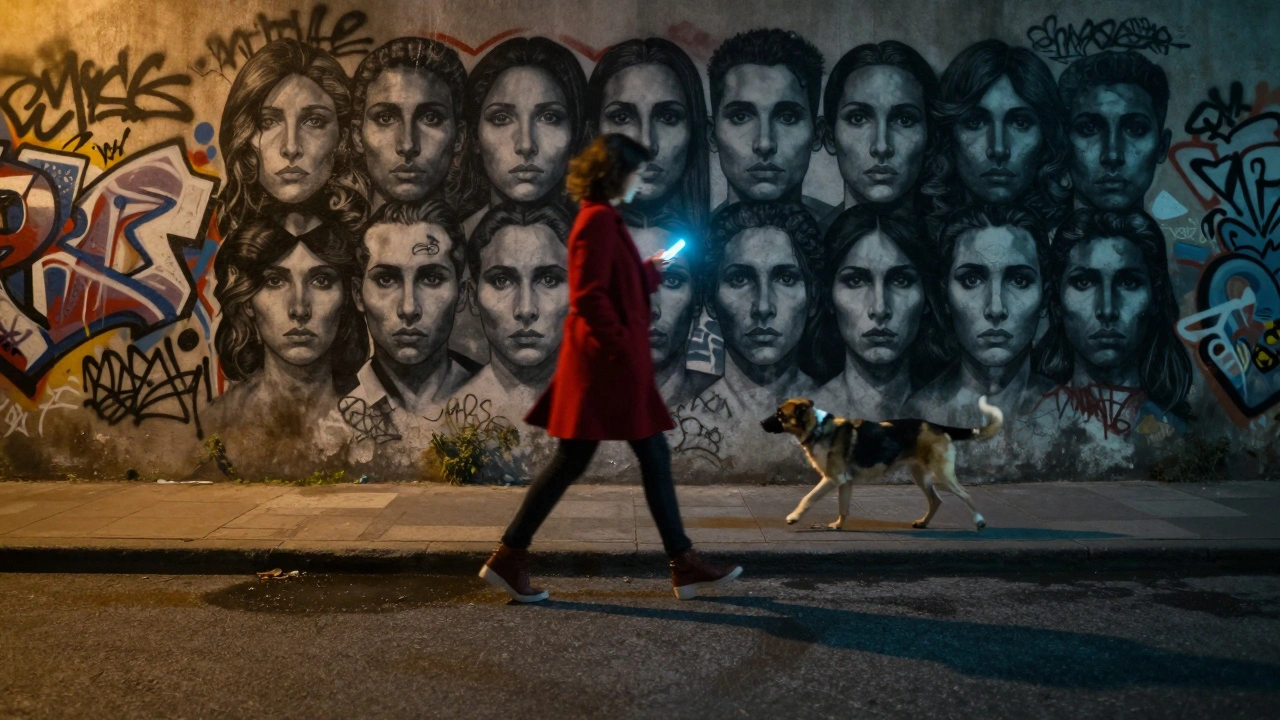
I once saw a woman in a red coat stop dead in front of a graffiti wall covered in black-and-white faces. She didn’t notice the wall. She was looking at her phone. But the contrast - her color against the ghosts on the wall - was perfect. I didn’t plan it. I just saw it. And because I’d trained myself to look for these connections, I was ready.
Work the Scene - Don’t Just Snap and Run
Cartier-Bresson didn’t take one shot. He took five. Or ten. Or twenty. He moved. He shifted. He stepped left, stepped right, crouched, stood, leaned in, pulled back.
Most people think they need to get it perfect on the first try. That’s why so many street photos feel stiff. They’re posed by accident.
Instead, try this: When you see a moment starting, walk toward it. Shoot three or four frames as you get closer. Then keep walking. Don’t stop. Don’t stare. Don’t apologize. Just move. The subjects won’t notice - because you’re not acting like a photographer. You’re just passing through.
Later, when you’re home, you’ll have a sequence. Maybe one frame shows the moment before the laugh. One shows the peak. One shows the reaction of someone watching. You don’t need to pick the “best” one. You need to pick the one that feels true.
Be Invisible - Not by Stealth, But by Presence
People notice when you’re trying to be sneaky. They notice when you’re tense. They notice when you’re holding the camera like a weapon.
The best way to disappear? Be calm. Be curious. Be present.
Walk like you’re heading somewhere. Keep your shoulders relaxed. Let the camera hang by your side. Use your strap. Don’t bring it up to your eye until the moment is about to happen. If you’re calm, they’ll be calm. If you’re calm, the moment stays real.
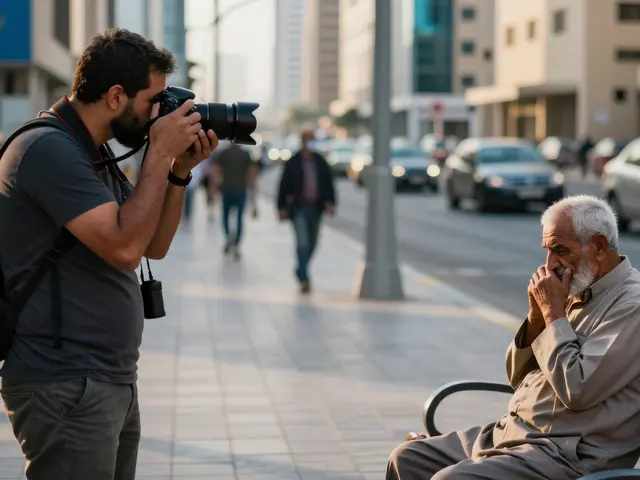
I’ve taken photos of people crying, arguing, dancing, praying - all without them knowing. Not because I was quiet. But because I didn’t act like I was there to take pictures. I acted like I was just part of the street.
Intuition Beats Technique Every Time
There’s no formula. No checklist. No app that tells you when to press the shutter.
The decisive moment lives in the quiet space between breaths. It’s when your body knows before your mind does. You feel it in your chest. You feel it in your fingers. You feel it in the way the light changes.
That’s why practice matters. Not to perfect your settings. But to quiet your mind. To let your eyes see without judgment. To let your heart respond before your thoughts get in the way.
Go out. Walk. Look. Wait. Don’t take photos for a week. Just notice. Then go back. And when you see something that makes you stop - even for a second - that’s your moment. Press the button. No hesitation. No second-guessing. Just trust it.
The world moves fast. But the best moments - the ones that stay with you - happen in the quiet between the noise. You don’t need a perfect camera. You need to be there. Fully. Completely. Without distraction.
That’s the decisive moment. Not a photo. A feeling. A breath. A heartbeat. And if you’re ready, you’ll catch it.
Can you capture the decisive moment with a smartphone?
Yes - but it’s harder. Smartphones have lag, limited manual control, and no viewfinder. Still, many street photographers use them because they’re unobtrusive. The key is to use them like a fixed-lens camera: lock focus and exposure, use burst mode sparingly, and rely on anticipation. The best smartphone shots come from photographers who know their environment better than their device.
Do you need to shoot in black and white for decisive moments?
No. Color can be powerful - think of a red umbrella against a gray street, or a child’s yellow raincoat in a crowd. But black and white removes distractions and highlights form, contrast, and shadow. Many photographers shoot in color and convert later. The decision should serve the story, not the trend.
How long does it take to get good at capturing decisive moments?
It’s not about time - it’s about attention. Some photographers start nailing shots within weeks. Others take years. The difference? Those who practice daily, watch people, and reflect on every frame - good or bad - improve faster. You don’t need 10,000 shots. You need 100 moments where you truly saw something.
Is the decisive moment only for candid shots?
Yes - by definition. The decisive moment is spontaneous. If you ask someone to pose, you’ve lost the authenticity. That’s not to say staged photos can’t be powerful. But they’re not decisive moments. They’re portraits. The magic of street photography is in the unscripted, the unplanned, the real.
What’s the best time of day to shoot for decisive moments?
Golden hour is beautiful, but decisive moments happen at 2 p.m. on a rainy Tuesday. The best time is when people are moving - lunchtime, after work, market hours. Light matters, but motion matters more. A shadow on a wet sidewalk at noon can be more powerful than a perfect sunset.