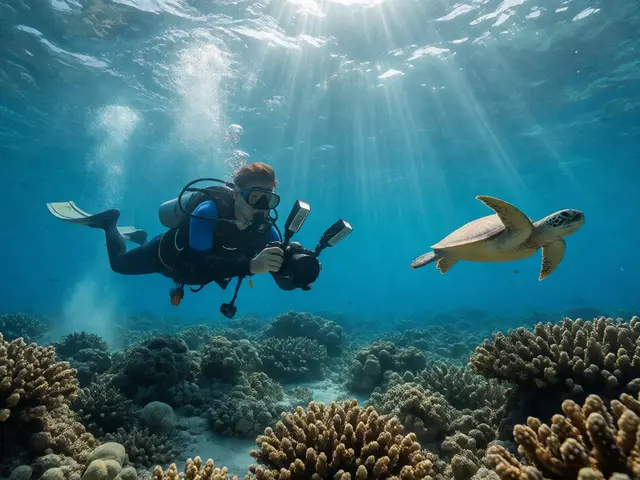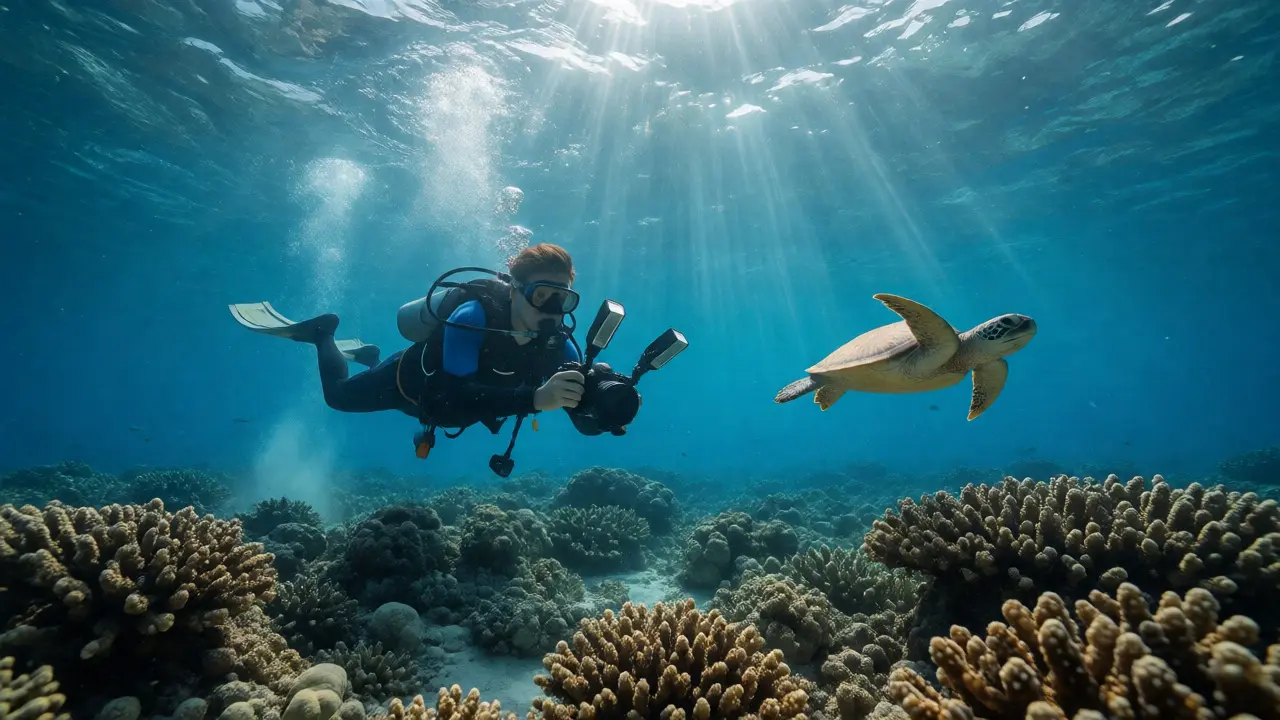
You’re hovering over a vibrant reef in the Maldives. The light is perfect, the visibility is crystal clear, and a sea turtle glides right into your frame. Your heart races. You adjust your strobe, hold your breath, and… crunch. You didn’t even realize your fin clipped a branching coral. That tiny sound? It’s the sound of an ecosystem taking damage because you forgot where your body ends and the environment begins.
Underwater photography isn't just about capturing beauty; it's about respecting it. Most divers think they are being careful until they look at their photos and see a blurry background caused by stirred-up silt or notice a broken piece of coral in the corner of the shot. Being a responsible underwater photographer means mastering buoyancy, understanding animal behavior, and knowing when to shoot-and when to back off. Here is how you can get those award-winning shots without becoming the villain of the reef.
Mastering Buoyancy: The Foundation of Respect
If there is one skill that separates amateur shooters from pros, it’s neutral buoyancy. It’s not just about staying off the bottom; it’s about existing in the water column without disturbing it. When you struggle to stay still, you kick more. When you kick more, you stir up sediment. This "silt-out" ruins visibility for everyone behind you and smothers filter-feeding organisms like sponges and soft corals that rely on clean water to eat.
Here is the hard truth: if you can’t hover motionless for ten seconds while composing a shot, you aren’t ready to use a camera rig yet. Practice this before you buy expensive gear:
- Trim matters: Keep your body horizontal. A vertical diver kicks up sand with every fin movement.
- Weight distribution: Move weights to your BCD pockets or tank band to keep your head up and fins down naturally.
- The Hover Test: Find a sandy patch. Descend slowly. Stop. Do nothing. If you drift up or sink down within five seconds, adjust your buoyancy compensator (BCD) or lung control.
Remember, your fins are propellers, not brakes. Using them to stop near delicate structures is a recipe for disaster. Use your lungs. Small, controlled breaths help you maintain depth better than constant BCD adjustments.
Know Your Subject: Distance and Behavior
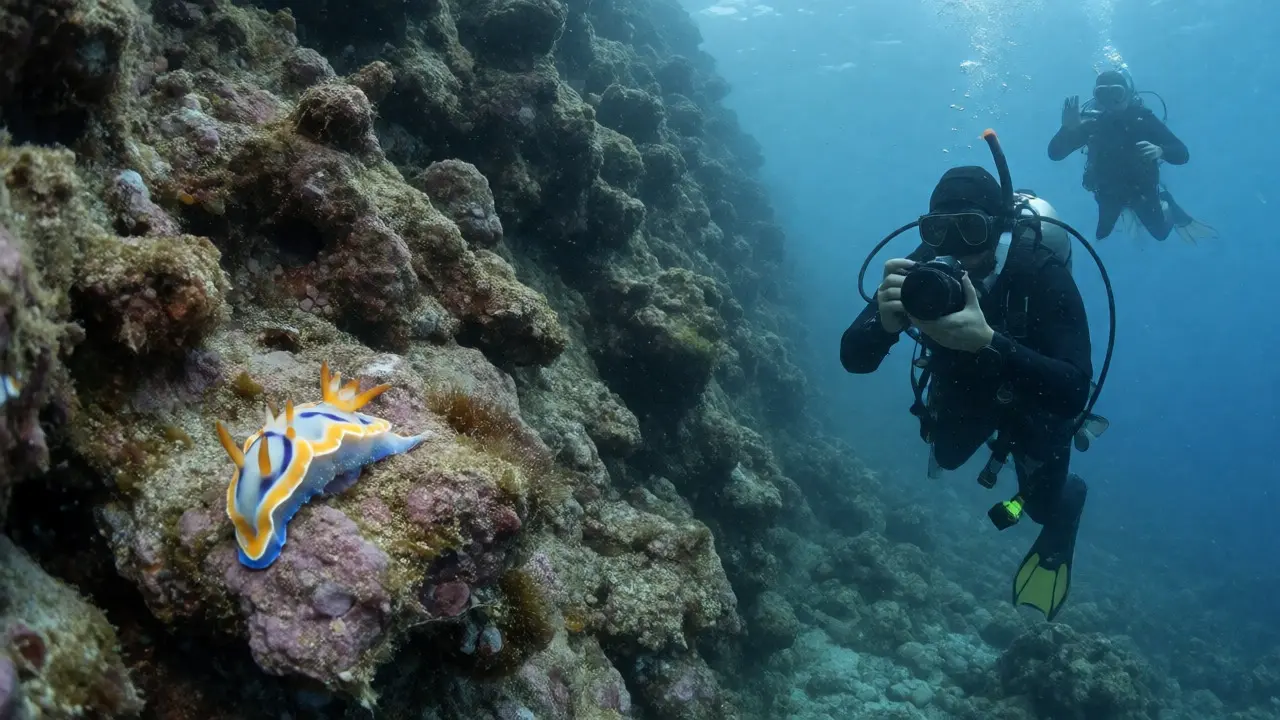
Every marine creature has a "comfort zone." For a shy nudibranch, that might be six inches. For a curious reef shark, it might be three feet. Violating these zones causes stress. Stressed animals flee, hide, or act defensively, which ruins your photo and harms the animal.
How do you know if you’re too close? Watch the eyes. If a fish turns its head away sharply or flares its gills, you’re pushing your luck. If a sea turtle starts swimming faster or dives deeper, you’ve interrupted its rest. Back off. Let them come to you. Patience yields better compositions than pursuit ever will.
| Species Type | Min. Distance | Behavioral Cue to Back Off |
|---|---|---|
| Macro Critters (Nudis, Shrimp) | 6-12 inches | Retracting tentacles or hiding under rock |
| Reef Fish (Clownfish, Angelfish) | 1-3 feet | Darting into anemone or coral crevice |
| Large Pelagics (Sharks, Rays) | 6-10 feet | Changing direction abruptly or speeding up |
| Mammals (Seals, Sea Lions) | 15+ feet | Vocalizing or aggressive posture |
Coral Care: Don’t Touch, Don’t Kick, Don’t Rest
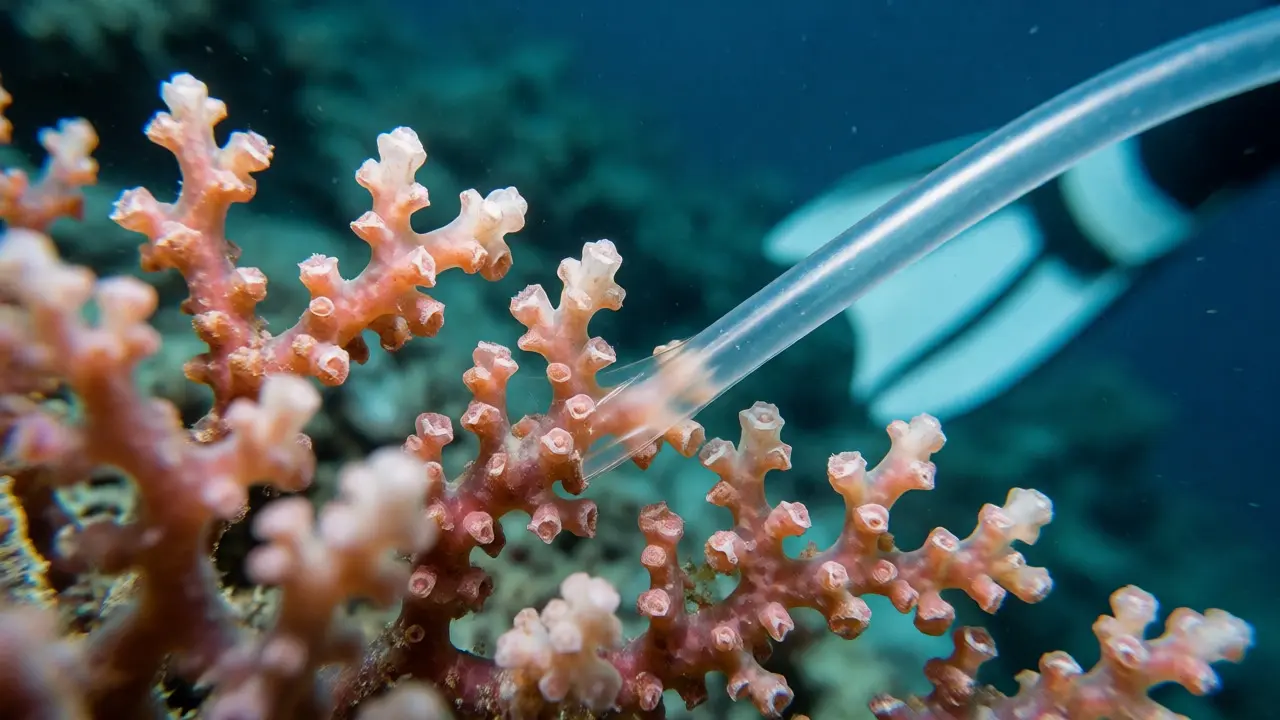
Corals are living animals, not rocks. They have a thin layer of tissue called the polyp layer. One accidental touch can strip this layer, leading to infection and death. Worse, our hands carry sunscreen chemicals and bacteria that corals haven’t evolved to handle.
A common mistake? Resting your knee on a coral head to stabilize yourself. In tropical waters, many corals are brittle. What looks like a solid shelf might snap under 10 pounds of pressure. Always check what you’re touching. If you must kneel, choose bare sand or dead rubble-never live coral.
Also, watch your hoses. Regulator hoses and octopus lines dangle freely. As you turn, they sweep across the reef like whips. Secure them with clips or tuck them under your arms when moving near sensitive areas. A dangling hose knocking over a brain coral is a silent killer.
Lighting Without Blinding
Your strobes are powerful tools, but they can be intrusive. Flashing bright lights directly into the eyes of nocturnal creatures or deep-water species can disorient them. More importantly, rapid-fire strobing near small fish can cause panic.
Use your strobes strategically. Tilt them outward to avoid backscatter (that white haze in your photos). If you’re shooting macro, try using continuous video lights instead of strobes for focusing. It’s less startling for the subject and helps you frame the shot before you fire the flash. And please, don’t shine your dive torch directly into a fish’s face for five minutes just to get a portrait. Give them a break.
Sunscreen and Gear Hygiene
What goes on your skin ends up in the water. Oxybenzone and octinoxate, common ingredients in standard sunscreens, are toxic to coral reefs. They bleach corals and disrupt their reproductive cycles. If you’re diving in protected areas like Hawaii or Palau, you’re likely required to use reef-safe sunscreen. But even if you’re not, why add chemicals to a fragile system?
Better yet, wear a rash guard or wetsuit. Physical coverage blocks UV rays without polluting the water. Before you enter the water, rinse your gear thoroughly. Salt crystals on your mask or fins can scratch surfaces, but residual soap or detergent from cleaning your gear can also harm marine life. Rinse with fresh water only.
The Ethics of Interaction: Selfies vs. Reality
We’ve all seen the viral photos: a diver holding a starfish, petting a dolphin, or riding a manta ray. These images look fun, but they often represent bad practice. Starfish regenerate slowly; handling them removes their protective slime coat. Dolphins may bite out of curiosity or frustration. Riding a manta ray adds drag and stress to an animal already conserving energy.
Responsible photography means documenting nature as it is, not as you want it to be. Avoid posing with marine life. Avoid chasing animals for the perfect angle. If the animal leaves, let it go. Chasing creates a narrative of dominance rather than coexistence. Your goal should be to capture the moment, not own it.
Practical Checklist for Every Dive
Before you hit the water, run through this mental checklist to ensure you’re prepared to shoot responsibly:
- Gear Check: Are your fins trimmed properly? Is your camera strap secure so it doesn’t swing wildly?
- Site Knowledge: Do you know the local rules? Some sites prohibit photography entirely during spawning seasons.
- Plan Your Shot: Know what you want to photograph before you arrive. Wandering aimlessly increases contact risk.
- Communicate: Tell your buddy you’re shooting. They can watch your back and warn you if you’re drifting toward coral.
After the dive, review your photos critically. Did you stir up silt? Did you accidentally crop out part of a habitat? Learn from every dive. Photography improves with practice, but ethics improve with awareness.
Can I touch marine life for a photo?
Generally, no. Touching removes protective mucous layers from fish and damages coral tissue. Exceptions exist for trained researchers or specific guided interactions (like gentle nudibranch observation), but for general photographers, look but don’t touch.
What happens if I break a piece of coral?
Broken coral fragments often die due to infection or inability to reattach. Even if they survive, the colony loses growth potential. In slow-growing species like brain coral, one break can set recovery back decades.
Is it okay to feed fish to get them closer?
Avoid feeding wild fish unless you are a certified guide following strict protocols. Feeding alters natural behaviors, makes fish dependent on humans, and can introduce non-native food sources that disrupt digestion.
Do I need special fins for underwater photography?
Not necessarily, but smaller, stiffer fins offer better control for hovering. Long, flexible fins generate more thrust but are harder to stop quickly, increasing the risk of kicking up silt or hitting coral.
How does sunscreen affect coral reefs?
Chemical sunscreens containing oxybenzone can bleach corals and damage their DNA. Mineral sunscreens with zinc oxide or titanium dioxide are safer alternatives, though physical barriers like wetsuits are best.