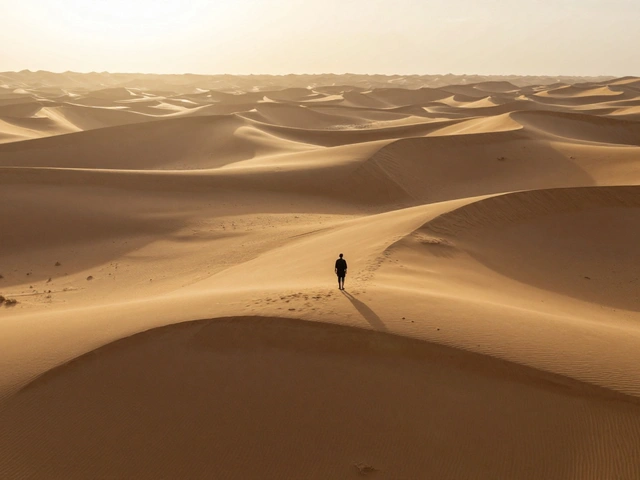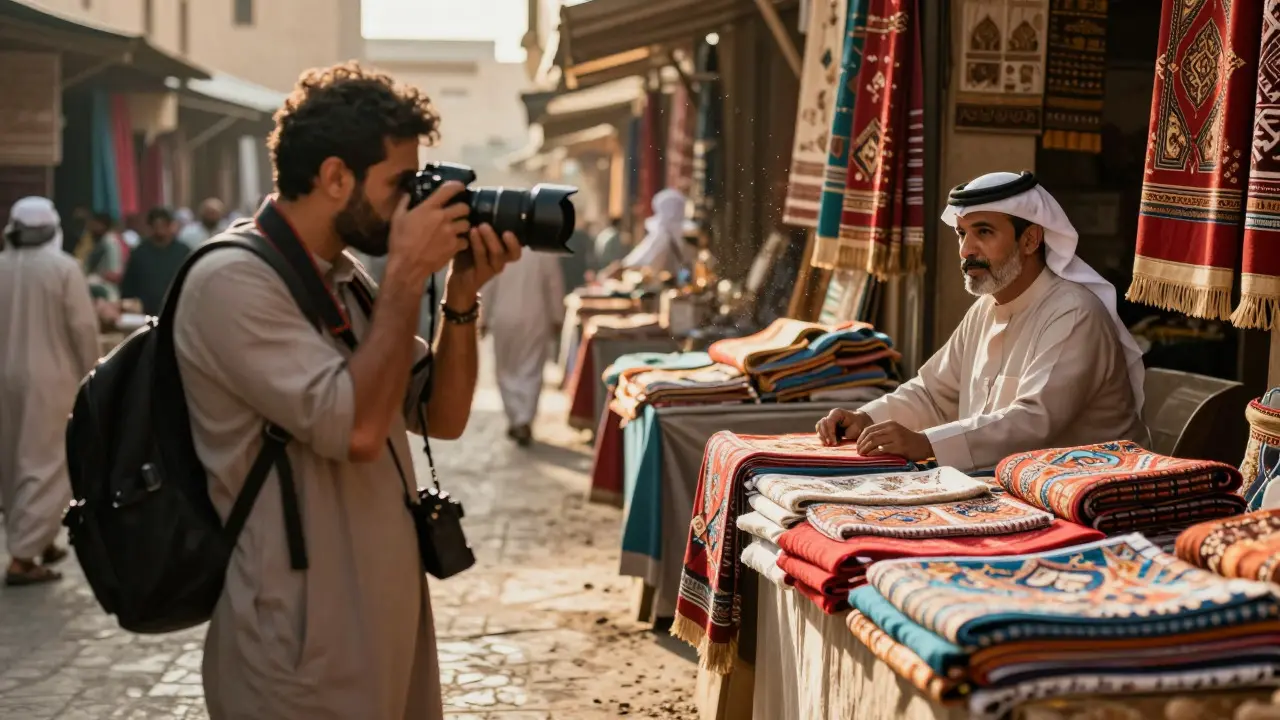
There is a specific tension that hits you when your shutter button is ready but the subject looks up. Do you take the shot? Do you ask permission? Or do you just smile and walk away? For many photographers, this moment defines their travel experience. It separates the tourist who snaps quick photos from the storyteller who captures something real. The goal isn't just to get a good picture; it's to capture authentic moments without turning local people into props for your feed.
Respect in travel photography isn't about being overly polite or hiding your camera. It's about understanding context. A market stall in Marrakech operates differently than a quiet temple in Kyoto. Knowing where you stand-and how to read the room-changes everything about the final image. This guide breaks down how to navigate these interactions so your portfolio feels human, not intrusive.
The Difference Between Candid and Invasive
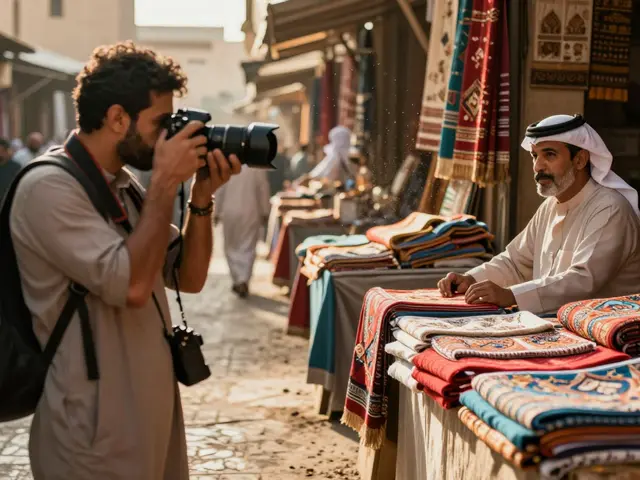
We often use the word "candid" loosely. Technically, a candid photo is taken without posing. But ethically, there are two types of candid shots: those that feel natural because they are part of daily life, and those that feel invasive because they interrupt it. The line is thin. If you are standing on a busy street corner in New York City, taking a photo of a pedestrian walking by is generally acceptable. They expect to be seen. But if you zoom in with a 400mm lens on a family eating dinner at an outdoor cafe in Paris, the dynamic shifts. You are no longer observing public space; you are invading private intimacy.
To keep things respectful, apply the "glance test." If the subject would likely glance at you and feel comfortable continuing their day, you're probably fine. If they would look confused, annoyed, or defensive, pause. This mental check takes less than a second but saves hours of awkwardness later. It also helps you anticipate reactions before you even lift the camera to your eye.
Reading the Room: Cultural Nuances
Every region has its own unspoken rules about photography. In some parts of West Africa, direct eye contact can be seen as confrontational, while in others, avoiding it signals dishonesty. In Japan, pointing your camera directly at someone’s face can sometimes be interpreted as aggressive unless softened by a smile or nod. These aren't rigid laws, but they are strong social currents. Ignoring them doesn't usually lead to trouble, but it does kill the vibe. And once the vibe is gone, the authentic moment is gone too.
Before you start shooting, spend ten minutes just watching. Watch how locals interact. Do they make eye contact? Do they gesture openly? Are children left alone in public spaces or closely monitored? These observations give you a baseline for what feels normal. If everyone is huddled together talking quietly, maybe lower your voice and move slower. If the atmosphere is loud and energetic, match that energy. Mirroring the local pace builds trust faster than any piece of equipment ever could.
The Art of the Ask: Getting Permission Without Ruining the Moment
Asking for permission is often feared because it sounds like it will break the spontaneity. But done right, it actually enhances the connection. You don't need a formal contract. You need a human exchange. Start with a simple, open-ended question rather than a yes/no trap. Instead of asking, "Can I take your picture?" which invites a quick "yes" or "no," try, "Do you mind if I photograph this scene?" or simply point your camera and smile broadly.
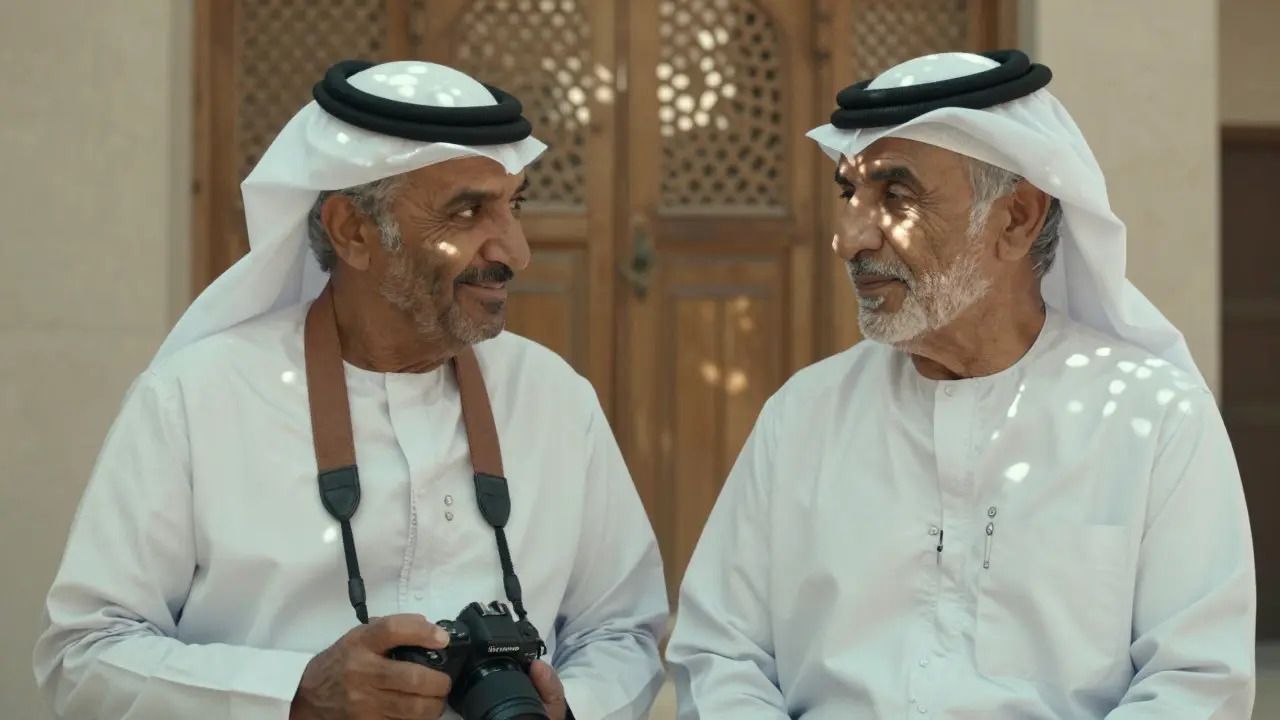
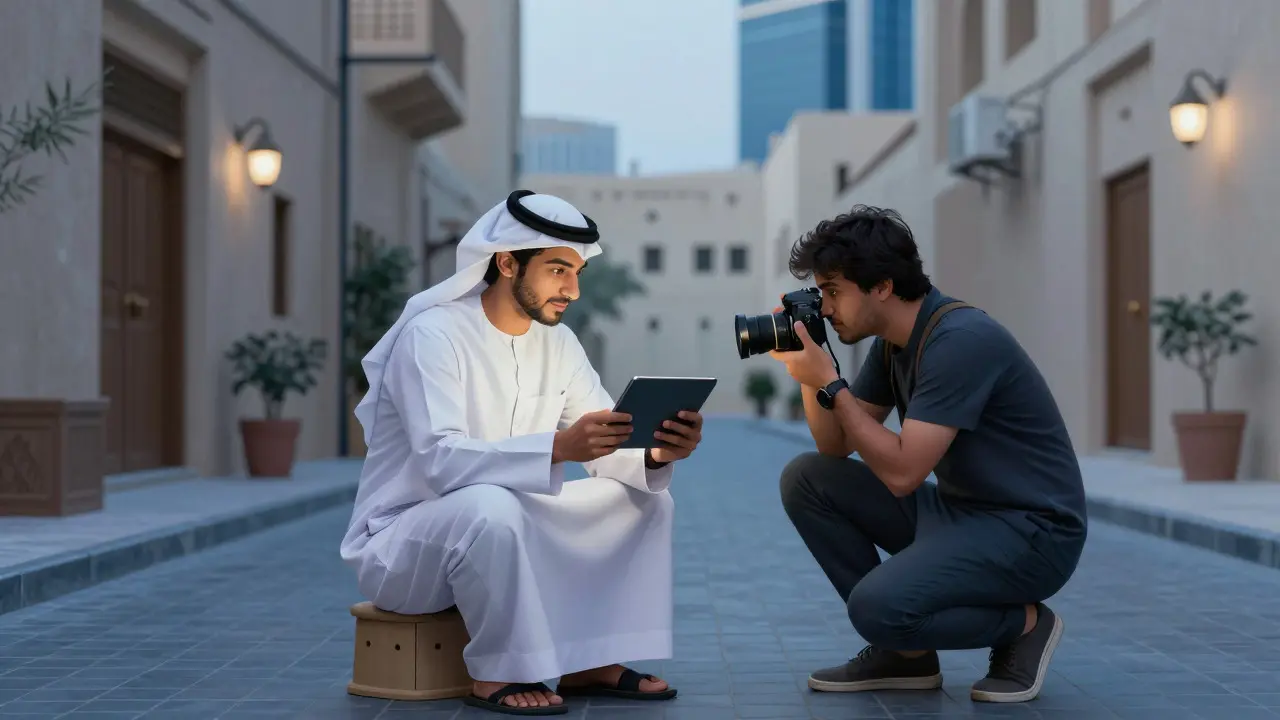
Body language matters more than words here. A raised hand, a relaxed posture, and a genuine smile signal friendliness. If you approach someone tense or hurried, they will likely say no. Look for subjects who are stationary, engaged in a low-stakes activity, or already looking in your direction. When you do get a "yes," don't rush. Take one or two shots, show them the result if possible (on your phone screen), and thank them sincerely. This small act of transparency turns a stranger into a collaborator.
- Approach slowly: Rushing signals urgency, which triggers defense mechanisms.
- Use non-verbal cues: Nodding and smiling bridge language gaps effectively.
- Offer value: Sometimes offering a print or a digital copy later shows you care about the image's quality, not just possession.
Technical Choices That Signal Respect
Your gear choice communicates intent. Walking around with a massive telephoto lens on a crowded street tells people you want to hide behind distance. It suggests you don't want them to know you're there. While useful for wildlife or sports, long lenses can feel predatory in urban portrait work. Switching to a standard prime lens, like a 35mm or 50mm, forces you to get closer. And getting closer requires interaction. It opens the door for conversation. It says, "I want to be part of this moment, not just observe it from afar."
Lighting also plays a role. Harsh flash in low-light situations can feel startling and artificial. Natural light, even if dim, preserves the mood of the environment. If you must use flash, consider using it as fill light rather than the main source. Keep the power low. The goal is to illuminate the face gently without blowing out the background or creating hard shadows that make the subject look stiff. Subtlety is key. The less technical intervention you impose on the scene, the more authentic the result feels.
| Lens Type | Social Signal | Best For |
|---|---|---|
| Wide Angle (16-24mm) | Inclusive, environmental | Context-heavy portraits, group scenes |
| Standard Prime (35-50mm) | Personal, interactive | One-on-one conversations, street portraits |
| Telephoto (85mm+) | Distant, observational | Quiet observation, avoiding intrusion |
Post-Shot Etiquette: What Happens After the Click
Many photographers stop caring the instant the shutter closes. This is a mistake. The relationship doesn't end with the click. If you took a portrait of a local artisan, a street musician, or a child playing, consider what happens next. Will you post it online? Will you sell it? Most locals assume their image is private unless told otherwise. If you plan to share the photo publicly, let them know. A simple, "I'm going to put this on my website/blog," is enough. It respects their agency over their own likeness.
If you are working commercially, the stakes are higher. Model releases become necessary, but even then, the human element shouldn't disappear. Explain why you want to use their image. People are more willing to consent when they understand the purpose. Is it for a documentary project? A gallery exhibition? A personal blog? Clarity builds trust. Ambiguity breeds suspicion. And suspicion kills the very authenticity you were trying to capture.
Common Pitfalls to Avoid
Even well-intentioned photographers make mistakes. One common error is "poverty tourism" framing. Shooting a person in difficult circumstances without context can turn their struggle into a spectacle. Always include the environment. Show the tools, the workspace, the surrounding community. This provides narrative weight and prevents the image from feeling exploitative. Another pitfall is ignoring hierarchy. In some cultures, elders hold significant authority. Photographing a younger member of a family without acknowledging the elder present can cause subtle friction. Notice who is leading the group and acknowledge them first.
Finally, avoid the "hero complex." You are not saving anyone by taking their picture. You are documenting. Keep your ego in check. If a subject asks to see the photo, show it. If they ask for a copy, give it. If they ask you to delete it, delete it. Their comfort is more important than your portfolio. This mindset shift-from collector to connector-is the single most important change you can make in your travel photography practice.
Frequently Asked Questions
Is it rude to take photos of strangers in public places?
Generally, no, provided the setting is truly public and the subject is engaged in a public activity. However, context matters. A beach is different from a hospital entrance. Use the "glance test" to gauge comfort levels. If the subject seems uncomfortable, stop shooting or ask politely.
Do I need a model release for editorial travel photography?
For purely editorial use (newspapers, magazines, documentaries), a signed release is often not legally required in many jurisdictions if the photo was taken in a public place. However, best practice is to obtain verbal consent and disclose intended use. For commercial use (ads, stock agencies), a signed release is almost always mandatory.
How do I photograph people in remote villages without speaking the language?
Rely on universal body language. Smile, wave, and point to your camera. Offer to show them the photo immediately after taking it. This creates a shared moment regardless of language barriers. Patience is crucial; allow time for the initial hesitation to pass.
What lens is best for respectful street portraiture?
A 35mm or 50mm prime lens is ideal. These focal lengths require you to be close enough to interact but far enough to include context. They encourage engagement rather than hidden observation, fostering a more collaborative dynamic with the subject.
Should I pay people for their portrait?
It depends on the context. In tourist areas, payment might be expected. In remote or rural areas, offering money can sometimes imply charity or create dependency. Often, offering a printed copy of the photo or sharing the digital file is a more equitable and respectful form of compensation.