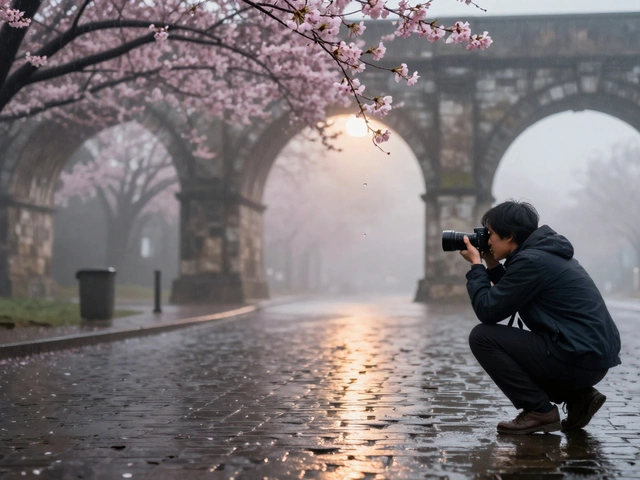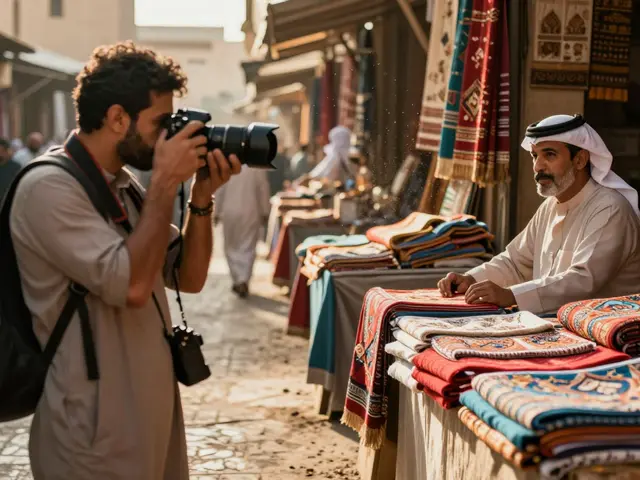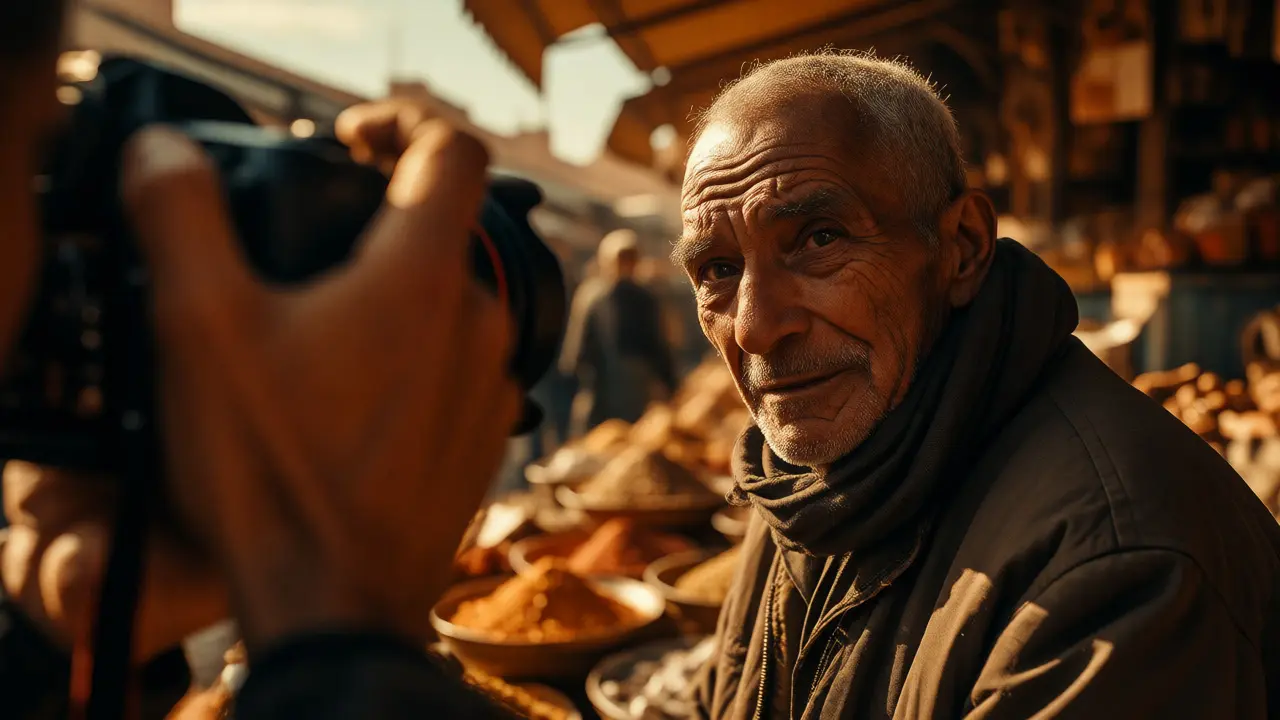
You’re standing in a bustling market in Marrakech. The light is perfect. A vendor’s face is lined with stories, his smile genuine. You raise your camera. He sees the lens and his expression shifts-not to anger, but to a subtle, weary resignation. He looks away. You take the shot anyway because you didn’t want to miss the moment. But did you capture the story, or just steal a piece of someone’s dignity?
This scenario plays out thousands of times a day across the globe. Travel photography is more than just capturing pretty landscapes; it is an act of interaction between the observer and the observed. When we point our lenses at people, especially those from different cultures, we enter a complex social contract. Ignoring this contract doesn't just make for awkward moments; it can perpetuate stereotypes and strip subjects of their agency.
The Power Dynamic Behind the Lens
Photography is never neutral. It involves power. The photographer holds the control-the choice of when to shoot, how to frame, and who gets to be seen. In many post-colonial contexts, this dynamic echoes historical imbalances where Westerners documented "the other" without permission or context. Today, with smartphones putting high-quality cameras in everyone's pocket, the volume of images taken of locals has exploded, often without any reciprocal relationship.
Think about the last time a stranger pointed a camera at you while you were eating lunch or praying. Did you feel invited into a conversation, or surveilled? Most people feel the latter. Recognizing this asymmetry is the first step toward ethical shooting. It means acknowledging that the person in front of your lens is not content for your Instagram feed, but a human being with rights, feelings, and a life that continues after you lower your camera.
Understanding Consent Across Cultures
Consent isn't a one-size-fits-all concept. What feels polite in Tokyo might seem intrusive in Cairo, and what works in New York might fail in rural Peru. Cultural norms dictate how eye contact, personal space, and direct communication are interpreted. In some high-context cultures, a direct verbal request for permission might be considered aggressive or rude, whereas in low-context cultures, silence might be misinterpreted as agreement.
Here is where cultural sensitivity comes into play. It requires reading the room before reading the histogram. Are the people relaxed? Is there eye contact? If someone avoids your gaze immediately upon seeing your camera, that is a non-verbal "no." Pushing past that signal is where respect ends and entitlement begins.
| Region/Culture Type | Common Norms Regarding Photography | Recommended Approach |
|---|---|---|
| High-Context (e.g., Japan, Korea) | Indirect communication; public privacy valued; flash may be disruptive. | Use long lenses to avoid intrusion; ask quietly if possible; observe body language closely. |
| Low-Context (e.g., USA, Germany) | Direct communication accepted; clear verbal consent preferred. | Ask directly: "May I take your photo?" Be prepared for a clear yes or no. |
| Collectivist (e.g., parts of Africa, Asia) | Community approval often matters more than individual; children are common subjects. | Engage with elders or leaders first; build rapport before shooting; involve parents for kids. |
| Sacred/Religious Spaces | Strict rules against photography during rituals; modesty emphasized. | Check signs explicitly; turn off shutter sound; never interrupt worship with a flash. |
Beyond the Nod: Building Genuine Connection
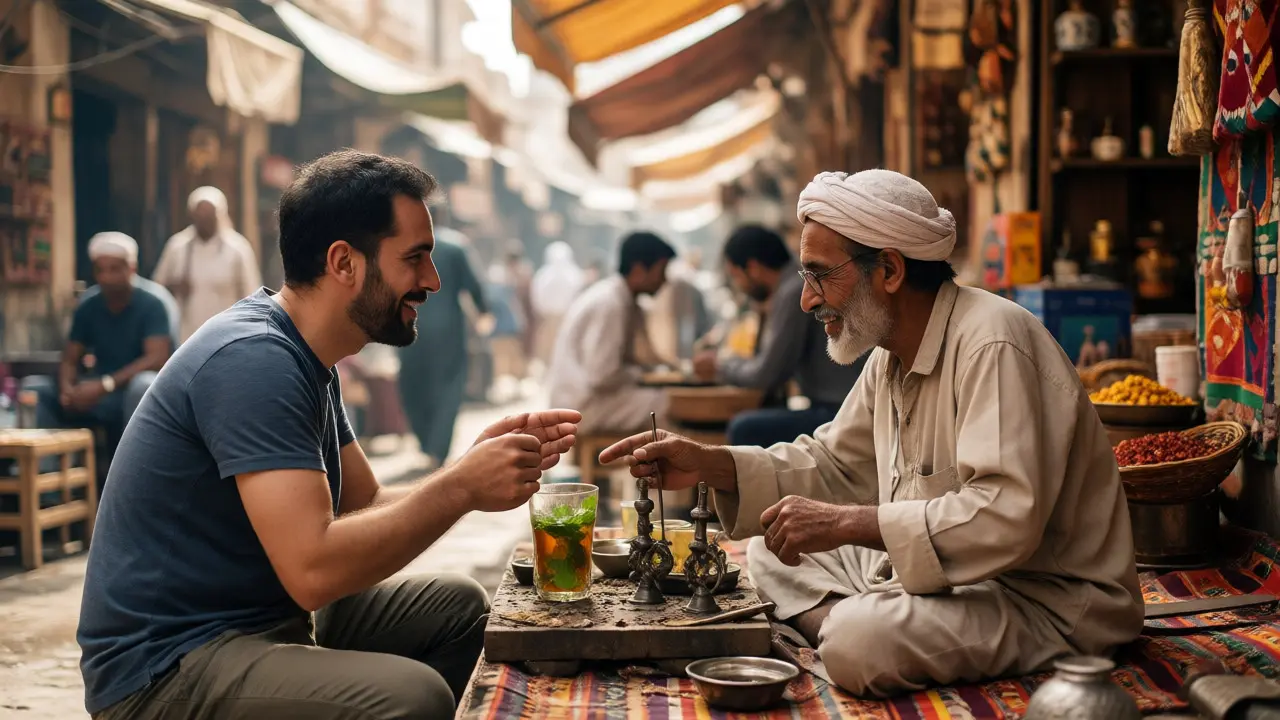
Asking for permission shouldn't feel like a transactional hurdle-"I need this shot, do I have your okay?" Instead, treat it as the start of a mini-conversation. Even if you don't speak the local language, a smile, a wave, or pointing to your camera and then to them can bridge the gap. Often, the most powerful portraits come not from the initial ask, but from the five minutes of chatting afterward.
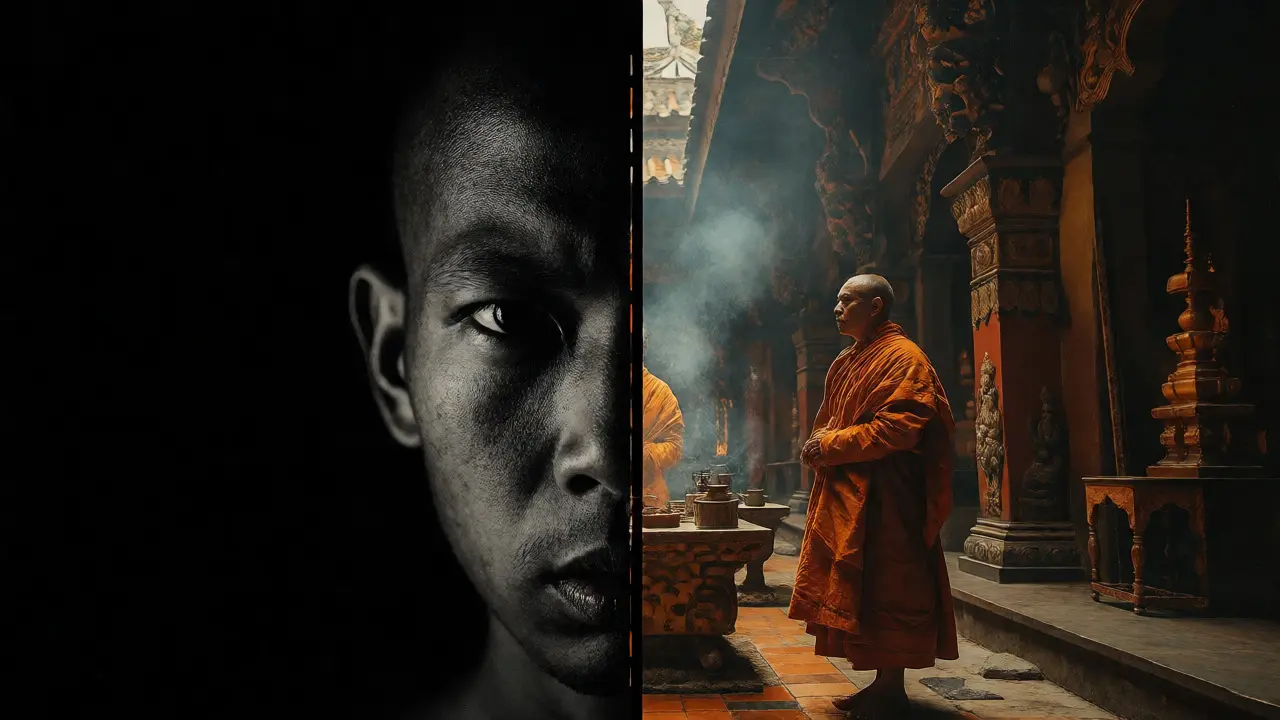
Consider the story of Steve McCurry, whose famous "Afghan Girl" portrait became iconic partly because of the connection he built, though even his methods have been debated. Contrast that with the tourist who snaps a photo of a monk meditating and runs off. The former captures humanity; the latter captures a prop. Spend time. Buy a coffee. Ask about their work. Let them get used to your presence. When they forget you are there, or when they actively pose for you, the image will carry a warmth that forced shots lack.
This approach also protects you. When you engage, you learn context. You might discover that the woman selling flowers is actually a teacher doing it on weekends, or that the man fixing bikes is proud of his craft, not pitiable. This knowledge changes how you frame the shot. You stop looking for poverty porn and start looking for pride, resilience, or joy.
The Ethics of Money and Exchange
A frequent question among travelers is: "Should I pay for photos?" There is no universal rule, but there is a general principle: never expect free labor from locals, especially in tourist-heavy areas. In places like Bali, Thailand, or Morocco, professional models often pose for tourists for a small fee. If someone is clearly posing for you, offering payment is respectful and fair.
However, paying every single person you photograph can create dependency or commodify culture. It can lead to situations where people only smile when money is involved, distorting the authenticity of the scene. A good middle ground is reciprocity. Offer to print the photo for them, send it via WhatsApp, or buy something from their stall. This creates a two-way exchange rather than a charity case.
Be wary of "photo opportunities" that feel staged specifically for tourists. While these can be fun, recognize that you are buying a performance, not documenting reality. Label them as such in your mind (and captions) so you don't misrepresent the culture to your audience.
Handling Sacred and Private Moments
Some moments are not meant for outsiders. Religious ceremonies, funerals, and private family gatherings require extreme caution. Always look for posted signs prohibiting photography. If none exist, err on the side of caution. Do not use flash in temples or churches unless explicitly permitted; the sudden burst of light can be seen as disrespectful or even aggressive in solemn settings.
When photographing religious figures, consider the intent. Are you documenting their devotion, or are you treating them as exotic curiosities? Avoid cropping out context that explains the significance of the ritual. A wide shot that shows the environment often respects the sanctity better than a tight close-up that isolates the subject for aesthetic purposes.
Children deserve special mention. They are vulnerable and cannot give informed consent. Never photograph a child without parental permission. And think twice before posting a candid shot of a crying child online. Does it serve the child's narrative, or does it serve your desire for an emotional reaction from your followers? If you wouldn't want a stranger posting a picture of your kid mid-tantrum, think twice before doing it to theirs.
Post-Processing and Representation
Ethics don't end when you press the shutter button. How you edit and caption your photos matters too. Heavy saturation and contrast filters can exaggerate features, sometimes leaning into caricature. Be mindful of how you present skin tones and environments. Are you enhancing the natural beauty, or are you making it look "exotic" to fit a Western ideal?
Captions are your chance to add value. Instead of writing "Beautiful village," try "A fisherman repairs nets in Ha Long Bay, continuing a tradition passed down through three generations." Context combats stereotyping. It turns a visual object into a human story. Furthermore, credit your subjects if appropriate. If you formed a bond, tag them or mention their name (with permission). It acknowledges their contribution to your art.
Practical Checklist for Ethical Shooting
- Observe First: Put the camera down for ten minutes. Watch how people interact. Understand the rhythm of the place.
- Learn Key Phrases: Learn how to say "Hello," "Thank you," and "May I take a photo?" in the local language. Effort goes a long way.
- Respect Signs: No-photo zones exist for a reason. Honor them strictly.
- Offer Reciprocity: Show the subject the image on your screen. Offer to share it digitally or print it.
- Know Your Gear: Use a longer focal length if you need distance for privacy. Turn off the beep/shutter sound in quiet spaces.
- Reflect Before Posting: Ask yourself: Does this image reinforce a stereotype? Would the subject be comfortable with this caption?
Frequently Asked Questions
Do I always need written consent for travel photos?
No, written consent is rarely required for casual travel photography. Verbal permission or implied consent through engagement is usually sufficient. However, if you plan to sell the photo commercially or use it in advertising, a signed model release is legally necessary in most jurisdictions.
Is it rude to take photos of people in Europe?
It depends on the country. In countries like France and Italy, privacy laws are strict regarding identifiable faces in commercial contexts, but street photography is generally tolerated. In Germany, privacy concerns are higher, and people may be more hesitant. Always gauge the vibe; if people seem uncomfortable, ask or move on.
What should I do if someone says no to a photo?
Smile, thank them for their time, and walk away. Do not argue or try to convince them. Their comfort takes precedence over your shot. Respecting a "no" builds trust with the community and makes future interactions smoother.
Are drone photos exempt from cultural sensitivity rules?
Not entirely. While drones capture landscapes, they can intrude on private property and sacred spaces. Many countries ban drones near temples, military sites, or residential areas due to noise and privacy concerns. Always check local aviation laws and cultural norms before flying.
How do I handle requests for money after taking a photo?
If you asked for permission beforehand, a small tip is a nice gesture but not always mandatory unless agreed upon. If you took a candid shot and someone demands money, assess the situation. If they provided a service (like posing), pay a fair amount. If it feels like a toll-booth mentality, you can politely decline, but be aware that this may happen frequently in highly touristic spots.