You’ve got a camera in your pocket that rivals professional gear from just a few years ago. So why is your footage still shaky? Whether you’re chasing the golden hour on a mountain trail or setting up a quick time-lapse in a bustling city square, holding your phone steady by hand has limits. That’s where smartphone tripods come in. They are no longer just cheap plastic accessories; they have evolved into precision tools designed to keep your shots crisp without weighing down your carry-on.
Finding the right support means balancing three things: weight, stability, and versatility. You don’t want something so heavy you leave it at home, but you also can’t afford something that tips over in a light breeze. Here is how to choose the best lightweight support for your travels, based on what actually works in the field.
Why Mini Tripods Are Different From Selfie Sticks
It’s easy to lump all phone supports together, but there is a big difference between a selfie stick and a proper mini tripod. A selfie stick is great for including yourself in the frame, but it offers almost zero stability. If you try to shoot a video with a standard selfie stick, even small hand movements will translate into jittery footage.
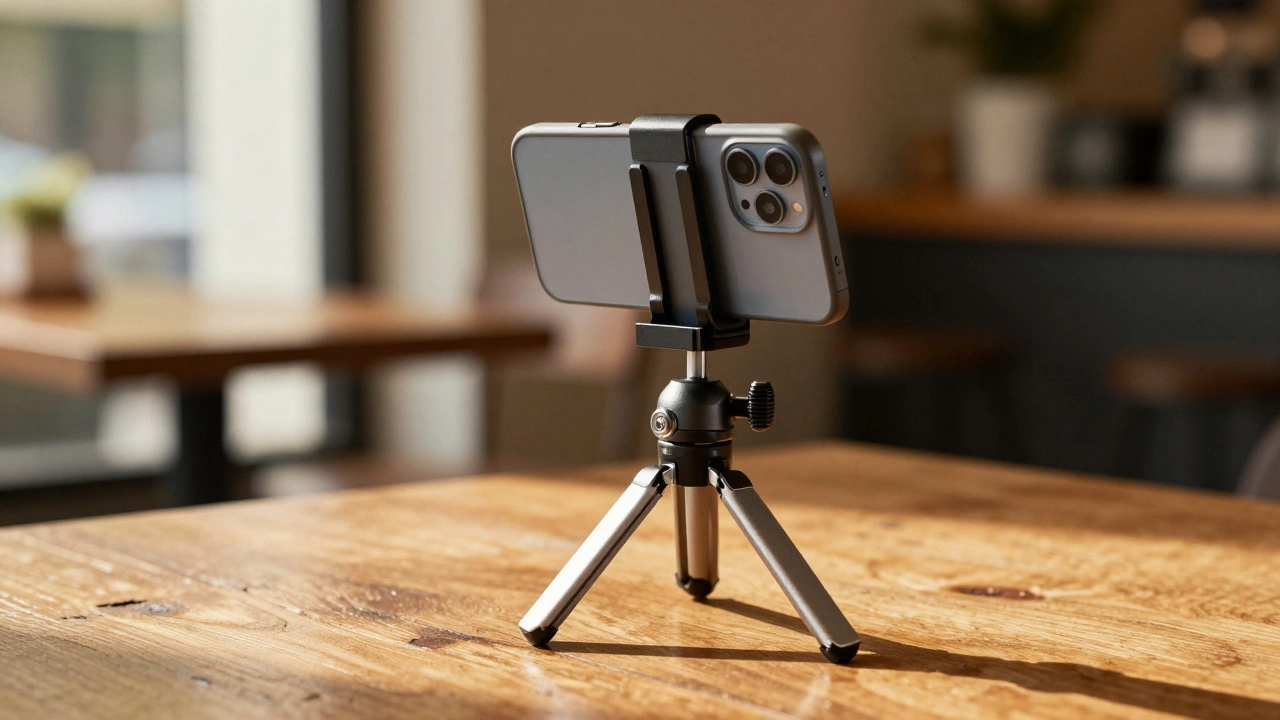
A dedicated mini tripod, like the Manfrotto PIXI Mini, is a compact, metal-built support system designed for tabletop use and handheld grip versatility. weighs under 300 grams. It uses short, sturdy legs and a ball head that lets you tilt your phone precisely. This design gives you rock-solid stability for low-angle shots, table-top product photos, or when you prop it against a wall or railing. The trade-off? Height. Most mini tripods max out around 15-20 cm (6-8 inches). You won’t be shooting over crowds with these, but for close-up work and controlled environments, they are unbeatable in terms of portability.
The Versatility of Hybrid Designs
If you need more reach than a mini tripod provides but don’t want to lug around a full-size stand, hybrid designs are the sweet spot. The Joby TelePod Mobile is a multi-functional support that acts as a selfie stick, monopod, and mini-tripod simultaneously. extends to about 70-80 cm (28-31 inches). This height is enough for most eye-level shots and group selfies while still folding down small enough to fit in a daypack side pocket.
These hybrids usually feature flexible rubberized feet or sections that can wrap around poles and branches. This makes them incredibly useful for travel photographers who encounter uneven terrain. However, because they rely on telescoping tubes, they are less rigid than solid-leg tripods. In windy conditions, or if you attach any extra accessories like a microphone, a hybrid might wobble. They are best for casual vlogging and social media content where speed and flexibility matter more than absolute rigidity.
When to Go Big: Full-Size Travel Tripods
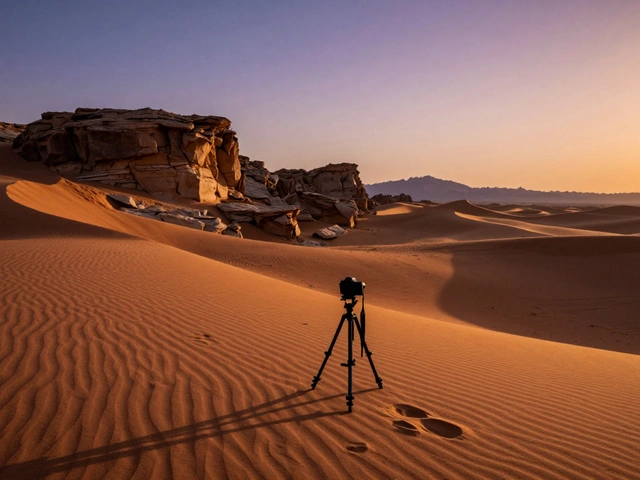
Some travelers insist on bringing a full-size camera tripod. If you are serious about long-exposure night photography, astrophotography, or using telephoto lenses on a mirrorless camera alongside your phone, this is the only way to go. Brands like Benro and Manfrotto offer carbon-fiber models that weigh between 1.0 and 1.5 kg (2.2-3.3 lbs) and fold down to roughly 40 cm (16 inches).
To use these with a smartphone, you’ll need a universal phone clamp that screws into the standard 1/4"-20 thread on the tripod head. These clamps typically cost an extra $10-$30. The benefit here is immense stability. A full-size tripod won’t budge in wind, and its height (often 130-160 cm) allows for true landscape framing. The downside is obvious: bulk. Carrying 1.5 kg of metal and carbon fiber adds significant weight to your pack. Unless you are committed to high-end photography techniques, this is likely overkill for most users.
New Innovations: Rapid Deployment Systems
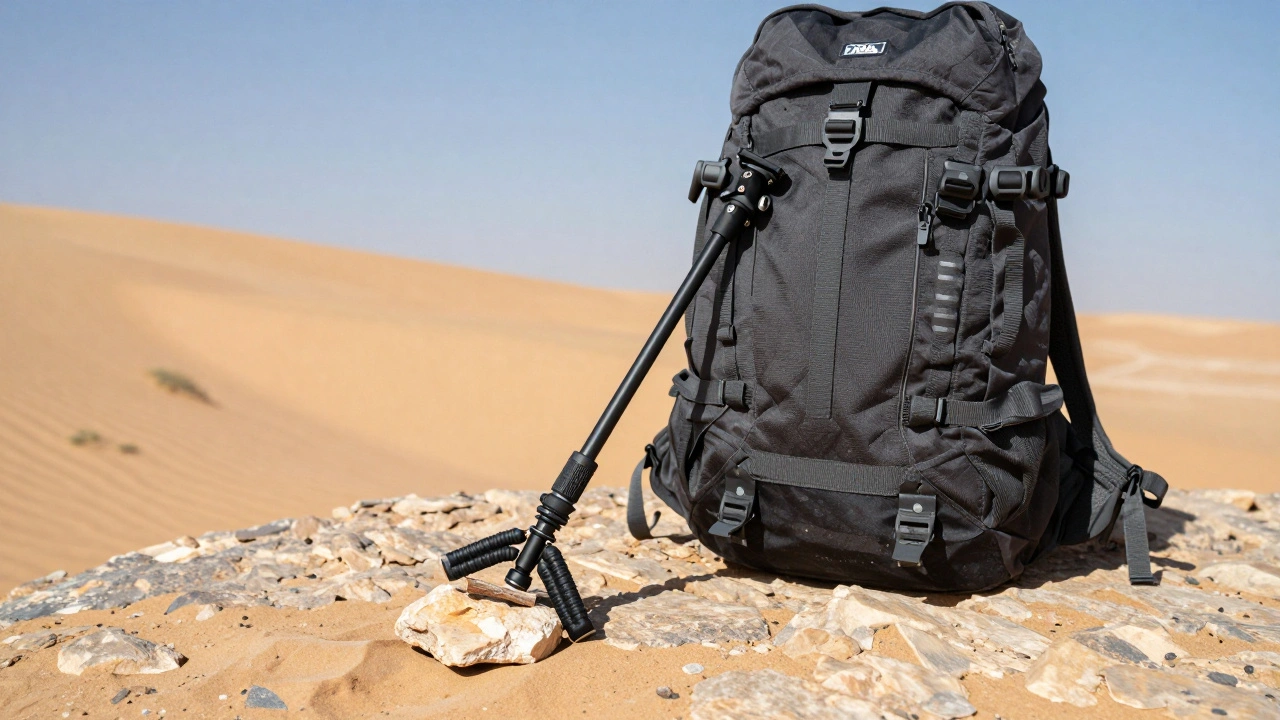
The market is seeing new designs focused on speed. Products like the JustTap tripod introduce a tap-to-deploy mechanism. Instead of fiddling with twist locks or flip levers, you extend the central column and tap the base against the ground or your knee. The legs spring open instantly.
This design often incorporates zinc alloy legs for strength and includes integrated electronics, such as a magnetic Bluetooth remote that charges via USB-C directly from the tripod body. For content creators who set up and break down dozens of times a day for reels or TikToks, this saves precious seconds. It prioritizes user experience and aesthetics over modularity. If you drop a traditional tripod, you can replace a leg lock. With proprietary rapid-deployment systems, repair options may be limited. But for pure convenience, they are changing the game.
| Feature | Mini Tripod (e.g., Manfrotto PIXI) | Hybrid Stick-Tripod (e.g., Joby TelePod) | Full-Size Travel Tripod |
|---|---|---|---|
| Weight | ~200-300 g | ~200-300 g | 1.0-1.5 kg |
| Max Height | 15-20 cm | 70-80 cm | 130-160 cm |
| Stability | High (on flat surfaces) | Moderate | Very High |
| Best For | Tabletop, low angles, tight packing | Vlogging, selfies, versatile mounting | Night shots, landscapes, heavy cameras |
| Price Range | $25-$40 | $50± | $100-$400+ |
What to Look For When Buying
Not all tripods are created equal. When evaluating options, focus on these specific attributes:
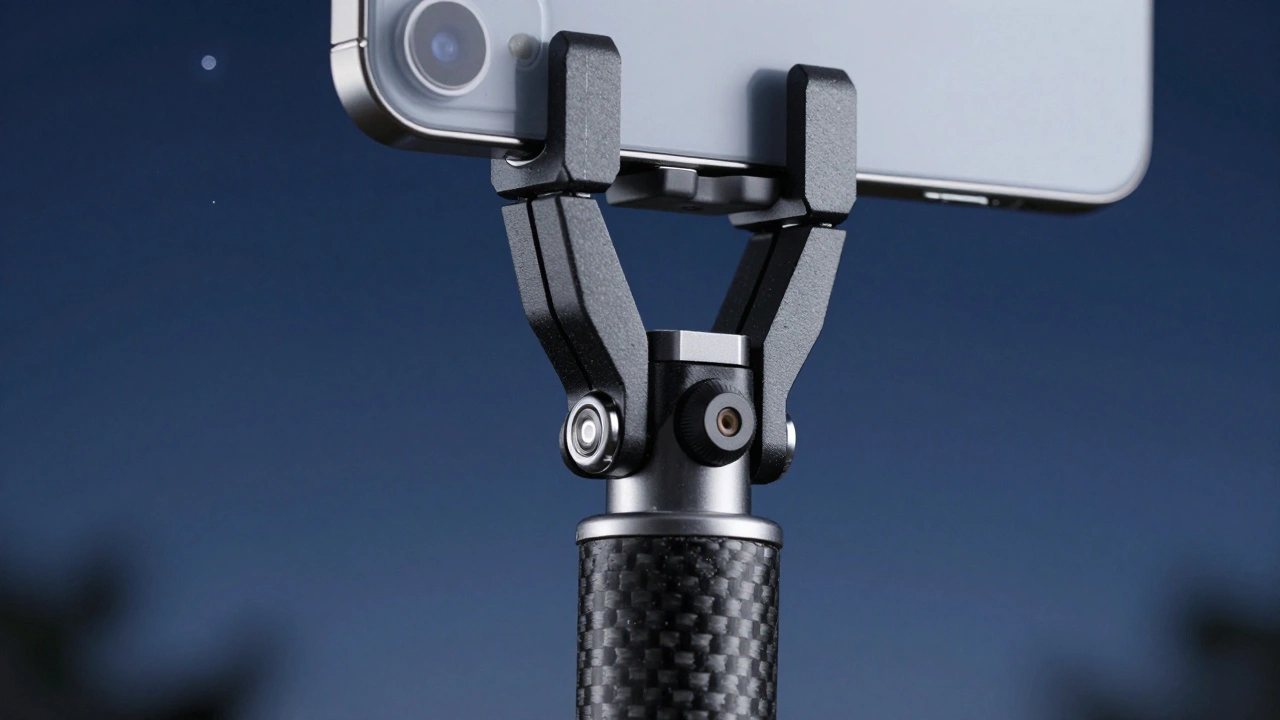
- Phone Clamp Quality: This is the most critical component. Look for spring-loaded clamps with rubberized jaws. They should grip phones between 60-90 mm wide securely without scratching the finish. Cheap plastic clamps slip easily, especially when adjusting angles.
- Head Type: Ball heads are generally faster and easier to adjust than pan-tilt heads. They allow you to tilt the phone ±90° for portrait orientation and pan 360°. Ensure the locking knob is accessible and doesn’t require excessive force to tighten.
- Material: Aluminum and zinc alloys offer a good balance of strength and weight. Carbon fiber is lighter and stiffer but significantly more expensive. Avoid all-plastic legs for anything beyond indoor use, as they tend to flex and break under stress.
- Foot Design: Rubber feet provide grip on smooth floors and rocks. Some full-size tripods include interchangeable spike feet for soil or ice, which is a nice bonus for hikers.
Budget vs. Premium: Is It Worth Spending More?
You can find generic aluminum tripods with phone mounts for under $30 at big-box retailers. They often come with a carrying bag and look decent at first glance. However, expert reviews consistently warn against the lowest price tier. These budget options frequently suffer from loose leg locks, wobbly heads, and fragile clamps that fail after a few months of travel.
Spending $25-$50 on a reputable brand like Manfrotto or Joby buys you reliability. The tolerances are tighter, the materials are higher grade, and the customer support is better. For a tool that protects your expensive smartphone, that extra investment pays off quickly. If you are only shooting occasional family photos, a budget option might suffice. But for regular content creation or serious travel photography, go mid-range or premium.
Practical Tips for Using Phone Tripods While Traveling
Even the best tripod won’t help if you use it incorrectly. Here are some pro tips to get the most out of your setup:
- Use Environmental Supports: Since mini tripods are short, lean them against walls, railings, or rocks. This increases their effective height and stability dramatically.
- Avoid Extending Center Columns in Wind: If you are using a full-size tripod, keep the center column retracted. Extend the legs instead. A raised center column creates a pendulum effect, making the entire setup unstable in gusts.
- Check Your Case Compatibility: Thick protective cases can prevent your phone from fitting into the clamp. Measure your phone’s width with the case on before buying. Some clamps have adjustable arms, but others are fixed.
- Practice Setup Time: Before you hit the road, practice setting up and breaking down your tripod. Know how the locks work. This muscle memory saves frustration when you’re trying to capture a fleeting moment.
Future Trends in Mobile Support
The market is moving toward integration. We are seeing more tripods with built-in Bluetooth remotes, MagSafe-compatible magnetic mounts, and even programmable tracking heads. As smartphone cameras continue to improve, the accessories supporting them are becoming more sophisticated. Expect to see lighter materials, smarter electronics, and designs that blur the line between simple props and professional camera rigs.
What is the best lightweight tripod for travel in 2026?
For most travelers, the Joby TelePod Mobile offers the best balance of versatility and portability. It functions as a selfie stick, monopod, and mini-tripod, weighing only around 200-300 grams. If you prefer a dedicated stable platform for tabletop shots, the Manfrotto PIXI Mini is highly recommended for its robust metal build and compact size.
Do I need a full-size tripod for my smartphone?
Only if you plan to do long-exposure night photography, astrophotography, or use telephoto lenses. For general travel photos, vlogs, and social media content, a mini tripod or hybrid stick-tripod is sufficient and much easier to carry. Full-size tripods weigh 1-1.5 kg, which can be burdensome for hiking or city walking.
Are cheap phone tripods worth buying?
Generally, no. Budget tripods under $20 often have weak clamps that can drop your phone and flimsy legs that wobble. Investing in a mid-range option ($25-$50) from brands like Manfrotto or Joby ensures durability and stability, protecting your device and improving shot quality.
How do I secure my phone to a standard camera tripod?
You need a universal smartphone clamp. These clamps have a standard 1/4"-20 screw on the bottom that fits into any camera tripod head. Make sure the clamp’s jaws are rubberized and adjustable to fit your phone’s width, including its case.
What is a tap-to-deploy tripod?
A tap-to-deploy tripod, like the JustTap model, features a mechanism where you extend the center column and tap the base to instantly spring open the legs. This design prioritizes speed and ease of use for content creators, often incorporating integrated Bluetooth remotes and zinc alloy construction for durability.