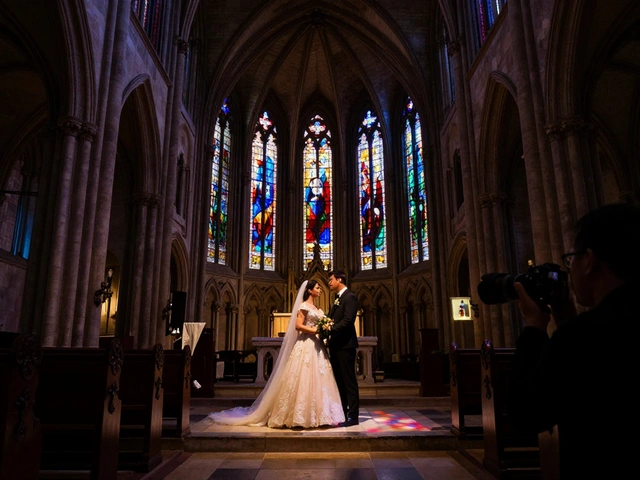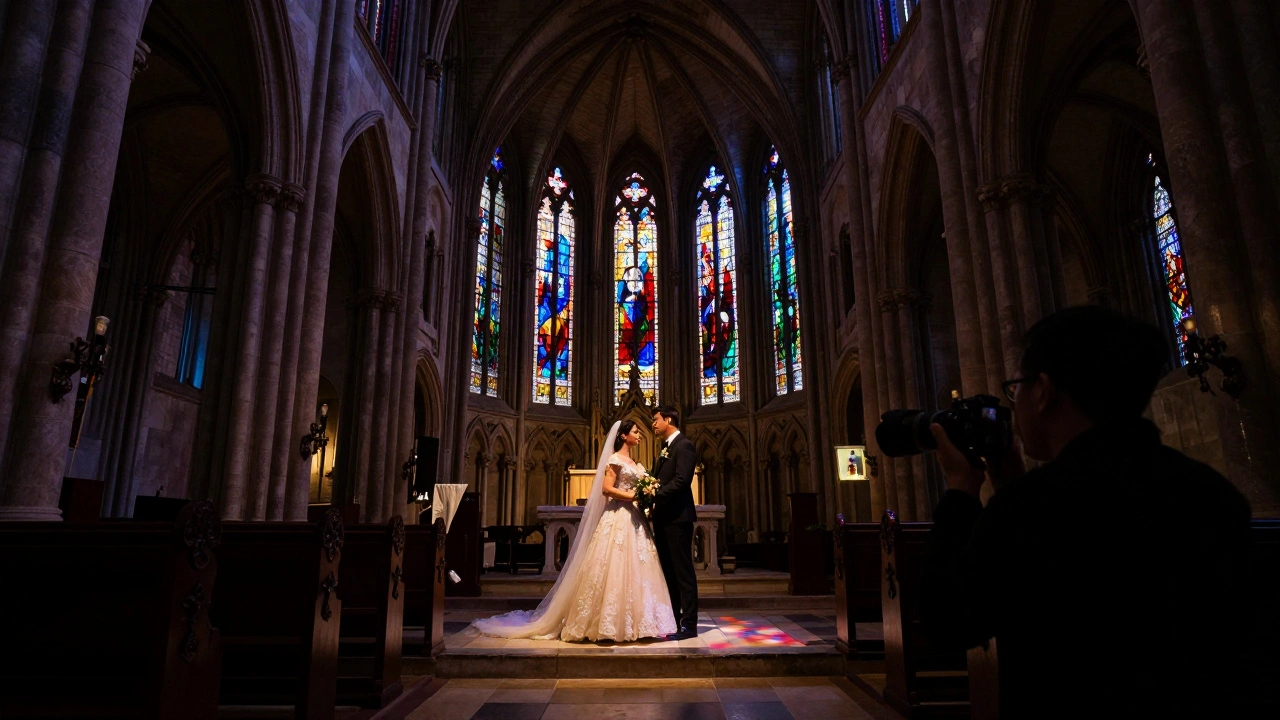
Imagine this: You’ve finally secured the perfect date. The guest list is finalized. But then you walk into your chosen indoor venue-a soaring Gothic church or a vast hotel ballroom-and realize the space feels more like an obstacle course than a celebration hall. The light is dim, the walls are dark, and the rules are strict. This is the reality for many couples choosing indoor wedding venues, which include fully enclosed spaces such as churches, ballrooms, and banquet halls designed to host ceremonies and receptions with climate control and built-in amenities. While these locations offer protection from unpredictable weather, they come with a unique set of logistical and aesthetic hurdles that can make planning feel overwhelming.
The biggest culprit? Lighting. In an outdoor garden, you have the sun. Inside a sanctuary or a banquet hall, you’re at the mercy of architecture, old wiring, and often, restrictive policies. Whether you are dealing with the stained-glass shadows of a historic chapel or the neon wash of a modern ballroom’s uplighting, understanding these challenges before you sign the contract is crucial for saving your sanity-and your photos.
The Church Conundrum: Tradition vs. Logistics
Church weddings remain a top choice for couples seeking spiritual significance and traditional ambiance. However, these venues are rarely designed with modern event logistics in mind. They are places of worship first, and event spaces second. This distinction creates immediate friction when it comes to scheduling, décor, and comfort.
One of the most common headaches is limited availability. Unlike a dedicated event center that books primarily for weekends, a church operates on a year-round religious calendar. Popular Saturday slots may be booked months-or even years-in advance. Furthermore, many churches restrict ceremony times to early afternoons to avoid conflicts with evening services or community events. If you dream of a late-afternoon golden hour vibe, a traditional church schedule might not accommodate it.
Then there is the issue of physical constraints. Heritage Ranch notes that sanctuaries often feature narrow aisles, fixed pews, and high ceilings that were never meant to house air conditioning ducts or modern sound systems. Retrofitting these older buildings is expensive and often prohibited to preserve historical integrity. As a result, temperature control can be spotty; you might find yourself shivering in winter or sweating through your vows in summer because the HVAC system simply can’t handle the volume of guests.
Decor restrictions are another major hurdle. Many churches prohibit taping, nailing, or draping fabrics over pews and pillars. Some ban candles entirely due to fire codes, while others restrict floral arrangements that could damage delicate woodwork or stone floors. If your vision involves elaborate hanging installations or confetti cannons, a traditional church is likely off-limits. Always ask for a written copy of the décor policy before booking.
| Feature | Church / Sanctuary | Ballroom / Banquet Hall |
|---|---|---|
| Scheduling Flexibility | Low (Restricted by religious services) | High (Dedicated event hours) |
| Alcohol Policy | Often Prohibited (Dry venues common) | Allowed (In-house or external catering) |
| Décor Freedom | Strict (No nails/tape, limited florals) | Flexible (Custom layouts allowed) |
| Lighting Control | Limited (Fixed architectural lights) | High (Programmable LED/uplighting) |
| Climate Control | Variable (Older infrastructure issues) | Consistent (Modern HVAC systems) |
Ballrooms and Banquet Halls: The Blank Canvas Trap
If churches are too rigid, ballrooms and banquet halls, often located within hotels or conference centers, seem like the ultimate solution. They offer flat floors, ample space for dance floors, and professional event staff. Yet, they bring their own set of challenges, primarily revolving around cost and atmosphere.
The "blank canvas" nature of a ballroom is both its greatest strength and its biggest weakness. Without natural scenery or architectural character, the room can feel sterile and generic. To fix this, couples often feel pressured to spend heavily on décor-drapery, centerpieces, and massive floral installations-to fill the void. Le James Venue points out that large ballrooms can feel impersonal for smaller weddings, requiring significant investment just to create intimacy.
Financial constraints also play a role. Many hotel ballrooms enforce minimum food and beverage spends, which can skyrocket the total cost of the wedding. Additionally, if your guest count is lower than the venue’s recommended capacity, you may still be charged for the full space, leading to wasted money and an empty-looking room.
Logistically, ballrooms operate on tight turnaround schedules. In hotels, multiple events may happen simultaneously. This means strict load-in times for vendors, designated areas for servers to pass, and hard end-times to allow for cleaning and setup for the next event. You don’t have the luxury of lingering past midnight to let guests dance freely if the venue needs the space back by 1 AM.
The Lighting Nightmare: Why Indoor Photos Fail
Perhaps the most critical challenge in any indoor venue is difficult lighting. For photographers, bad lighting is the enemy of good images. In churches and ballrooms, the lighting conditions are rarely ideal for standard camera settings.
In churches, the problem is often mixed color temperatures and deep shadows. Stained-glass windows cast vibrant reds, blues, and greens onto faces, creating unnatural skin tones. High vaulted ceilings mean that ambient light from fixtures is weak by the time it reaches the floor. If the church prohibits flash photography during the ceremony-a common rule to maintain solemnity-photographers must rely on high ISO settings and fast lenses. This can result in grainy, noisy images, especially in low-light conditions. Shadows near the altar can swallow details, leaving the couple’s faces underexposed.
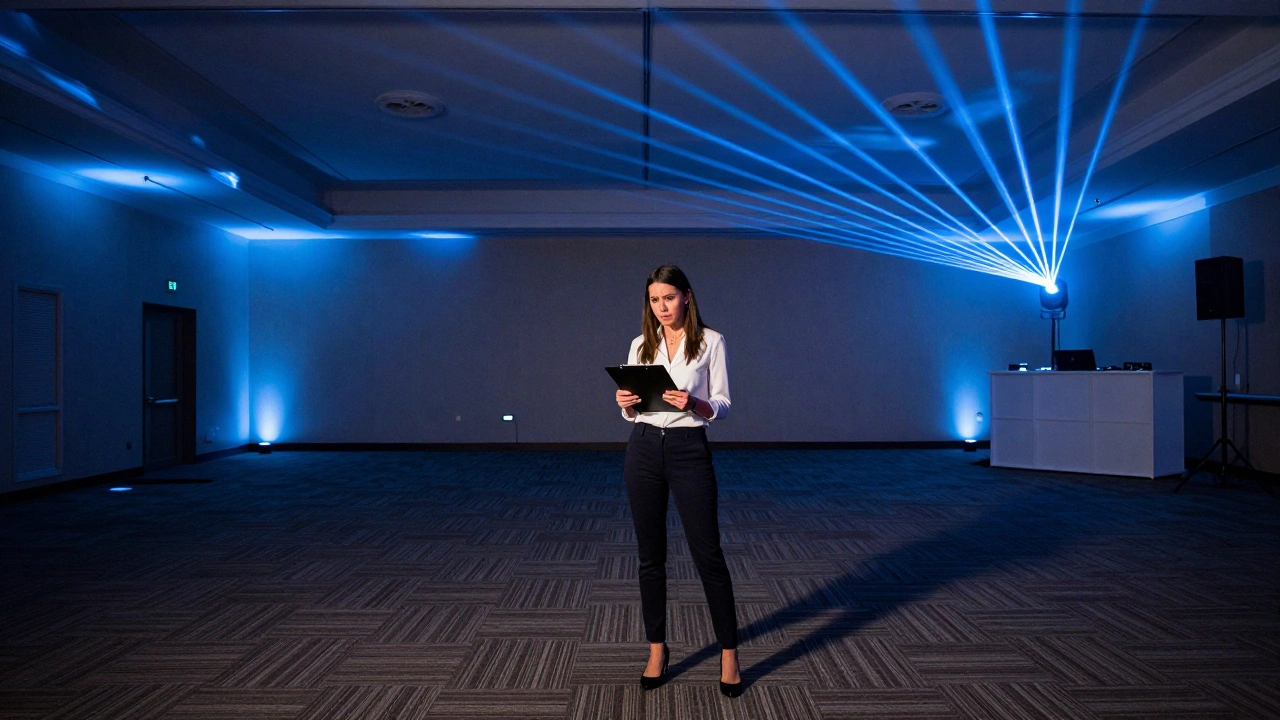
In ballrooms, the issue shifts to artificial intensity and color casts. Modern venues often use colored LED uplighting to match the wedding palette. While this looks great in person, it can wreak havoc on white balance. A strong blue wash on the walls can reflect onto guests’ faces, making them look sickly or cool-toned. Furthermore, DJs frequently add moving lights, lasers, and strobes. If these aren’t coordinated with the photographer, they cause uneven exposure, blown-out highlights, and distracting patterns in videos and photos.
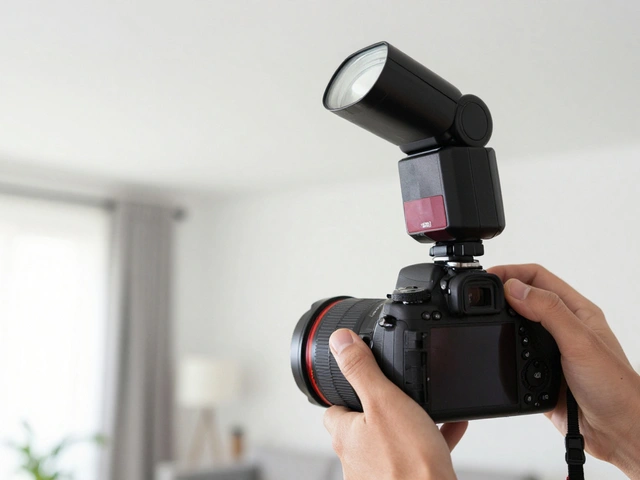
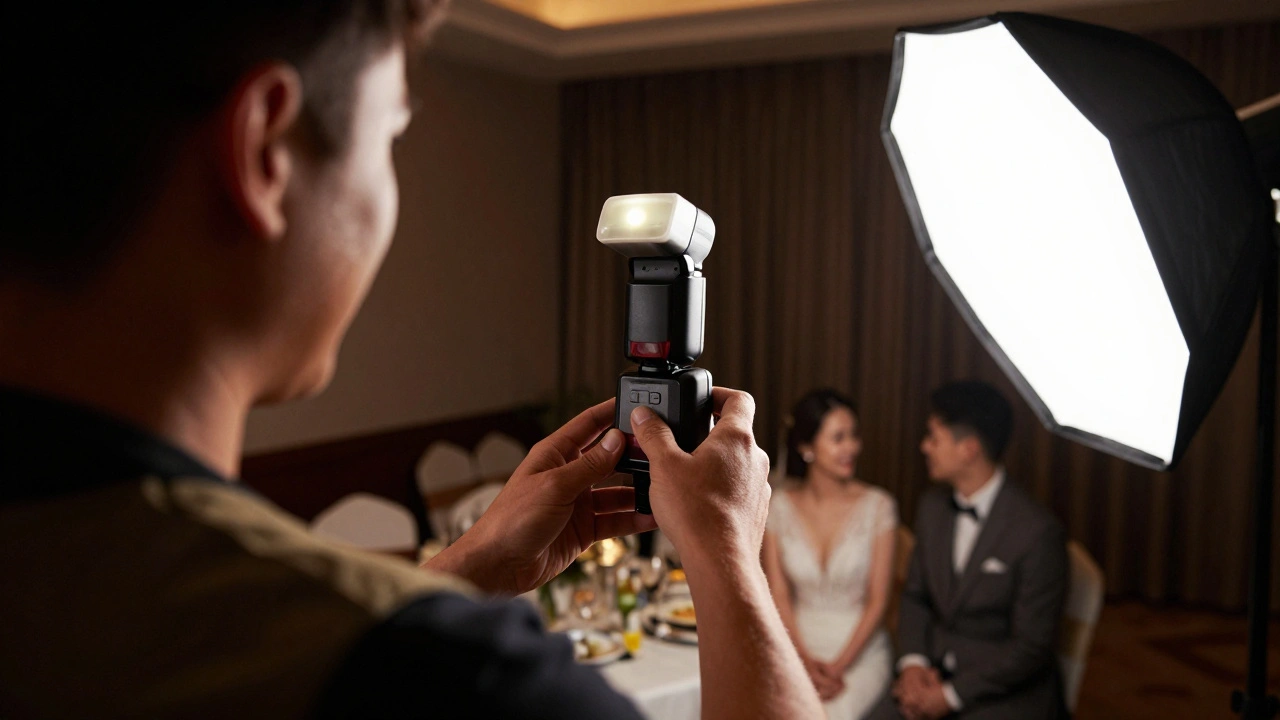
Dark wall coverings and carpeting, common in hotels to hide wear and tear, absorb light rather than bounce it. This requires photographers to use powerful flashes or continuous lights to illuminate group portraits. Without proper supplemental lighting, candid shots in the corners of the room will be dark and muddy.
Strategies to Overcome Indoor Venue Challenges
You don’t have to accept poor lighting or restrictive rules as inevitable. With careful planning and vendor coordination, you can mitigate these risks. Here is how to tackle the most common indoor wedding pitfalls.
- Conduct a Site Visit at Event Time: Don’t just tour the venue in the morning. Visit at the same time of day your ceremony or reception will occur. Check the natural light coming through windows. Are the artificial lights flickering? Is the HVAC system noisy? Metropol Banquet advises assessing the mood of the space under evening conditions to see how the lighting actually performs.
- Hire a Photographer Who Understands Low Light: Look for professionals who specialize in indoor or church weddings. Ask to see samples of their work in similar venues. They should be comfortable using off-camera flash, continuous lighting, and high-ISO techniques without compromising image quality. Avoid photographers who rely solely on natural light for indoor ceremonies.
- Coordinate Lighting with Your DJ and Planner: If you’re using colored uplighting or party effects, discuss this with your photographer beforehand. Agree on when certain lights will be turned on or off. For example, keep intense strobes off during speeches and formal portraits. Use warm, neutral tones for dining areas to ensure flattering skin tones.
- Plan for Décor Restrictions Early: If you choose a church, ask specifically about what you can and cannot do. Can you use aisle runners? Are candles allowed? If the answer is no, pivot your design strategy. Focus on floral arches, pew-end arrangements, or program designs that comply with the rules. Don’t wait until the week of the wedding to discover you can’t hang your dream chandelier.
- Budget for Supplemental Lighting: In ballrooms, consider renting additional lighting equipment if the venue’s basic package is insufficient. Pin-spots for the cake table, uplights for the dance floor, and string lights for the entrance can transform a generic space. Factor these costs into your overall budget, as they are essential for both ambiance and photo quality.
- Check Alcohol and Music Policies: If you want a bar service or specific music genres, verify that the venue allows them. Some churches are strictly dry and ban secular music during the ceremony. If these are non-negotiable for you, a dedicated event center or ballroom may be a better fit, despite the higher cost.
Making the Right Choice for Your Wedding
Choosing between a church and a ballroom isn’t just about aesthetics; it’s about prioritizing what matters most to you. If spiritual tradition and symbolic meaning are paramount, a church offers unparalleled depth, provided you are willing to navigate its logistical constraints. If flexibility, comfort, and a seamless party experience are your goals, a ballroom delivers, albeit with a higher price tag and less inherent character.
Ultimately, the success of your indoor wedding depends on preparation. By acknowledging the challenges of difficult lighting, space limitations, and venue restrictions early in the planning process, you can take proactive steps to overcome them. Work closely with your vendors, communicate clearly with the venue management, and invest in the right technical solutions. With the right approach, even the most challenging indoor space can become the backdrop for a beautiful, memorable celebration.
Why is lighting so difficult in church weddings?
Churches often have high ceilings, dark interiors, and limited controllable light fixtures. Stained-glass windows create mixed color casts, and shadows near the altar can obscure details. Additionally, many churches prohibit flash photography, forcing photographers to use high ISO settings which can lead to grainy images.
Can I have alcohol at a church wedding reception?
It depends on the specific church. Many churches prohibit alcohol on the premises, especially in sanctuaries and fellowship halls, requiring "dry" receptions. Others may allow it with restrictions. Always check the venue's policy before booking to avoid last-minute changes.
How can I improve lighting in a dark ballroom?
Use supplemental lighting such as LED uplights, pin-spots, and string lights. Coordinate with your DJ to avoid harsh strobes during key moments. Ensure your photographer uses off-camera flash to illuminate guests evenly against dark walls and carpets.
What are the main décor restrictions in churches?
Common restrictions include prohibitions on taping or nailing items to pews or walls, bans on open flames (candles), limits on floral materials that may damage flooring, and rules against confetti or rice. Always request a written décor policy from the church administration.
Is it better to have a church ceremony and a ballroom reception?
This is a popular option that combines spiritual tradition with logistical flexibility. It allows for a meaningful ceremony in a sacred space and a relaxed, well-equipped reception in a venue designed for parties. However, it requires coordinating transportation and timelines between two locations.