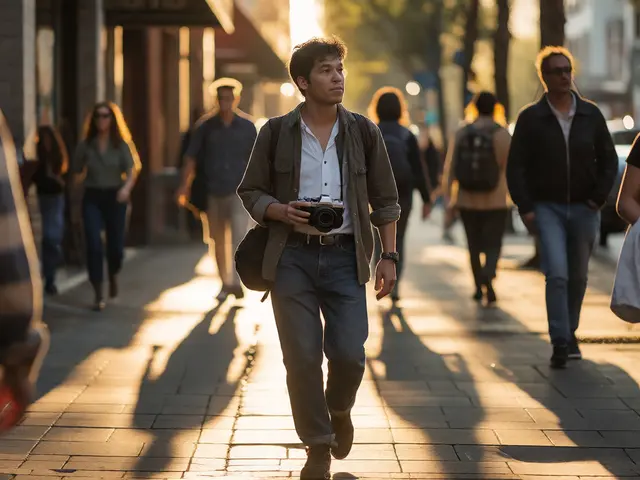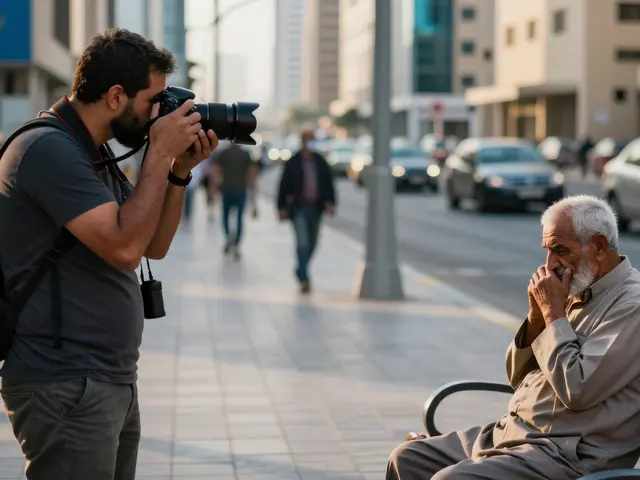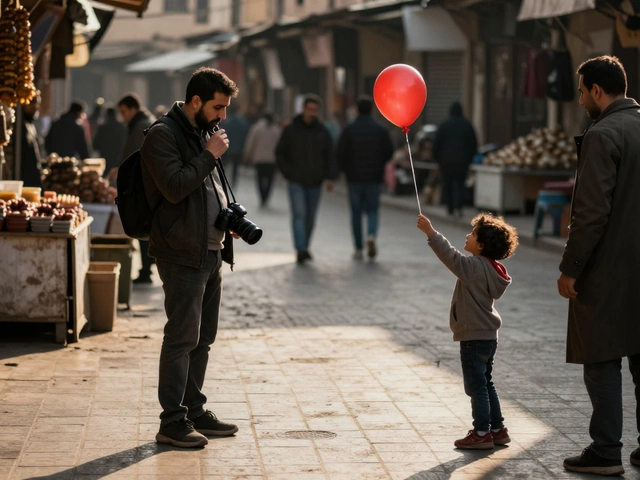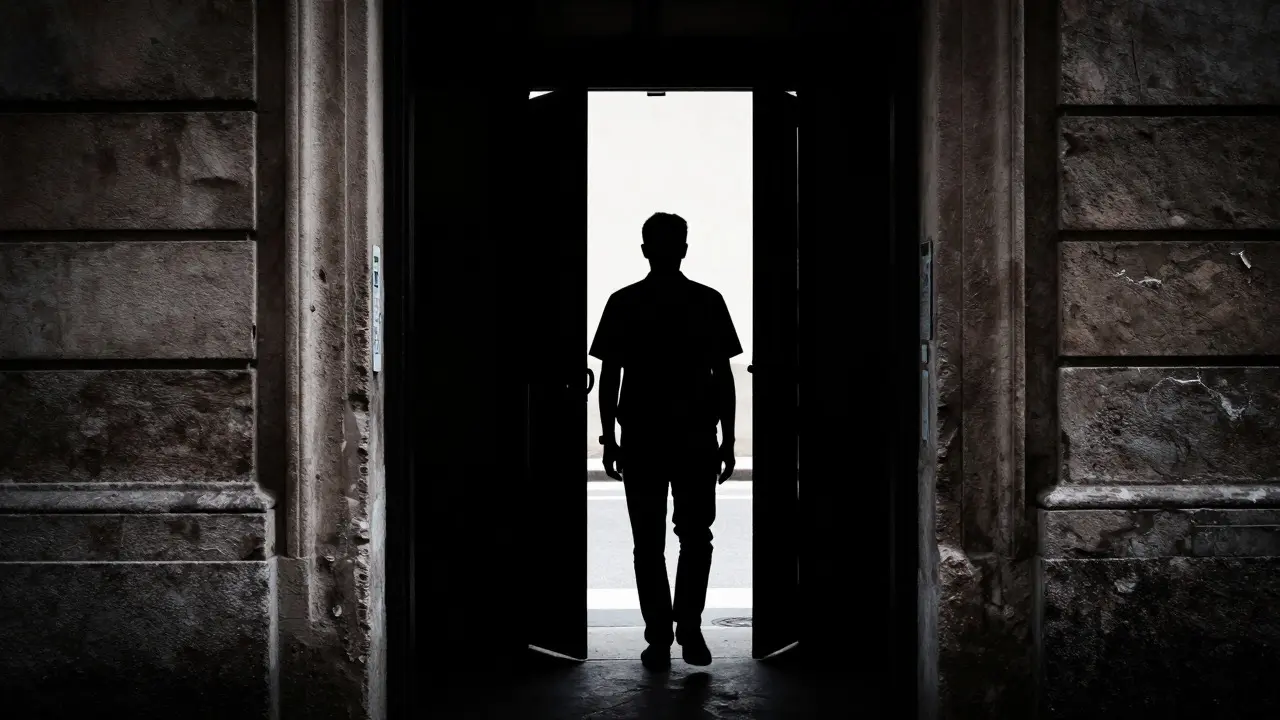
Ever snapped a photo of a stranger on the sidewalk, only to feel like it was just... a person standing there? You’re not alone. The difference between a snapshot and a compelling street image often comes down to how you handle the space around your subject. This is where framing becomes your secret weapon. Specifically, using architectural elements like doors and windows can turn a chaotic city scene into a focused, narrative-driven piece of art.
Think of a frame as a visual container. It tells your eye exactly where to look and creates a sense of depth that flat, unstructured shots lack. When you use existing structures in the city-doorways, window panes, or even the gap between two buildings-you aren’t just adding decoration; you are building context. A door might suggest an invitation or a threshold, while a window could imply observation or separation. These subtle cues add layers of meaning without needing a single word of explanation.
Why Architectural Frames Work Better Than Random Lines
Many beginners try to find leading lines in streetscapes, which is great, but frames offer something different: containment. While leading lines guide the eye *through* the image, frames hold the eye *within* a specific area. This containment is crucial in street photography because the environment is unpredictable. Pedestrians walk everywhere, cars honk, and distractions pop up from all sides. A strong frame acts as a shield against this noise.
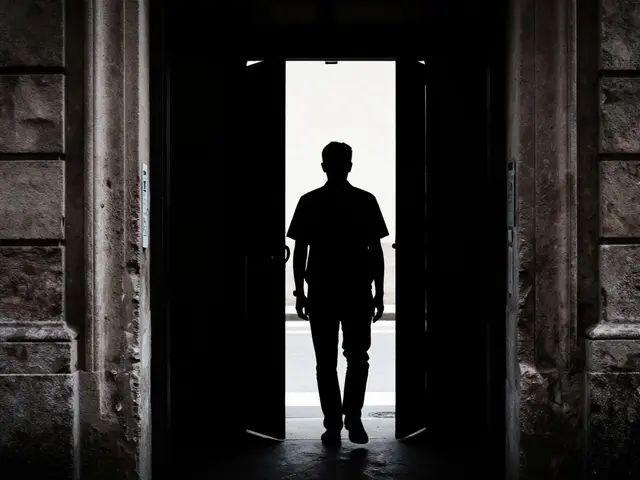
Consider the psychology behind looking through a doorway. Humans are naturally curious about what lies beyond thresholds. When you place a subject within a darkened doorway, lit by the street outside, you create immediate tension. Is the person entering? Leaving? Waiting? The frame forces the viewer to ask questions, keeping them engaged with the image longer. This engagement is the heartbeat of good storytelling in photography.
Mastering the Doorway: Thresholds and Depth
Doors are perhaps the most versatile frames in urban environments. They come in every size, shape, and material. A narrow, tall alley entrance offers a vertical frame that emphasizes height and isolation. A wide, open garage door provides a horizontal anchor that grounds a busy scene. The key is to match the aspect ratio of the door to the aspect ratio of your camera sensor or crop choice.
When shooting through a doorway, pay close attention to the light contrast. Street photographers often rely on high-contrast scenes, and doorways are perfect for this. If the interior is dark and the street is bright, you have a natural vignette. However, if both areas are evenly lit, the frame might disappear. In those cases, you need to wait for a moment when a shadow falls across the threshold or when a subject steps into the darker zone. Timing is everything here. You are not just composing a static shot; you are choreographing a moment of movement.
Here is a practical tip: shoot at f/8 or f/11 when using deep frames. Why? Because you want the frame itself to be sharp. If your aperture is too wide (like f/1.8), the foreground doorframe will blur out, defeating its purpose. You need the structure to be crisp so the viewer’s eye can travel from the sharp edge of the frame to the subject inside. This clarity anchors the composition and prevents the image from feeling floaty or unstable.
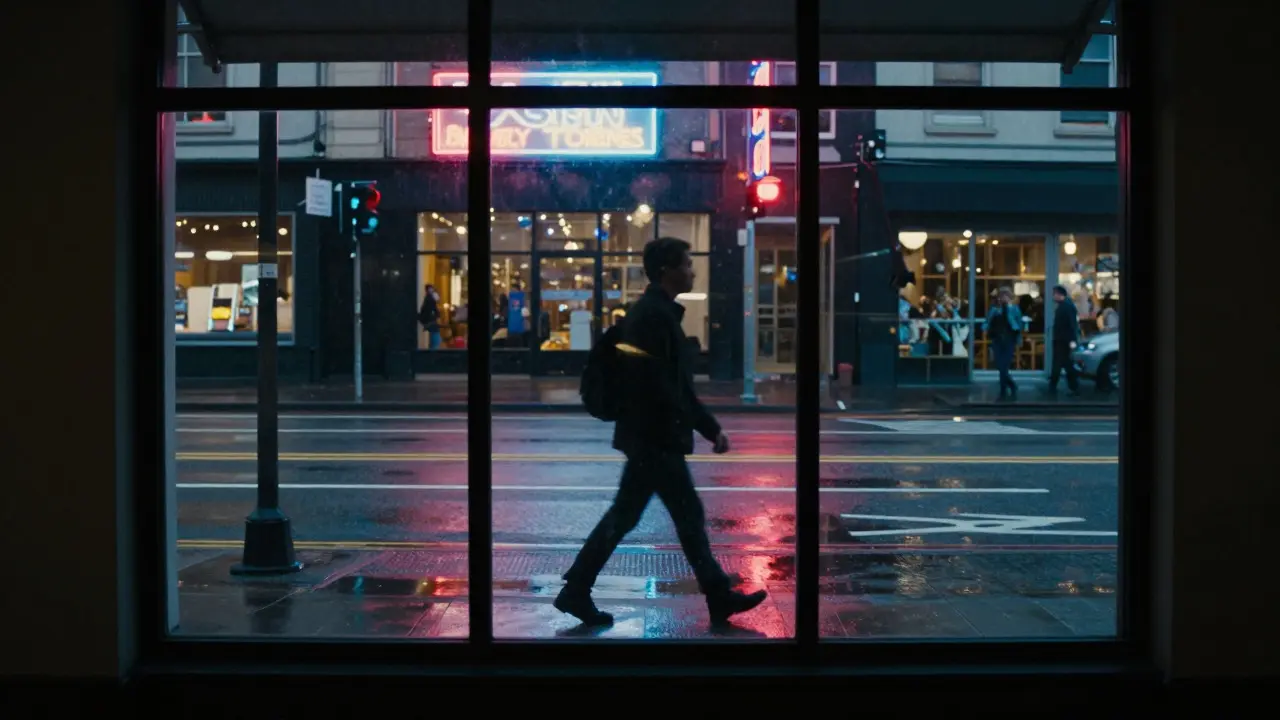
Windows: The Observer’s Perspective
If doors are about entry and exit, windows are about watching. They create a barrier between the photographer and the subject, which adds a layer of intimacy or voyeurism. This is powerful in candid street work. A subject seen through a shop window feels more private, more vulnerable, than one seen directly on the pavement. The glass acts as a mirror, sometimes reflecting the street back onto the subject, creating complex double-exposure-like effects without any post-processing tricks.
Working with windows requires patience. Reflections change with the angle of the sun and the position of the subject. You might spend ten minutes waiting for a pedestrian to walk past at the exact right angle so their silhouette aligns with the reflection of a neon sign in the glass. This kind of anticipation is part of the joy of street photography. It turns the hunt into a game of timing and geometry.
Also, consider the grid of the window panes. Many older buildings have multi-pane windows. These grids can act as secondary frames within the main frame. If you align your subject with one of these smaller panes, you create a 'frame within a frame' effect. This adds geometric interest and breaks up large areas of empty glass. It’s a subtle technique, but it makes the composition feel more deliberate and crafted.
Practical Techniques for Finding and Using Frames
Finding frames isn’t always obvious. You have to train your eye to see the architecture as a tool, not just a background. Here are some ways to spot opportunities quickly:
- Sweep your viewfinder horizontally: Don’t just point at the subject. Pan left and right. Often, the best frame is slightly off-center from where the subject is standing. Move your body to align the architectural element with the subject, rather than cropping it in post-production.
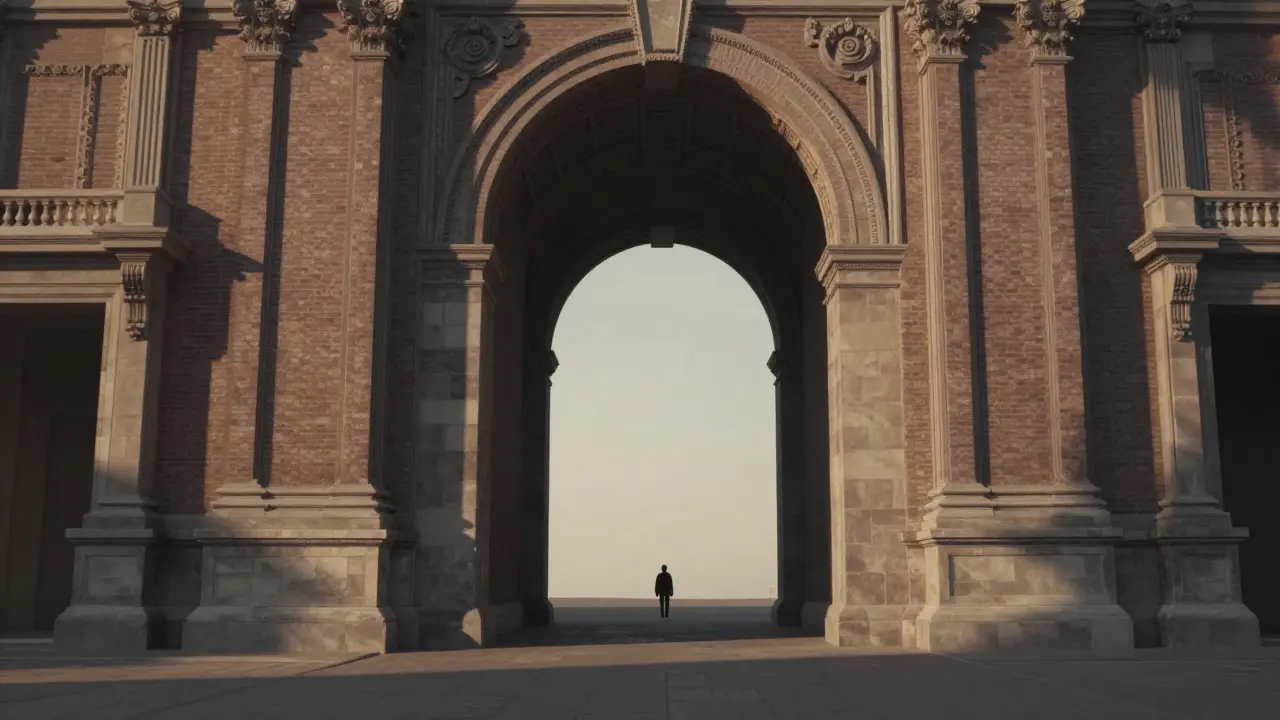
- Look for symmetry: Symmetrical doors and windows create balance. If you find a perfectly centered archway, try centering your subject within it. This formal composition works well for portraits or isolated figures.
- Use negative space: A frame doesn’t have to be filled. Sometimes, the best image is a small figure framed by a massive, empty doorway. The scale difference emphasizes the loneliness or grandeur of the scene.
- Check the top and bottom edges: Ensure your frame doesn’t cut off important parts of the architecture. A cropped door handle or a broken window pane can distract the viewer. Keep the frame clean unless the imperfection is part of the story.
Lighting plays a huge role in making these frames visible. Backlighting can make a window glow, turning it into a bright rectangle against a darker street. Side lighting can cast long shadows from window sills, creating diagonal lines that intersect with your frame. Experiment with different times of day. Golden hour softens harsh contrasts, allowing you to see details in both the frame and the subject. Blue hour, on the other hand, can make artificial lights in windows pop, creating vibrant focal points.
Common Mistakes to Avoid
Even experienced photographers mess up framing. One common error is forcing a frame that doesn’t fit the subject. If the subject is dynamic and moving fast, a tight, rigid frame might feel claustrophobic. Leave some breathing room. Another mistake is ignoring the background clutter *inside* the frame. Just because you have a nice doorframe doesn’t mean the trash can behind the subject is acceptable. Clear the inside of the frame first, then worry about the border.
Also, don’t overdo it. Not every shot needs a frame. Sometimes, a simple, direct view is stronger. Use frames when they add context, depth, or mood. If the frame distracts from the emotion of the subject, drop it. Trust your instincts. If the image feels busy, simplify. If it feels empty, add a frame.
Editing Your Framed Shots
In post-production, resist the urge to crop tightly to remove the frame. The frame is part of the story. Instead, adjust exposure to balance the light between the frame and the subject. If the frame is too dark, lift the shadows slightly. If the subject is blown out, recover highlights. Keep colors neutral to let the geometry speak. Avoid heavy vignettes if the frame already provides a natural boundary. Let the architecture do the work.
What aperture should I use for street photography with frames?
Generally, use an aperture between f/5.6 and f/11. This ensures that both the foreground frame and the mid-ground subject are reasonably sharp. Wider apertures may blur the frame, while very narrow apportures can cause diffraction and reduce overall sharpness.
How do I deal with reflections in window frames?
Embrace them! Reflections add complexity and depth. Wait for a subject to align with a reflection, or use polarizing filters to reduce glare if you want a clearer view through the glass. Alternatively, shoot at an angle to minimize direct reflections.
Can I use digital crops to create frames?
Yes, but it’s better to compose in-camera. Cropping reduces resolution and can introduce artifacts. Composing with the frame in mind allows you to choose the best focal length and perspective, resulting in a higher quality final image.
What type of lens is best for framing subjects in doorways?
A 35mm or 50mm prime lens is ideal. These focal lengths allow you to get close enough to fill the frame with the doorway while maintaining a natural perspective. Wide-angle lenses can distort the frame, making it look unnatural.
How does weather affect framing in street photography?
Rain and fog can enhance frames by adding texture and reducing visibility of distant clutter. Wet surfaces reflect light, making frames more prominent. Overcast days provide soft, even lighting that reveals details in both shadows and highlights.