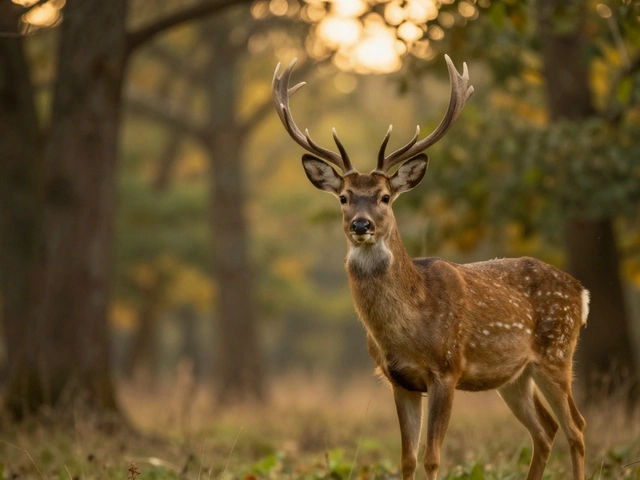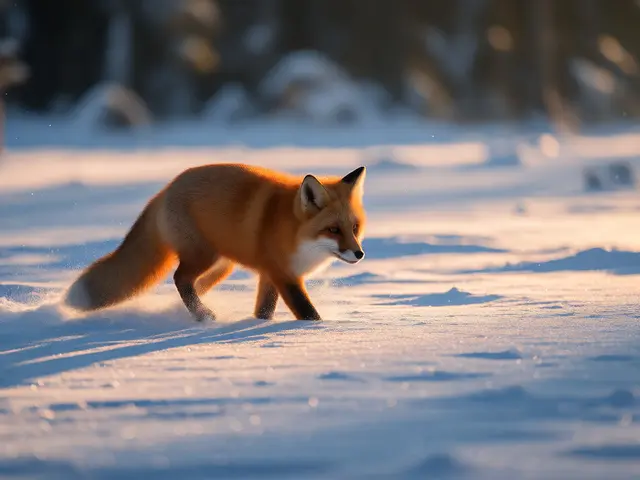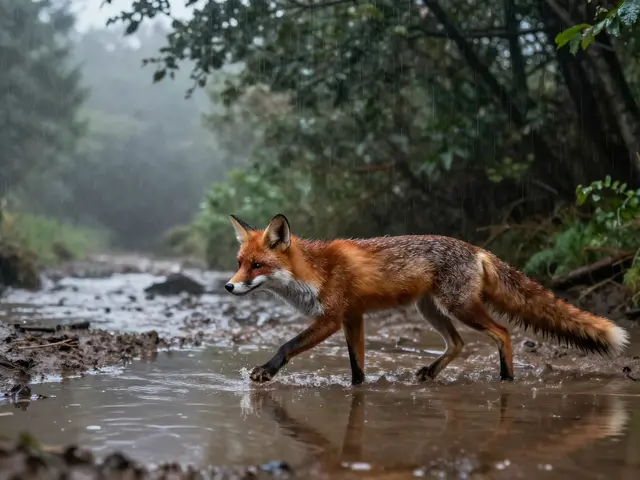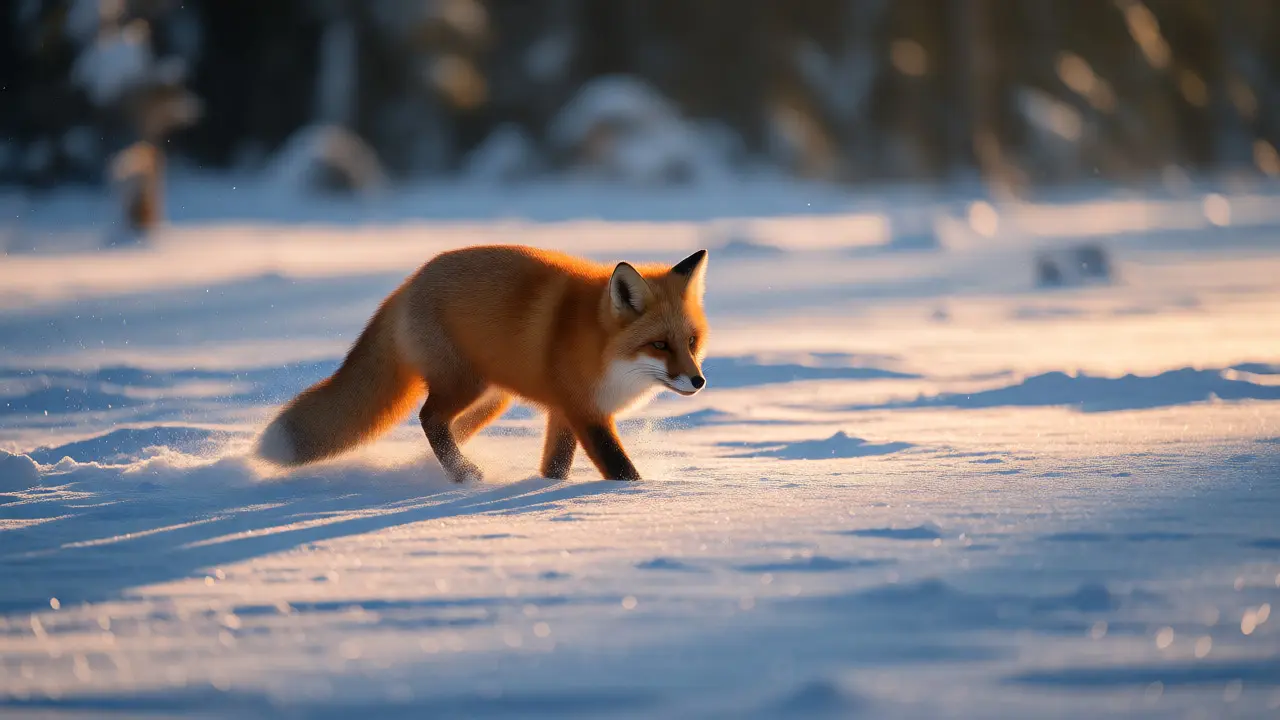
You’ve probably seen those stunning shots of a red fox trotting through fresh snow or a squirrel mid-leap between branches. They look effortless, but capturing small mammals is actually one of the hardest challenges in wildlife photography. These animals are fast, skittish, and often tiny against a cluttered background. If you’re trying to get sharp images of rabbits, foxes, or squirrels without scaring them off or ending up with blurry messes, you need more than just a good camera. You need strategy.
Understanding Your Subjects: Behavior Over Gear
Before you even touch your shutter button, you have to know who you're photographing. A Red Fox (Vulpes vulpes) behaves differently than an Eastern Gray Squirrel. Foxes are crepuscular, meaning they are most active at dawn and dusk. This low-light window is beautiful for photos but terrible for autofocus speed if your lens isn't fast enough. Squirrels, on the other hand, are diurnal and hyperactive during the day. They don't pose; they dart.
Rabbits sit in a weird middle ground. They are prey animals, which means their primary survival instinct is to freeze when they sense danger. That freeze is your golden opportunity. But once they decide to run, they zig-zag violently. Knowing these behavioral patterns helps you choose the right time of day and the right approach angle. If you try to stalk a fox at noon, you'll likely find it asleep in a den. If you chase a squirrel, you'll only capture its tail.
The Right Gear for Tiny Targets
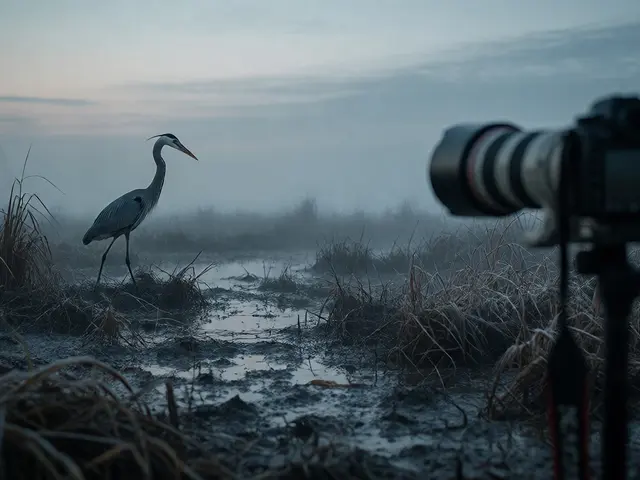
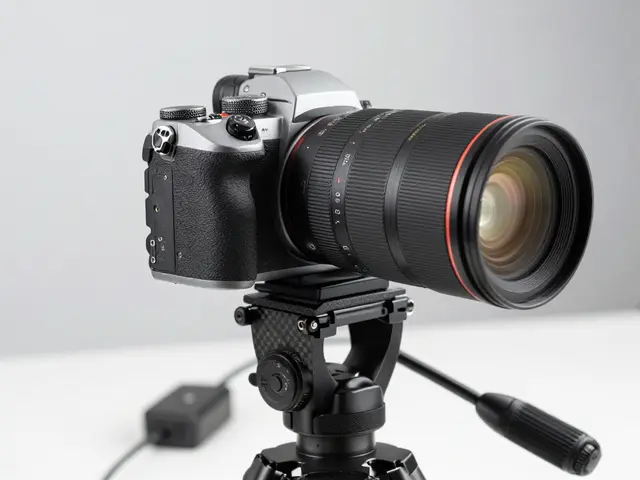
You don't need a $10,000 telephoto lens to start, but you do need reach. Small mammals are small. Filling the frame with a 4-inch rabbit requires either getting very close (hard to do without spooking it) or using a long focal length. Here’s what actually works:
- Focal Length: Aim for 300mm minimum. 400mm to 600mm is ideal. If you shoot APS-C cameras, multiply your focal length by 1.5 or 1.6. A 70-300mm zoom on an APS-C body gives you roughly 450mm equivalent, which is decent for backyard squirrels.
- Aperture: Wide apertures (f/2.8 - f/4) help isolate the subject from messy backgrounds, but depth of field becomes razor-thin. For groups or environmental shots, stop down to f/5.6 or f/8 to keep the whole animal in focus.
- Shutter Speed: This is non-negotiable. Squirrels move fast. Use 1/1000s as a baseline. If they are leaping, bump it to 1/2000s. Foxes walking slowly might be okay at 1/500s, but err on the side of faster speeds to avoid motion blur from your own hands.
Don't forget about stabilization. Handholding a 400mm lens is tough. If you don't have image stabilization (IS) or vibration reduction (VR), use a monopod. It allows you to pivot quickly to track moving subjects while keeping the weight off your arms.
Mastering Light and Backgrounds
One of the biggest complaints I hear from beginners is, "My photos look flat." That’s usually because they’re shooting in harsh midday sun. Small mammals have fur textures that pop in soft, directional light. Early morning or late afternoon provides warm tones and long shadows that add depth to the image.
Backgrounds are your enemy and your best friend. A busy forest floor with twigs and leaves will distract from a small rabbit. Look for clean patches of grass, water reflections, or distant trees out of focus. Position yourself so the animal is against a uniform backdrop. If a squirrel is sitting on a branch, wait until it moves to a spot where the background is empty sky or blurred foliage. Patience pays off here. You might wait ten minutes for a squirrel to shift two feet to the left, but that shift could mean the difference between a cluttered snapshot and a portfolio piece.
Techniques for Specific Species
Each species demands a different tactical approach. Let’s break down the big three.
Squirrels: Anticipate the Jump
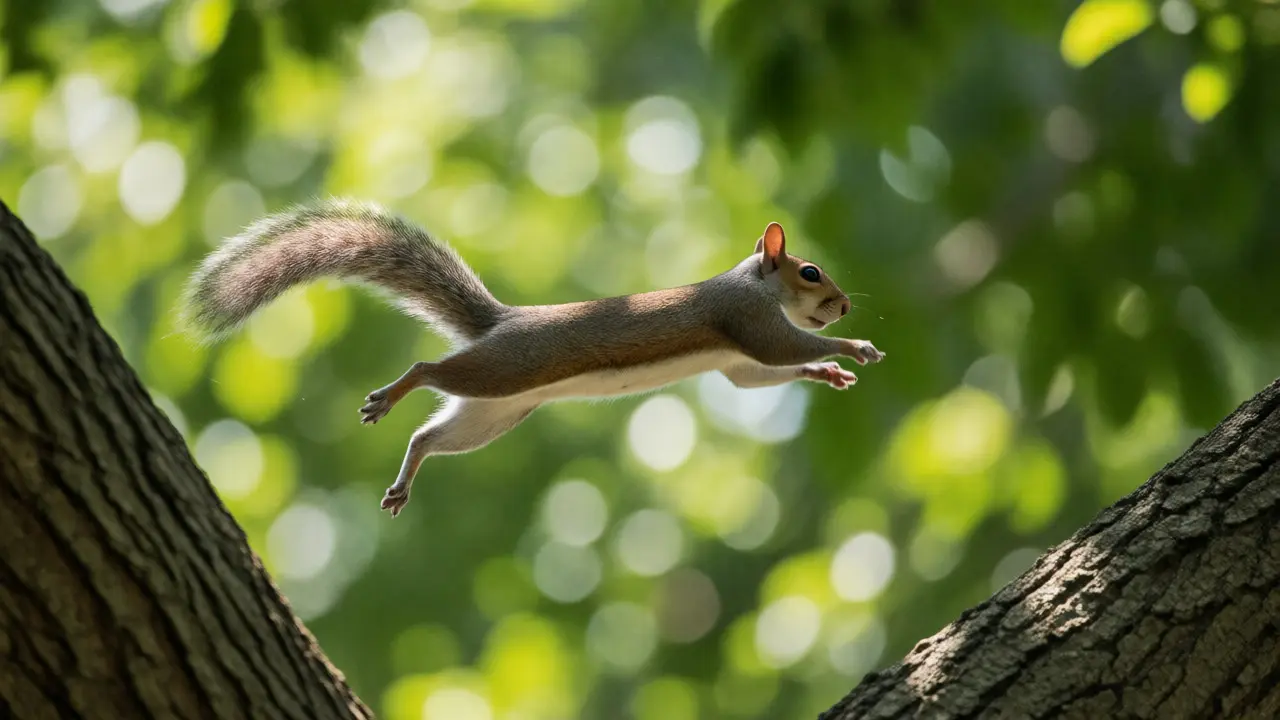
Squirrels are acrobats. Don’t try to track them continuously; you’ll miss the moment. Instead, pre-focus on a spot where you expect them to land. Watch their body language. When a squirrel crouches low and twitches its tail, it’s about to launch. Press the shutter button just as it pushes off. Burst mode is essential here. Shoot 10-15 frames per second. You’ll get many duds, but you’ll also catch the perfect mid-air extension.
Rabbits: The Freeze Frame
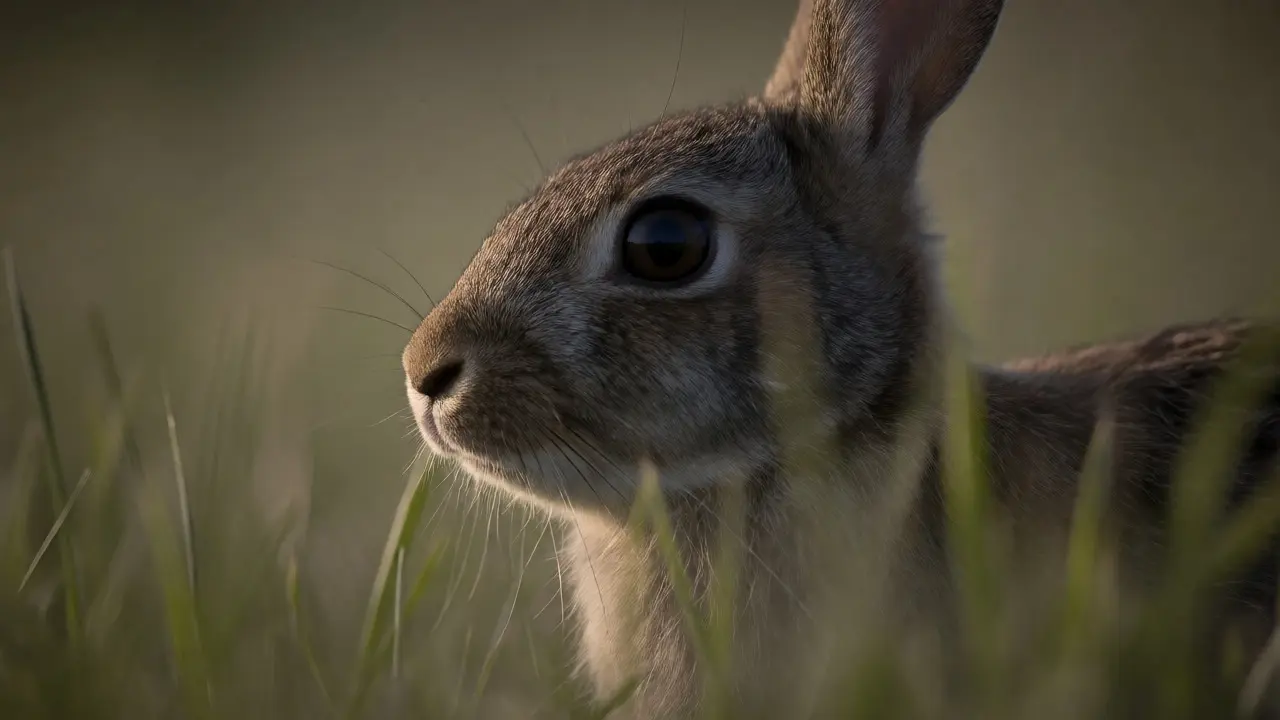
Cottontails and hares rely on camouflage. When you spot one, stop moving immediately. Often, they haven’t seen you yet. Wait. Let them groom themselves or nibble grass. These are natural behaviors that make for engaging stories. If they freeze, take multiple shots. Their eyes reflect light differently depending on the angle, so experiment with slight position changes. Low angles are crucial for rabbits. Getting down to eye level makes them look majestic rather than cute. It also blurs the foreground grass, creating a dreamy effect.
Foxes: Respecting the Space
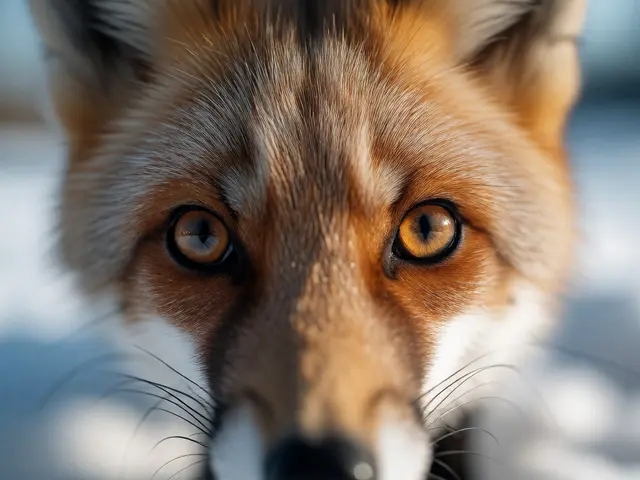
Foxes are wary but curious. In urban areas, like Portland’s parks, they may tolerate closer proximity. In wilder settings, keep your distance. Use a long lens. Focus on their face. The eyes are the soul of the portrait. If the fox is looking away, wait. They often turn their heads suddenly. Capture the interaction with the environment-a fox stepping over a log or shaking off rain adds context. Avoid flash unless necessary; it can ruin the natural mood and startle them.
Post-Processing Tips for Fur Detail
Editing small mammal photos is about enhancing texture without making it look artificial. Start by adjusting exposure to ensure the fur details are visible, especially in dark-colored animals like black squirrels or gray foxes. Increase contrast slightly to define the edges of the fur.
Use masking tools in software like Lightroom or Photoshop to select the subject separately from the background. Apply sharpening only to the eyes and nose. Over-sharpening fur creates noise and halos. Desaturate greens and browns in the background slightly to make the subject stand out. Crop aggressively. Don’t be afraid to cut out dead space to emphasize the animal’s expression or movement.
Common Pitfalls to Avoid
| Mistake | Why It Happens | The Fix |
|---|---|---|
| Blurred Images | Shutter speed too slow for movement | Increase ISO to allow faster shutter speed (1/1000s+) |
| Cluttered Backgrounds | Shooting from standing height | Get low to the ground; use wider aperture to blur background |
| Missed Action | Single-shot mode used | Switch to burst/high-speed continuous mode |
| Poor Focus | Autofocus hunting on twigs/grass | Use single-point AF focused on the eye |
| Spooked Animals | Sudden movements or loud noises | Move slowly; wear neutral colors; avoid talking |
Ethical Considerations
Never bait animals with food just to get a photo. Bread and crackers aren't good for squirrels, and feeding foxes can make them dependent on humans and less cautious around cars. If you must use bait, use native seeds or nuts sparingly and remove any leftovers. Always prioritize the animal's well-being over the shot. If an animal looks stressed-panting, excessive grooming, or fleeing-back off. We are guests in their habitat, not owners of their image rights.
What is the best time of day to photograph small mammals?
The best times are early morning and late afternoon, known as the "golden hours." During these periods, the light is softer and warmer, which enhances fur textures. Additionally, many small mammals, particularly foxes and rabbits, are most active during these crepuscular windows, increasing your chances of seeing natural behaviors rather than sleeping animals.
Do I need a telephoto lens to photograph squirrels?
While not strictly mandatory, a telephoto lens (200mm or longer) is highly recommended. Squirrels are small and easily startled. A longer lens allows you to maintain a respectful distance while still filling the frame with the subject. On crop-sensor cameras, a 70-300mm lens can provide sufficient reach for backyard encounters.
How do I keep my camera steady when tracking moving animals?
Use a monopod instead of a tripod for greater mobility. A monopod supports the weight of your lens and reduces shake while allowing you to pivot quickly to follow the animal. Ensure your lens has Image Stabilization (IS) or Vibration Reduction (VR) enabled, and practice smooth panning techniques with your hips rather than just your arms.
Should I use flash when photographing rabbits or foxes?
Generally, no. Flash can startle shy animals and create harsh, unnatural lighting that flattens fur texture. Natural light is preferred. If you absolutely need extra light in deep shade, consider using a reflector or increasing your ISO rather than blasting the animal with direct flash.
What camera settings work best for action shots of squirrels?
Set your camera to Shutter Priority or Manual mode. Aim for a shutter speed of at least 1/1000s to freeze rapid movements. Use Continuous Autofocus (AI-Servo or AF-C) to track the subject. Set your drive mode to High-Speed Continuous (burst mode) to capture sequences of jumps or runs, giving you a better chance of catching the peak action.