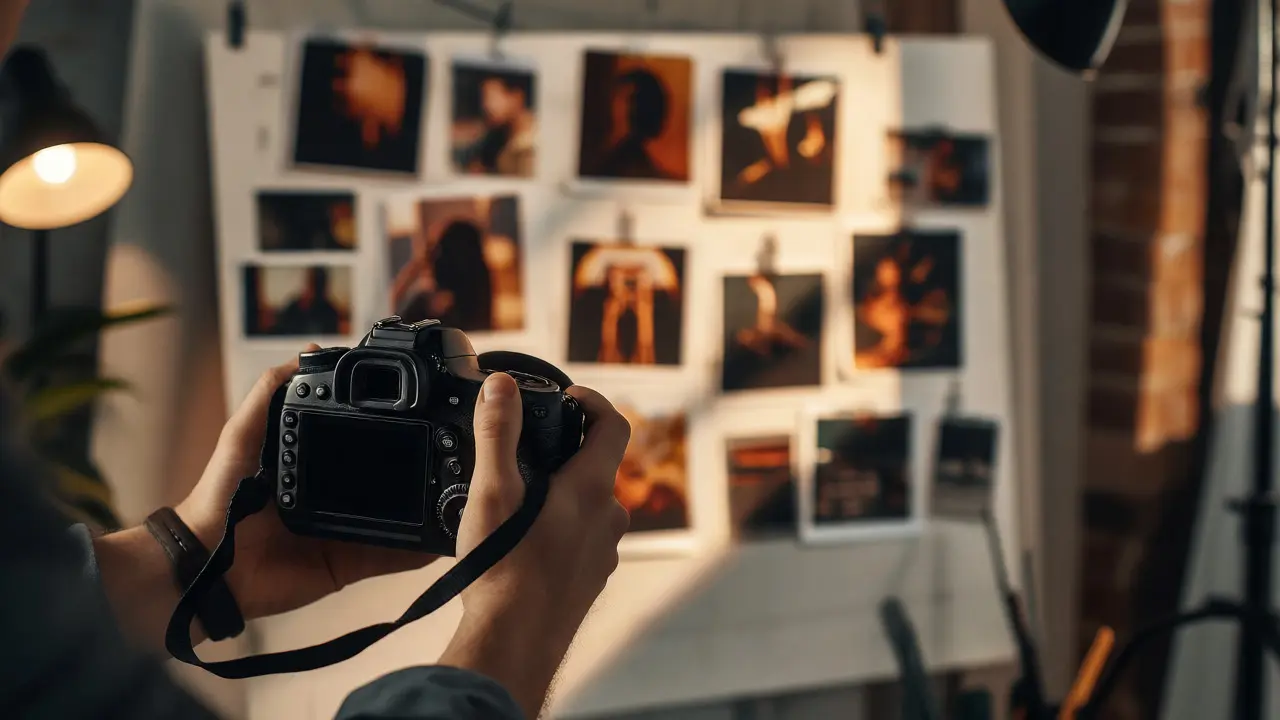
You know that feeling when you open your Lightroom catalog after a shoot, scroll through 400 images, and realize only three are actually usable? It’s not bad luck. It’s usually a lack of intentional photography. Most photographers fall into the trap of "spray and pray," hoping one frame will magically align with their vision. But great images aren't accidents; they are engineered outcomes. When you plan before you press the shutter, you stop guessing and start creating.
The Cost of Shooting Without a Plan
Think about the last time you shot without a clear goal. Maybe you were at a local park or a client event. You took photos because it looked nice, but later, editing felt like a scavenger hunt. This approach burns energy. Every random shot adds to your post-production workload. If you take ten frames where one would do, you’ve wasted nine opportunities to refine your composition or lighting. Worse, you miss the decisive moment because you’re busy checking your histogram instead of watching the subject.
Intentionality isn’t about rigidity. It’s about clarity. When you know exactly what you want the final image to look like, your camera settings become tools rather than puzzles. You adjust ISO because you need a specific depth of field, not because the meter told you to. You move the light because you want a shadow on the cheekbone, not because the sun happened to be there. This shift from reactive to proactive shooting saves hours in front of the computer.
Pre-Production: The Blueprint for Success
Before you even touch your gear, you need a blueprint. In professional circles, this is called pre-production. For hobbyists, it might just mean five minutes of thinking. But those five minutes change everything. Start by defining the emotion or story you want to convey. Is it melancholy? Joy? Tension? Once you have the mood, you can reverse-engineer the technical requirements.
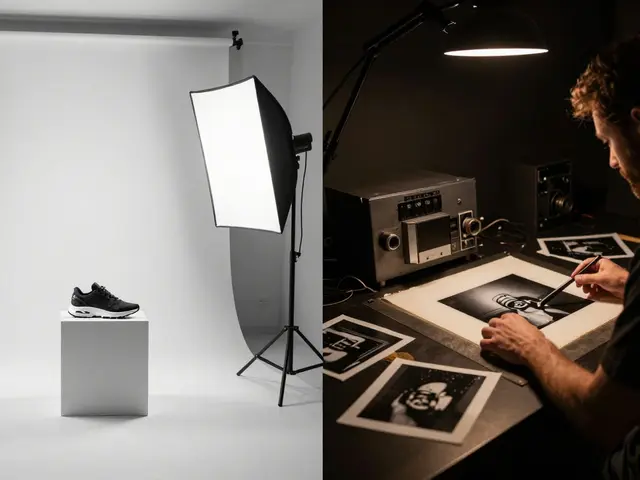
Consider a portrait session. If you want a moody, dramatic look, you know you’ll need hard light and deep shadows. That tells you to bring a snoot or a grid to your speedlight. It tells you to choose a dark background. If you skip this step, you might arrive with softboxes that flatten the face, ruining the vibe you wanted. A simple shot list helps here. Write down three key compositions you want to capture. Having these anchors keeps you focused when the chaos of a live environment tries to distract you.
| Aspect | Reactive Shooting | Intentional Shooting |
|---|---|---|
| Time on Set | Long, often inefficient due to trial and error | Shorter, focused execution of planned ideas |
| Post-Processing | High volume of culling, inconsistent edits | Low volume of culling, consistent style application |
| Client Satisfaction | Unpredictable results, higher revision rates | Predictable outcomes aligned with briefs |
| Skill Growth | Slow, habits form around randomness | Rapid, deliberate practice of specific techniques |
Visualizing the Frame Before It Happens
Visualization is a muscle. Professional directors use storyboards; photographers can use mood boards. Tools like Pinterest or Adobe Bridge allow you to curate references before the shoot. Look at images that match your desired aesthetic. Analyze them. Why does that sunset photo feel warm? Oh, it’s because the white balance was pushed toward amber, and the lens flare was intentional. Note these details. Bring them to the set as reminders.
This process also helps with location scouting. If your mood board features urban grit, don’t book a pristine studio. Find an alleyway with textured brick. When you visualize the scene, you anticipate problems. Will the midday sun wash out the colors? Then schedule the shoot for golden hour or bring neutral density filters. Anticipating friction points prevents panic on the day of the shoot.
Technical Intent: Settings as Creative Choices
Once you’re on set, every dial turn should have a reason. Many beginners shoot in Auto or Program mode because they fear missing the shot. But manual control gives you agency. Let’s say you’re shooting street photography in Portland. You want the background blurred to isolate a pedestrian. You set f/1.8. Now you have shallow depth of field. But maybe you want to show the context of the city. You switch to f/8. Both are valid, but only if you chose them deliberately.
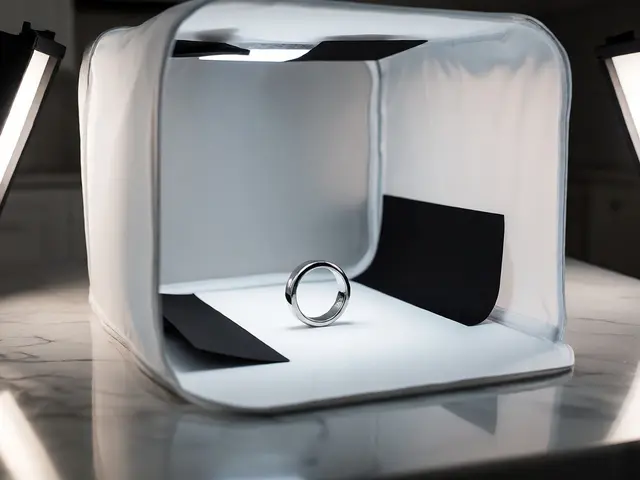
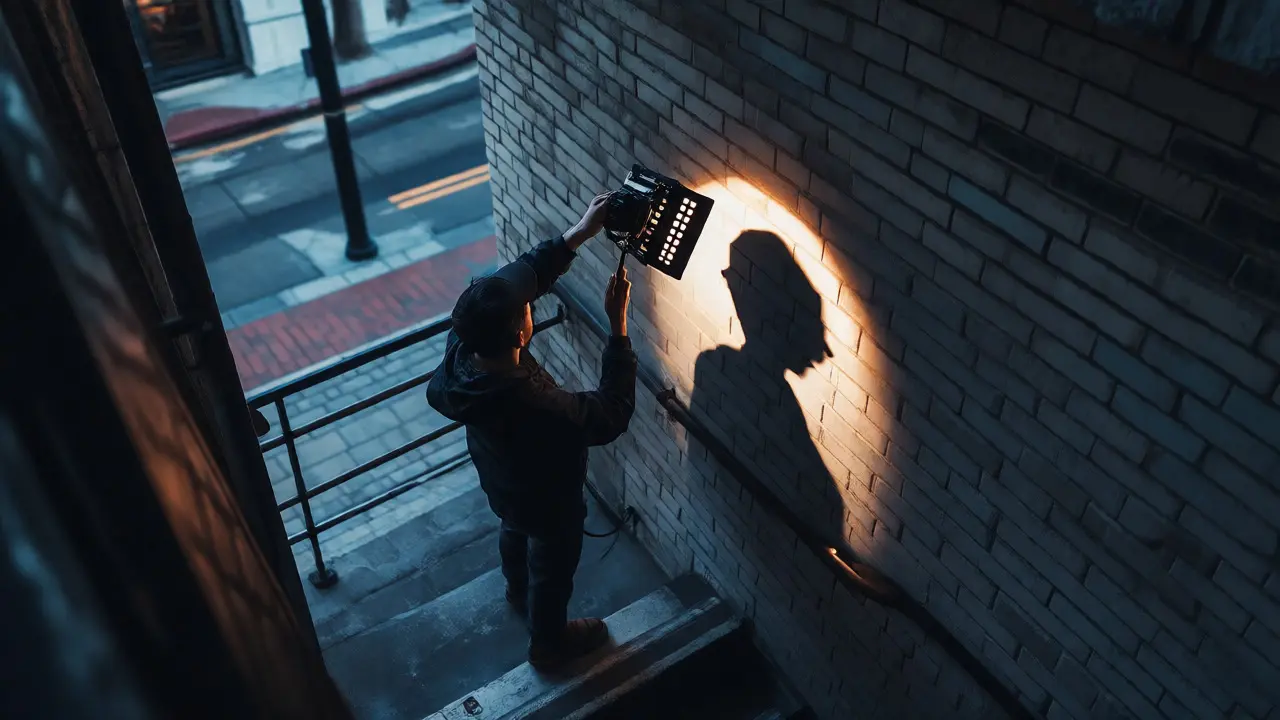
Lighting is another area where intent matters. Natural light changes fast. If you’re chasing a specific highlight on a subject’s eye, you need to track the sun’s position. Use apps like PhotoPills to predict solar angles. If you’re using artificial light, place your strobe before the model arrives. Adjust the power until the falloff matches your mental image. Don’t just blast the subject with flat light because it’s easy. Shape the light to sculpt the form.
On-Set Discipline: The Art of Saying No
Distractions kill intention. On a busy set, clients might ask for extra shots. Friends might want selfies. Your phone buzzes with notifications. Staying intentional means protecting your focus. Communicate your plan clearly. If a client asks for a variation, explain how it fits (or doesn’t fit) the established visual language. "That angle clashes with the minimalist theme we agreed on," is a better response than silently taking the shot and hating it later.
Also, resist the urge to chimp (review images on the back screen) constantly. Checking every single frame breaks your flow. Instead, review a batch every ten or fifteen shots. This forces you to trust your initial exposure decisions and keep moving. It trains your eye to see the potential in the scene rather than relying on the LCD screen to validate your work.
Post-Production: Editing with Purpose
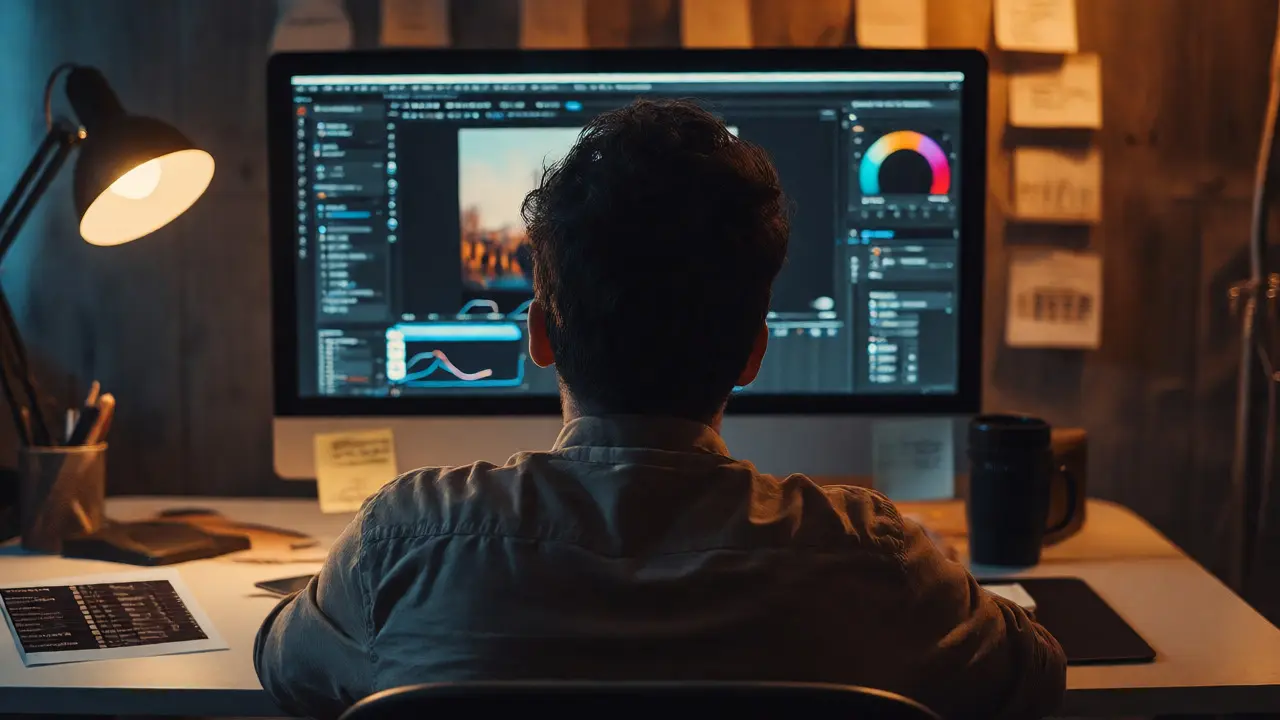
Editing is where many photographers lose their intentionality. They import raw files and apply presets randomly, hoping something sticks. Instead, treat editing as the final stage of planning. Since you shot with a specific mood in mind, your color grading should reinforce that. If you aimed for a nostalgic, film-like look, desaturate the blues slightly and lift the blacks. If you went for high-contrast drama, crush the shadows.
Create a preset or a starting point based on your pre-production notes. This ensures consistency across the series. When you edit intentionally, you’re not fixing mistakes; you’re amplifying the vision. You might crop tighter to remove distractions you noticed during the shoot but couldn’t avoid physically. You might dodge and burn to guide the viewer’s eye exactly where you planned. This level of control turns good photos into compelling stories.
Building a Habit of Intention
How do you make this stick? Start small. Pick one shoot a month where you strictly follow a pre-written shot list. Force yourself to get each shot right in-camera. Limit your card space. If you only have 32GB on your card, you’ll think twice before taking a mediocre frame. Scarcity breeds creativity.
Review your work critically. Look at your best images. What made them work? Was it the timing? The lighting? The composition? Identify the pattern. Then, replicate that condition in future shoots. Over time, intentional shooting becomes second nature. You won’t need to write down every setting; your intuition will guide your hands. But remember, intuition is just internalized experience. Build that experience by being deliberate now.
Do I need expensive gear to shoot intentionally?
No. Intentionality is a mindset, not a hardware feature. You can shoot intentionally with a smartphone. The key is understanding what you want the image to communicate and adjusting your available tools to achieve that result. A $200 lens used with purpose beats a $2,000 lens used randomly.
How much time should I spend on pre-production?
It depends on the project complexity. For a casual walk-around, five minutes of visualizing the goal is enough. For a commercial client shoot, pre-production might take days or weeks, involving mood boards, location scouts, and detailed shot lists. The rule of thumb: the more people involved, the more planning required.
What if things go wrong on set despite my planning?
Adaptability is part of intentional shooting. If rain ruins your outdoor plan, pivot to indoor reflections or macro details. The intention remains the same (e.g., capturing emotion), but the method changes. Good planning includes contingency plans for weather, lighting changes, or equipment failure.
Does shooting intentionally slow down the process?
Initially, yes. Thinking takes time. However, over the course of a full shoot, it speeds up the entire workflow. You spend less time culling thousands of bad photos and less time trying to fix exposure issues in post-production. Efficiency increases once the habit is formed.
Can I still be spontaneous while shooting intentionally?
Absolutely. Intentionality provides a framework, not a cage. If you see a unique moment that deviates from your plan, capture it. Just ensure it serves the overall narrative or mood. Spontaneity within a structured vision often leads to the most powerful images.