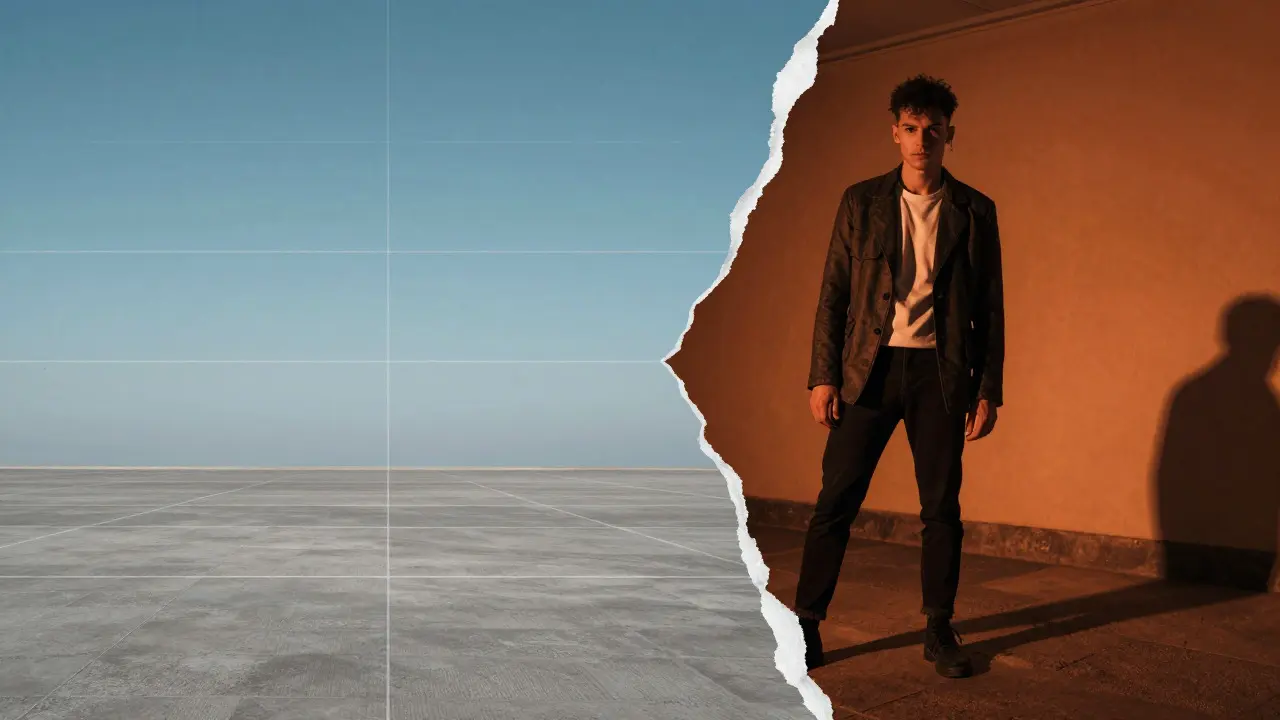
Most photographers learn the same set of guidelines in their first week: put the horizon straight, keep the subject off-center, and use a shallow depth of field. These tips work well enough for standard portraits or landscape shots. But what happens when you apply them to a chaotic street scene or a minimalist still life? Often, the image feels stiff, predictable, or just... wrong. Breaking photography rules is the deliberate act of ignoring standard compositional guidelines to create unique emotional impact or visual tension. It’s not about being messy; it’s about knowing exactly why you’re deviating from the norm.
The Problem with "Correct" Composition
Conventional advice exists because it solves common problems quickly. The Rule of Thirds is a compositional guideline that divides an image into nine equal parts by two horizontal and two vertical lines, suggesting placing key elements along these lines or at their intersections. It works because human eyes naturally gravitate toward these points. Similarly, keeping the horizon level prevents a sense of unease unless you want to convey disorientation. However, relying on these tools as absolute laws can lead to visual monotony. If every photo follows the same grid, your portfolio starts to look like a template rather than a collection of individual stories. The goal isn’t perfection; it’s communication. Sometimes, a centered subject communicates power or isolation better than an off-center one. Sometimes, a tilted horizon conveys urgency better than a stable one.
When to Break the Rule of Thirds
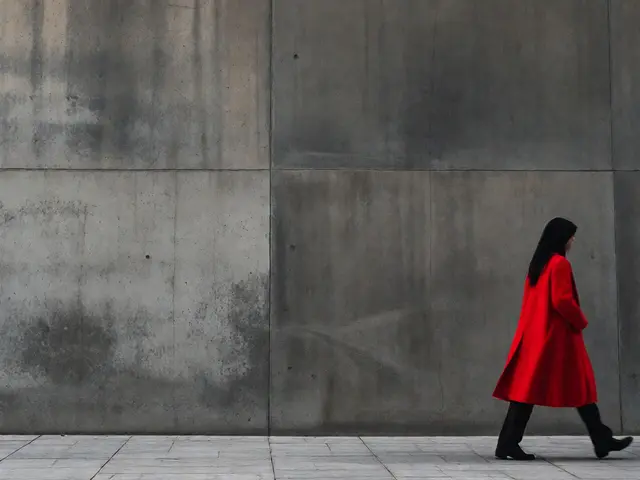
You should consider centering your subject when symmetry is part of the story. Think of architectural photography where the building’s facade creates perfect vertical lines. Off-centering this would break the rhythm. Or consider a portrait of a person staring directly into the lens. Centering them forces the viewer to make eye contact without distraction. In these cases, the Center Frame Composition is a technique that places the main subject in the exact middle of the frame, often used to emphasize symmetry, importance, or direct engagement. It demands attention. It says, "Look here, nowhere else." Conversely, if you want to show a subject’s relationship to their environment, push them to the edge of the frame. This negative space tells a story about loneliness, scale, or freedom. The rule isn't "always thirds"; it's "use the frame to support the narrative."
Depth of Field: Sharpness vs. Mood
Another common convention is using a wide aperture (like f/1.8) to blur the background. This isolates the subject and looks professional in weddings or product shots. But what if the context *is* the story? A documentary photographer capturing a protest needs the signs, the crowd, and the police line to be sharp. Blurring them removes the political weight of the image. Here, Deep Focus is a photographic technique where both the foreground and background are in sharp focus, typically achieved with a small aperture like f/16 or f/22. It forces the viewer to explore the entire scene. On the other hand, sometimes you want *nothing* sharp. Using a very wide aperture on a moving subject can create abstract motion blur. This isn't a mistake; it's a tool to convey speed, chaos, or dreamlike states. The choice between sharpness and blur should depend on what information you want the viewer to process instantly versus what you want them to discover slowly.

Lighting: Embracing Imperfection
Textbooks often preach soft, diffused light for flattering portraits. Hard light creates harsh shadows that are supposedly unflattering. Yet, hard light is powerful. It defines texture. It creates drama. A midday sun casting strong shadows on a face can convey intensity, age, or struggle in a way that studio strobes never could. Hard Light is lighting that comes from a small source relative to the subject, creating distinct, high-contrast shadows and bright highlights. It’s aggressive. It’s honest. When you decide to shoot in harsh noon light, you aren't failing to find shade; you're choosing a specific aesthetic. You might also experiment with mixed color temperatures. Mixing warm tungsten indoor light with cool blue daylight through a window creates a complex mood that purely balanced lighting misses. This imperfection adds realism and emotional complexity.
Motion Blur and Shutter Speed
We are taught to freeze action with fast shutter speeds. A bird in flight, a splash of water, a runner crossing the finish line. These images are crisp and detailed. But freezing time doesn't always capture the *feeling* of movement. Panning with a slower shutter speed (like 1/30th or 1/15th of a second) keeps the subject relatively sharp while blurring the background into streaks. This technique, known as Panning, is a camera movement technique where the photographer moves the camera parallel to the subject's motion, resulting in a sharp subject against a blurred background, effectively conveys speed. Alternatively, leaving the shutter open for several seconds for a long exposure can turn car lights into ribbons or waves into mist. These techniques break the convention of "sharpness equals quality." They prioritize sensation over detail. Ask yourself: do I want to show what the object *looks* like, or how it *moves*?
A Comparison of Conventional vs. Broken Approaches
To visualize when to switch strategies, consider the following comparison. This table outlines how different conventions serve different narrative goals.
| Convention | Standard Application | Creative Deviation | Narrative Effect |
|---|---|---|---|
| Composition | Rule of Thirds | Centered Subject | Emphasizes symmetry, power, or direct confrontation |
| Focus | Shallow Depth of Field (f/1.8) | Deep Focus (f/16) | Shows context, environmental relationships, and detail density |
| Lighting | Soft, Diffused Light | Hard, Direct Sunlight | Adds drama, texture, and high contrast; conveys intensity |
| Shutter Speed | Fast (1/1000s+) | Slow (1/15s or Long Exposure) | Conveys motion, passage of time, or abstract energy |
| Horizon | Level | Tilted/Dutch Angle | Creates unease, dynamism, or subjective perspective |

Practical Steps to Experiment Safely
You don't need to throw away all your gear or delete your presets. Start small. Next time you shoot a portrait, try one shot centered and one shot off-center. Compare them side-by-side. Which one makes you feel something? For landscapes, try shooting with a tripod but intentionally tilting the camera slightly. Does it add energy or just look like a mistake? Check the histogram. Is the exposure technically correct? Maybe, but is it *emotionally* correct? Use post-processing to enhance the effect. If you used deep focus, sharpen the details in editing. If you used motion blur, adjust the levels to make the streaks pop. The digital darkroom allows you to refine these intentional mistakes until they look deliberate. Keep a journal of your experiments. Note why you broke the rule and whether the result worked. Over time, you'll develop an instinct for when convention serves you and when it holds you back.
Common Pitfalls to Avoid
Breaking rules can easily turn into making bad photos if done without intent. The biggest pitfall is randomness. If you tilt the horizon just because you felt like it, and there's no reason for it, the viewer will just see a crooked photo. Every deviation needs a justification. Another mistake is over-saturation. When using hard light or long exposures, colors can become unnatural. Watch your white balance. Also, don't ignore technical limitations. Deep focus requires good lenses and low light might mean high ISO noise. Know your equipment's limits so that technical flaws don't distract from your artistic intent. Finally, remember that some contexts demand professionalism. A corporate headshot probably shouldn't have a tilted horizon. Know your audience and your medium before you start bending the rules.
Frequently Asked Questions
Is it okay to break photography rules in commercial work?
Yes, but with caution. Commercial clients often expect clarity and professionalism. Breaking rules can be effective if it enhances the brand message or stands out in a crowded market. Always discuss the creative direction with the client beforehand to ensure the "broken" rule aligns with their goals. For example, a fashion brand might welcome chaotic, off-kilter compositions, while a real estate agency likely prefers straight lines and bright, even lighting.
What is the most common rule beginners break?
The most common broken rule is the horizon line. Beginners often tilt the camera accidentally, thinking it adds dynamism, when it actually looks like an error. Unlike intentional Dutch angles, accidental tilts lack purpose. Learn to use the electronic level on your camera or phone to ensure straight lines when you want stability, and only tilt when you have a specific reason to convey imbalance.
How does breaking rules affect post-processing?
Breaking rules often requires more careful post-processing. Motion blur needs precise level adjustments to prevent muddy blacks. Deep focus images may need local sharpening to bring out details in the background. Hard light images might require shadow recovery to preserve texture in dark areas. The initial shot sets the stage, but editing refines the intent. Without proper editing, intentional deviations can look like technical failures.
Can you break multiple rules at once?
Yes, but be careful. Breaking too many rules simultaneously can overwhelm the viewer. If you use a tilted horizon, deep focus, and heavy motion blur, the image might become chaotic and hard to read. Usually, it's best to break one major rule per image to maintain a focal point. Let the other elements support the primary deviation. For instance, if the main idea is speed (motion blur), keep the composition simple and the lighting controlled.
Do smartphone photographers need to follow different rules?
Not really. The principles of composition and light apply to all cameras. However, smartphones have smaller sensors, which means less natural depth of field. To simulate shallow depth of field, you might need to get physically closer to your subject or use a dedicated portrait mode. Conversely, smartphones often handle high dynamic range automatically, which can flatten the contrast of hard light. You may need to manually adjust exposure or use pro modes to retain the dramatic shadows you intend.