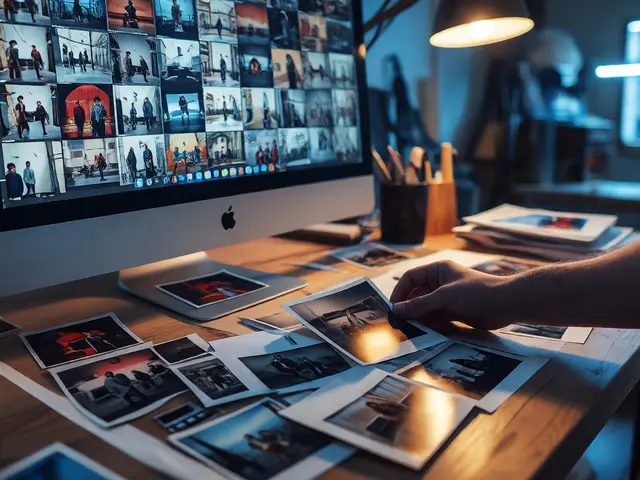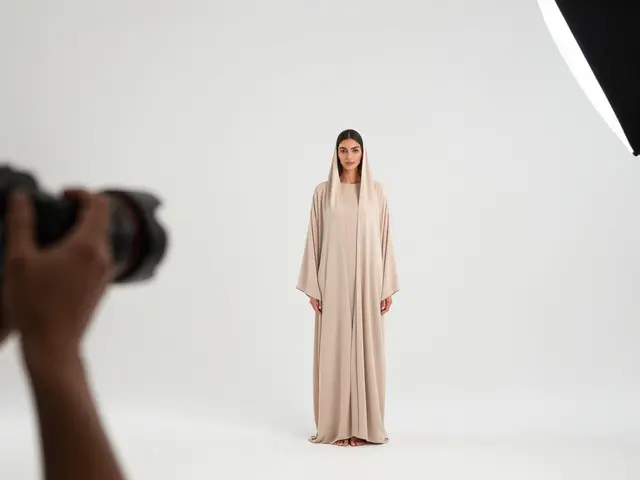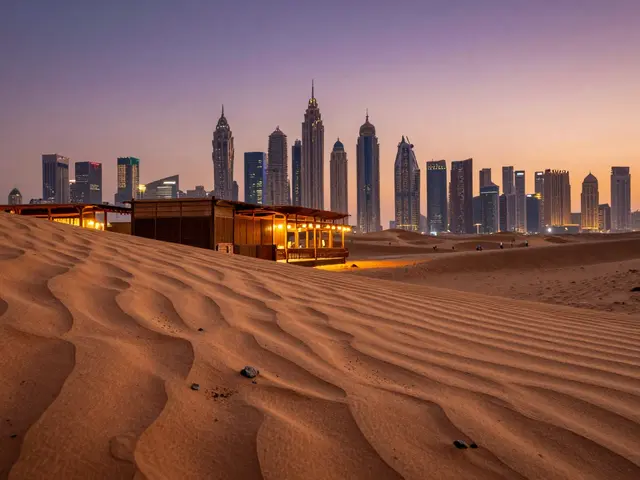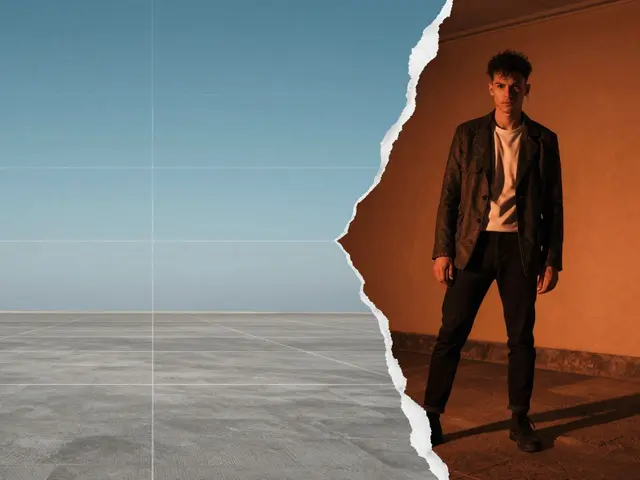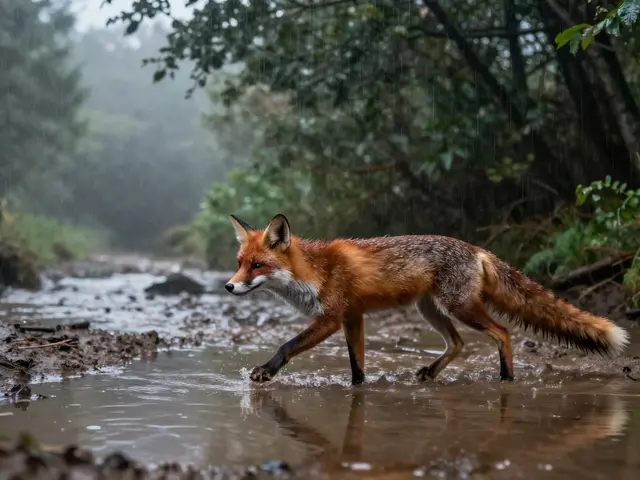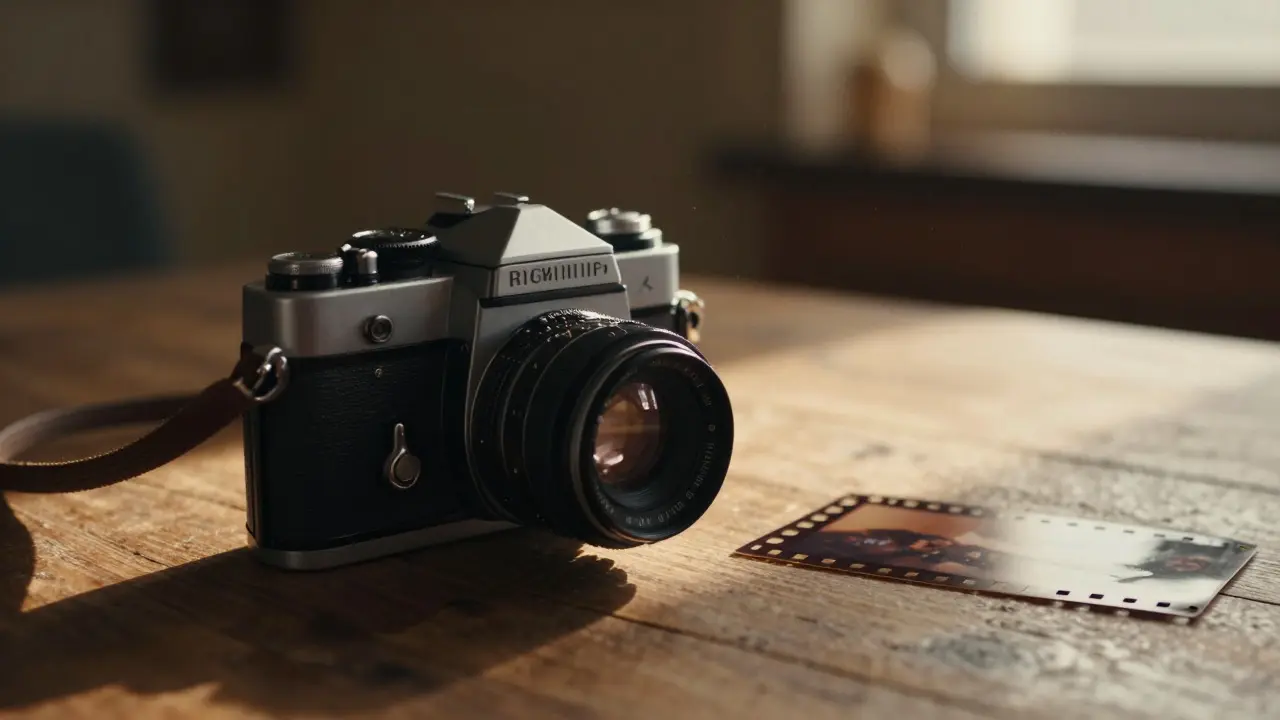
There’s a specific feeling you get when you scroll through your feed and see the same over-saturated sunset for the tenth time. It’s not just boredom; it’s a signal that the visual language of photography is shifting. We are currently in a transitional phase where the dominance of algorithmic perfection is colliding with a desperate human need for authenticity. If you’re creating content right now, the rules you learned three years ago might actually be working against you. The landscape has changed, and understanding these shifts isn’t just about aesthetics-it’s about staying relevant in a crowded digital space.
The Return of Imperfection and Analog Aesthetics
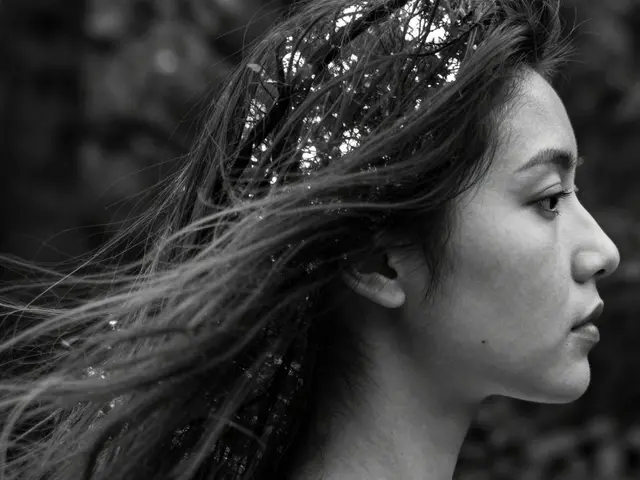
For the last decade, we chased clarity. Sharpness, high resolution, and perfect white balance were the gold standards. Now, the pendulum has swung hard toward texture and noise. This isn’t just nostalgia for film cameras; it’s a reaction to the sterile look of modern smartphone sensors. Creators are intentionally introducing grain, soft focus, and color shifts to mimic the organic feel of physical media. This movement prioritizes mood over technical precision. A slightly underexposed portrait with rich shadows often outperforms a technically flawless but emotionally flat image on social platforms. The key here is control. You don’t need to buy a $3,000 medium format camera to achieve this. Using dedicated film simulation apps or shooting in lower ISO settings can replicate that gritty, tactile quality that feels more human and less processed.
Documentary Storytelling Over Posed Content
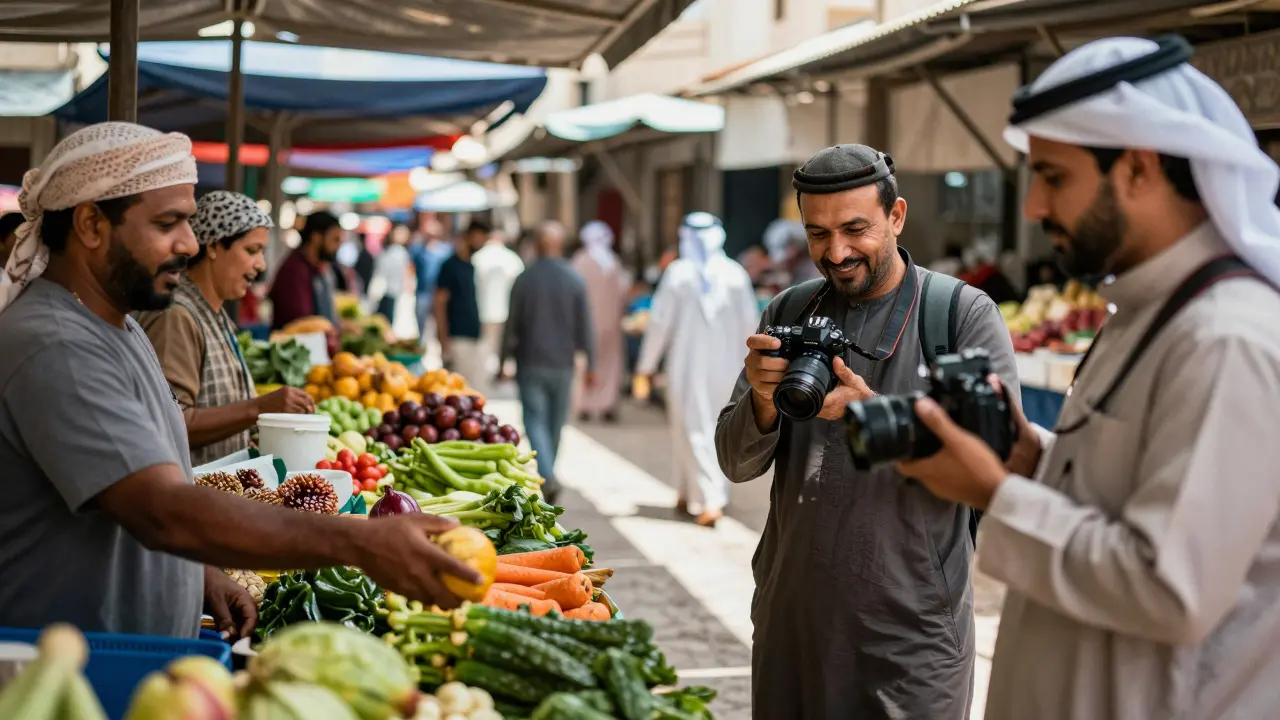
Viewers have developed a strong resistance to staged, influencer-style content. The current trend leans heavily into documentary photography, which captures candid moments as they happen. This style requires patience and observation rather than direction. Instead of telling a subject exactly where to stand and how to smile, photographers are waiting for genuine reactions, natural light shifts, and unscripted interactions. This approach builds trust because it feels like a glimpse into real life rather than an advertisement. Brands and individual creators alike are using this method to show behind-the-scenes processes, daily routines, and honest reviews. The equipment doesn’t need to be heavy; a compact prime lens is often enough to capture these fleeting, authentic moments without intimidating the subject.
Sustainable and Ethical Visuals
As environmental concerns grow, so does the demand for sustainable photography. This isn’t just about shooting nature; it’s about how images are produced and consumed. We’re seeing a rise in local-first shoots, reducing travel carbon footprints by focusing on community stories nearby. In post-production, there’s a move away from heavy file sizes that require massive cloud storage energy. Efficient workflows that minimize redundant backups and use optimized formats are becoming part of the ethical toolkit. Furthermore, subjects are increasingly asking for consent and fair compensation, moving away from the extractive practices of the past. This shift ensures that the people in the photos are partners in the creation process, leading to richer, more respectful narratives.
The Role of AI in Post-Processing
Artificial intelligence has moved from a novelty to a standard tool in the editing suite. However, the trend isn’t about letting AI do all the work; it’s about using it to speed up tedious tasks so you can focus on creative decisions. Tools that automatically remove backgrounds, correct minor lighting issues, or batch-process color grading save hours of manual labor. The danger lies in over-reliance. If every image looks like it was generated by the same algorithm, your portfolio loses its unique voice. The best practice is to use AI for cleanup and organization, then apply manual adjustments for final artistic touches. This hybrid workflow allows for efficiency without sacrificing the personal signature that defines your brand.
| Trend | Key Characteristic | Best For | Common Pitfall |
|---|---|---|---|
| Analog Aesthetic | Grain, soft focus, organic color | Lifestyle brands, personal blogs | Over-graining clean shots |
| Documentary Style | Candid, unposed, narrative-driven | Editorial, corporate culture | Intrusive presence |
| Sustainable Practice | Local focus, ethical consent | Non-profits, eco-brands | Greenwashing visuals |
| AI-Assisted Editing | Automated cleanup, batch processing | High-volume content creators | Loss of unique style |
Micro-Movements and Niche Communities
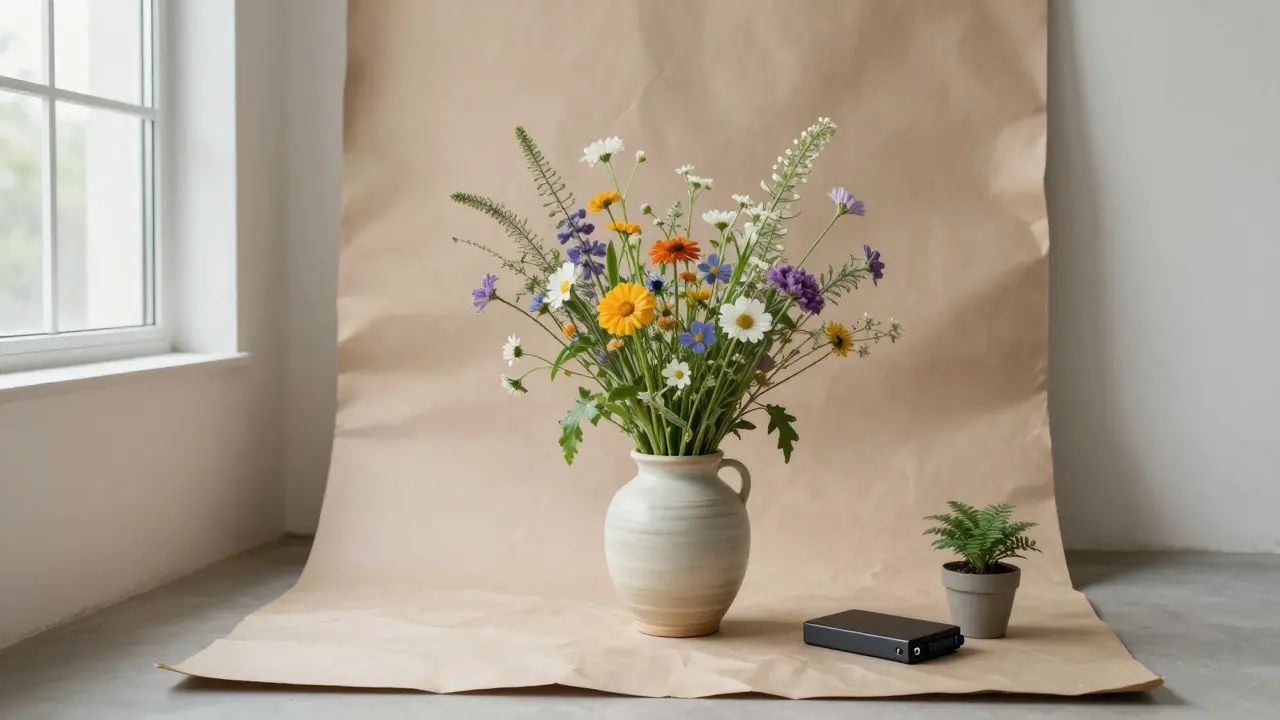
Beyond the broad strokes, several micro-movements are gaining traction in specialized communities. One notable example is "quiet luxury" in product photography, which uses minimal props and neutral backgrounds to highlight material quality without distraction. Another is the resurgence of street photography in non-tourist areas, capturing the mundane beauty of everyday urban infrastructure. These niches allow creators to build dedicated audiences who appreciate specific visual languages. Engaging with these communities provides feedback loops that help refine your style faster than trying to appeal to everyone at once. It’s about finding your lane and mastering it, rather than jumping between every new fad.
Practical Steps to Adopt These Trends
You don’t need to overhaul your entire workflow overnight. Start by identifying one trend that resonates with your personal vision or business goals. If you choose the analog aesthetic, experiment with film simulations in your editing software before investing in hardware. If you prefer documentary style, take a walk with your camera and try to shoot only what happens naturally for an hour. Track which images receive the most engagement or positive feedback. This data will guide your next steps. Remember, trends are tools, not rules. They should serve your story, not dictate it. By blending current movements with your unique perspective, you create content that feels both timely and timeless.
Frequently Asked Questions
Do I need expensive gear to follow current photography trends?
No. Most current trends focus on style, composition, and post-processing rather than sensor size or lens price. A modern smartphone or entry-level mirrorless camera is sufficient for achieving analog looks, documentary styles, and sustainable practices. The key is understanding light and timing, not owning the most expensive equipment available.
How long will these trends last?
Trends typically cycle every 3 to 5 years. The current shift toward authenticity and sustainability is likely to persist longer because it addresses deeper cultural changes rather than just a temporary aesthetic preference. However, specific techniques within these trends, like certain filter presets, may evolve quickly. Focus on the underlying principles rather than the surface-level tools.
Is AI editing considered cheating in professional circles?
Not anymore. AI is viewed as a productivity tool similar to auto-focus or histogram analysis. Professional clients care about the final result and efficiency. As long as the final image meets the brief and maintains consistency, the method used to get there is rarely questioned. Transparency about using AI for major alterations is still good practice, especially in editorial contexts.
What is the biggest mistake beginners make with documentary style?
Being too intrusive. Documentary photography relies on the subject forgetting the camera exists. Beginners often hover too close or direct poses subtly, breaking the candid nature of the shot. Practicing observational skills and allowing scenes to unfold without interference is crucial for capturing genuine moments.
How can I make my portfolio look sustainable?
Highlight the process, not just the product. Include notes about local locations, natural light usage, and minimal set design. Show behind-the-scenes images that demonstrate efficient workflows. Clients and viewers appreciate knowing that the creation process had a low environmental impact, which adds value to the final images.